The best MTB trails around La Frédière
4.7
(56)
249
riders
31
rides
Mountain biking around La Frédière, located in the Charente-Maritime department of southwestern France, offers routes through a tranquil, rural setting. The area features a landscape characterized by woods in its northern parts and vineyards to the south, with the Bramerit stream marking its northern boundary. Elevations in the region range from 13 to 66 meters, providing varied terrain for cycling.
Best mountain bike trails around La Frédière
- The most popular mountain bike trail is Forest Stream – Beware of brambles…
Last updated: October 4, 2026
5.0
(5)
46
riders
37.5km
02:51
260m
260m
Moderate mountain bike ride. Good fitness required. Suitable for all skill levels.
4.7
(7)
27
riders
39.8km
02:56
300m
300m
Moderate mountain bike ride. Good fitness required. Advanced riding skills necessary.

4.7
(7)
15
riders
32.2km
02:02
180m
180m
Moderate mountain bike ride. Good fitness required. Suitable for all skill levels.
4.3
(4)
13
riders
51.9km
03:24
310m
310m
Moderate mountain bike ride. Good fitness required. Suitable for all skill levels.
4.3
(4)
20
riders
40.8km
03:13
340m
340m
Moderate mountain bike ride. Good fitness required. Advanced riding skills necessary.
Get access to more routes and recommendations from other explorers.
Already have an account?
Our route recommendations are based on thousands of hikes, rides, and runs completed by other people on komoot.
Start today with a free account
Your next adventure awaits.
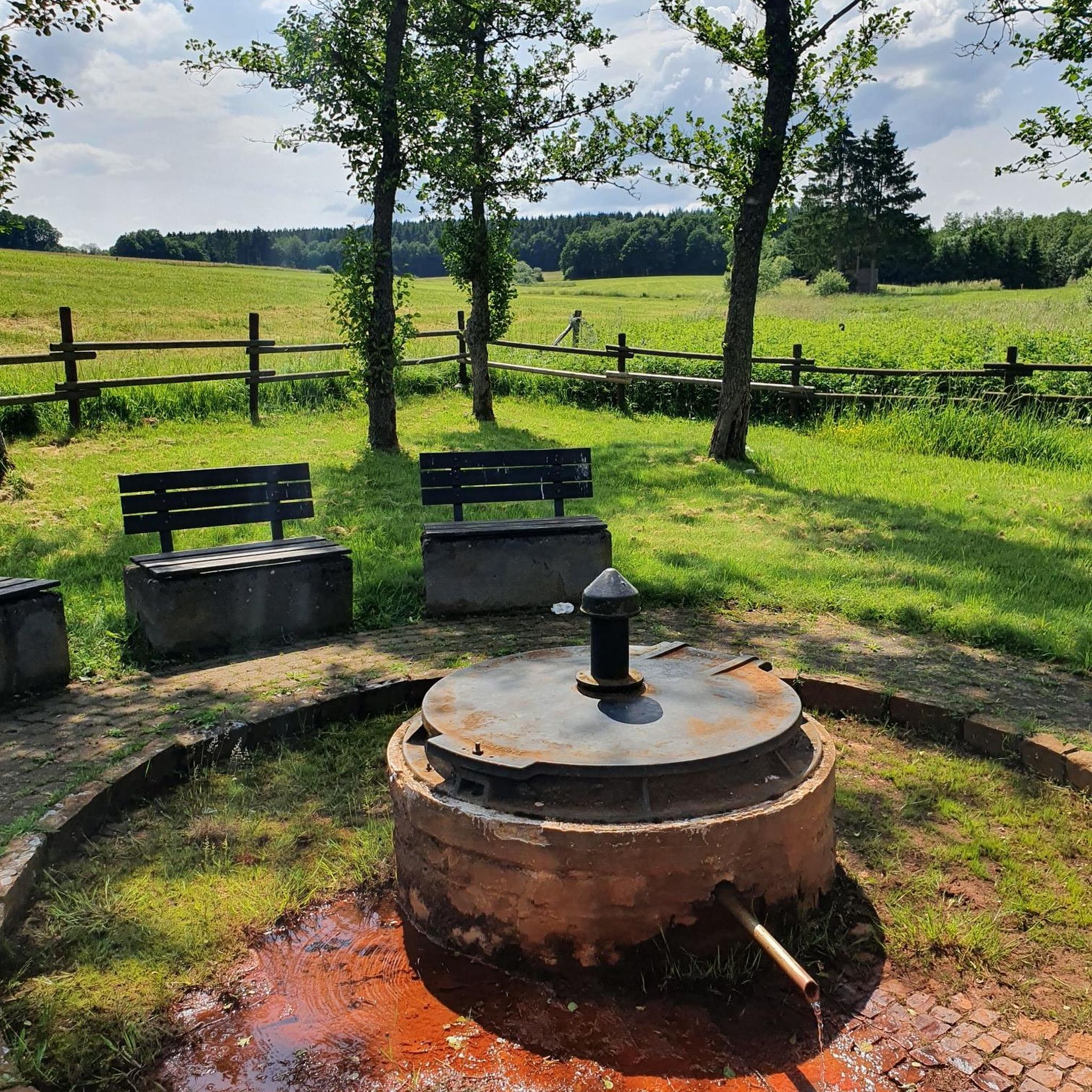

Tips from the Community

Port-d’Envaux, located on the left bank of the Charente, about 12 km downstream from Saintes, owes a large part of its history to its position on the river. The village was originally a fishing village, but it gradually became an important river port for trade. 1. Origins The Charente is a very ancient waterway. As early as the Gallo-Roman period, the river was used to transport salt from the coast inland. The name Port-d’Envaux refers to its location: the village is situated downstream from Taillebourg and in the middle of several "vaux" or valleys. The former parish was named Saint-Saturnin-de-Séchaud. 2. From the 16th to the 18th century: development of trade From the 16th century onwards, navigation on the Charente became of considerable importance. Port-d’Envaux was notably involved in the trade of: * Crazannes stone; * pottery from La Chapelle-des-Pots; * firewood and cooperage wood; * salt; * and later, wine. In the 17th century, "gabares" (barges) became the main transport vessels on the river. Successive improvements to navigation on the Charente, particularly the work undertaken under Colbert, further boosted this activity. The development of the military port of Rochefort, in particular, led to significant needs for wood and stone. 3. The 19th century: the golden age of Port-d’Envaux It was in the 19th century that Port-d’Envaux experienced its true golden age. The port became an important center for barging and shipbuilding. It housed, among other things: * boat construction yards; * marine carpenters; * sailors and captains; * sailing ships; * rope makers; * merchants. The boats transported, in particular, wine, cognac, stone, wood, and salt between the interior of Saintonge, Saintes, and the estuary of the Charente. This prosperity largely explains the presence of the large bourgeois houses and residences that can still be observed along the river. On the eve of the Revolution, Port-d’Envaux even had a navigation school, a sign of the importance of its maritime activity. 4. Gabares, sloops, and schooners The port was particularly associated with "gabares", but also with sloops and schooners. These boats made it possible to transport goods between the ports of the Charente. The "gabares" could, in particular, load stone from the neighboring quarries of Crazannes, Plassay, and Port-d’Envaux. The municipality also preserves historical documentation specifically dedicated to the "gabares" and sloops with topsails built and equipped in Port-d’Envaux. 5. The commune and its evolution The parish of Saint-Saturnin-de-Séchaud became a commune during the Revolution. Port-d’Envaux only truly became a communal capital in 1852, when the commune had about 1,536 inhabitants. It was also in the 19th century that the center of the village gradually moved closer to the river: the port became the true economic heart of the town. The current urban plan, with its small streets descending towards the Charente, retains traces of this evolution. 6. The decline of the port The situation changed radically at the end of the 19th century with the arrival of the railway. Rail transport, and then road transport in the 20th century, strongly competed with the boats on the Charente. In 1926, the Charente was declassified as a navigable waterway; in 1957, it was permanently removed from the list of navigable waterways. This was practically the end of the port's historic commercial vocation. 7. From commercial port to pleasure port After the disappearance of merchant traffic, Port-d’Envaux gradually turned towards pleasure boating and river tourism. Today, the port accommodates pleasure boats and is a leisure area on the banks of the Charente. However, the village strongly preserves the memory of its maritime past through its quays, its old merchant houses, its streets, and its towpath. An interesting feature The history of Port-d’Envaux is therefore closely linked to that of Crazannes stone. The stone extracted from the neighboring quarries was transported by river, which explains the existence of a real economic chain associating quarries → port → "gabares" → Charente → estuary of Rochefort. It is also this past that helps us understand why the village today has Les Lapidiales, located in old quarries, and why the commune places so much emphasis on "stone and water".
0
0

beautiful passages along the Charente with pretty monuments and small waterfront cafés in Port d’Envaux and Saintes.
0
0

Small town with a special charm along the Charente.
0
0


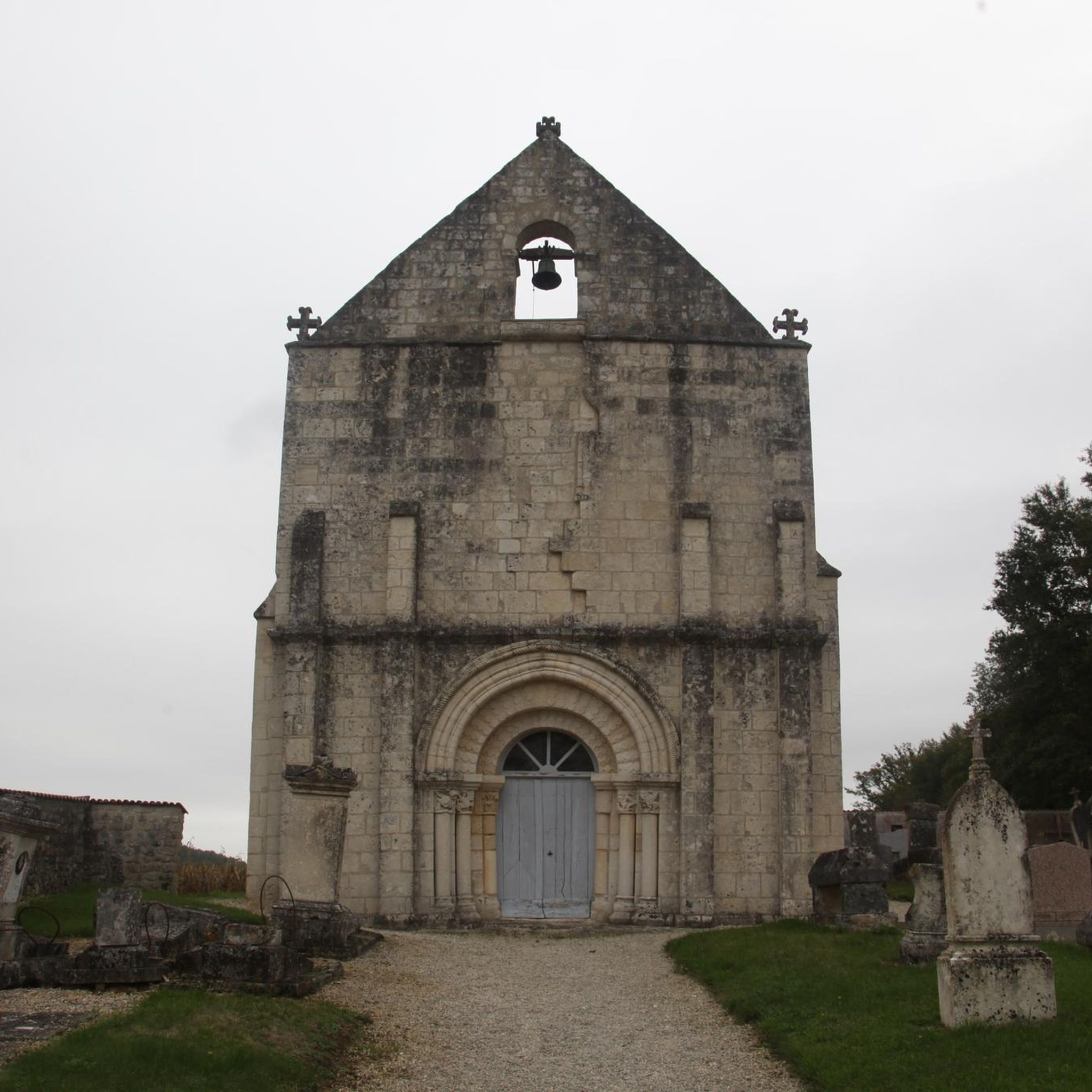
The Saint-Savinien church is a Romanesque style building built between the 12th and 13th centuries. The current sanctuary succeeds an ancient priory, cited in a charter of 1039, of which no vestige remains. The adjoining square is pleasantly decorated with statutes representing the apostles.
0
0

Crazannes Castle is a castle located in the commune of Crazannes in the Charente-Maritime department of France. It is known for its medieval watchtower, which was built in the 12th century. Crazannes Castle was built in the 12th century and has been owned by several noble families over the centuries. It has been expanded and modified over time, and its architecture is a mix of medieval, Renaissance and classical styles. Crazannes Castle is also home to underground caves dug into the limestone rock, which have been used as wine cellars and to store food supplies over the centuries. Visitors can explore the caves and learn about their history through guided tours. Crazannes Castle is open to the public during the summer season and offers guided tours, contemporary art exhibitions and cultural events throughout the year. It is also possible to rent rooms for private events such as weddings or receptions.
0
0

Small picturesque town of about 700 inhabitants. The 12th century Saint-Martial church and the castle are worth the detour!
1
0

A large outdoor art gallery of stone statues and sculptures. The artists have worked for over 20 years to produce a unique experience.
1
0
Frequently Asked Questions
How many mountain bike trails are available around La Frédière?
There are over 20 mountain bike trails around La Frédière, offering a variety of options for different skill levels. The area features 10 easy routes, 13 moderate routes, and 1 difficult route.
What is the typical difficulty level of mountain bike trails near La Frédière?
The mountain bike trails around La Frédière are predominantly moderate, making them suitable for riders with some experience. There are also several easy routes for beginners and a few more challenging options for advanced riders.
Are there any easy mountain bike trails suitable for beginners or families?
Yes, La Frédière offers 10 easy mountain bike routes that are well-suited for beginners or families looking for a more relaxed ride. These trails typically feature less challenging terrain and elevation changes.
What kind of scenery can I expect on the mountain bike trails in La Frédière?
The trails around La Frédière wind through a tranquil, rural setting. You can expect to ride through woods in the northern parts and past vineyards to the south, with the Bramerit stream marking the northern boundary of the area. The landscape is characterized by traditional French countryside.
Are there any historical sites or attractions to see along the mountain bike routes?
While riding, you might find yourself near several interesting sites. For example, you could explore the area around Crazannes Castle or the historic Sainte-Madeleine Church of Crazannes. Other notable religious buildings in the vicinity include the Saint-Savinien Church and Statues of the Apostles and the Church of Our Lady of the Assumption.
Is La Frédière a good destination for mountain biking with children?
Yes, with 10 easy routes available, La Frédière can be a good destination for mountain biking with children, especially if they have some basic cycling experience. The tranquil, rural setting provides a safe and enjoyable environment for family rides.
What is the best time of year to go mountain biking in La Frédière?
The Charente-Maritime region generally offers pleasant conditions for cycling during spring, summer, and early autumn. The tranquil rural setting of La Frédière is particularly enjoyable when the weather is mild, allowing you to fully appreciate the woods and vineyards.
Are there mountain bike trails that form a loop?
Yes, many of the mountain bike trails around La Frédière are designed as loops. For instance, you can try the Forest Stream – Beware of brambles loop from Saint-Savinien or the Mountainbike loop from Saint-Savinien. Another popular option is the Road crossing – Entrance to Chemin Blanc loop from Port-d'Envaux.
Where can I park my car when visiting the mountain bike trails?
Given the rural nature of La Frédière and its surrounding hamlets, parking is generally available in or near the starting points of the trails, often in village centers or designated areas. It's advisable to check the specific route details on komoot for recommended parking locations.
How can I get to the mountain bike trails around La Frédière using public transport?
La Frédière is a tranquil, rural area with a dispersed habitat, meaning public transport options are limited. Access to the mountain bike trails is primarily by car. You may find local bus services connecting larger towns in Charente-Maritime, but direct access to trailheads via public transport might be challenging.
What do other mountain bikers say about the trails in La Frédière?
The mountain bike trails around La Frédière are highly rated by the komoot community, with an average score of 4.7 stars from more than 40 reviews. Riders often praise the peaceful rural countryside, local woods, and vineyards, highlighting the varied terrain suitable for different ability levels.
Are there any places to eat or drink near the mountain bike trails?
While La Frédière itself is a small, rural commune, the broader Charente-Maritime region and nearby towns offer various options for cafes and restaurants. You might find small eateries in Saint-Hilaire-de-Villefranche or other villages within cycling distance, perfect for a post-ride refreshment.
Are there any challenging mountain bike trails for experienced riders?
Yes, for experienced riders seeking a challenge, there is at least one difficult mountain bike route available around La Frédière. Additionally, some of the longer moderate routes, such as the Le Douhet loop from Saint-Hilaire-Brizambourg, offer significant distance and elevation gain to test your endurance.
Most popular routes around La Frédière
Most popular attractions around La Frédière

Get inspired with the komoot mobile app


Explore more
Browse the best MTB trails in other regions.
