Attractions and Places To See around Équevillon - Top 20
Best attractions and places to see around Équevillon include a blend of historical sites and natural landscapes in the Jura department of France. The region features a significant Gallo-Roman archaeological site on Mont Rivel, alongside numerous natural features. Visitors can explore ancient settlements and discover various waterfalls, gorges, and river sources nearby. This area offers diverse points of interest for those exploring the Jura region.
Best attractions and places to see around Équevillon
- The most popular attractions is Pertes de…
Last updated: June 18, 2026
Nozeroy
Highlight • Settlement
Translated by Google •
Tip by

Moulin du Saut Waterfall
Highlight • Waterfall
Translated by Google •
Tip by

Sign up now to discover places like this
Get recommendations on the best single tracks, peaks, & plenty of other exciting outdoor places.
Sign up for free
Pertes de l'Ain
Highlight • River
Translated by Google •
Tip by
Syam Castle and Ironworks
Highlight • Castle
Translated by Google •
Tip by
Ain Spring
Highlight • River
Translated by Google •
Tip by

Sign up for free to discover even more attractions around Équevillon.
Sign up for free
Already have an account?
Start today with a free account
Your next adventure awaits.
Login or Signup
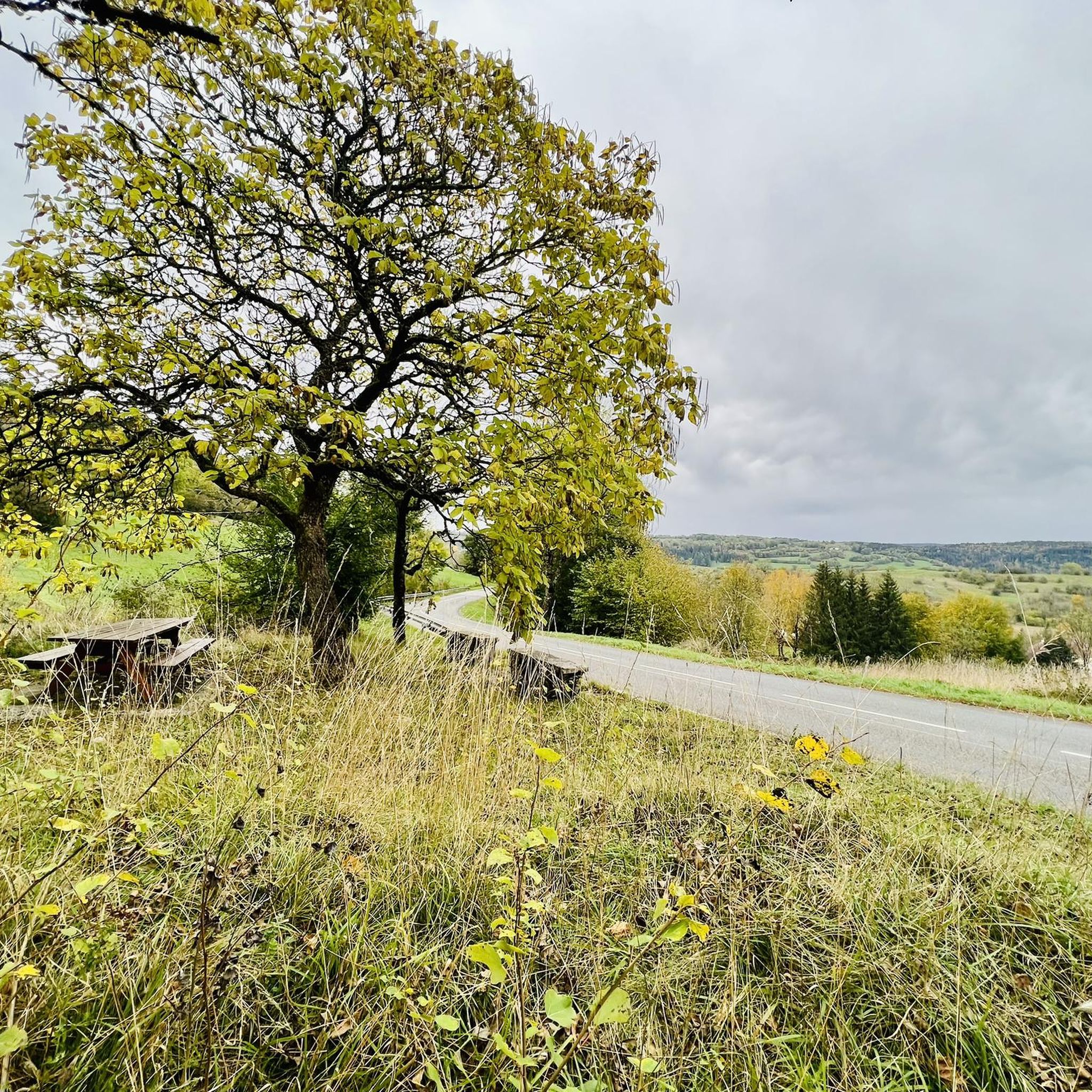
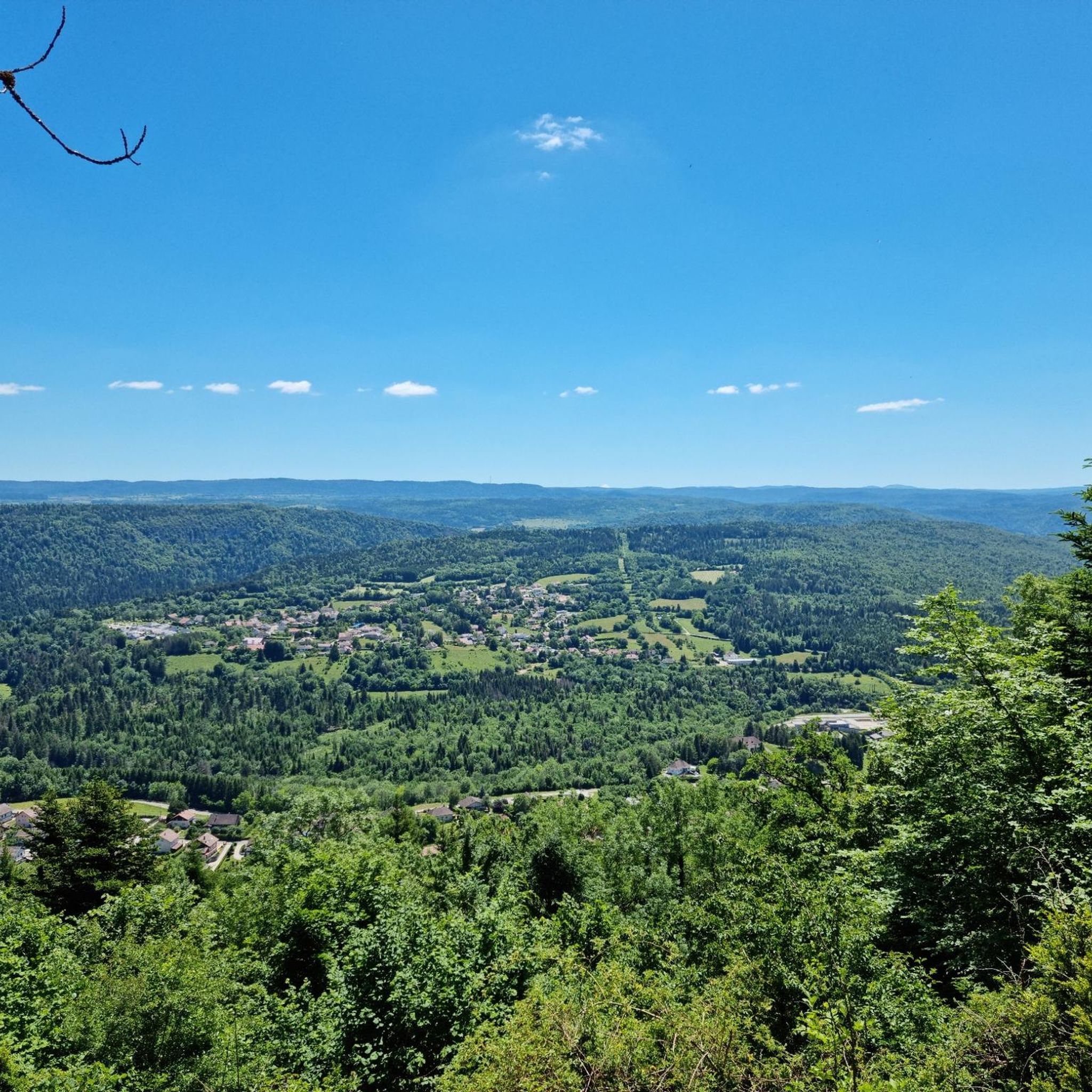
Tips from the Community


A short walk through the footbridges and belvederes that line the Ain after its departure, magnificent scenery
0
0

Several million years ago, the Ain was lost underground, in a labyrinth of cavities, an underground gallery called "losses". Over time, the work of water erosion has done its work, and has nibbled the limestone and destroyed the vault of the underground gallery. It remains today a unique natural site where water makes its way between rocky piles and stone remains.
0
0
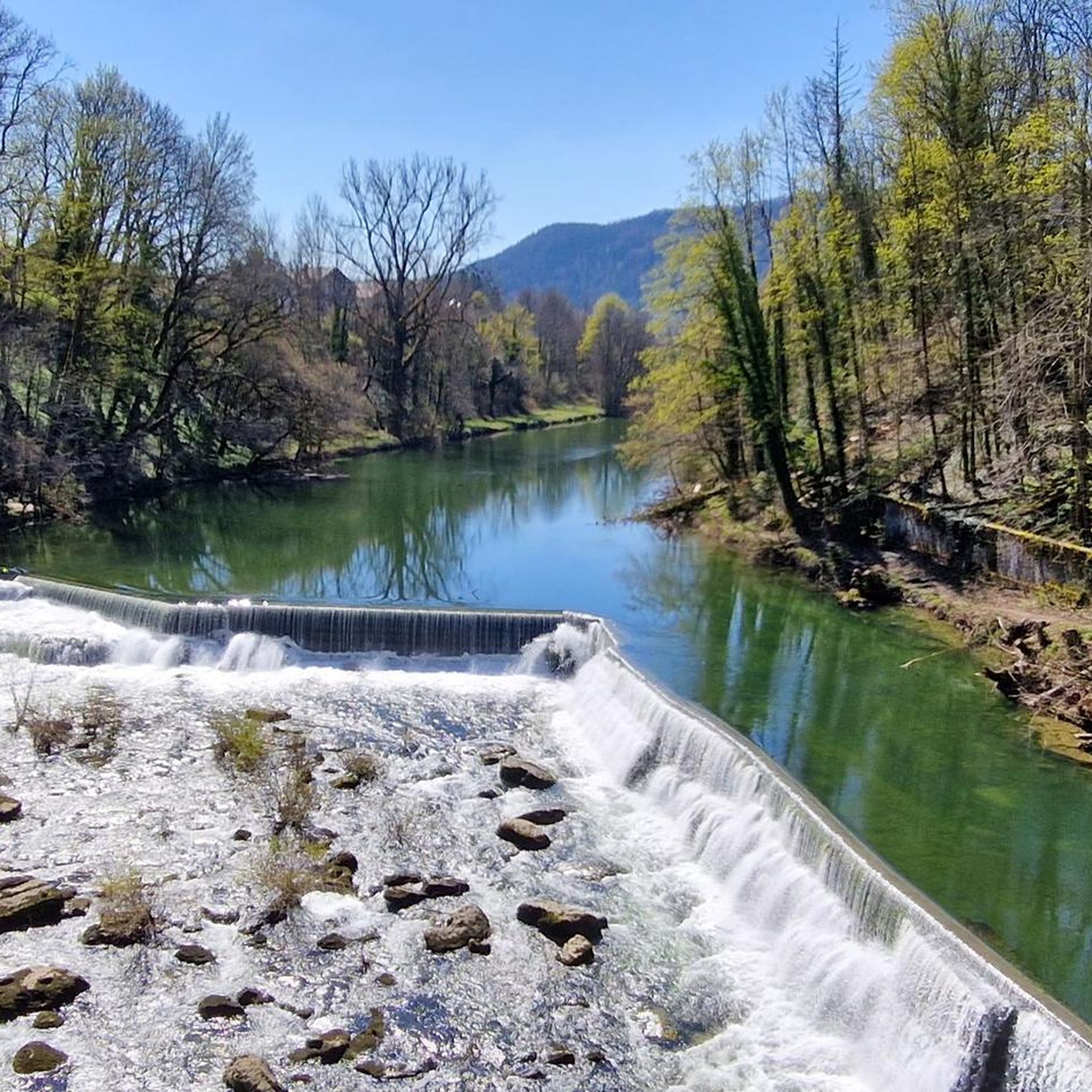
The Serpentine, (first tributary of the Ain river whose source is located a little higher) forms a small lake near the ruins of a mill. It is from a cornice that this beautiful natural waterfall 15 meters high comes to life when the water level is sufficient.
1
0

This city in the Middle Ages was a highly strategic place. For more than 300 years, from the 13th to the 16th century, its inhabitants controlled the commercial exploitation of salt by establishing rights of passage for merchants who went to Switzerland. So you will find in its center many beautiful period houses, irrefutable testimonies of this ancient wealth. The castle of the princes of Oranges was destroyed, and did not stand the test of time.
0
0

Very impressive, about 1 km walk from the parking lot nearby, swimming not possible and not recommended
0
0

Ain Falls
0
0
Frequently Asked Questions
What historical sites can I explore near Équevillon?
The region around Équevillon is rich in history. You can visit the significant Gallo-Roman site on Mont Rivel, which features an ancient oppidum and temple remains. Additionally, the medieval town of Nozeroy offers a glimpse into its past as a strategic salt trade route, with many beautiful historic houses. The Syam Castle and Ironworks, also known as Villa Palatina, provides a unique architectural and industrial heritage experience.
Are there any ancient archaeological sites in the Équevillon area?
Yes, the most notable archaeological site is the Gallo-Roman site on Mont Rivel. Excavations have uncovered Celtic artifacts, including sacrificial instruments, and an oppidum from the Celtic era. Later studies revealed a rectangular temple with Roman coins and figurines, highlighting the area's long history.
What natural attractions are there around Équevillon?
Équevillon is surrounded by impressive natural features. Key attractions include the Pertes de l'Ain, where the Ain River disappears underground, and the Ain Spring, the river's source with footbridges and interpretation panels. You can also find the Moulin du Saut Waterfall, the Cascade de la Billaude, and the dramatic Cascades & Gorges de la Langouette. The famous Hérisson Waterfalls are also within a short distance.
Where can I see waterfalls near Équevillon?
Several beautiful waterfalls are accessible from Équevillon. The Moulin du Saut Waterfall, a 15-meter natural cascade, forms a small lake near old mill ruins. Other notable waterfalls in the vicinity include La Cascade de la Billaude, Cascades & Gorges de la Langouette, and the significant Hérisson Waterfalls.
Can I explore the source of the Ain River?
Absolutely. The Ain Spring is a natural monument where you can witness the impressive beginning of the Ain River. The site is equipped with footbridges and interpretation panels to enhance your visit and understanding of this natural wonder.
What unique river features can I find in the area?
The most unique river feature is the Pertes de l'Ain, where the Ain River dramatically disappears into an underground labyrinth of cavities. Over millions of years, water erosion has carved a path through the limestone, creating a fascinating landscape of rocky piles and stone remains.
Are there opportunities for cycling around Équevillon?
Yes, the region offers various cycling routes. You can explore trails like the 'Railway Bridge over the Ain – Syam Castle and Ironworks loop' or the 'Lac de Chalain – Champagnole loop'. For more options, check out the dedicated cycling guide for the area: Cycling around Équevillon.
What kind of hiking trails are available near Équevillon?
There are numerous hiking and running trails suitable for various skill levels. Options include the 'Mount Rivel – Viewpoint Over the Valley loop' and the 'Pont de l'Épée' trails. For a comprehensive list of routes, refer to the running trails guide: Running Trails around Équevillon.
Can I find mountain biking trails in the Équevillon region?
Yes, mountain biking enthusiasts will find several trails. Popular routes include 'Gardening in Rivel Mountain loop' and 'Ain loss – Syam Forge loop'. Discover more trails in the dedicated guide: MTB Trails around Équevillon.
Are there family-friendly attractions around Équevillon?
Several attractions are suitable for families. The Ain Spring offers an easy-to-navigate site with footbridges and interpretation panels. The medieval town of Nozeroy can also be an engaging visit for families interested in history and charming architecture.
When is the best time to visit the natural attractions around Équevillon?
The natural attractions are generally best visited during spring, summer, and autumn when the weather is mild and water levels are often sufficient to see waterfalls like the Moulin du Saut Waterfall at their most impressive. Winter can also offer unique snowy landscapes, though some paths might be less accessible.
What do visitors particularly enjoy about the natural sites near Équevillon?
Visitors frequently praise the unique natural phenomena, such as the Ain River disappearing at the Pertes de l'Ain, describing it as a 'magnificent scenery'. The Ain Spring is appreciated for its relaxing atmosphere and the impressive volume of water at the river's origin. The Moulin du Saut Waterfall is noted for its beauty when water levels are high.
What is special about the medieval town of Nozeroy?
Nozeroy was a highly strategic location in the Middle Ages, controlling salt trade routes for over 300 years. This history is reflected in its well-preserved center, featuring many beautiful period houses that testify to its ancient wealth. It offers a fascinating glimpse into the region's past.
Can I visit Syam Castle and Ironworks?
Yes, the Syam Castle and Ironworks, also known as Villa Palatina, is open to visitors. While the residence is private, the ground floor rooms and the extensive library on the top floor are accessible. The site is notable for its Italian-inspired architecture and its historical connection to the industrial steel site on the riverbank.
Most popular routes around Équevillon
Most popular attractions around Équevillon

Get inspired with the komoot mobile app


Explore more
Still not found the Highlight you’re looking for? See guides of the top attractions in other regions:
