The best cycling routes around L'Épine
4.5
(2197)
18,142
riders
29
rides
Touring cycling routes around L'Épine, situated on the island of Noirmoutier, are defined by flat terrain and an extensive network of dedicated cycle paths. The region features unique salt marshes, where salt is traditionally harvested, offering a distinct wild landscape. Pine forests and 3 kilometers of coastline with beaches also contribute to the diverse natural environment, making it suitable for year-round exploration.
Best touring cycling routes around L'Épine
- The most popular touring cycling route is Salines on the Île de Noirmoutier – Tilted ship architecture loop from La Guérinière, a 6.8 miles (10.9 km) trail that takes about 38 minutes to complete, passing through the island's salt marshes.
- Another top favourite among local touring cyclists is Noirmoutier Castle – Salines on the Île de Noirmoutier loop from La Guérinière, an easy 8.7 miles (14.0 km) path offering views of coastal areas and salt marsh landscapes.
- Local touring cyclists also love the Noirmoutier Castle – Jacobsen Pier loop from L'Épine, an 11.1 miles (17.9 km) trail leading through coastal areas and past historical sites, often completed in about 1 hour 1 minute.
- Touring cycling around L'Épine is defined by coastal paths, salt marshes, and pine forests. The network offers options for various ability levels, including many easy routes.
- The routes in L'Épine are highly rated by the komoot community with an average score of 4.7 stars from over 200 reviews. More than 2,500 touring cyclists have used komoot to explore L'Épine's varied terrain.
Last updated: October 9, 2026
4.5
(13)
211
riders
Easy bike ride. Great for any fitness level. Mostly paved surfaces. Suitable for all skill levels.
4.4
(25)
165
riders
20.7km
01:11
30m
30m
Easy bike ride. Great for any fitness level. Mostly paved surfaces. Suitable for all skill levels.

4.4
(21)
117
riders
Easy bike ride. Great for any fitness level. Mostly paved surfaces. Suitable for all skill levels.
4.2
(10)
122
riders
15.6km
00:53
20m
20m
Easy bike ride. Great for any fitness level. Mostly paved surfaces. Suitable for all skill levels.
4.6
(8)
115
riders
Easy bike ride. Great for any fitness level. Mostly paved surfaces. Suitable for all skill levels.
Get access to more routes and recommendations from other explorers.
Already have an account?
Our route recommendations are based on thousands of hikes, rides, and runs completed by other people on komoot.
Start today with a free account
Your next adventure awaits.

Tips from the Community


The Château de Noirmoutier is a castle on the Île de Noirmoutier in the Vendée département of France. It dominates the town of Noirmoutier-en-l'Île with its almost 20-metre-high (66 ft) keep. The castle is very well preserved and a fine example of 12th-century medieval architecture. The first traces of the castle appeared in 830 with the construction of a castrum by the abbot Hilbold, from the monastery of Saint-Philbert. It served to defend the monks and the island's population from the Vikings. The castle was rebuilt in stone in the 12th century by the feudal power who was trying to stabilise the region, notably by preventing Norman pillaging. The island at that time was under the control of the barons of La Garnache. The keep was built by Pierre IV of La Garnache, then an enclosure equipped with towers was built around the lower courtyard. In the 16th century, the castle was held by the La Trémoille family, then viscounts of Thouars. The castle resisted numerous attacks: the English in 1342 and 1360, and again in 1386 under the command of the Earl of Arundel the Spanish in 1524 and 1588 but in 1674, it was taken by the Dutch troops of Admiral Cornelis Tromp. The castle was sold in 1720 to Louis IV Henri de Bourbon-Condé, who resold it in 1767 to Louis XV. During the French Revolution, the castle was used as a military prison. During the 19th century, it was used as a barracks. In 1871, during the Paris Commune, insurgents were imprisoned there. The castle was used to intern German nationals during the First World War. In 1690, a house was built within the castle grounds by the governor of the island and the castle. Today, the keep houses the Noirmoutier Museum. The keep at the centre of the castle is solid and rectangular. Built of rubble, it has three floors, with the lords' residence at the top. The keep has numerous murder holes and defensive turrets at the corners. The rectangular fortification consists of two towers, a single gate and two watch turrets in the four corners. At the beginning of the 18th century, the towers were reconstructed and the keep adapted for artillery. Property of the commune, the Château de Noirmoutier is listed as a monument historique by the French Ministry of Culture. https://en.wikipedia.org/wiki/Ch%C3%A2teau_de_Noirmoutier
0
0

Beautiful beach and good restaurant.
0
0

Superb beach with a magnificent pier 😉 unfortunately the place is incredibly crowded in high season 😓 I recommend going around Easter or All Saints' Day
0
0

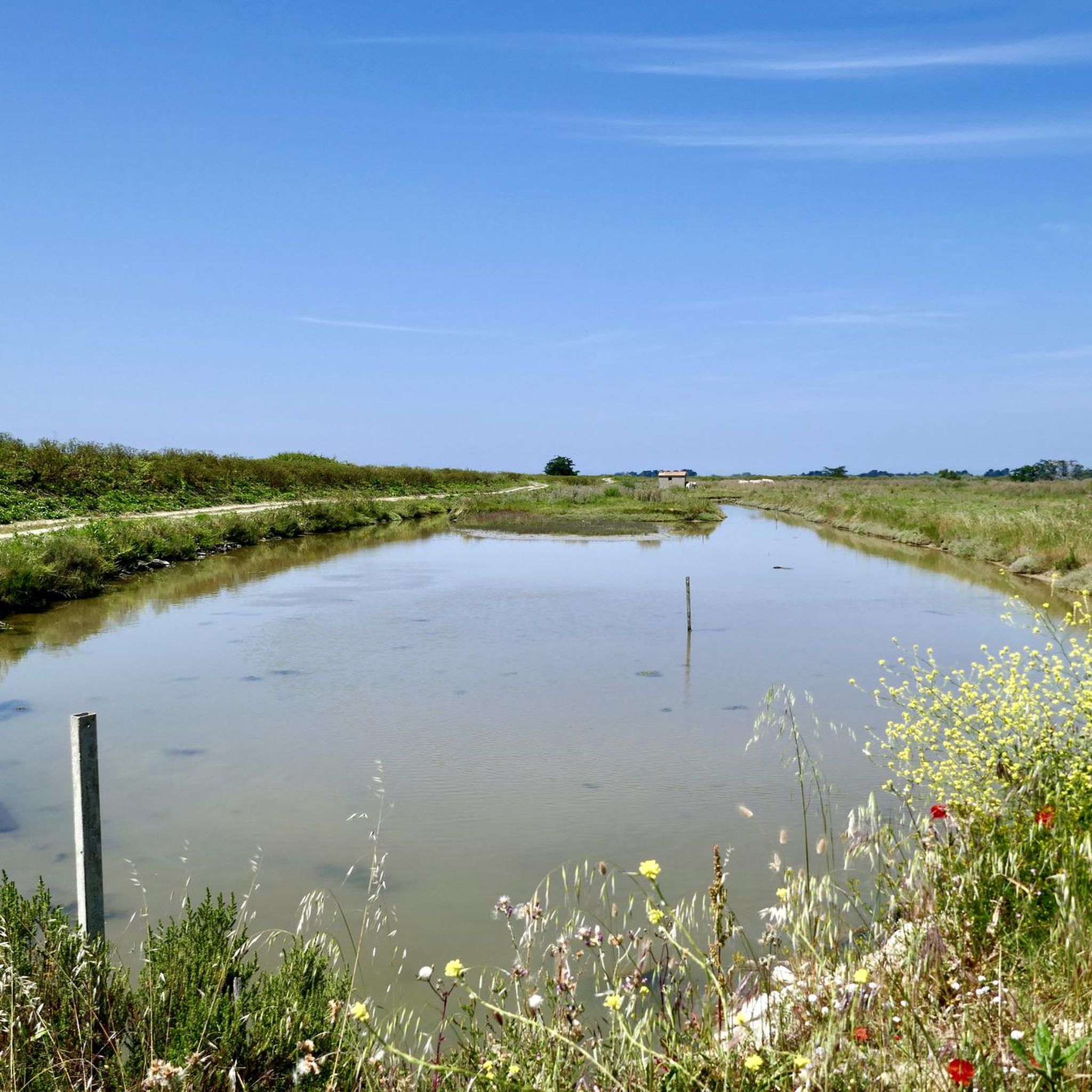
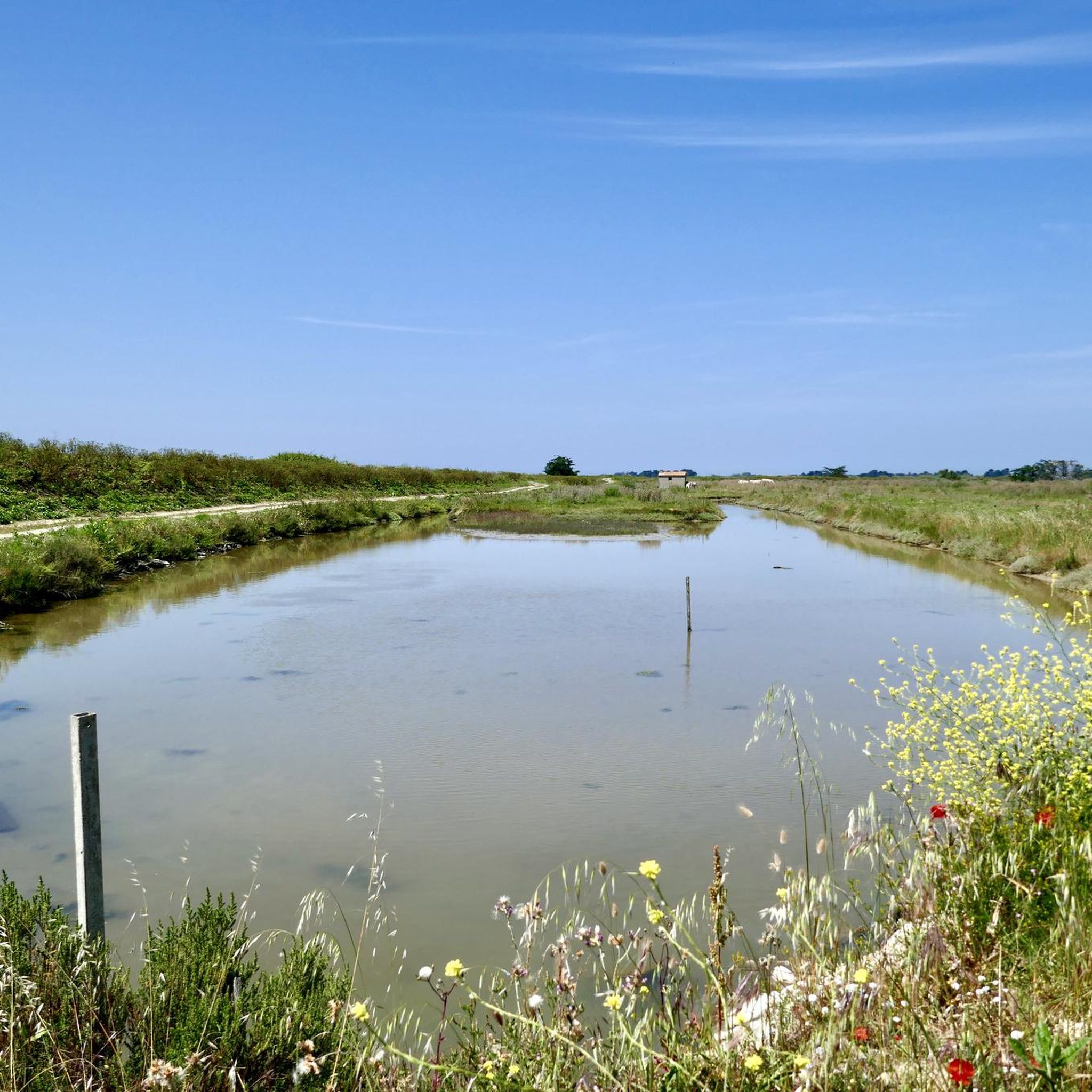
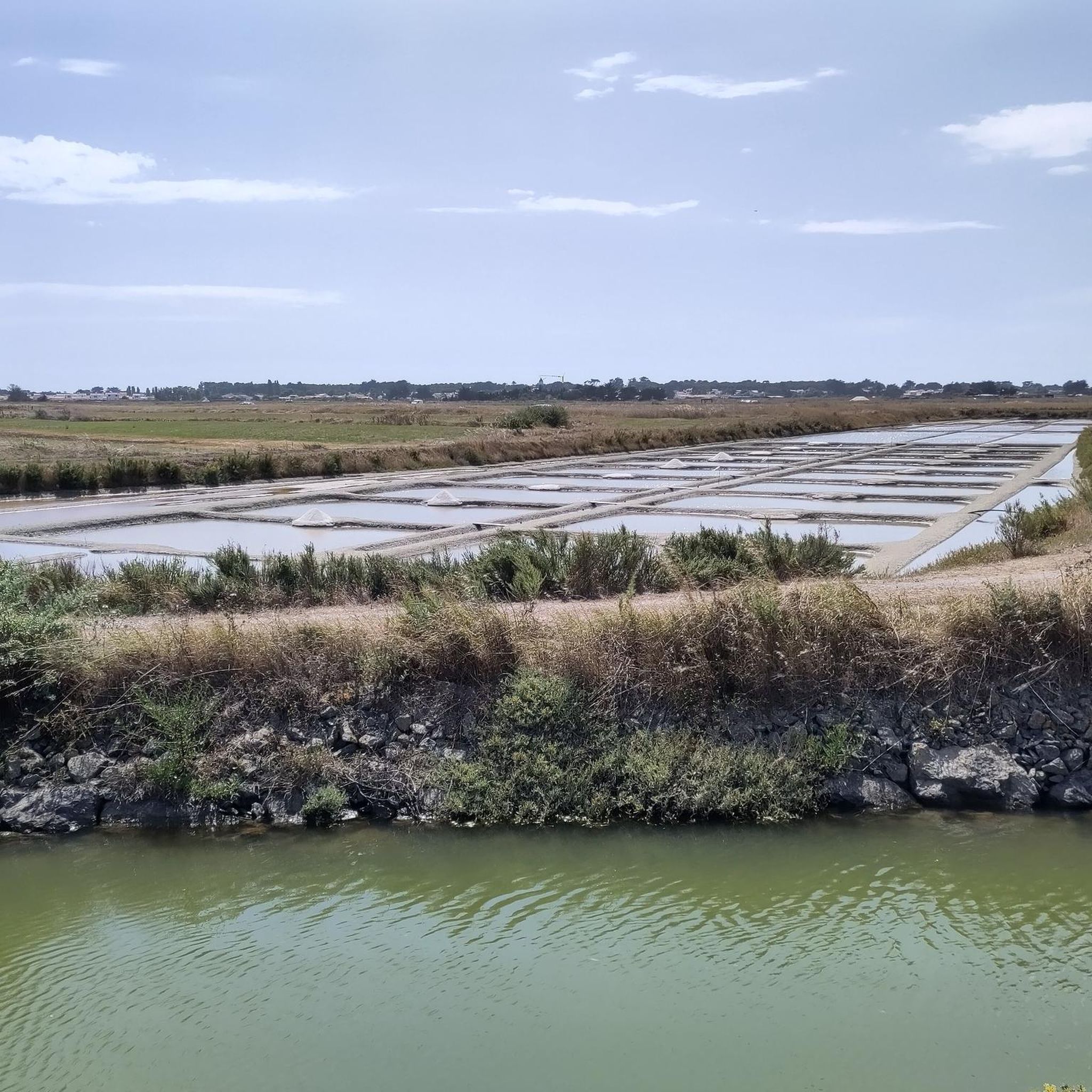
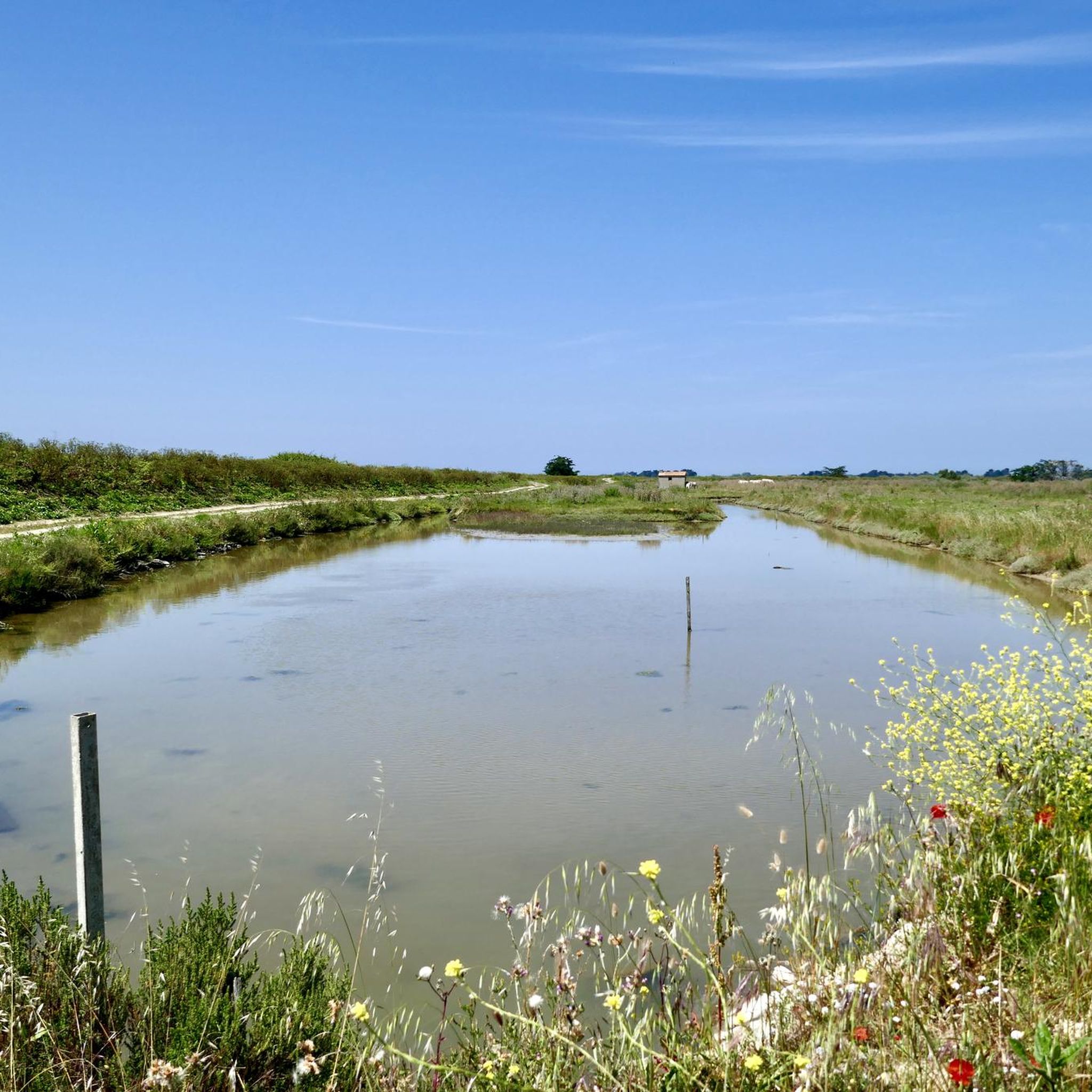
Beautiful line straight to the side which runs along the salt tides :)
0
0

a spectacle not to be missed when it's the season, an incredible metamorphosis of nature
0
0
a must-see during a walk
0
0

Frequently Asked Questions
How many touring cycling routes are available in L'Épine?
There are over 25 touring cycling routes around L'Épine, offering a variety of options for exploration. The region is well-known for its extensive network of dedicated cycle paths, making it a prime destination for touring cyclists.
Are there easy touring cycling routes suitable for beginners or families?
Yes, L'Épine is particularly well-suited for beginners and families due to its flat terrain and numerous easy routes. Out of the available routes, 24 are classified as easy, such as the L'Épine Mill – Tilted ship architecture loop from L'Épine, which is just over 8 km long.
What kind of landscapes can I expect to see while cycling around L'Épine?
Cycling around L'Épine offers diverse scenery. You'll encounter unique salt marshes where salt is traditionally harvested, picturesque pine forests like the Bois des Eloux, and beautiful coastal areas with beaches. Many routes, such as the Salines on the Île de Noirmoutier – Tilted ship architecture loop from La Guérinière, wind through these distinct landscapes.
Are there any circular touring cycling routes in L'Épine?
Yes, many of the touring cycling routes in L'Épine are designed as loops, allowing you to start and end at the same point. Examples include the Noirmoutier Castle – Salines on the Île de Noirmoutier loop from La Guérinière and the Noirmoutier Castle – Jacobsen Pier loop from L'Épine, which offer varied scenery and historical sites.
What are some notable attractions or landmarks I can visit along the cycling routes?
Along the cycling routes, you can explore several interesting sites. You might pass by the historic Noirmoutier Castle, the traditional Salines on the Île de Noirmoutier, or the scenic Plage des Dames. The famous Passage du Gois, a submersible road, is also a unique landmark in the area.
Is L'Épine suitable for cycling with children?
Absolutely. L'Épine and the wider Noirmoutier island are very family-friendly for cycling. The terrain is predominantly flat, and there's an extensive network of dedicated cycle paths, often separate from car traffic, ensuring a safe and enjoyable experience for all ages. Many routes are easy and relatively short, perfect for younger riders.
What is the best time of year to go touring cycling in L'Épine?
L'Épine benefits from a mild climate, making it suitable for year-round exploration. However, the spring and autumn months offer particularly pleasant temperatures for cycling, with fewer crowds than the peak summer season. The salt marshes are especially active during the summer months for salt harvesting, which can be an interesting sight.
Where can I find parking or access points for the cycling trails?
Given the popularity of cycling on Noirmoutier island, many towns and villages, including L'Épine, offer designated parking areas close to the main cycle path network. Port Morin, for example, is a bustling marina that serves as a good starting point with amenities.
Are there places to stop for refreshments or food along the routes?
Yes, the island of Noirmoutier is well-equipped with amenities. Along many cycling routes, especially those passing through villages or coastal areas like Port Morin, you'll find cafes, restaurants, and shops where you can stop for refreshments, ice cream, or a meal.
What do other touring cyclists say about the routes in L'Épine?
The touring cycling routes in L'Épine are highly regarded by the komoot community, with an average rating of 4.7 stars from over 200 reviews. More than 2,500 touring cyclists have explored the area using komoot, often praising the well-maintained paths, the unique salt marsh scenery, and the overall accessibility for all skill levels.
How long do the touring cycling routes typically take to complete?
The duration of touring cycling routes in L'Épine varies depending on the distance and your pace. Many easy routes, such as the Guérinière Windmills loop from L'Épine (about 10 km), can be completed in under an hour. Longer routes, like the 17.9 km Noirmoutier Castle – Jacobsen Pier loop from L'Épine, typically take around 1 hour and 1 minute.
Are there dedicated cycle paths in L'Épine and on Noirmoutier island?
Yes, L'Épine and the entire Noirmoutier island boast an impressive cycling network, including over 100 kilometers of dedicated cycle paths, often referred to as "Voie Verte." These paths are typically separate from automobile traffic and feature good quality, mostly paved surfaces, ensuring a safe and pleasant cycling experience.
Can I rent a bicycle in L'Épine or nearby?
Yes, bicycle rental services are readily available in L'Épine and other towns on Noirmoutier island. This makes it convenient for visitors who don't bring their own bikes to explore the extensive network of cycle paths.
Most popular attractions around L'Épine

Get inspired with the komoot mobile app


Explore more
Browse the best Cycling routes in other regions.
