The best cycling routes around Saint-Jean-De-Monts
4.4
(547)
4,114
riders
96
rides
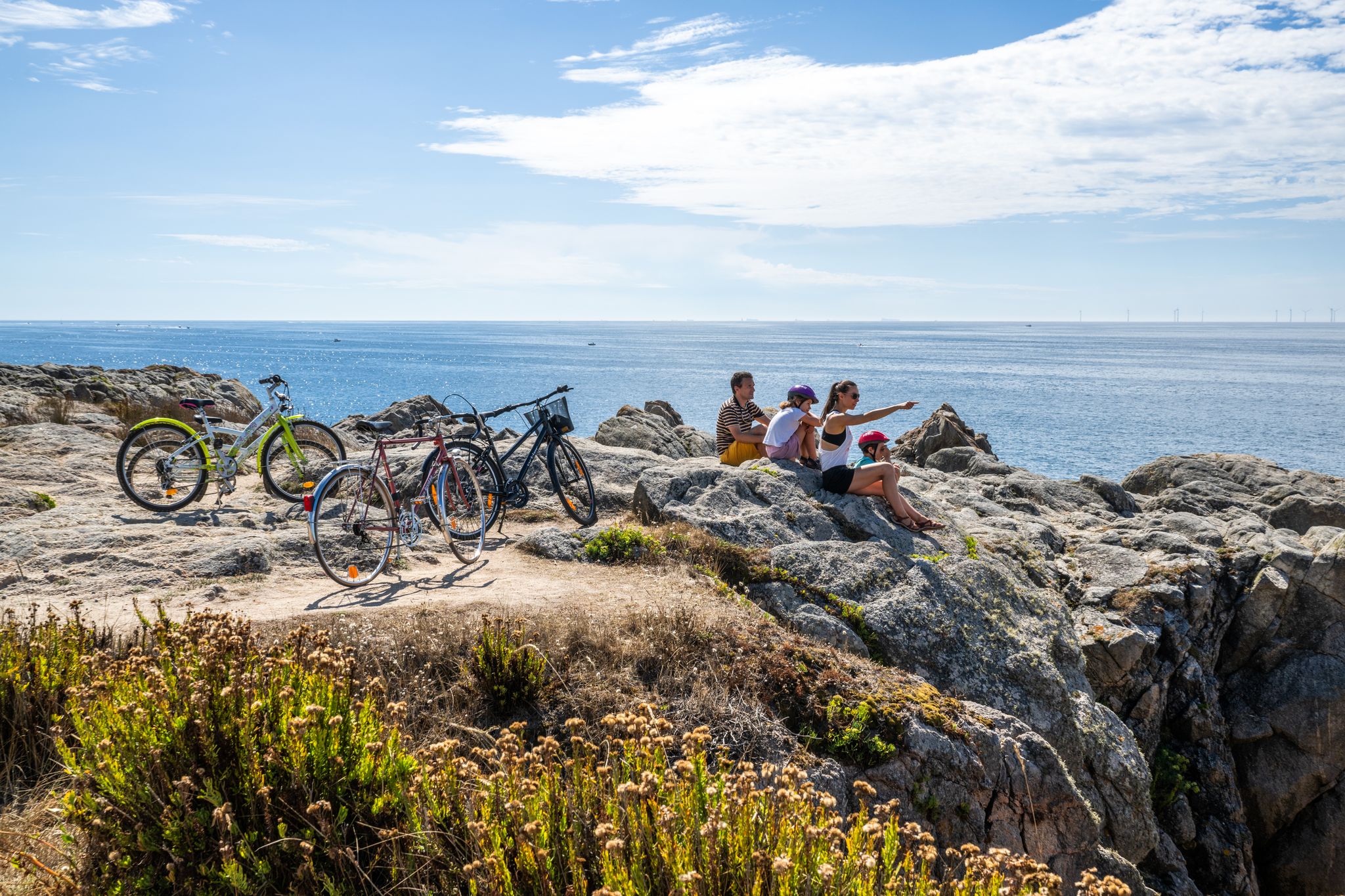
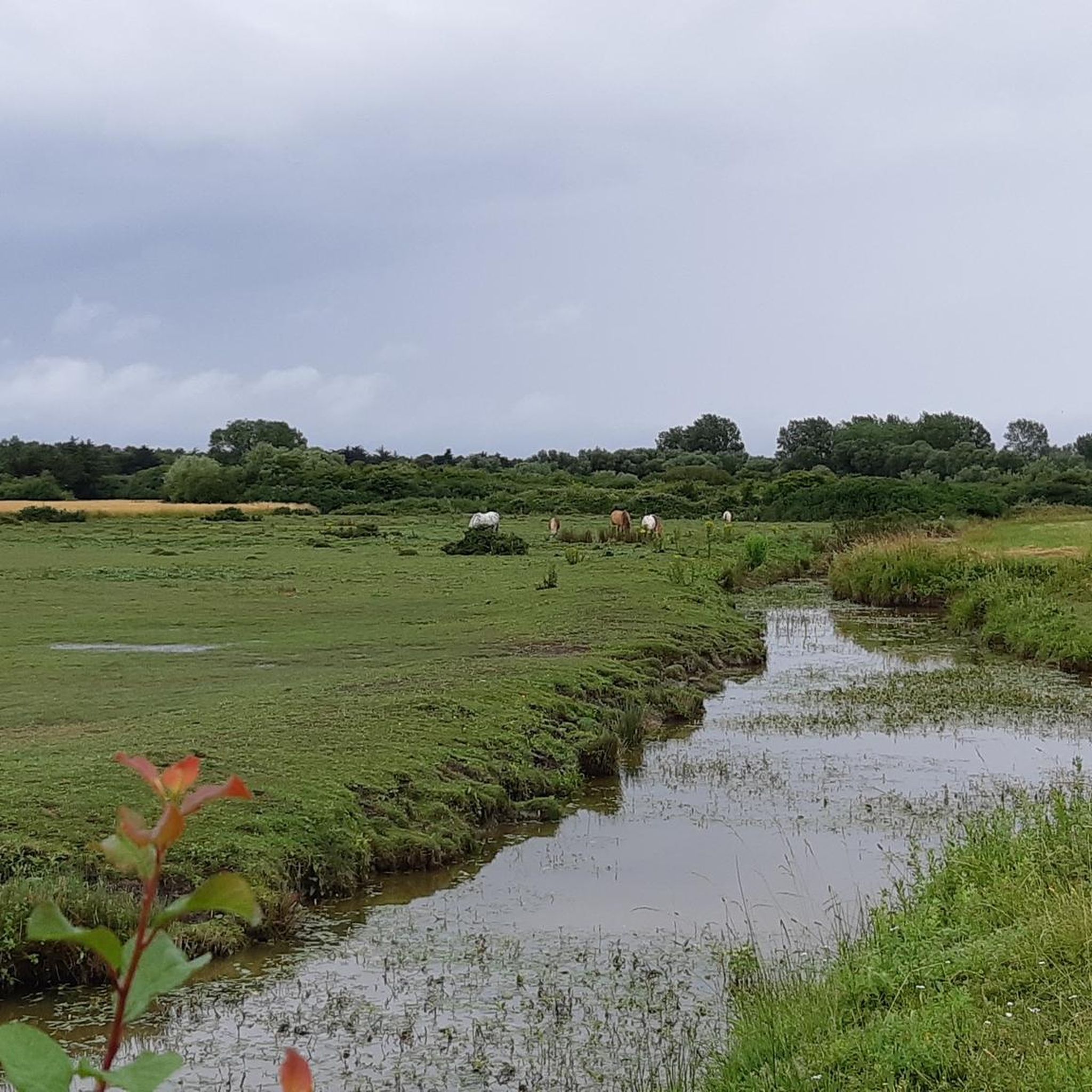
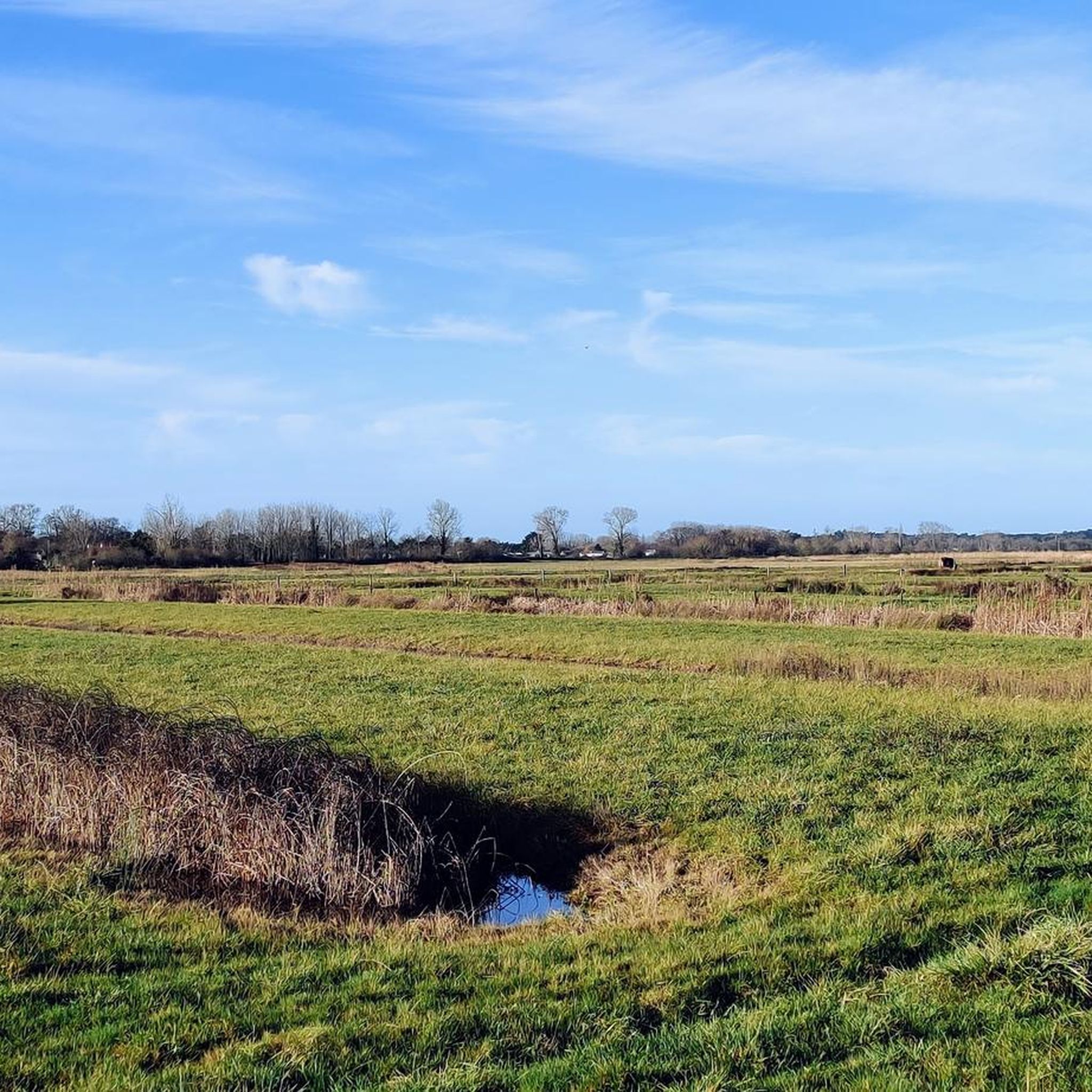
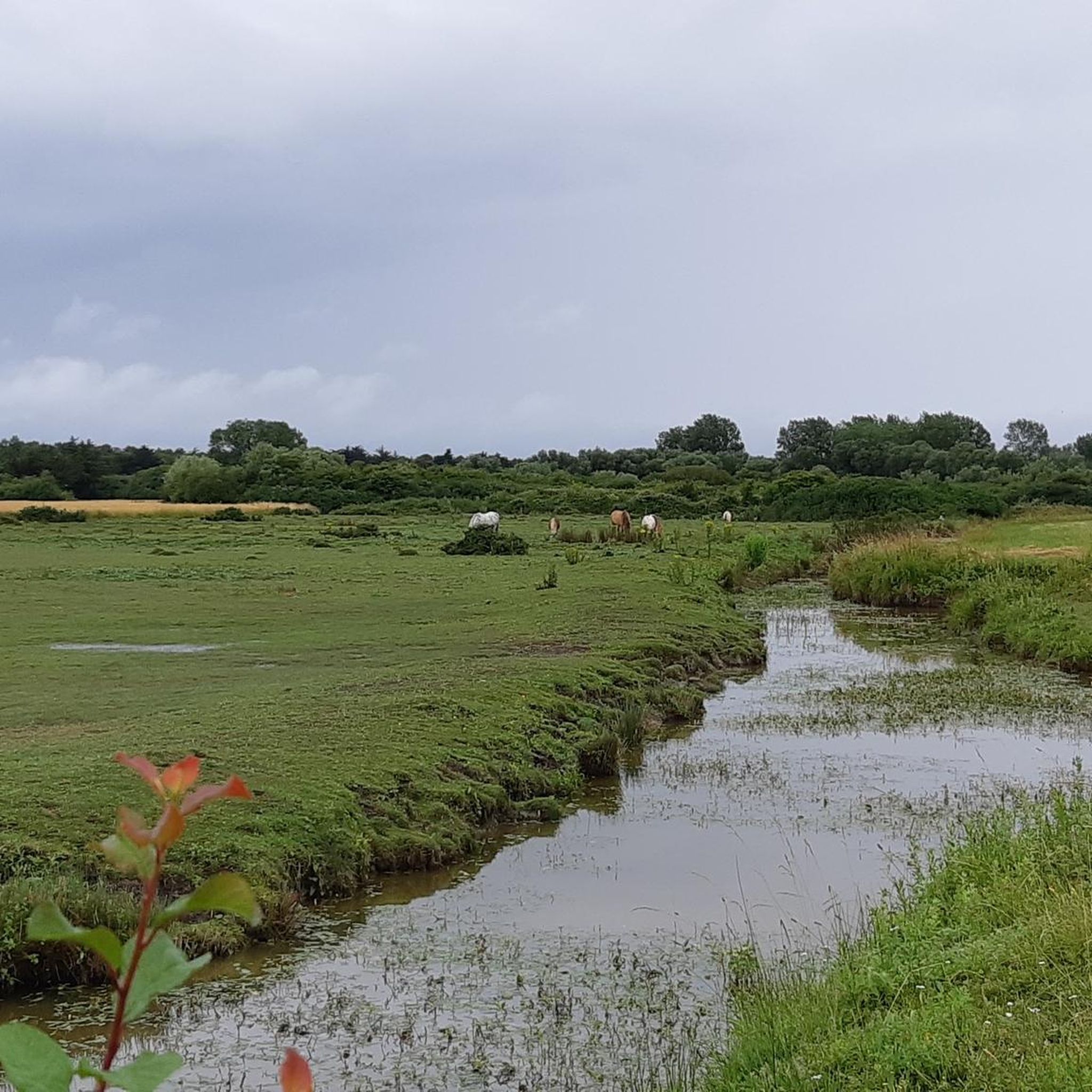
Touring cycling routes around Saint-Jean-De-Monts feature an extensive network of cycle paths, many of which are dedicated to bikes or follow quiet roads. The terrain is generally flat, characterized by the Pays de Monts national forest, a long sandy coastline with dunes, and the tranquil Marais Breton Vendéen marshlands. The region is recognized as "Accueil Vélo," indicating its commitment to supporting cyclists with amenities.
Best touring cycling routes around Saint-Jean-De-Monts
- The most popular touring cycling route is Shellfish and pine cones loop in Saint-Jean-de-Monts, a 10.6 miles (17.1 km) trail that takes 1 hour 2 minutes to complete. This easy route winds through the Pays de Monts national forest and offers views towards the sea.
- Another top favourite among local touring cyclists is Noirmoutier Bridge – Saint-Jean-de-Monts loop from Saint-Jean-de-Monts, a moderate 26.2 miles (42.2 km) path. This route leads towards Noirmoutier Island, providing coastal views and a diverse landscape.
- Local touring cyclists also love the Pey de la Blet Viewpoint – Noirmoutier Bridge loop from Saint-Jean-de-Monts, a 26.7 miles (42.9 km) trail leading through coastal areas to the Pey de la Blet lookout, often completed in about 2 hours 41 minutes.
- Touring cycling around Saint-Jean-De-Monts is defined by coastal paths, pine forests, and marshlands. The network offers options for different ability levels, from easy family rides to more challenging excursions.
- The routes in Saint-Jean-De-Monts are highly rated by the komoot community with an average score of 4.3 stars from over 500 reviews. More than 4000 touring cyclists have used komoot to explore Saint-Jean-De-Monts's varied terrain.
Last updated: October 14, 2026
4.6
(77)
298
riders
17.1km
01:03
30m
30m
Easy bike ride. Great for any fitness level. Mostly paved surfaces. Suitable for all skill levels.
4.7
(103)
727
riders
Moderate bike ride. Good fitness required. Mostly paved surfaces. Suitable for all skill levels.

4.4
(11)
142
riders
10.5km
00:38
30m
30m
Easy bike ride. Great for any fitness level. Mostly paved surfaces. Suitable for all skill levels.
4.3
(10)
91
riders
Moderate bike ride. Good fitness required. Mostly paved surfaces. Suitable for all skill levels.
4.7
(84)
610
riders
Moderate bike ride. Good fitness required. Mostly paved surfaces. Suitable for all skill levels.
Get access to more routes and recommendations from other explorers.
Already have an account?
Our route recommendations are based on thousands of hikes, rides, and runs completed by other people on komoot.
Start today with a free account
Your next adventure awaits.
Popular around Saint-Jean-De-Monts

Other adventures around Saint-Jean-De-Monts

Tips from the Community

Passage through the forest. Even if there are fewer than south of the Vélodyssée, we still appreciate these sections!
0
0
Trail in the middle of the pine forest... It's so nice!!
0
0
This place has quite a few fishing huts, it's magnificent, I wonder how much they are still used today. I didn't see any activity when I passed by, but there are so many that they must still be in use, right?
0
0

Do yourself a favour and, from the bridge, just look to the right, to the left and out to sea. The view of the coast is a sorry sight. French concrete architecture at its worst.
0
0

Very beautiful view!
0
0

Beautiful trails for trail running without being bothered by crowds, even in high season. The scent of pine trees is very pleasant under a rising sun when you walk the countless forest paths.
1
0

Magnificent course, very appealing and very pleasant
0
0

Something different from water
0
0
Frequently Asked Questions
How many touring cycling routes are available in Saint-Jean-De-Monts?
Saint-Jean-De-Monts offers a wide selection of touring cycling routes, with over 90 options available. The region is known for its extensive network of cycle paths, including 170 km locally and an impressive 1,800 km across the wider Vendée department.
Are there easy touring cycling routes suitable for families or beginners?
Yes, Saint-Jean-De-Monts is very welcoming for families and beginners. A significant majority of the routes, 66 out of 90, are rated as easy. These trails are generally flat and accessible. A great option is the Shellfish and pine cones loop in Saint-Jean-de-Monts, an easy 17.1 km ride through the Pays de Monts national forest.
What kind of landscapes can I expect to see while cycling in Saint-Jean-De-Monts?
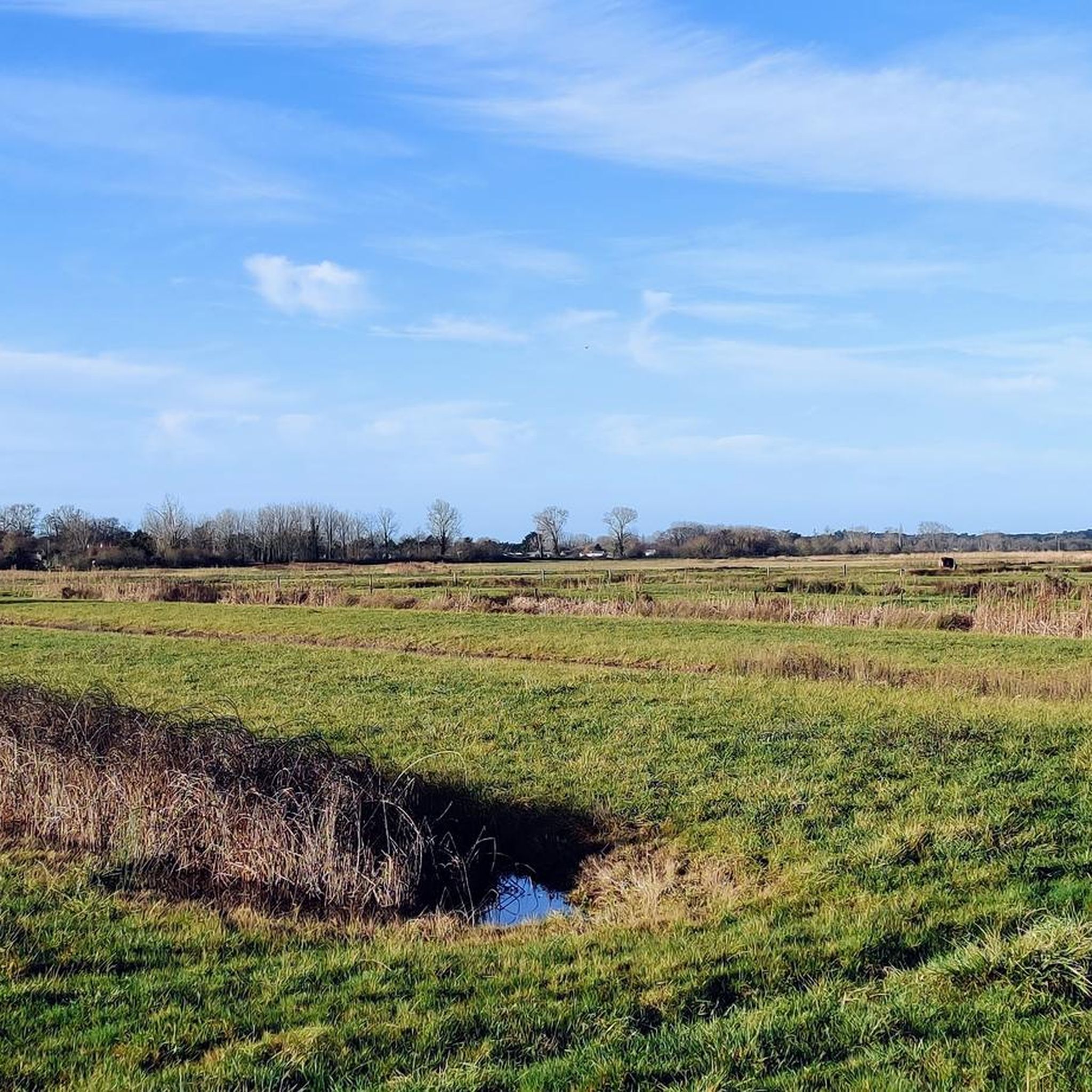
The touring cycling routes in Saint-Jean-De-Monts offer a diverse range of landscapes. You'll cycle through the fragrant pine trees of the Pays de Monts national forest, along the extensive sandy coastline with its dunes, and explore the tranquil marshlands of the Marais Breton Vendéen. Many routes also provide refreshing sea breezes and coastal views.
Are there any long-distance touring cycling routes in the area?
Yes, Saint-Jean-De-Monts is part of La Vélodyssée, France's longest cycle route, which traverses the Vendée coast for over 210 km. For a substantial local loop, consider the Saint-Jean-de-Monts – Saint-Jean-de-Monts Beach loop from Forêt domaniale des Pays de Monts, which covers nearly 80 km.
What are some notable landmarks or viewpoints along the cycling routes?
Cyclists can enjoy several interesting landmarks and viewpoints. The Grosse Terre lighthouse and the Vendée Coastal Road offer scenic vistas. The Noirmoutier Bridge is a prominent feature, and the Pey de la Blet lookout provides exceptional panoramic coastal views, accessible via routes like the Pey de la Blet Viewpoint – Noirmoutier Bridge loop from Saint-Jean-de-Monts.
What is the best time of year for touring cycling in Saint-Jean-De-Monts?
The region is generally pleasant for cycling throughout the warmer months. Spring and early autumn offer comfortable temperatures and fewer crowds, making them ideal for exploring. The extensive network of paths, including shaded forest routes, provides options even on warmer summer days.
Are there any circular touring cycling routes?
Yes, many of the touring cycling routes in Saint-Jean-De-Monts are designed as loops, allowing you to start and end in the same location. Examples include the Noirmoutier Bridge – Saint-Jean-de-Monts loop from Saint-Jean-de-Monts and the Marsh Circuit, which takes you through the tranquil marshlands near Le Perrier.
What amenities are available for cyclists along the routes?
Saint-Jean-De-Monts is labeled 'Accueil Vélo' (Bike-Friendly), indicating its commitment to welcoming cyclists. Along the routes, you can find amenities such as picnic areas, water points, and tire inflation stations, ensuring a comfortable and convenient journey.
Can I rent a bike in Saint-Jean-De-Monts?
Yes, as an 'Accueil Vélo' destination, Saint-Jean-De-Monts has various establishments offering bike rental services. You'll find options for different types of bikes suitable for touring the local paths and exploring the diverse landscapes.
What do other touring cyclists enjoy most about Saint-Jean-De-Monts?
The area is highly rated by the komoot community, with an average score of 4.3 stars from over 500 reviews. Reviewers often praise the well-maintained, generally flat cycle paths, the beautiful mix of forest and coastal scenery, and the accessibility for all skill levels. The region's commitment to cycling infrastructure is also frequently highlighted.
Are there any challenging touring cycling routes in Saint-Jean-De-Monts?
While the terrain is generally flat, there are routes that offer a more challenging experience, often due to their length or specific sections. For instance, the route to the Pey de la Blet lookout includes a climb for panoramic coastal views. Out of the 90 available routes, one is rated as difficult, and 23 are moderate, providing options for more experienced cyclists.
Are there any unique natural features to explore by bike?
Absolutely. Beyond the extensive beaches like Five Pineaux Beach and Pont d'Yeu Beach, you can explore the wild dunes along the coast and the unique ecosystem of the Marais Breton Vendéen marshlands. The Devil's Hole Natural Rock Arch is another interesting natural monument worth discovering.
Most popular routes around Saint-Jean-De-Monts
Most popular attractions around Saint-Jean-De-Monts

Get inspired with the komoot mobile app


Explore more
Browse the best Cycling routes in other regions.
