The best cycling routes around Chaumot
4.4
(234)
4,054
riders
12
rides
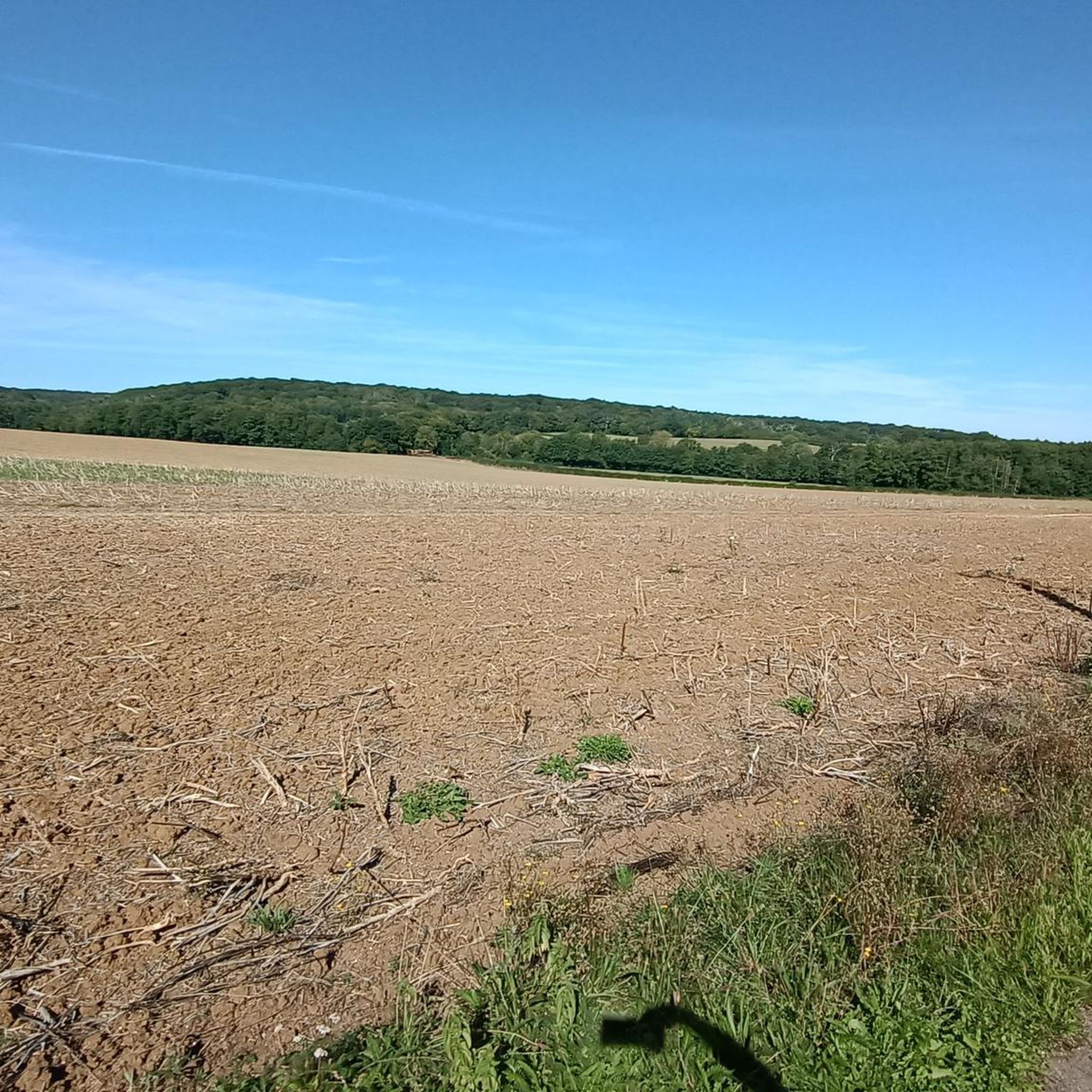
Touring cycling around Chaumot offers routes through the tranquil countryside of the Nièvre department in Burgundy-Franche-Comté. The area is characterized by expansive fields, forests, and moderate elevation changes, providing a varied landscape for cyclists. Nearby attractions like the Morvan Regional Park and historic towns such as Corbigny and Clamecy contribute to the scenic backdrop. The routes often follow quiet country roads, allowing for exploration of the region's natural and historical features.
Best touring cycling routes around Chaumot
- The most popular…
Last updated: October 19, 2026
4.7
(3)
18
riders
Easy bike ride. Great for any fitness level. Mostly paved surfaces. Suitable for all skill levels.
4.3
(3)
7
riders
34.7km
02:14
270m
270m
Moderate bike ride. Good fitness required. Mostly paved surfaces. Suitable for all skill levels.

4.0
(1)
7
riders
31.5km
02:03
380m
380m
Moderate bike ride. Good fitness required. Mostly paved surfaces. Suitable for all skill levels.
4.3
(4)
7
riders
21.0km
01:18
170m
170m
Moderate bike ride. Good fitness required. Mostly paved surfaces. Suitable for all skill levels.
9
riders
Easy bike ride. Great for any fitness level. Mostly paved surfaces. Suitable for all skill levels.
Get access to more routes and recommendations from other explorers.
Already have an account?
Our route recommendations are based on thousands of hikes, rides, and runs completed by other people on komoot.
Start today with a free account
Your next adventure awaits.

Tips from the Community

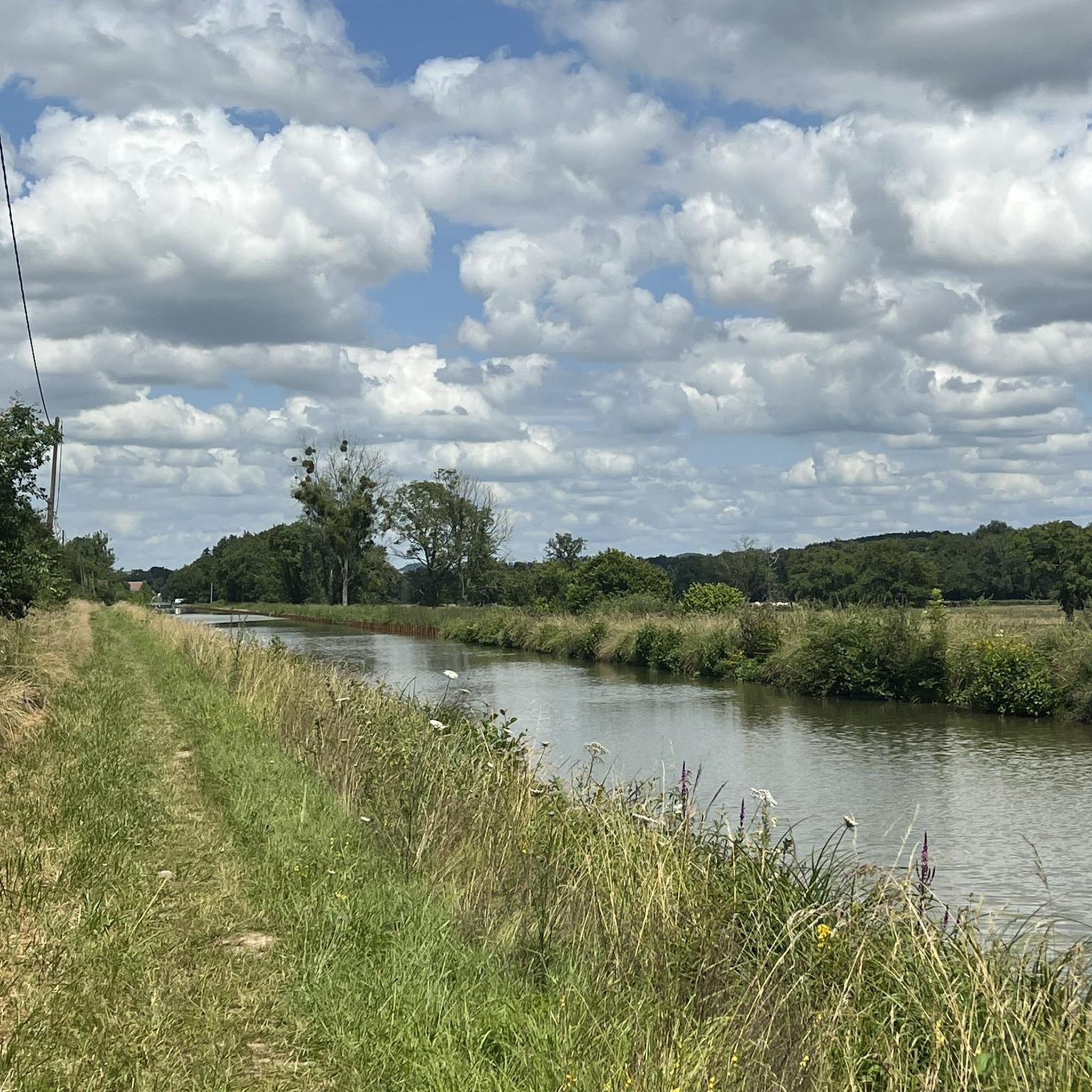
The Canal du Nivernais During the harsh winter of 1782-1783, the Morvan forest was no longer sufficient to supply the capital with wood. Wood had to be transported from other forests, particularly from the Bazois. To solve this problem, the construction of a small channel between the Loire and the Yonne was considered. Work began in 1784 with the boring of "La Montagne" at La Collancelle, and in 1786, the construction of a navigable canal was planned. After 56 years of construction, the three tunnels were completed in 1840, and on March 15, 1841, the Nivernais Canal was officially opened. In the first four decades, the canal saw an increase in traffic, as it served as a means of transport for heavy loads such as stone, wood, and coal. With the decline in demand for wood in the capital and the advent of the railway, the decline of navigation on the canal began. In the 1970s, political will and financial support were needed to promote river tourism, ecotourism, and cycling tourism. To this day, the Canal du Nivernais is one of the busiest canals in France, thanks to its gentle cruising.
0
0
The Nivernais Canal During the cold winter of 1782-1783, the Morvan forest was no longer sufficient to supply the capital with wood. It became necessary to transport wood from other forests, those of Bazois. Work was then considered to build a small channel between the Loire and the Yonne. In 1784, construction began with the drilling of "La Montagne" from La Collancelle, and in 1786, the construction of a navigation canal was planned. In 1840, the construction of the three tunnels was completed, then on March 15, 1841, the official commissioning of the Nivernais Canal took place. In the first 40 years, traffic on the canal increased, and it was also used as a means of transport for heavy loads (especially stone, but also wood and coal). With the decline in demand for wood in the capital and the development of the railway, navigation on the canal began to decline. In the 1970s, political will and funding were needed to develop river tourism, ecotourism, and cycle tourism. To this day, the Canal du Nivernais is one of the busiest canals in France due to its philosophy of gentle roaming.
0
0
The Nivernais Canal During the cold winter of 1782-1783, the Morvan forest was no longer sufficient to supply the capital with wood. It became necessary to transport wood from other forests, those of Bazois. Work was then considered to create a small channel between the Loire and the Yonne. In 1784, construction began with the boring of "La Montagne" in La Collancelle, and in 1786, the construction of a navigation canal was planned. In 1840, the construction of the three tunnels was completed, then on March 15, 1841, the official opening of the Nivernais Canal took place. In the first 40 years, traffic on the canal increased, and it was also used as a means of transport for heavy loads (particularly stone, but also wood and coal). With the decline in demand for wood in the capital and the development of the railway, navigation on the canal began to decline. In the 1970s, political will and funding were needed to develop river tourism, ecotourism, and cycle tourism. To this day, the Canal du Nivernais is one of the most frequented canals in France, thanks to its philosophy of gentle roaming.
0
0

pleasant and shaded
0
0

Delicious food and extremely friendly staff!
4
0

Nice brasserie, good prices and centrally located
3
0
Nice little town, with some shops and restaurants
2
0

in Chaumot, a very pleasant little port and refreshment bar on the canal.
0
0
Frequently Asked Questions
What kind of terrain can I expect on touring cycling routes around Chaumot?
The region around Chaumot offers a varied landscape for touring cyclists. You'll encounter tranquil countryside with expansive fields and forests. The terrain generally features moderate elevation changes, providing a mix of gentle rides and some more challenging climbs. Routes often follow quiet country roads, with some sections potentially including unpaved or dirt paths, offering a diverse cycling experience.
Are there any easy touring cycling routes suitable for beginners or a relaxed ride?
Yes, Chaumot has several easy routes perfect for beginners or those seeking a relaxed ride. An excellent option is the Le Truck Food Truck Le Poteau loop from Chitry-les-Mines, which is 16 km long with minimal elevation gain. Another easy choice is the Chitry‑les‑Mines Castle loop from Chitry-les-Mines, a shorter 8.5 km route.
What are some notable landmarks or attractions I can see while cycling near Chaumot?
The area around Chaumot is rich in historical and natural points of interest. You can cycle past the historic Collancelle Locks, explore the charming Town of Corbigny, or enjoy the serene views around Baye Pond. The Canal de Nivernais Towpath also offers a scenic cycling experience.
Are there any challenging touring cycling routes in the Chaumot area?
While many routes are moderate, some offer more significant elevation gains for a challenging ride. The Town of Corbigny – View of Château de Chitry loop from Chitry-les-Mines, for example, includes over 370 meters of ascent over its 31.3 km distance. Another route, the Collancelle Locks – Collancelle Locks loop from Chitry-les-Mines, features 274 meters of elevation gain over 34.3 km.
What do other touring cyclists say about the routes around Chaumot?
The touring cycling routes around Chaumot are highly regarded by the komoot community, with an average rating of 4.4 stars from over 70 reviews. More than 3,000 touring cyclists have explored the area using komoot, often praising the quiet country roads, varied terrain, and the opportunity to connect with nearby villages and historical sites.
Can I find circular touring cycling routes in this region?
Yes, many of the touring cycling routes around Chaumot are designed as loops, allowing you to start and finish at the same point. Examples include the Le Truck Food Truck Le Poteau loop from Chitry-les-Mines and the In central Corbigny – View of Château de Chitry loop from Chitry-les-Mines, which are both popular circular options.
What is the best time of year to go touring cycling in Chaumot?
The region's semi-rural landscape, characterized by fields and forests, is generally pleasant for cycling from spring through early autumn. These seasons offer milder temperatures and vibrant scenery. While specific weather patterns vary, avoiding the peak heat of summer or the colder, potentially wetter winter months will likely provide the most comfortable touring experience.
Are there options for family-friendly touring cycling routes near Chaumot?
For families, the easier, shorter routes with less elevation are ideal. The Le Truck Food Truck Le Poteau loop from Chitry-les-Mines is a good example of a gentle, 16 km ride that could be suitable for families. Routes along the Canal de Nivernais Towpath also tend to be flatter and more accessible.
How many touring cycling routes are available around Chaumot?
There are over a dozen touring cycling routes available around Chaumot, offering a range of distances and difficulties. This includes 8 easy routes, 7 moderate routes, and 1 difficult route, ensuring options for various skill levels and preferences.
Are there any cafes or places to stop for refreshments along the cycling routes?
While Chaumot itself is a quiet base, the surrounding towns and villages, such as Corbigny, offer amenities like cafes and places to stop for refreshments. Planning your route to pass through these larger settlements will ensure opportunities for breaks and supplies.
What are the typical surfaces I'll encounter on touring cycling routes in the Chaumot area?
You can expect a mix of surfaces on the touring cycling routes. Many sections will be on quiet paved country roads. However, some routes may also include unpaved sections, dirt paths, or even cobbled areas, especially when passing through older villages or rural tracks. This variety adds to the adventure but means a touring bike capable of handling different surfaces is recommended.
Is public transport available to access the cycling routes around Chaumot?
Information on direct public transport links specifically for accessing cycling routes in Chaumot is limited. Given Chaumot's location in a tranquil, semi-rural area, it's generally advisable to plan for personal transport or to start your rides directly from your accommodation in or near Chaumot. Nearby towns like Corbigny may offer more public transport options, which could serve as starting points.
Most popular attractions around Chaumot

Get inspired with the komoot mobile app


Explore more
Browse the best Cycling routes in other regions.
