The best cycling routes around Cervon
4.5
(309)
2,192
riders
134
rides
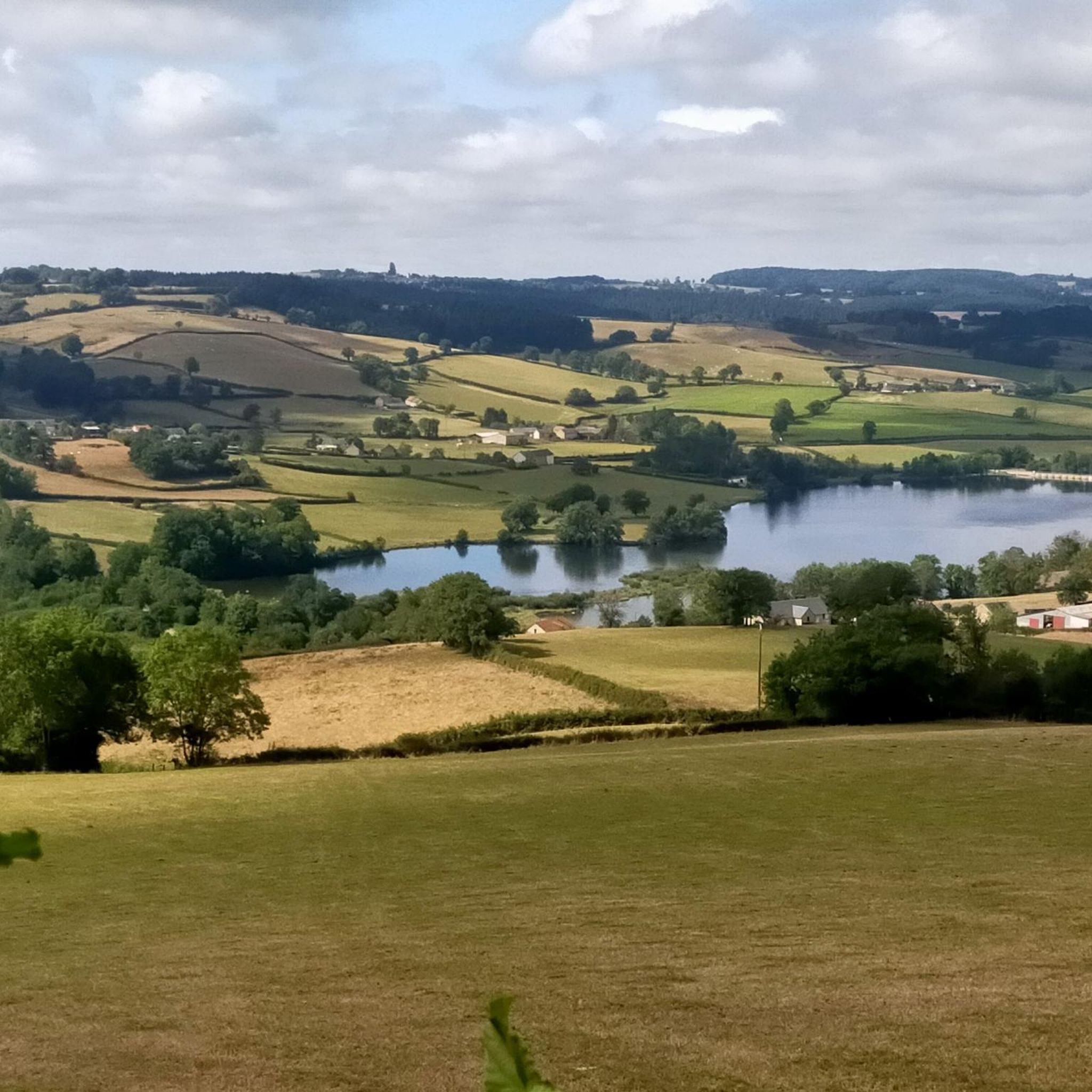
Touring cycling around Cervon, located within the Morvan Regional Natural Park, offers diverse landscapes for cyclists. The region features rolling mountains with manageable climbs, extensive forests, and tranquil countryside roads. Numerous lakes, such as Lac des Settons and Lac de Pannecière, provide picturesque backdrops for routes. The terrain varies, including paved surfaces, earthen paths, and forest tracks.
Best touring cycling routes around Cervon
- The most popular touring cycling route is From Corbigny to Lormes via the étang du Goulot —…
Last updated: June 22, 2026
4.5
(4)
8
riders
37.3km
02:30
470m
470m
Hard bike ride. Very good fitness required. Mostly paved surfaces. Suitable for all skill levels.
413
riders
Easy bike ride. Great for any fitness level. Mostly paved surfaces. Suitable for all skill levels.

Sign up for free
4.3
(7)
57
riders
30.0km
01:46
150m
150m
Easy bike ride. Great for any fitness level. Mostly paved surfaces. Suitable for all skill levels.
4.8
(22)
144
riders
31.5km
01:51
190m
190m
Moderate bike ride. Good fitness required. Mostly paved surfaces. Suitable for all skill levels.
4.8
(13)
73
riders
96.3km
05:34
340m
340m
Hard bike ride. Very good fitness required. Mostly paved surfaces. Suitable for all skill levels.
Get access to more routes and recommendations from other explorers.
Sign up for free
Already have an account?
Our route recommendations are based on thousands of hikes, rides, and runs completed by other people on komoot.
Start today with a free account
Your next adventure awaits.
Login or Signup

Tips from the Community

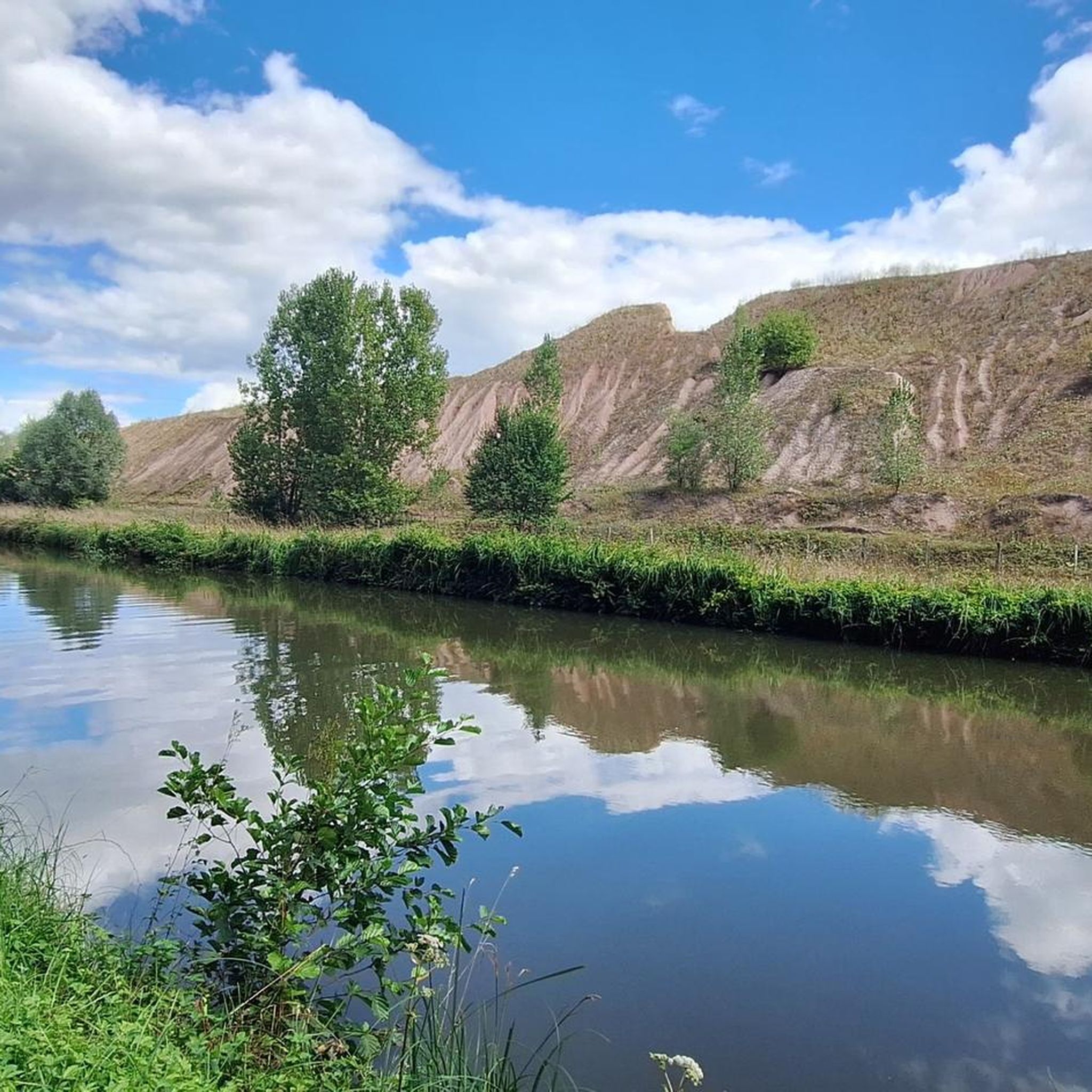
The Canal du Nivernais During the harsh winter of 1782-1783, the Morvan forest was no longer sufficient to supply the capital with wood. Wood had to be transported from other forests, particularly from the Bazois. To solve this problem, the construction of a small channel between the Loire and the Yonne was considered. Work began in 1784 with the boring of "La Montagne" at La Collancelle, and in 1786, the construction of a navigable canal was planned. After 56 years of construction, the three tunnels were completed in 1840, and on March 15, 1841, the Nivernais Canal was officially opened. In the first four decades, the canal saw an increase in traffic, as it served as a means of transport for heavy loads such as stone, wood, and coal. With the decline in demand for wood in the capital and the advent of the railway, the decline of navigation on the canal began. In the 1970s, political will and financial support were needed to promote river tourism, ecotourism, and cycling tourism. To this day, the Canal du Nivernais is one of the busiest canals in France, thanks to its gentle cruising.
0
0
The Nivernais Canal During the cold winter of 1782-1783, the Morvan forest was no longer sufficient to supply the capital with wood. It became necessary to transport wood from other forests, those of Bazois. Work was then considered to build a small channel between the Loire and the Yonne. In 1784, construction began with the drilling of "La Montagne" from La Collancelle, and in 1786, the construction of a navigation canal was planned. In 1840, the construction of the three tunnels was completed, then on March 15, 1841, the official commissioning of the Nivernais Canal took place. In the first 40 years, traffic on the canal increased, and it was also used as a means of transport for heavy loads (especially stone, but also wood and coal). With the decline in demand for wood in the capital and the development of the railway, navigation on the canal began to decline. In the 1970s, political will and funding were needed to develop river tourism, ecotourism, and cycle tourism. To this day, the Canal du Nivernais is one of the busiest canals in France due to its philosophy of gentle roaming.
0
0
The Nivernais Canal During the cold winter of 1782-1783, the Morvan forest was no longer sufficient to supply the capital with wood. It became necessary to transport wood from other forests, those of Bazois. Work was then considered to create a small channel between the Loire and the Yonne. In 1784, construction began with the boring of "La Montagne" in La Collancelle, and in 1786, the construction of a navigation canal was planned. In 1840, the construction of the three tunnels was completed, then on March 15, 1841, the official opening of the Nivernais Canal took place. In the first 40 years, traffic on the canal increased, and it was also used as a means of transport for heavy loads (particularly stone, but also wood and coal). With the decline in demand for wood in the capital and the development of the railway, navigation on the canal began to decline. In the 1970s, political will and funding were needed to develop river tourism, ecotourism, and cycle tourism. To this day, the Canal du Nivernais is one of the most frequented canals in France, thanks to its philosophy of gentle roaming.
0
0

There are no two alike! Plus, it's excellent with quality local products Yep & Pèt' https://maps.app.goo.gl/d31KRAa95boizLW16
0
0


pleasant and shaded
0
0
Very friendly owners. Nice place for a bite and a drink. Name is " Yep and Pet "
1
0
Frequently Asked Questions
How many touring cycling routes are available around Cervon?
There are over 130 touring cycling routes around Cervon, offering a wide range of options for different skill levels and preferences. These routes navigate the diverse landscapes of the Morvan Regional Natural Park.
What kind of terrain can I expect on touring cycling routes near Cervon?
The Morvan region features rolling mountains with manageable climbs, extensive forests, and tranquil countryside roads. You'll encounter varied terrains, including paved surfaces, earthen paths, and forest tracks, making it suitable for different cycling styles, including gravel biking.
Are there any easy touring cycling routes suitable for beginners or families?
Yes, Cervon offers 23 easy touring cycling routes. A great option for a relaxed ride is the View of Château de Chitry – Chitry‑les‑Mines Castle loop from Sardy-lès-Épiry, which is 33.4 km long and offers scenic views of the historic Château de Chitry.
What natural features can I see along the touring cycling routes?
The routes often feature abundant lakes, such as Étang Chaumail, Baye Pond, and Étang du Moulin du Bois, which provide picturesque backdrops. You'll also cycle through extensive forests and serene countryside, enjoying the vibrant scenery, especially during spring and autumn.
Are there any circular touring cycling routes around Cervon?
Many routes around Cervon are circular, allowing you to start and end in the same location. For example, the Collancelle Locks – Canal de Nivernais loop from Corbigny is a 31 km circular trail that takes you through beautiful canal-side landscapes.
What is the best time of year for touring cycling in Cervon?
Spring and autumn are considered the best seasons for road cycling in the Morvan region due to mild weather and vibrant landscapes. The changing colors of the forests and countryside offer a particularly scenic experience during these times.
What do other touring cyclists enjoy most about cycling in Cervon?
The touring cycling routes in Cervon are highly rated by the komoot community, with an average score of 4.5 stars from over 260 reviews. Cyclists often praise the region's diverse landscapes, the tranquility of the countryside, and the variety of routes available for all skill levels.
Are there any challenging touring cycling routes for experienced riders?
Yes, Cervon offers 43 difficult touring cycling routes. A challenging option is From Corbigny to Lormes via the étang du Goulot — sporting circuit, a 37.3 km trail with significant elevation gain, navigating varied terrain.
Can I access touring cycling routes using public transport?
The Morvan region offers station-to-station connections, such as routes linking Luzy to Cercy-la-Tour, which provide easy access to regional trains for return journeys. This allows for more flexible touring cycling adventures.
Are there any long-distance touring cycling routes in the area?
For those seeking a longer adventure, the Canal du Nivernais – Canal de Nivernais Towpath loop from Corbigny is a substantial 168.2 km route. The Morvan also features the well-established 'Grande Traversée du Morvan (GTM)', a route over 400 km long, certified by the French cycling federation.
What historical or cultural landmarks can I explore while cycling?
The Morvan is dotted with charming villages and historic towns like Vézelay, Château-Chinon, and Avallon. Cyclists can discover countless picturesque hamlets, as well as castles, abbeys, and chapels, offering cultural insights and amenities along their routes.
Are there routes that follow canals or waterways?
Yes, routes like the Collancelle Locks – Canal de Nivernais loop from Sardy-lès-Épiry offer scenic rides along the Canal de Nivernais, providing a unique perspective on the region's waterways and historical locks.
Most popular attractions around Cervon

Get inspired with the komoot mobile app


Explore more
Browse the best Cycling routes in other regions.
