Attractions and Places To See around Talon - Top 13
Attractions and places to see around Talon, located in the Nièvre department of Burgundy-Franche-Comté, France, offer a mix of historical, cultural, and natural sites. The region is characterized by its waterways, including the Canal du Nivernais, and historical architecture. Visitors can explore various castles and enjoy outdoor activities like cycling and hiking along scenic routes. The area provides opportunities to discover local heritage and natural landscapes.
Best attractions and places to see around Talon
- The most popular attractions is Canal…
Last updated: October 16, 2026
Canal de Nivernais Towpath
Highlight (Segment) • Cycleway
Translated by Google •
Tip by

Cuncy Castle
Highlight • Other
Translated by Google •
Tip by

Sign up now to discover places like this
Get recommendations on the best single tracks, peaks, & plenty of other exciting outdoor places.
Canal du Nivernais
Highlight • Other
During the cold winter of 1782-1783, the Morvan forest was no longer sufficient to supply the capital with wood. It became necessary to transport wood from other forests, those of Bazois.
Showing Translation
Tip by

The Nivernais Canal
Highlight • Other
During the harsh winter of 1782-1783, the Morvan forest was no longer sufficient to supply the capital with wood. Wood had to be transported from other forests, particularly from the Bazois.
Showing Translation
Tip by
Canal du Nivernais
Highlight • Other
During the cold winter of 1782-1783, the Morvan forest was no longer sufficient to supply the capital with wood. It became necessary to transport wood from other forests, those of Bazois.
Showing Translation
Tip by
Sign up for free to discover even more attractions around Talon.
Already have an account?
Start today with a free account
Your next adventure awaits.



Tips from the Community

The Canal du Nivernais During the harsh winter of 1782-1783, the Morvan forest was no longer sufficient to supply the capital with wood. Wood had to be transported from other forests, particularly from the Bazois. To solve this problem, the construction of a small channel between the Loire and the Yonne was considered. Work began in 1784 with the boring of "La Montagne" at La Collancelle, and in 1786, the construction of a navigable canal was planned. After 56 years of construction, the three tunnels were completed in 1840, and on March 15, 1841, the Nivernais Canal was officially opened. In the first four decades, the canal saw an increase in traffic, as it served as a means of transport for heavy loads such as stone, wood, and coal. With the decline in demand for wood in the capital and the advent of the railway, the decline of navigation on the canal began. In the 1970s, political will and financial support were needed to promote river tourism, ecotourism, and cycling tourism. To this day, the Canal du Nivernais is one of the busiest canals in France, thanks to its gentle cruising.
0
0
The Nivernais Canal During the cold winter of 1782-1783, the Morvan forest was no longer sufficient to supply the capital with wood. It became necessary to transport wood from other forests, those of Bazois. Work was then considered to build a small channel between the Loire and the Yonne. In 1784, construction began with the drilling of "La Montagne" from La Collancelle, and in 1786, the construction of a navigation canal was planned. In 1840, the construction of the three tunnels was completed, then on March 15, 1841, the official commissioning of the Nivernais Canal took place. In the first 40 years, traffic on the canal increased, and it was also used as a means of transport for heavy loads (especially stone, but also wood and coal). With the decline in demand for wood in the capital and the development of the railway, navigation on the canal began to decline. In the 1970s, political will and funding were needed to develop river tourism, ecotourism, and cycle tourism. To this day, the Canal du Nivernais is one of the busiest canals in France due to its philosophy of gentle roaming.
0
0
The Nivernais Canal During the cold winter of 1782-1783, the Morvan forest was no longer sufficient to supply the capital with wood. It became necessary to transport wood from other forests, those of Bazois. Work was then considered to create a small channel between the Loire and the Yonne. In 1784, construction began with the boring of "La Montagne" in La Collancelle, and in 1786, the construction of a navigation canal was planned. In 1840, the construction of the three tunnels was completed, then on March 15, 1841, the official opening of the Nivernais Canal took place. In the first 40 years, traffic on the canal increased, and it was also used as a means of transport for heavy loads (particularly stone, but also wood and coal). With the decline in demand for wood in the capital and the development of the railway, navigation on the canal began to decline. In the 1970s, political will and funding were needed to develop river tourism, ecotourism, and cycle tourism. To this day, the Canal du Nivernais is one of the most frequented canals in France, thanks to its philosophy of gentle roaming.
0
0

Very nice cycle route along the canal with many sights.
2
0


A route vert runs along the entire Canal du Nivernais. Good to cycle. Check in advance whether there are places for breaks or bring your own food. The eckluses (locks) give a little bump but easy to cycle for people who are used to the flat Netherlands.
2
0

an unexpected appearance behind a gate during your bike ride
0
1

Cuncy Castle is an old fortified house built at the beginning of the 11th century. Remodeled in the 15th and 16th centuries, it was partly destroyed in 1592, when Vézelay's troops besieged Clamecy. The castle was rebuilt around 1610, on the site of the old curtain walls. A turret is added to the keep. The castle was acquired in 1846 by Edmé Goyard and his descendants are still the owners. It has an impressive porch tower. It cannot be visited and is located near the village of Villiers-sur-Yonne.
3
0
Frequently Asked Questions
What are the main types of attractions to explore around Talon?
The region around Talon, in Burgundy-Franche-Comté, France, offers a rich blend of historical sites, cultural landmarks, and natural features. You can explore ancient castles like Cuncy Castle and Chitry‑les‑Mines Castle, as well as significant waterways such as the Canal de Nivernais Towpath, which is perfect for cycling and enjoying the scenic landscape.
Are there any historical castles or landmarks near Talon?
Yes, the area is rich in history. You can visit Cuncy Castle, an old fortified house rebuilt around 1610 with an impressive porch tower. Another notable site is Chitry‑les‑Mines Castle, a beautiful 14th-century castle where writer Jules Renard lived. Further afield, you can find Vézelay Abbey, Castle de Bazoches, and Collégiale Saint-Martin in Clamecy.
What outdoor activities can I do around Talon?
The region is ideal for outdoor enthusiasts. Cycling along the Canal de Nivernais Towpath is a popular activity, offering a quiet and romantic experience with many sights. You can also find numerous hiking trails, ranging from easy to moderate, and various mountain biking routes. For more detailed routes, explore the hiking guide, MTB trails guide, and road cycling routes guide for Talon.
Are there family-friendly attractions or activities in the Talon area?
Absolutely! The Canal de Nivernais Towpath is highly recommended for families, as it's suitable for cycling with children and offers varied scenery including locks and bridges. The Cuncy Lock area along the canal is also considered family-friendly, providing an interesting insight into the canal's engineering.
What is the Canal du Nivernais and what can I see there?
The Canal du Nivernais is a significant watershed canal featuring 32 locks ascending and 78 locks descending. Its highest section includes three tunnels near La Collancelle. The Canal de Nivernais Towpath offers a beautiful cycling route with various locks, bascule bridges, and charming 'Fermes' along the way. The Sardy lock staircase, with 16 locks over 3.50 km, is a particularly noteworthy engineering marvel.
What do visitors enjoy most about the attractions around Talon?
Visitors frequently praise the quiet and romantic atmosphere, especially along the Canal de Nivernais Towpath. The varied scenery, including different types of locks and bridges, is also highly appreciated. The historical significance of sites like Chitry‑les‑Mines Castle adds to the appeal, offering a glimpse into the region's past.
Can I find easy hiking trails near Talon?
Yes, there are several easy hiking options available. For instance, the 'Hiking loop from Chevannes-Changy' is an easy 6.1 km route, and the 'View of Château de Chitry – Chitry-lès-Mines, France loop from Chitry-les-Mines' is an easy 4.3 km trail. You can find more details and other routes in the hiking guide for Talon.
Are there any specific cycling routes recommended for the area?
Beyond the Canal de Nivernais Towpath, which is excellent for leisurely rides, the region offers various road cycling routes. Examples include the 'Cuncy Castle – Historic centre of Clamecy loop from Tannay' (37.9 km, moderate) and the 'Port de Chaumot – Dirol Drawbridge loop from Tannay' (61.8 km, moderate). Explore more options in the road cycling guide for Talon.
What is the best time of year to visit Talon for outdoor activities?
The region is generally pleasant for outdoor activities from spring through autumn. The canal's cycle path provides a quiet and romantic experience during these seasons. While specific tips for winter activities are not highlighted, the natural beauty can be enjoyed in various forms throughout the year, with autumn offering particularly scenic views.
Are there any hidden gems or unique spots to discover around Talon?
While not explicitly labeled as 'hidden gems,' the region's charm lies in its quiet, romantic cycle paths along the canal and the unexpected appearance of historical sites like Cuncy Castle behind a gate during a bike ride. The numerous small bridges and locks along the Canal du Nivernais also offer picturesque and less-traveled spots to explore.
What kind of natural landscapes can I expect to see?
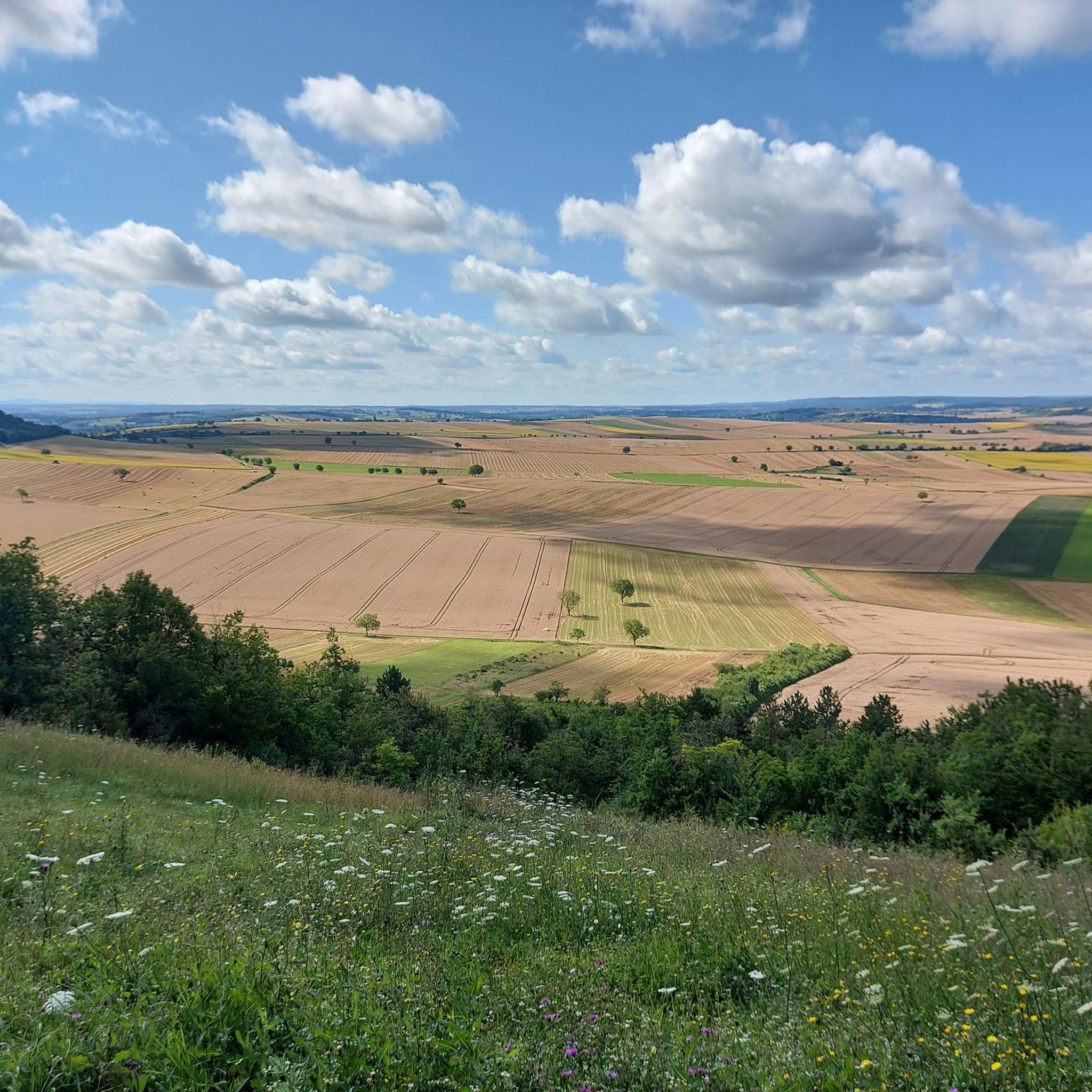
The landscape around Talon is characterized by its waterways, particularly the Canal du Nivernais and the Yonne River. You'll find lush riverbanks, scenic towpaths, and agricultural 'Fermes' (farms). The region offers a mix of open countryside and shaded sections along the canal, providing a diverse natural experience.
Is it possible to visit the castles mentioned, like Cuncy Castle or Chitry-les-Mines Castle?
While Chitry‑les‑Mines Castle is a beautiful 14th-century landmark with historical significance, and Cuncy Castle features an impressive porch tower, Cuncy Castle is privately owned and not open to visitors. Information on public access for Chitry-les-Mines Castle is not specified, so it's advisable to check locally for visitor details.

Get inspired with the komoot mobile app


Explore more
Still not found the Highlight you’re looking for? See guides of the top attractions in other regions:
