The best road cycling routes around Alignan-Du-Vent
4.3
(175)
4,065
riders
265
rides
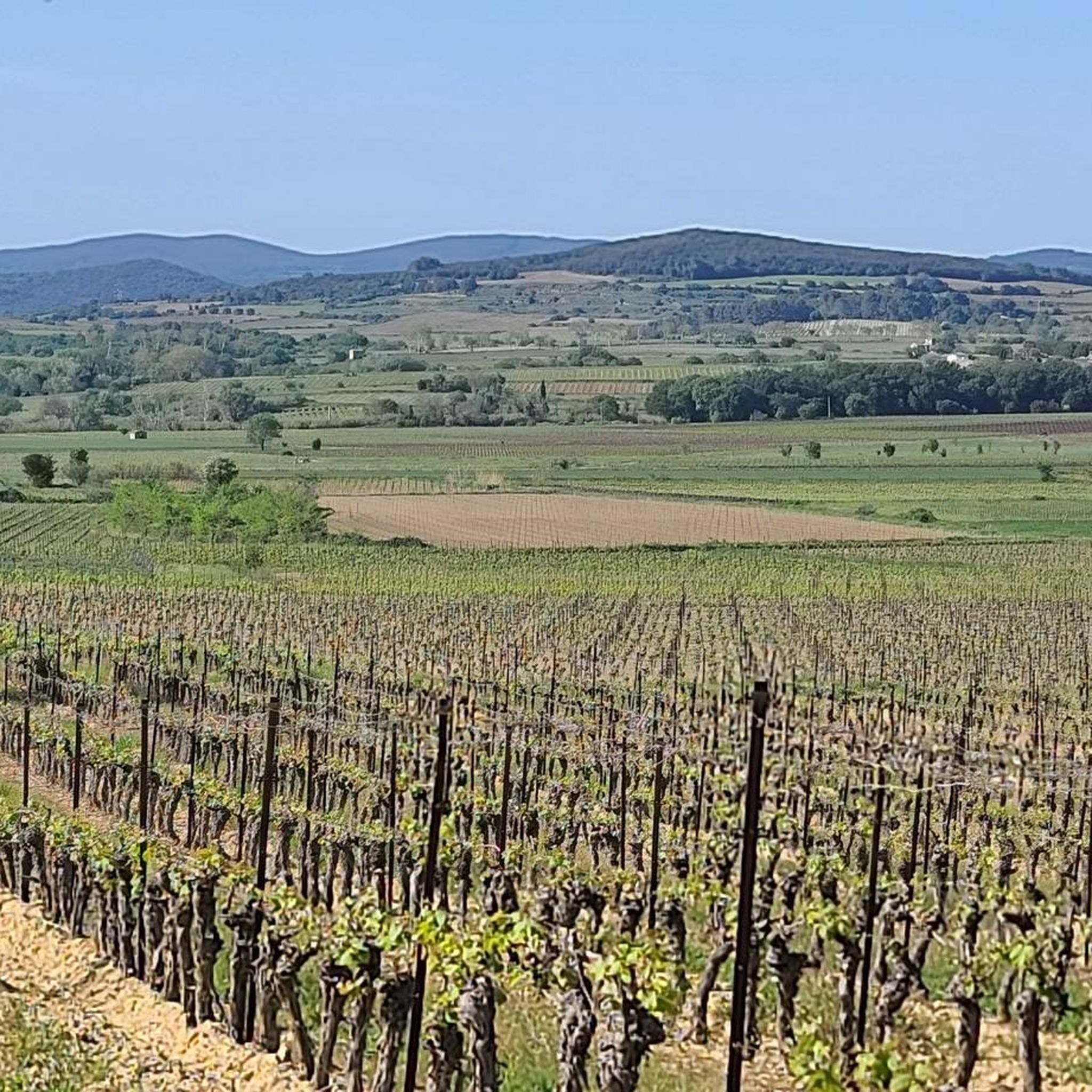
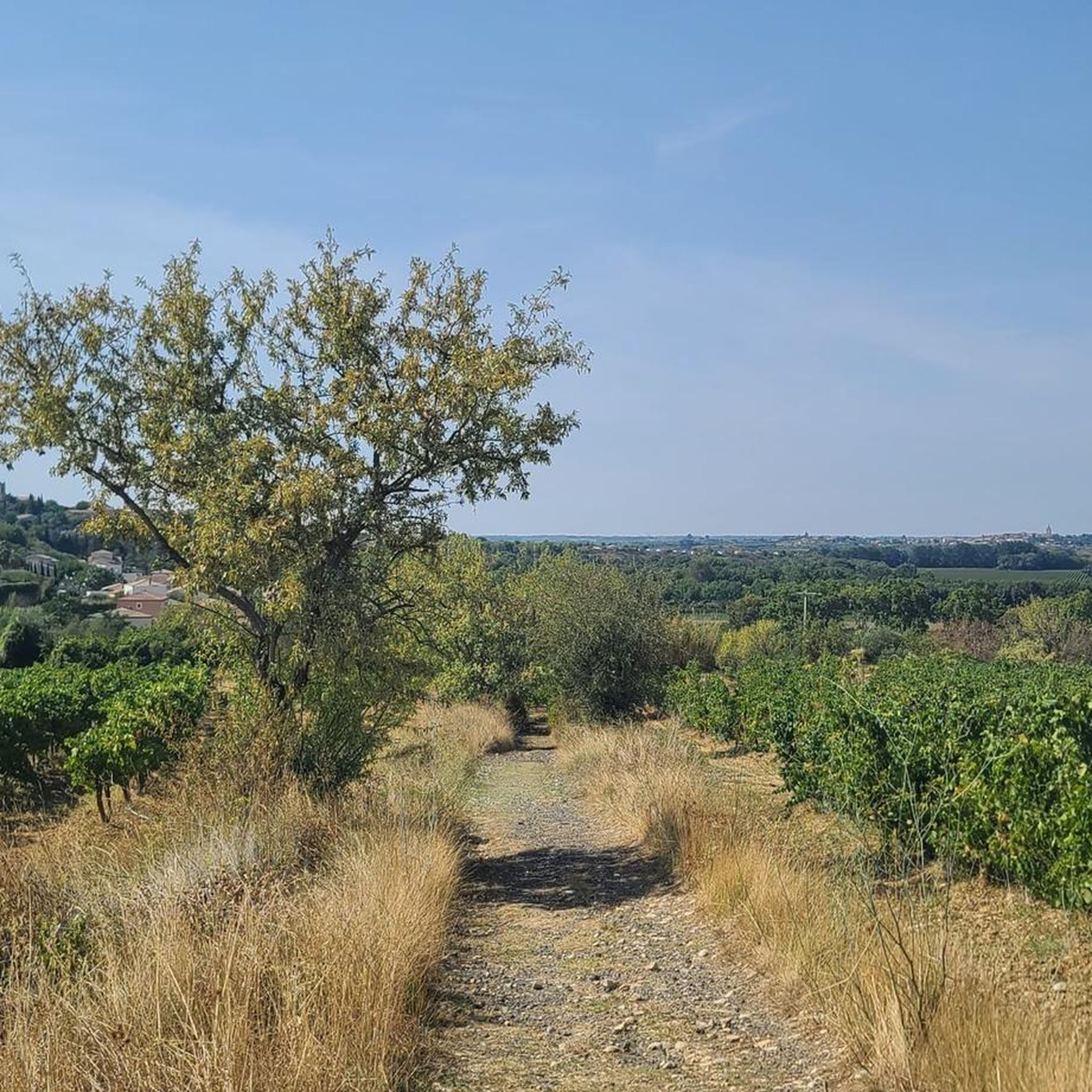
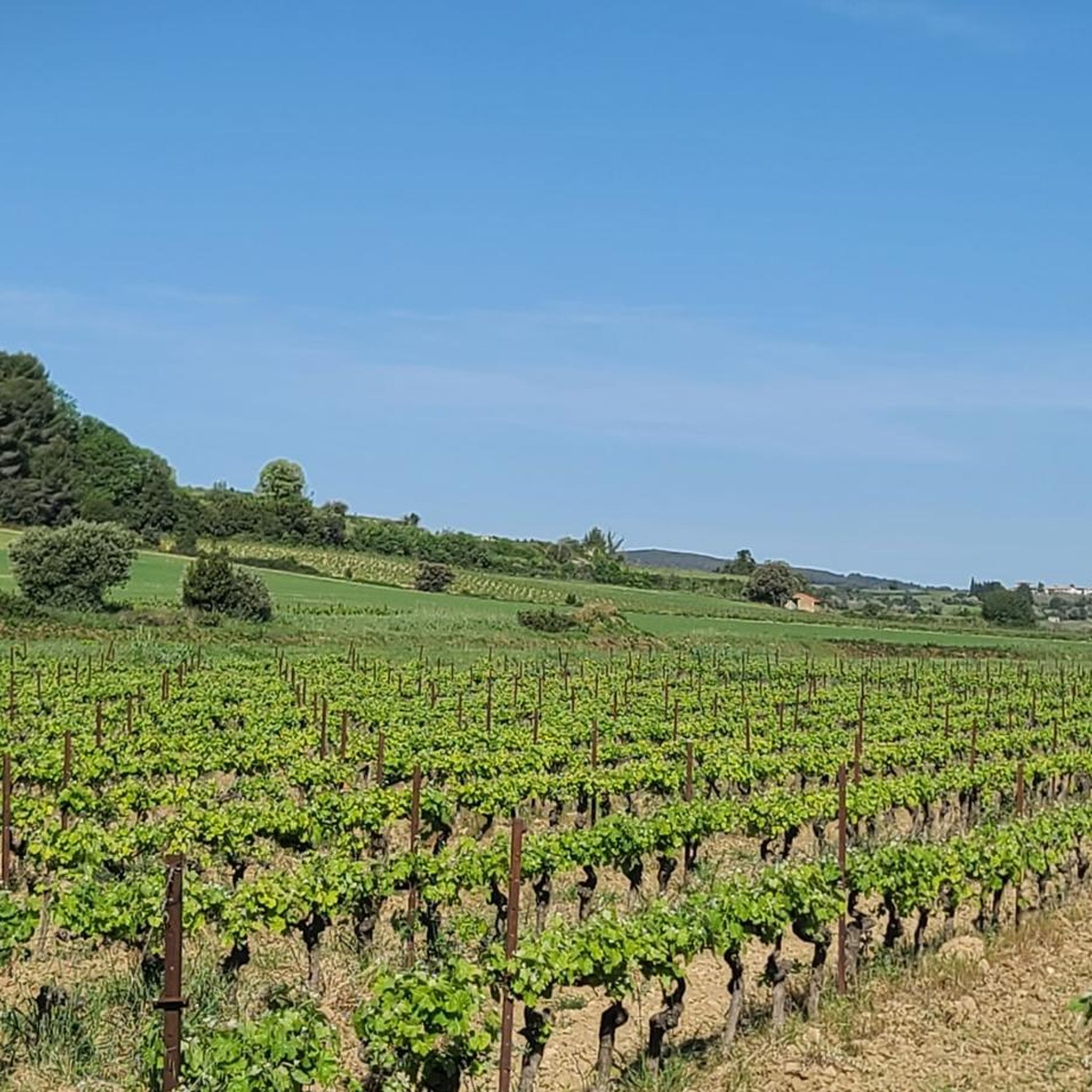
Road cycling routes around Alignan-Du-Vent are characterized by a diverse landscape in the Hérault department of France. The region features extensive vineyards and rolling hills, providing both scenic and sometimes-challenging terrain for cyclists. A network of quiet roads connects charming villages and offers views extending to natural features like the Vallée du Salagou and the Étang de Thau. The area's geology includes limestone formations and varied surfaces, making it suitable for different road cycling preferences.
Best road cycling routes around…
Last updated: October 13, 2026
4.0
(5)
66
riders
43.7km
02:02
540m
540m
Moderate road ride. Good fitness required. Mostly well-paved surfaces and easy to ride.
3.5
(11)
38
riders
52.9km
02:31
720m
720m
Moderate road ride. Good fitness required. Mostly well-paved surfaces and easy to ride.

3.7
(3)
22
riders
59.5km
02:43
630m
630m
Moderate road ride. Good fitness required. Mostly well-paved surfaces and easy to ride.
24
riders
55.8km
02:43
780m
780m
Moderate road ride. Good fitness required. Mostly well-paved surfaces and easy to ride.
12
riders
37.6km
01:41
370m
370m
Moderate road ride. Good fitness required. Mostly well-paved surfaces and easy to ride.
Get access to more routes and recommendations from other explorers.
Already have an account?
Our route recommendations are based on thousands of hikes, rides, and runs completed by other people on komoot.
Start today with a free account
Your next adventure awaits.

Tips from the Community

The castle overlooks Pézènes-les-Mines from the upper part of the village. This castle is private, but its facades, roofs, and enclosure have been protected as historical monuments since 1981. Its history is ancient, but the ensemble we see today is the result of several construction and transformation campaigns. The Romanesque chapel, integrated into the castle, dates back to the 12th century. Its apse was later raised in the 14th century to take on a defensive function. The castle itself underwent significant alterations in the 14th, 16th, and 17th centuries. Two gates were notably built into the enclosure in the 17th century. The defensive elements are still very legible: two gates with arrow slits controlled access to the courtyard and were once protected by a drawbridge. Two towers flank the ensemble, while the enclosure follows the natural irregularities of the terrain. The chapel also retains a rather remarkable detail: its door and some of its bays are decorated with basalt inlays, giving the building a discreet but original polychromy. Pézènes-les-Mines was not always the small village one might imagine today. Pézènes was the capital of a marquisate that grouped the communities of Pézènes, Montesquieu, and Valmascle. The castle was therefore at the heart of a larger seigneurial territory. Little-known information: A plan from 1800 shows that behind the castle stretched a long terrace of about 270 meters, arranged as a garden, promenade, and belvedere overlooking the Peyne valley.
2
0
Built at the end of the 12th century and integrated into the ramparts of Gabian, the church of Saint-Julien-et-Sainte-Basilisse forms the historic heart of the village. It still retains its original Romanesque nave and apse, while the side chapels and bell tower, added in the 15th century, bear witness to its evolution over time. The site is however much older: Gabian owes its name to a Gallo-Roman estate belonging to Gavius. The Romans diverted the spring of La Resclauze to supply Béziers via an aqueduct nearly twenty kilometers long, proof of the site's importance since Antiquity. This spring is also the origin of an exceptional geological curiosity: the presence of natural petroleum, exploited since Roman times for medicinal purposes and for caulking, and then from 1924 by the Société des Pétroles de Gabian. Industrial activity ceased when the small deposit could no longer compete with the large oil fields discovered in the mid-20th century.
3
0
The castle and the church have formed the historic heart of Pouzolles since the Middle Ages. The castle is attested as early as the 12th century as the possession of the lords of Pouzolles, before passing into the hands of several noble families over the centuries. Alongside it, a castle chapel was built in the 15th century to serve the castle and its inhabitants. In 1556, a plague epidemic forced the inhabitants of the neighboring hamlet of Saint-Martin de Grézan to take refuge around the fortress. The chapel then became the parish church, and the village developed under the shelter of the fortifications.
3
0
The feudal castle and the Saint-Jean-Baptiste church form a remarkable medieval ensemble. Mentioned as early as the end of the 11th century, the church was built within the castle itself, a peculiarity that earns it the description of 'castral church'. Its architecture combines a 12th-century Romanesque apse with a choir completed in 1423, testifying to the expansion of the village behind its ramparts. Walking through the circular streets radiating from the castle, one can still understand the defensive organization of the medieval town. The castle, which became the town hall in the 19th century after enduring wars and dismantling, remains the living heart of Murviel. Don't miss entering the church to discover its 12th-century baptismal font, recently restored and returned to its historic location.
2
0
Dominating the old village of Magalas, the Saint-Laurent church was first the castle chapel before becoming the parish church in 1270. Built in the second half of the 12th century, it is one of the fine examples of Romanesque architecture in the Biterrois region, enriched over the centuries by Gothic and Renaissance elements. By taking the time to observe the porch and the sculpted capitals, you will discover faces, plant motifs, but also mermaids and griffins, witnesses to the medieval imagination. An amusing anecdote accompanies the place: in 1967, Louis de Funès filmed a cult scene from the film Le Petit Baigneur here. When leaving the church, continue your walk through the alleys of the ancient castrum, which still retain the layout of the medieval fortified village.
3
0
Le Prieuré Saint-Martial is a discreet but history-rich stop amidst the wine landscapes of Alignan-du-Vent. Behind its walls lies a site occupied since antiquity: the priory is said to have been built on the site of an ancient Roman villa, before evolving over the centuries under the religious and agricultural influence of the communities that occupied it. Associated with a Benedictine monastic presence, Saint-Martial bears witness to a time when priories were not only places of prayer but also centers for land exploitation. Around the religious building, a vibrant estate was organized, linked to cultivation, livestock farming, and probably viticulture, which profoundly shaped the landscape of Languedoc. The site subsequently experienced a new life: the former Le Prieuré Saint-Martial complex has been restored and transformed into a charming place to stay, with accommodations set up in the historic buildings, a tree-lined park, and relaxation areas. It indeed features about a dozen accommodations (apartments, lofts, cottages, and villas), blending the charm of the old (stone walls, exposed beams, vaulted volumes) with contemporary amenities. Guests have access to two swimming pools, one of which is heated in mid-season. This redevelopment now makes it possible to preserve a rural heritage that could have disappeared, by giving a new function to these centuries-old stones.
3
0
A few steps from the Saint-Saturnin church, this small sector between the place du Quai and the rue Venel reveals a more intimate face of Tourbes! Narrow alleys, old facades, exposed stones bear witness to a habitat built over the centuries.
2
0
The cooperative winery of Alignan-du-Vent bears witness to wine history. Created in 1936 under the name "Les Vignerons d'Alignan-du-Vent", it was born in a difficult context for small producers, facing the wine market crisis and the need to unite to better promote their harvest.
3
0
Frequently Asked Questions
How many road cycling routes are available around Alignan-Du-Vent?
There are over 270 road cycling routes in the Alignan-Du-Vent area, offering a wide range of options for different skill levels and preferences. These routes are highly rated by the komoot community, with an average score of 4.2 stars.
What kind of terrain can I expect on road cycling routes around Alignan-Du-Vent?
The region offers a diverse landscape, characterized by extensive vineyards and rolling hills. You'll find a network of quiet roads that provide both scenic, gentle rides and sometimes-challenging terrain with notable elevation changes, such as the Cave traditional – Col de la Lie loop from Alignan-du-Vent.
What is the best time of year to go road cycling in Alignan-Du-Vent?
Alignan-Du-Vent benefits from a Mediterranean climate, making spring and autumn ideal for road cycling. During these seasons, the weather is typically mild and pleasant, perfect for exploring the vineyards and rolling hills without the intense heat of summer.
Are there road cycling routes suitable for beginners or those looking for an easier ride?
Yes, while some routes offer challenging climbs, there are also numerous options for more relaxed rides. The region's network of quiet roads includes routes with less significant elevation gain, allowing beginners to enjoy the picturesque scenery at a comfortable pace. Over 50 routes are classified as easy.
Are there challenging road cycling routes with significant climbs in the area?
Absolutely. For cyclists seeking a challenge, the region offers routes with considerable elevation gain. For instance, the Cave traditional – Col de la Lie loop from Alignan-du-Vent is a difficult route featuring over 1000 meters of ascent, providing a demanding experience through varied terrain.
What historical sites or landmarks can I see along road cycling routes?
Many routes pass by or near historical points of interest. You might encounter sites like the 13th-century Saint-Thibéry Mill or the Ruins of the Saint-Antoine Hermitage. The region's rich history is woven into its landscape, offering cultural stops during your ride.
Are there any scenic viewpoints or natural curiosities to discover while cycling?
Yes, the area is rich in scenic spots. The 'Colline aux vents' (le Travers) offers a 360° panoramic view over vineyards, olive groves, and fig trees. You can also find unique geological formations like The Fairy Stretcher, a limestone formation providing a magnificent 180° panorama, perfect for a peaceful break.
Can I combine cycling with visiting charming towns or villages?
Definitely. The road cycling routes often connect charming villages and historic towns. For example, the Château de Pézènes – Faugères loop from Pouzolles leads through historic areas and vineyards, allowing you to explore places like Pézenas, known for its preserved old center, mansions, and artisan craft shops (Pézenas Historic Centre).
What do other road cyclists enjoy most about road cycling in Alignan-Du-Vent?
Road cyclists frequently praise the region's 'endless quiet roads to explore' and the beautiful, undulating vineyard landscapes. The komoot community has rated the routes highly, with an average score of 4.2 stars from over 150 reviews, highlighting the diverse terrain and scenic views.
Is parking available for cyclists near the road cycling routes?
While specific parking areas for cyclists are not always signposted, many routes start from or pass through villages where public parking is available. It's advisable to check the starting point of your chosen route for local parking options.
Are there family-friendly road cycling options around Alignan-Du-Vent?
Yes, the region offers quieter roads and less challenging terrain suitable for families. While specific dedicated family trails might be limited, many of the easier routes through vineyards provide a safe and enjoyable environment for family rides, allowing everyone to experience the scenic beauty.
Are there cafes or places to stop for refreshments along the routes?
Many road cycling routes in Alignan-Du-Vent pass through or near charming villages and towns where you can find cafes, bakeries, and local shops to refuel. Exploring these local establishments adds to the cultural experience of your ride.
Are there any circular road cycling routes available?
Yes, many of the popular road cycling routes in the area are designed as loops, allowing you to start and end your ride in the same location. Examples include the Lac de Vailhan – Olivettes Dam loop from Alignan-du-Vent and the Olivettes Dam – Lac de Vailhan loop from Pouzolles.
Can I reach Alignan-Du-Vent by public transport with my bicycle?
Public transport options to Alignan-Du-Vent, especially those accommodating bicycles, can be limited. It's recommended to check local bus or train schedules and their bicycle policies in advance if you plan to use public transport to access the area.
Most popular routes around Alignan-Du-Vent
Most popular attractions around Alignan-Du-Vent

Get inspired with the komoot mobile app


Explore more
Browse the best Road cycling routes in other regions.
