The best road cycling routes around Beaufort
4.5
(79)
1,240
riders
125
rides
Road cycling around Beaufort is characterized by its diverse terrain, offering routes that range from gentle, flat paths to more challenging ascents. The region features a mix of landscapes, including coastal areas, marshlands, and routes with significant elevation changes. While some areas are known for their flat Lowcountry topography, other routes present considerable climbs. This variety allows for different road cycling experiences across the Beaufort area.
Best road cycling routes around Beaufort
- The most popular road cycling route is Grotte…
Last updated: October 8, 2026
32
riders
Easy road ride. Great for any fitness level. Mostly well-paved surfaces and easy to ride.
4.8
(5)
67
riders
96.5km
04:50
1,420m
1,420m
Hard road ride. Very good fitness required. Some segments of this route may be unpaved and difficult to ride.

4.7
(3)
22
riders
30.4km
01:33
350m
350m
Moderate road ride. Good fitness required. Mostly well-paved surfaces and easy to ride.
5.0
(3)
27
riders
43.9km
02:22
450m
450m
Moderate road ride. Good fitness required. Some segments of this route may be unpaved and difficult to ride.
14
riders
60.5km
03:03
810m
810m
Moderate road ride. Good fitness required. Mostly well-paved surfaces and easy to ride.
Get access to more routes and recommendations from other explorers.
Already have an account?
Our route recommendations are based on thousands of hikes, rides, and runs completed by other people on komoot.
Start today with a free account
Your next adventure awaits.

Tips from the Community

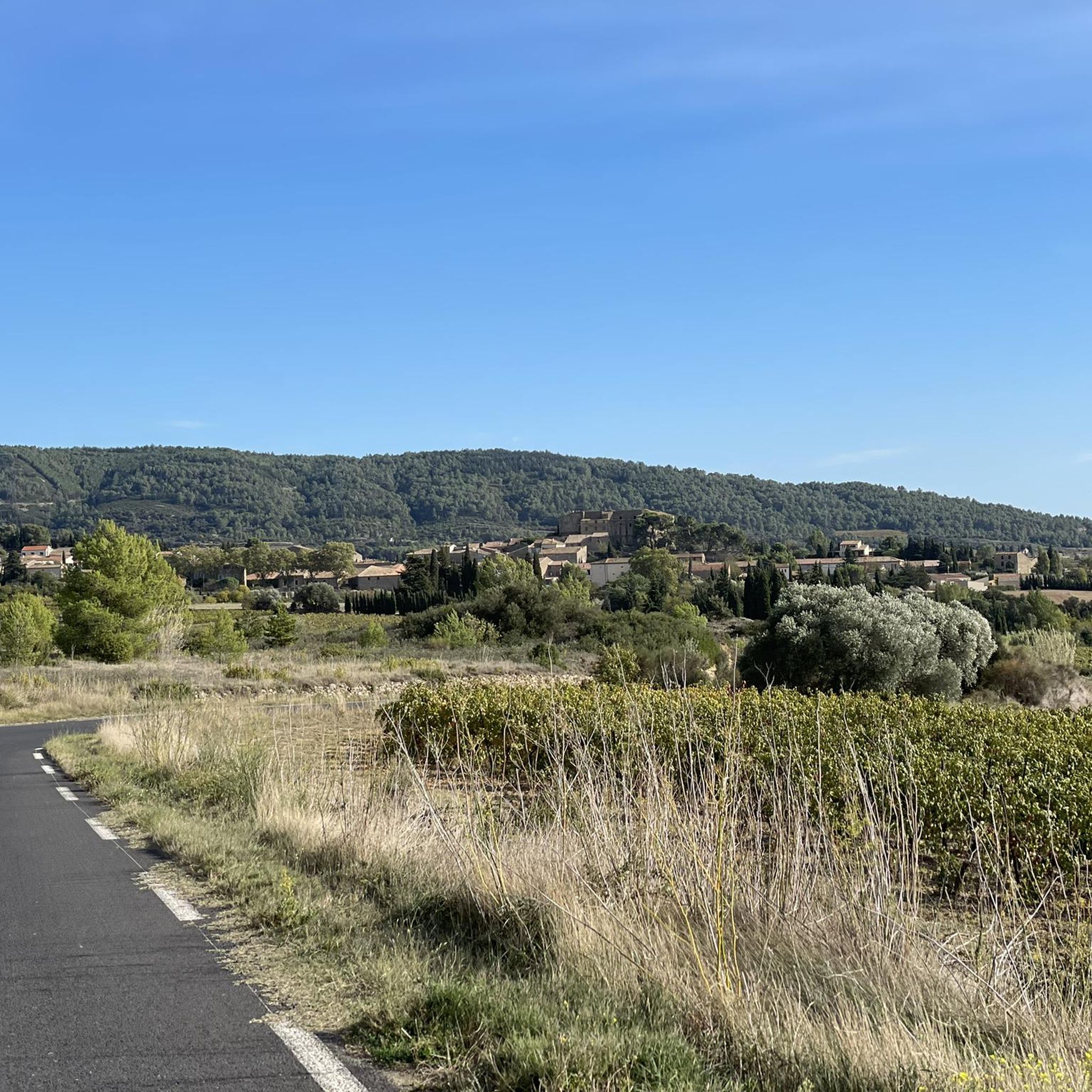
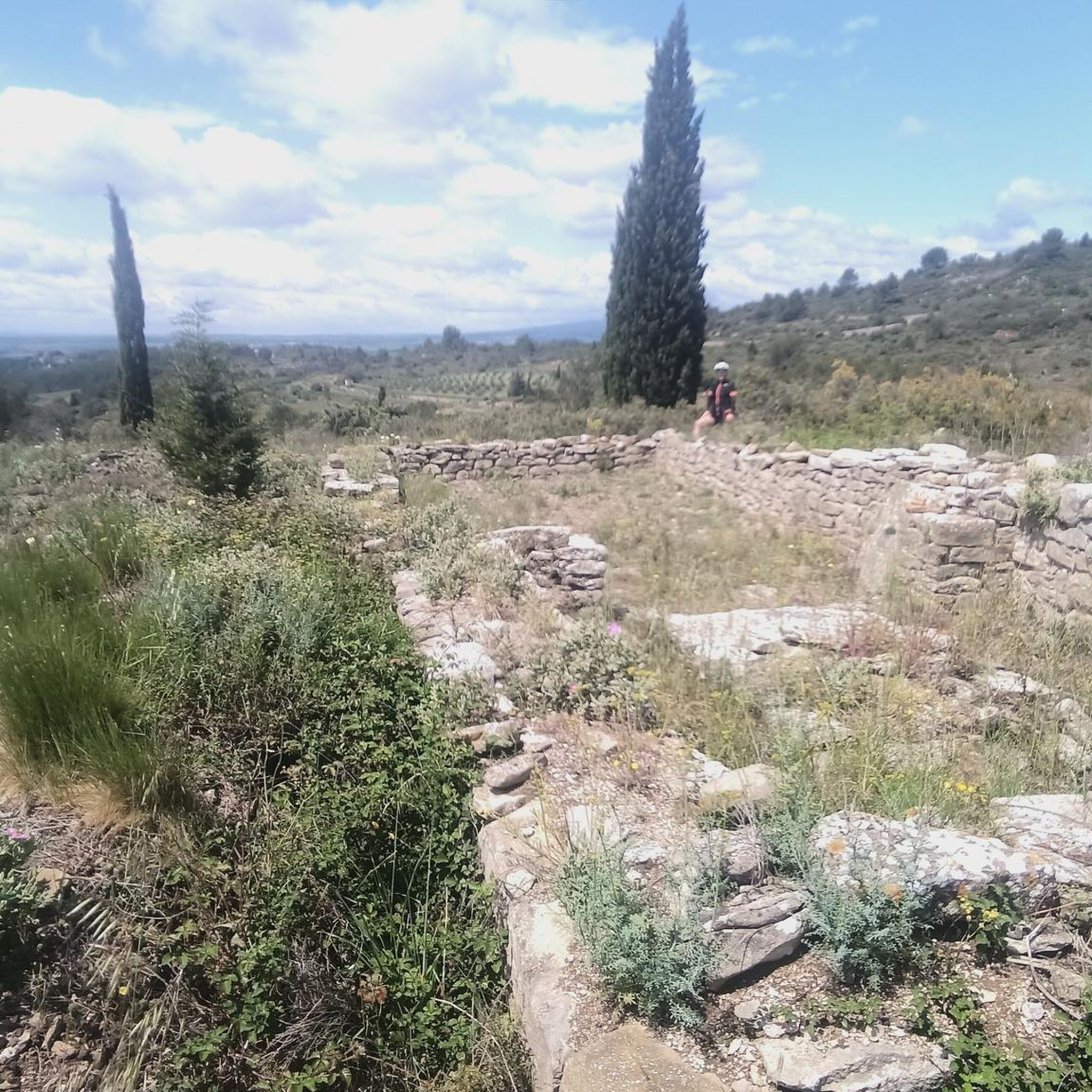
Remarkable site, the village of Argens-Minervois, is built in an amphitheater on a promontory overlooking the Canal du Midi and the Aude river. Besides its old fortress (13th century), taken during the Albigensian Crusade by Simon de Montfort, visitors can consider various walks along the canal (locks), around the lake of Aiguilles, at Pech Laurier or at Mourrel Ferrat, an elysian (pre-Roman) site.
0
0
Remarkable site, the village of Argens-Minervois, is built in an amphitheater on a promontory overlooking the Canal du Midi and the Aude river. Besides its old fortress (13th century) taken during the crusade against the Albigensians by Simon de Montfort, visitors can consider various walks along the canal (locks), around the Aiguilles lake, at Pech Laurier or at Mourrel Ferrat, an Elysian (pre-Roman) site.
0
0

The church of the Nativity of Saint John the Baptist bears witness to the gradual shift of the religious heart of Saint-Jean-de-Minervois. For centuries, parish life was linked to the Saint-Jean de Dieuvaille chapel, now nicknamed "the church of the Hole", isolated in a canyon between the hamlets of Gimios and Barroubio. At the beginning of the 18th century, the current village became the new center of the community, around this current parish church.
2
0
Viewpoint over Azillanet ! A nice stop to enjoy a superb perspective over Azillanet, a village whose history dates back to at least the 9th century, when it was mentioned under the name of Azelanum.
2
0
In the heart of Cesseras, the Saint-Geniès church surprises with its elegance and medieval character. Built in the 15th century in the southern Gothic style, it retains a single nave, a polygonal choir, and beautiful stone vaults whose sculpted keystones bear witness to the know-how of the builders of the Minervois. Classified as a Historic Monument since 1933, it succeeded a first place of worship mentioned as early as 844. By lingering for a few moments before its stones, one discovers that the history of Cesseras dates back much further than the Middle Ages: the territory has been occupied since prehistoric times, while the village developed around an old feudal castle. Another interesting detail: the name Saint-Geniès recalls Saint Genès of Rome, a Christian martyr from the 3rd century.
2
0
The Saint-Laurent church catches the eye with its sober architecture and unique location. Built in 1678, it is adjacent to the site of the former fortress of Guillaume d'Azillanet, a medieval lord whose name remains attached to the village's history. Behind its stones lie several centuries of history: once fortified, Azillanet depended on the lords linked to the abbey of Caunes-Minervois before joining the royal domain. The village subsequently experienced the great upheavals of the Minervois, between the Albigensian Crusade, the Hundred Years' War, and the Wars of Religion.
2
0
In the heart of Olonzac, the church of Notre-Dame de l'Assomption recalls the ancient history of this Minervois town. While the current building mainly dates from the modern era, religious presence on the site dates back several centuries: a first church dedicated to Saint-Jean du Puits already existed in 852, before a new Notre-Dame church was built to support the village's development. Rebuilt in the 19th century, it today bears witness to the many transformations that Olonzac has undergone over time. Looking up at the bell tower, one can also think of the old bell from 1677 preserved in the church. Classified as a historical monument, it still bears the mark of the White Penitents of Olonzac, a religious confraternity once very present in local life.
2
0
The very origin of the name Beaufort intrigues historians. It would come from the Latin Bellum Fortis ("powerful fortress"), a name that recalls the defensive importance of the site in the Middle Ages. Observing the relief surrounding the castle, it is easy to understand why this promontory was chosen to monitor the passage routes of the Minervois.
2
0
Frequently Asked Questions
How many road cycling routes are available in Beaufort?
Beaufort offers a wide variety of road cycling experiences, with over 140 routes available. These routes cater to different skill levels, including easy, moderate, and difficult options.
What kind of terrain can I expect on road cycling routes in Beaufort?
Beaufort's road cycling terrain is quite diverse. While the region is known for its flat Lowcountry topography, offering gentle paths through coastal areas and marshlands, some routes also feature significant elevation changes. You'll find a mix of landscapes, from serene marsh views to historic oak-shaded streets and sections with considerable climbs.
Are there easy or beginner-friendly road cycling routes in Beaufort?
Yes, Beaufort has numerous easy and beginner-friendly road cycling routes. The flat Lowcountry terrain is ideal for those seeking a relaxed ride. For example, the D20 Road to Rieux-Minervois – Beautiful, peaceful spot! loop from Pouzols-Minervois is an easy 15.5-mile trail with minimal elevation gain, perfect for a leisurely ride.
Are there challenging road cycling routes for experienced cyclists in Beaufort?
Absolutely. For experienced cyclists looking for a challenge, Beaufort offers routes with substantial climbs. The View to olonzac – Minerve loop from Aigne is a difficult 39.2-mile path featuring an elevation gain of over 3,800 feet, providing a rigorous workout amidst scenic views.
What scenic views or landmarks can I see while road cycling in Beaufort?
Beaufort's routes are rich with scenic beauty and historical landmarks. You can cycle through historic districts with antebellum homes, enjoy breathtaking water views along the Beaufort River, or explore coastal marshes. Notable attractions include the Minerve settlement, the Canal du Midi Bridge, and the View over Paraza. The Spanish Moss Trail also offers spectacular views of coastal marshes and ancient oak trees.
Are there family-friendly road cycling options in Beaufort?
Yes, Beaufort is very family-friendly for cyclists. The region's flat terrain and dedicated greenways like the Spanish Moss Trail are perfect for families. This paved trail is largely devoid of significant hills, offering a safe and enjoyable experience for all ages, with multiple access points and rest areas.
Can I bring my dog on road cycling routes in Beaufort?
Many of Beaufort's outdoor spaces are pet-friendly. The Spanish Moss Trail, a popular paved greenway, is specifically noted as a pet-friendly path, making it an excellent option for cycling with your dog. Always ensure your dog is on a leash and you clean up after them.
Are there circular road cycling routes available in Beaufort?
Yes, many of Beaufort's road cycling routes are designed as loops, allowing you to start and end at the same point. Examples include the Grotte Pont Petite – Minerve loop from Aigne and the View to olonzac – Minerve loop from Olonzac, providing convenient options for exploring the area.
What is the best time of year to go road cycling in Beaufort?
Beaufort offers pleasant cycling conditions for much of the year. Spring and fall generally provide the most comfortable temperatures for road cycling, with mild weather and beautiful scenery. Summer can be warm, but early mornings or late afternoons are still enjoyable. The region's natural beauty, especially the Spanish moss-draped oaks, is captivating in any season.
Where can I find parking near road cycling routes in Beaufort?
Many popular cycling areas in Beaufort, such as the Spanish Moss Trail and various parks, offer designated parking facilities. For routes that traverse historic downtown, you'll find public parking options available. It's advisable to check specific route details for the most convenient parking access points.
Are there places to stop for refreshments or food along the routes?
Yes, many road cycling routes in Beaufort pass through or near areas with amenities. Historic Downtown Beaufort, for instance, offers numerous art galleries, waterfront restaurants, and cafes where you can stop for refreshments. The Spanish Moss Trail also has rest areas, and routes exploring the wider region may lead you to charming local establishments.
What do other cyclists say about road cycling in Beaufort?
The road cycling experience in Beaufort is highly rated by the komoot community, with an average score of 4.5 stars from over 60 reviews. Cyclists often praise the varied terrain, from flat coastal paths to challenging climbs, and the stunning natural beauty, including marshlands and historic oak-lined streets. The well-maintained trails and scenic views are frequently highlighted.
What are some unique natural features I might encounter while cycling?
Beaufort is rich in unique natural features. You'll encounter extensive coastal marshes, ancient oak trees draped in Spanish moss, and waterways. The ACE Basin, a protected estuary, offers significant wetland ecosystems. Additionally, Crystal Lake Park features habitats winding through forests and around the lake, with a boardwalk ideal for birdwatching, providing diverse natural backdrops for your ride.
Most popular attractions around Beaufort

Get inspired with the komoot mobile app


Explore more
Browse the best Road cycling routes in other regions.
