The best running trails around Beaucé
4.5
(367)
3,254
runners
277
runs
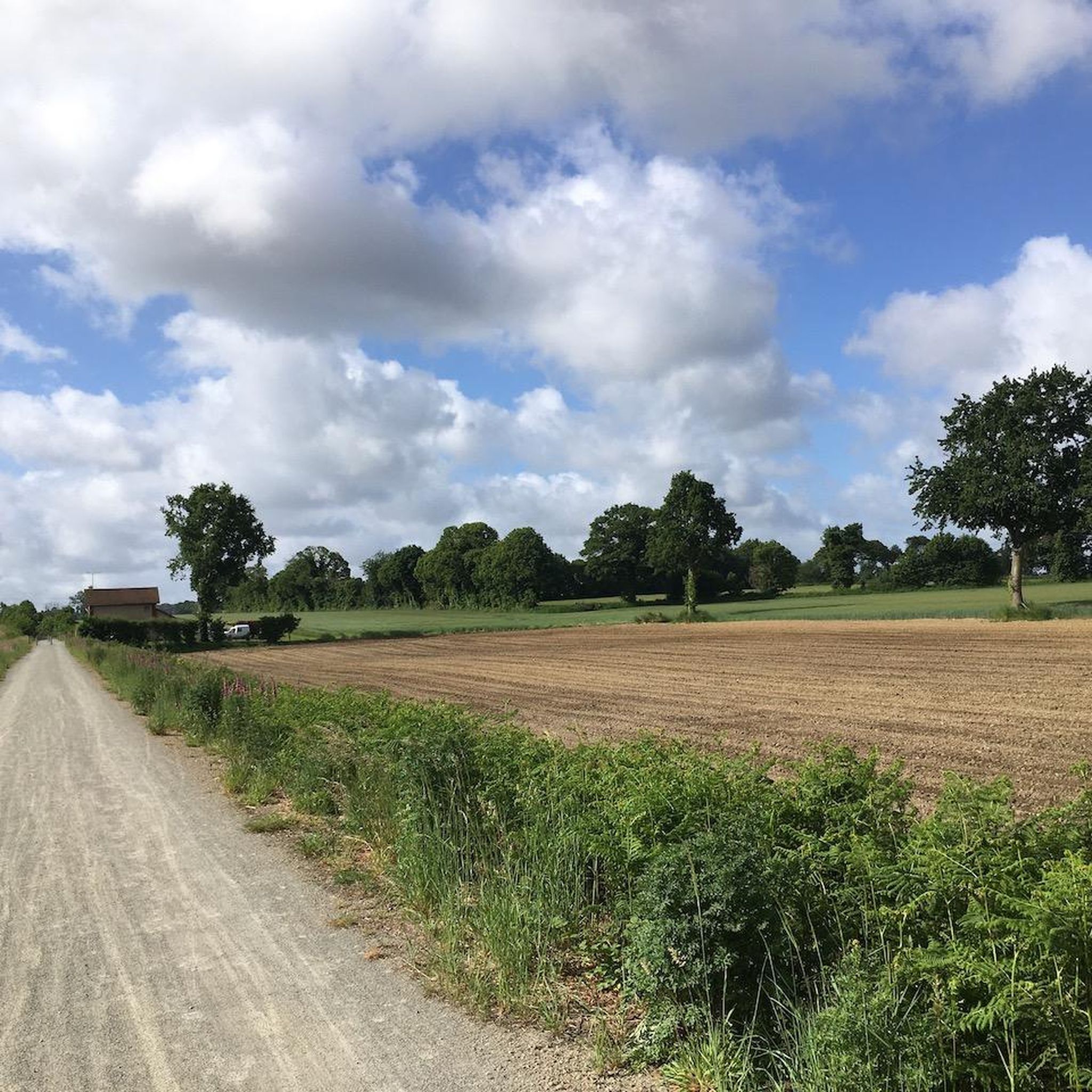
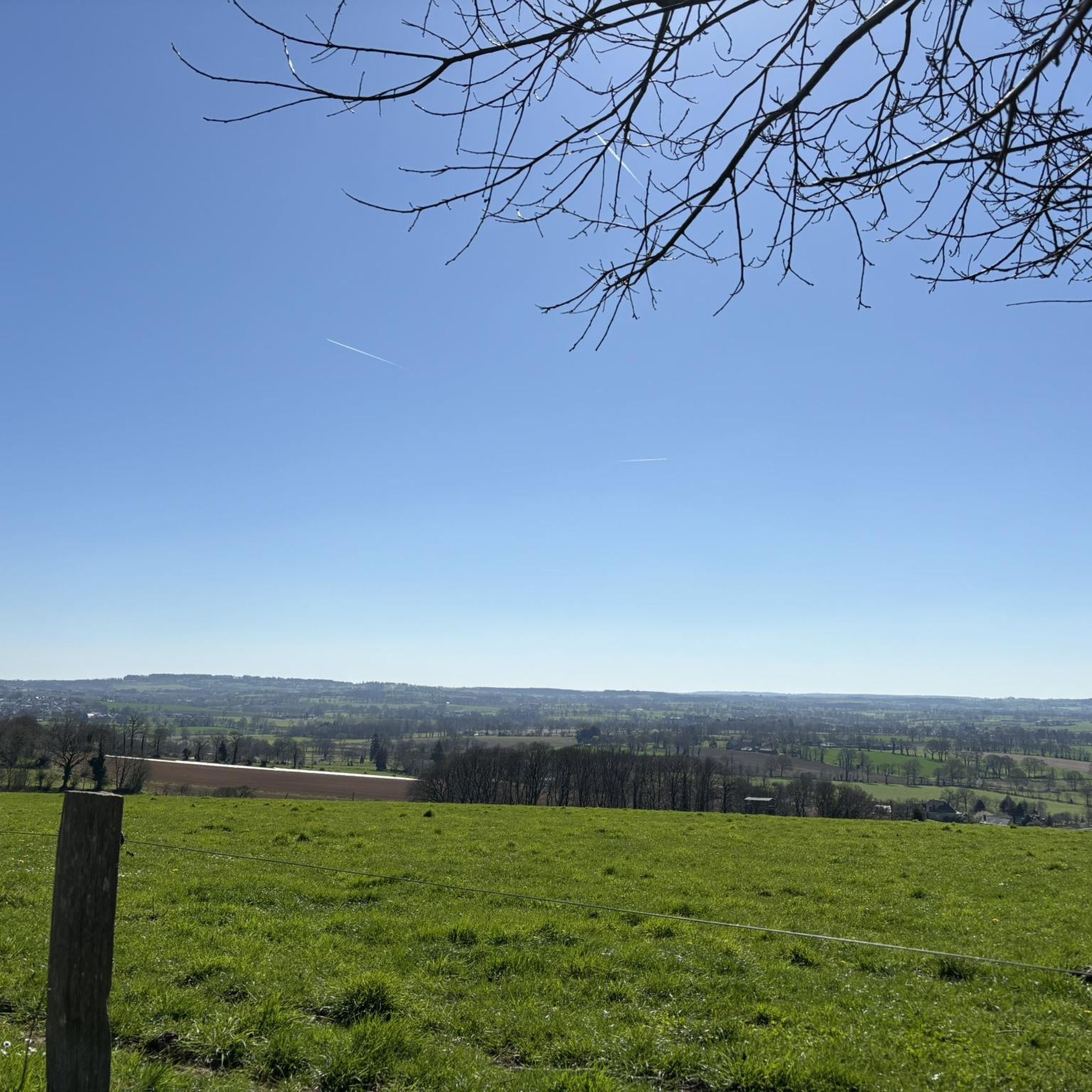
Jogging around Beaucé offers diverse landscapes across its French and Canadian interpretations. In France, the region features areas near the Forêt de Fougères, various *étangs* (ponds or lakes), and the expansive, flat agricultural plains of the broader Beauce region. River valleys like the Oeuf, Essonne, and Conie provide undulating terrain and protected natural areas. In Quebec, La Beauce is characterized by the Chaudière River, nature parks with trails, and notable waterfalls.
Best jogging routes around Beaucé
- The most popular jogging…
Last updated: June 18, 2026
4.6
(7)
167
runners
11.7km
01:16
150m
150m
Moderate run. Good fitness required. Mostly paved surfaces. Suitable for all skill levels.
3.5
(2)
55
runners
13.6km
01:37
130m
130m
Moderate run. Good fitness required. Mostly paved surfaces. Suitable for all skill levels.

Sign up for free
29
runners
11.4km
01:12
150m
150m
Moderate run. Good fitness required. Mostly paved surfaces. Suitable for all skill levels.
24
runners
9.50km
01:06
120m
120m
Moderate run. Good fitness required. Mostly paved surfaces. Suitable for all skill levels.
5.0
(3)
50
runners
7.50km
00:48
50m
50m
Moderate run. Good fitness required. Mostly paved surfaces. Suitable for all skill levels.
Get access to more routes and recommendations from other explorers.
Sign up for free
Already have an account?
Our route recommendations are based on thousands of hikes, rides, and runs completed by other people on komoot.
Start today with a free account
Your next adventure awaits.
Login or Signup

Tips from the Community

The famous rock alignment known as the Druids' Line is as intriguing as it is fascinating. What are eighty quartz blocks doing, stretching over three hundred meters, in an area where this type of stone doesn't exist? Was it a religious or pagan practice? To date, no researcher has found the answer. The Druids' Line follows a general north-northeast orientation, despite numerous meanders. This type of alignment, in a single line, is quite rare in Brittany. It is mistakenly called the Druids' Line, as it is not a Celtic installation, dating back to the Neolithic period. (Source: https://www.destination-fougeres.bzh)
0
0

The Desnos Tower is a medieval defensive tower dating back to the early 15th century. It is one of the few remaining towers of the northern city wall and was originally part of the fortifications of the "Bourg-Neuf," the newer district above the castle. It probably owes its name to Colin Desnos, a citizen of the city on whose land the tower was built. Over the centuries, the Desnos Tower served various purposes: initially for defense, later as a prison, and in the 19th century as part of a shoe factory.
1
0
The Jardin du Val Nançon stretches picturesquely along the Nançon River, framing the northern city walls of Fougères with lush greenery. Covering approximately two hectares, various themed areas invite exploration. This includes a botanical garden, the "Priest's Garden," a reference to the remains of an ancient abbey, a so-called "plant cage," and a colorfully landscaped slope. Of particular note is the contemporary glass art sculpture "L'œuvre à la vie" by Louis-Marie Catta from 2000, which represents peace and dialogue between cultures.
1
0
The Place du Marchix is located in the city's oldest district. The square takes its name from the Old French word "marchié," as Fougères's first market once took place here. The district is characterized by well-preserved half-timbered houses dating back to the 16th century, many of which are listed as historical monuments. The square was once a center for artisanal businesses such as tanneries and cloth manufacturers, which used the nearby river to process leather and fabrics.
1
0
The Jardin Public is centrally located in the city and extends over several terraces offering sweeping views of the old town and the Château de Fougères. Created in 1865, the park combines features of an English landscape garden, French garden architecture, and botanical design.
1
0
The church was originally founded in the 11th century, while the current structure was built in several stages between 1380 and 1760. Particularly noteworthy are the wooden-vaulted nave, the 16th-century granite carvings, and the stained-glass windows from 1885 to 1926. The church also houses the venerated statue of Notre-Dame-des-Marais.
1
0

Dominated by one of the largest medieval castles in Europe, Fougères boasts magnificent ramparts, towers, and a perfectly preserved historic center. From the heights, the view takes in the Nançon Valley and its half-timbered houses, offering beautiful perspectives. It's an ideal stop along the Régalante to immerse yourself in Breton history before hitting the road again.
0
0

The largest fortress in Europe, the castle of Fougères stands on a rocky outcrop surrounded by marshland. The first castle of Fougères was built around the turn of the millennium to defend the north-eastern part of the border area of the Duchy of Brittany. Built at the crossroads of important trade routes, this primitive fortress had the main objective of monitoring the powerful neighbors and preventing their raids on Breton lands. To the north, Normandy belonged to the kings of England at the time.
4
1
Frequently Asked Questions
How many running routes are available in Beaucé?
Komoot offers nearly 300 diverse running routes across the Beaucé region, catering to various preferences and fitness levels. You'll find a wide selection of trails, from easy jogs to more challenging runs.
What kind of terrain can I expect on the jogging routes in Beaucé?
The Beaucé region offers a diverse range of terrains. In France, you can expect routes through the Forêt de Fougères, around scenic étangs (ponds or lakes) like Étang de Châtillon-en-Vendelais, and across the expansive, flat agricultural plains of the broader Beauce region. River valleys such as the Oeuf, Essonne, and Conie provide undulating environments. In Quebec, trails often follow the picturesque Chaudière River, wind through nature parks like Domaine Taschereau, and feature areas with waterfalls at Parc des Sept-Chutes.
Are there any easy running routes suitable for beginners or a relaxed jog?
Yes, Beaucé offers a good selection of routes for beginners or those seeking an easy run. There are 26 easy jogging routes available. For example, the Hôtel de la Belinaye – Green route 1 loop from Fougères is a moderate 4.7-mile (7.5 km) trail that provides a pleasant experience near the Forêt de Fougères.
What do other runners say about the trails in Beaucé?
The running trails in Beaucé are highly regarded by the komoot community, with an average rating of 4.5 stars from over 340 reviews. Runners often praise the varied landscapes, from tranquil forest paths to scenic river views, and the well-maintained nature of many routes.
Are there any scenic running routes with water features like lakes, rivers, or waterfalls?
Absolutely! In France, you can find beautiful routes around several étangs (ponds or lakes) such as Étang de Châtillon-en-Vendelais, Étang de Haute-Vilaine, and Étang de la Cantache. The river valleys of the Oeuf, Essonne, and Conie also offer tranquil running paths. In Quebec, the Chaudière River provides picturesque views along its dedicated cycle route, and Parc des Sept-Chutes is renowned for its seven waterfalls and trails.
Can I find running routes with historical landmarks or interesting points of interest?
Yes, several routes in the French Beaucé region pass by or are near historical landmarks. For instance, while running near Fougères, you can explore areas close to the impressive Fougères Castle, the charming Place du Marchix with its half-timbered houses, or the historic Belfry of Fougères. The broader French Beauce also features historic windmills.
Are there any challenging running routes with significant elevation gain in Beaucé?
Yes, for runners looking for a challenge, Beaucé offers 41 difficult routes. The Plan d'eau des Vertes Rives loop from Fougères is a difficult 9.8-mile (15.8 km) trail. Another option is the Green route 1 – Fougères–Vitré Greenway loop from Fougères, which is a difficult 24.7 km route with notable elevation changes.
Are there any circular running routes in Beaucé?
Many of the running routes in Beaucé are designed as circular loops, offering convenient starting and ending points. Examples include the Cordon des druides loop from Laignelet, a moderate 8.5-mile (13.6 km) path, and the Fougères – Tour Surienne loop from Fougères, a moderate 12.5 km route.
What are the best times of year to go running in Beaucé?
The best time for running in Beaucé largely depends on the specific region. The French Beauce, with its open plains, can be beautiful during spring and autumn with mild temperatures and clear skies. The river valleys are pleasant in warmer months. In Quebec, spring, summer, and early autumn offer ideal conditions for exploring riverside trails and nature parks. Winter can also be suitable for activities like snowshoeing on some trails, particularly at Domaine Taschereau – Parc Nature.
Are there any nature parks or protected areas where I can go for a run?
Yes, both interpretations of Beaucé offer nature-rich running opportunities. In France, the Conie river valley is a protected Natura 2000 site known for its rich fauna and flora, offering tranquil routes. In Quebec, Domaine Taschereau – Parc Nature in Sainte-Marie is an eco-refuge with well-maintained trails, and Parc des Rapides du Diable in Beauceville provides a natural setting along the Chaudière River.
Are there options for longer distance running or trail running in Beaucé?
Yes, for those seeking longer distances, the French Beaucé region offers extensive opportunities. The renowned GR34, also known as the Customs Trail, provides long-distance running options along Brittany's coastal paths, which are accessible from the Ille-et-Vilaine department. Additionally, several routes in our guide, such as the Green route 1 – Fougères–Vitré Greenway loop from Fougères, extend up to 24.7 km, perfect for longer trail runs.
Are there any specific trails that are particularly good for bird watching while running?
In Quebec, Domaine Taschereau – Parc Nature in Sainte-Marie is an excellent choice for bird watching. This urban eco-refuge has identified over 150 species of birds and features aerial walkways, making it a great spot to combine your run with observing local wildlife.
Most popular attractions around Beaucé

Get inspired with the komoot mobile app


Explore more
Browse the best Running Trails & Routes in other regions.
