Attractions and Places To See around Cébazan - Top 20
Attractions and places to see around Cébazan offer a blend of historical sites and natural landscapes in the Hérault department of France. The region features a varied terrain, including the Lirou stream and Montmajour hill, providing elevated views. Visitors can explore ancient structures and natural features, making it suitable for outdoor activities. The area is characterized by its historical intrigue and natural beauty.
Best attractions and places to see around Cébazan
- The most popular attractions is Roquebrun, a settlement…
Last updated: August 16, 2026
Roquebrun
Highlight • Settlement
Translated by Google •
Tip by

Marie Close fashion show
Highlight • Gorge
Translated by Google •
Tip by

Sign up now to discover places like this
Get recommendations on the best single tracks, peaks, & plenty of other exciting outdoor places.
Sign up for free
Abbaye de Fontcaude
Highlight • Religious Site
Translated by Google •
Tip by

Col de Fontjun (230 m)
Highlight • Mountain Pass
Translated by Google •
Tip by

Capestang
Highlight • Other
Translated by Google •
Tip by

Sign up for free to discover even more attractions around Cébazan.
Sign up for free
Already have an account?
Start today with a free account
Your next adventure awaits.
Login or Signup

Tips from the Community

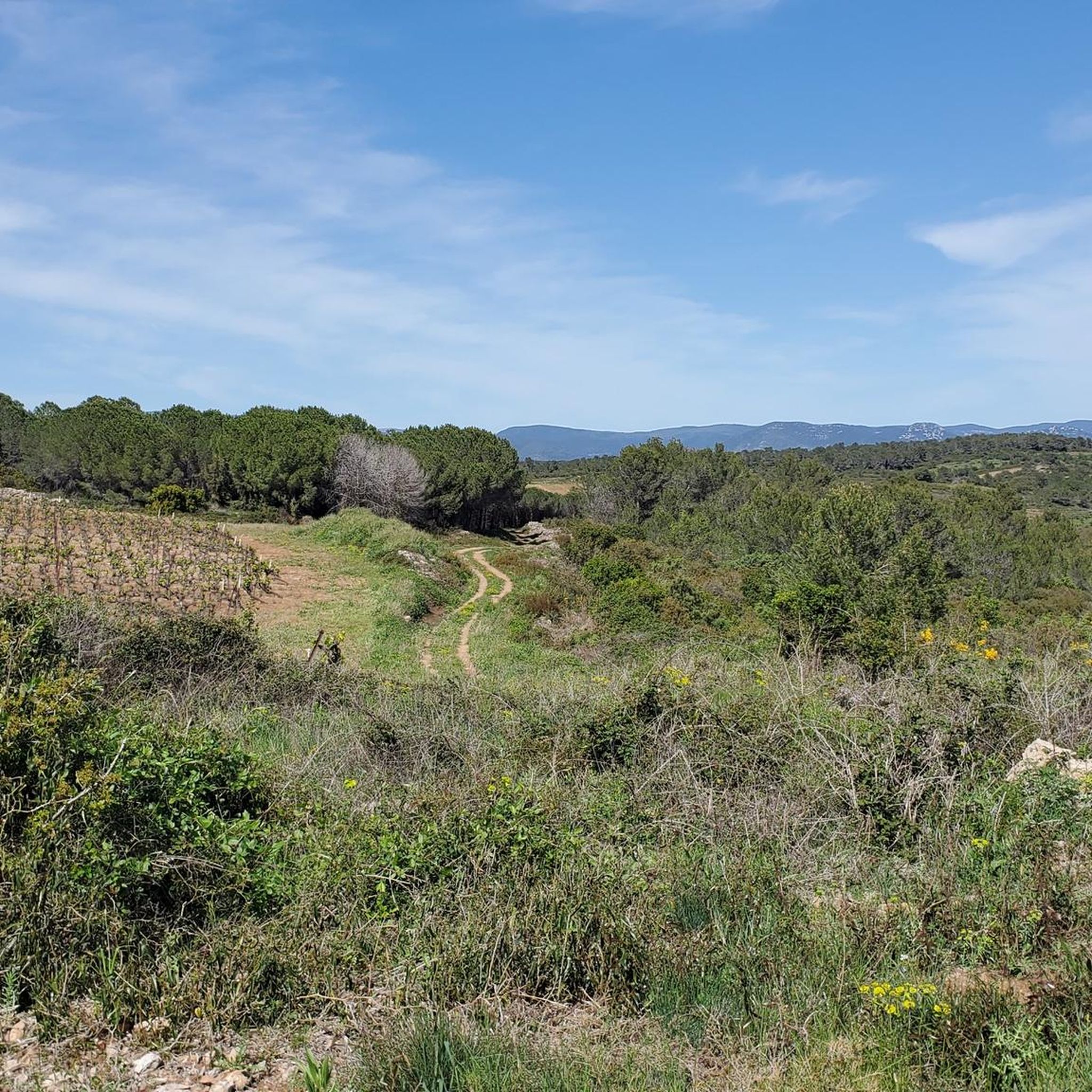
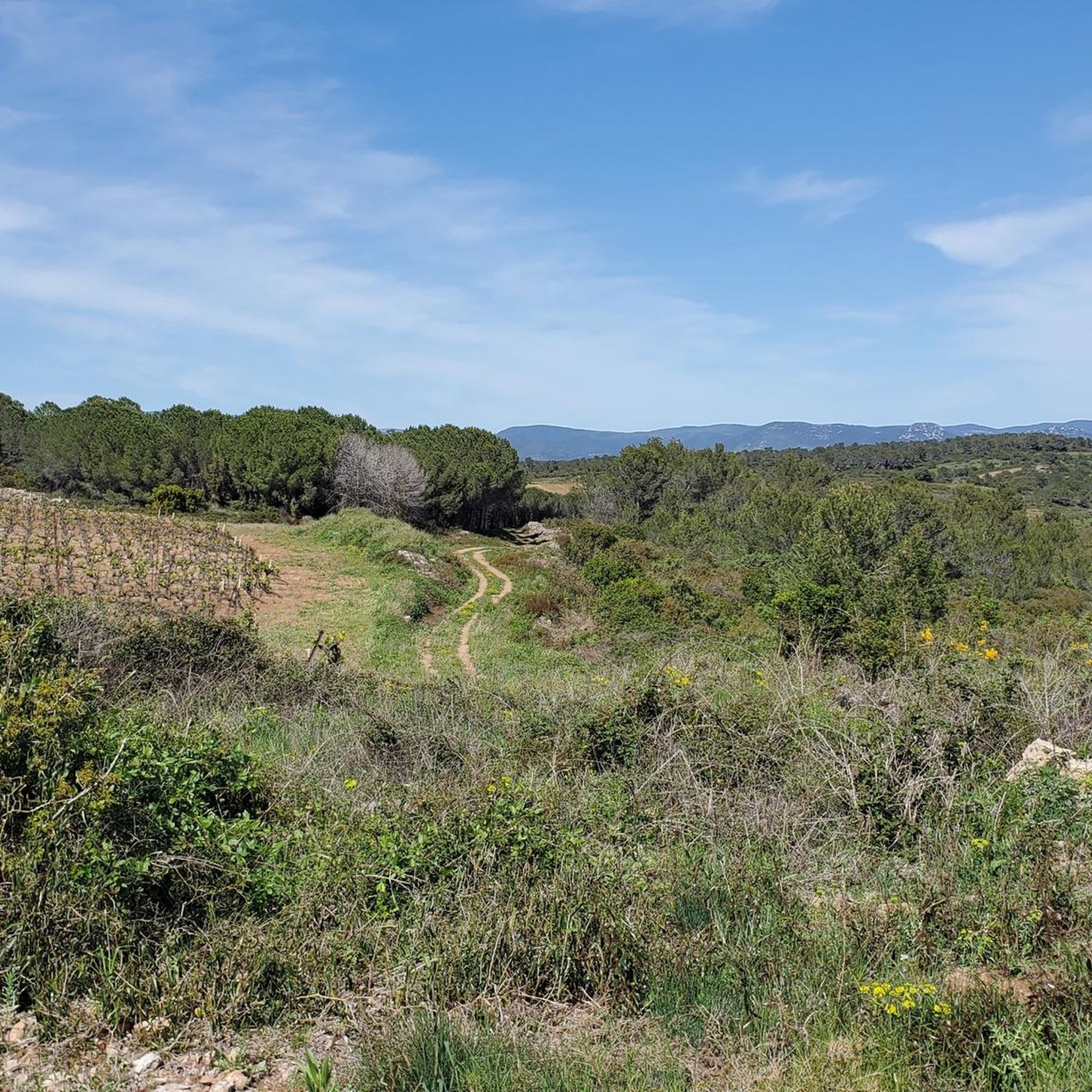
This rest area offers one of the most beautiful viewpoints on the D612 overlooking the Saint-Chinianais region and the first reliefs of the Haut-Languedoc. Below, the village of Pierrerue clings to the side of a hill, while in the distance, the characteristic silhouette of the Caroux massif is particularly visible. This place is also steeped in memory: the Col de Fontjun was the scene, in August 1944, of fierce fighting between Resistance maquisards and German troops. A few meters past the rest area, by the side of the D612, a monument now commemorates this tragic episode and pays tribute to the resistance fighters who fell during these clashes.
0
0
Roquebrun is much more than a pretty village on the banks of the Orb. Occupied since the Neolithic period, it is dominated by a Carolingian tower built around 900 to watch over the valley. But what makes it truly unique is its microclimate: sheltered from the north winds, it hosts orange, lemon, palm, and cactus trees in the open ground, a very rare phenomenon in the Hérault hinterland. This mildness has earned it the nickname of the "Nice of the Hérault" and has allowed the creation of a remarkable Mediterranean Garden on the terraces overlooking the village. An essential detour, as much for its history as for its atmosphere.
0
0

Several walking options are available. Either an out-and-back on the paved road starting from Cruzy (7.4km, 130m elevation gain), or a loop that turns towards Villespassans without actually reaching it, skirting around L'Estagnol and descending to the right to the Chapel of Sainte Foi (10km, 210m elevation gain). A small correction regarding the incorrect names: The first gorge at Roquefourcade (the village spring) is called Marie-Coquette, the ruined building after the small Chapel of Sainte Foi is called the Sainte Foi Sheepfold, and the second gorge that climbs towards Les Gyssières (Platières) is called Marie-Close. This walk is especially recommended after the spring rains when there is water in the Nazoure River and waterfalls at Marie-Close.
0
0

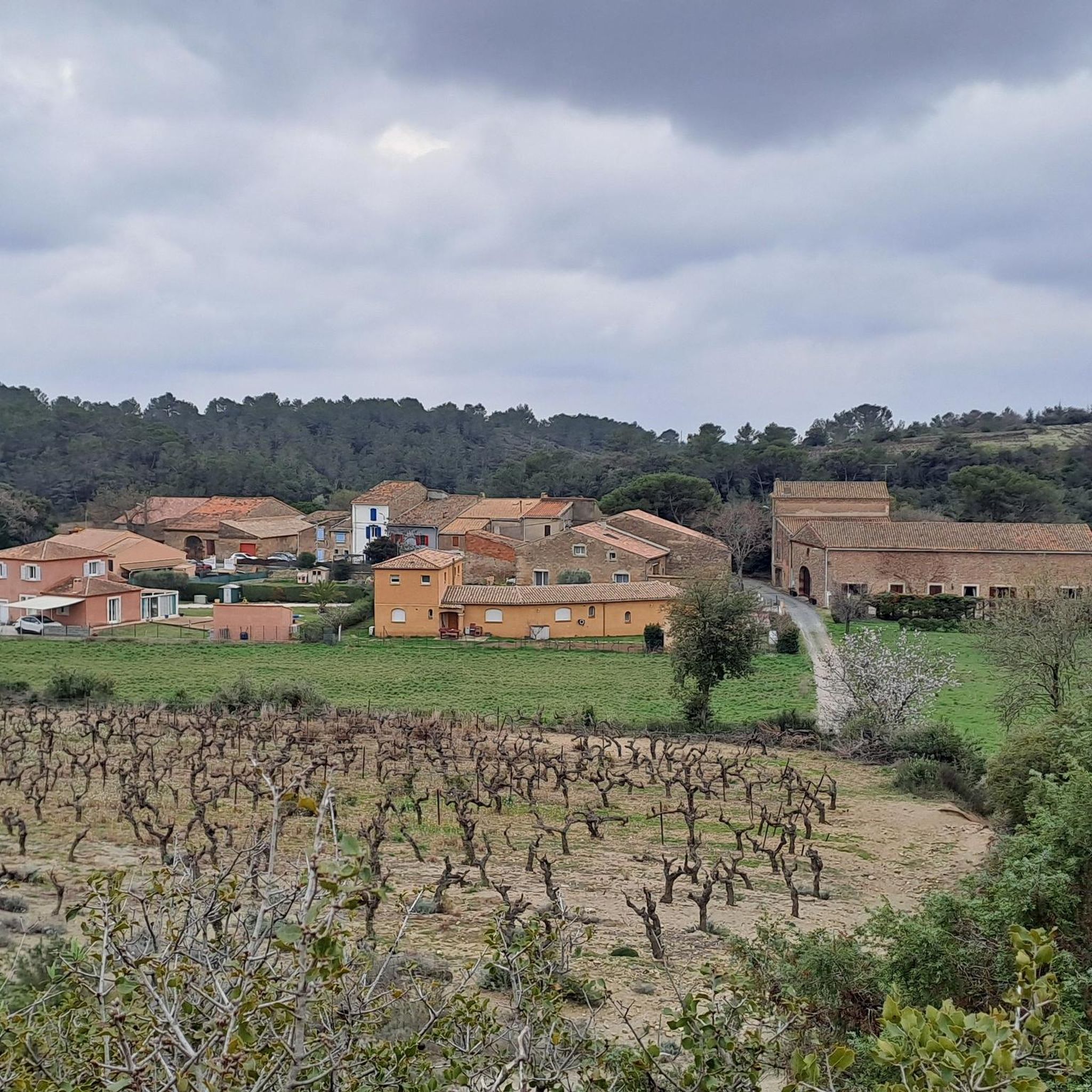
With its tree-lined squares, fountains, and narrow streets, Capestang is a lively village with a typical Mediterranean atmosphere. The village is located just twenty kilometers from the sea. Who would suspect, passing through, that its fate was long linked to the harvesting of sea salt? Indeed, the pond that gave it its name, "Lou Cap de l'estang" (meaning "the head of the pond"), brought wealth to the town around the 14th century. Largely dried up today, it is reborn with the rains and floods, creating a protected wetland landscape classified as a Natura 2000 site, where various species of birds and flamingos come to nest. Thanks to its salt marshes, its fertile land, and its geographical location at the crossroads of trade routes, Capestang experienced its golden age in the Middle Ages. From this rich historical past remain unique monuments that make Capestang such a singular city, where life is good.
1
0
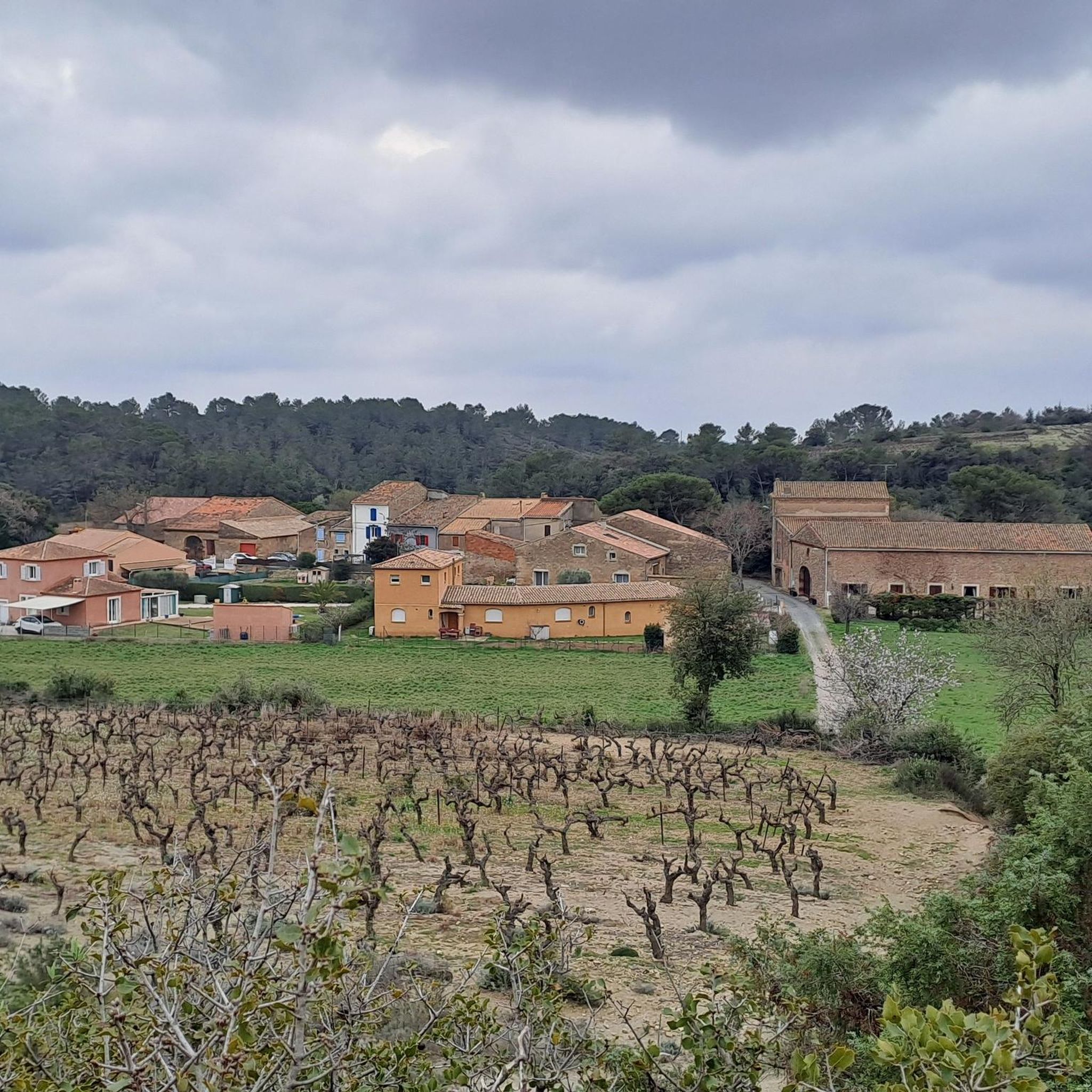
The Abbey of Sainte-Marie de Fontcaude is a former Premonstratensian abbey dating from the 12th century, located in the commune of Cazedarnes in the French department of Hérault in the Occitanie region, of which it is in fact a hamlet, on the edge of the territory of Cazouls-lès-Béziers. The name means "hot fountain" in Occitan.
0
0

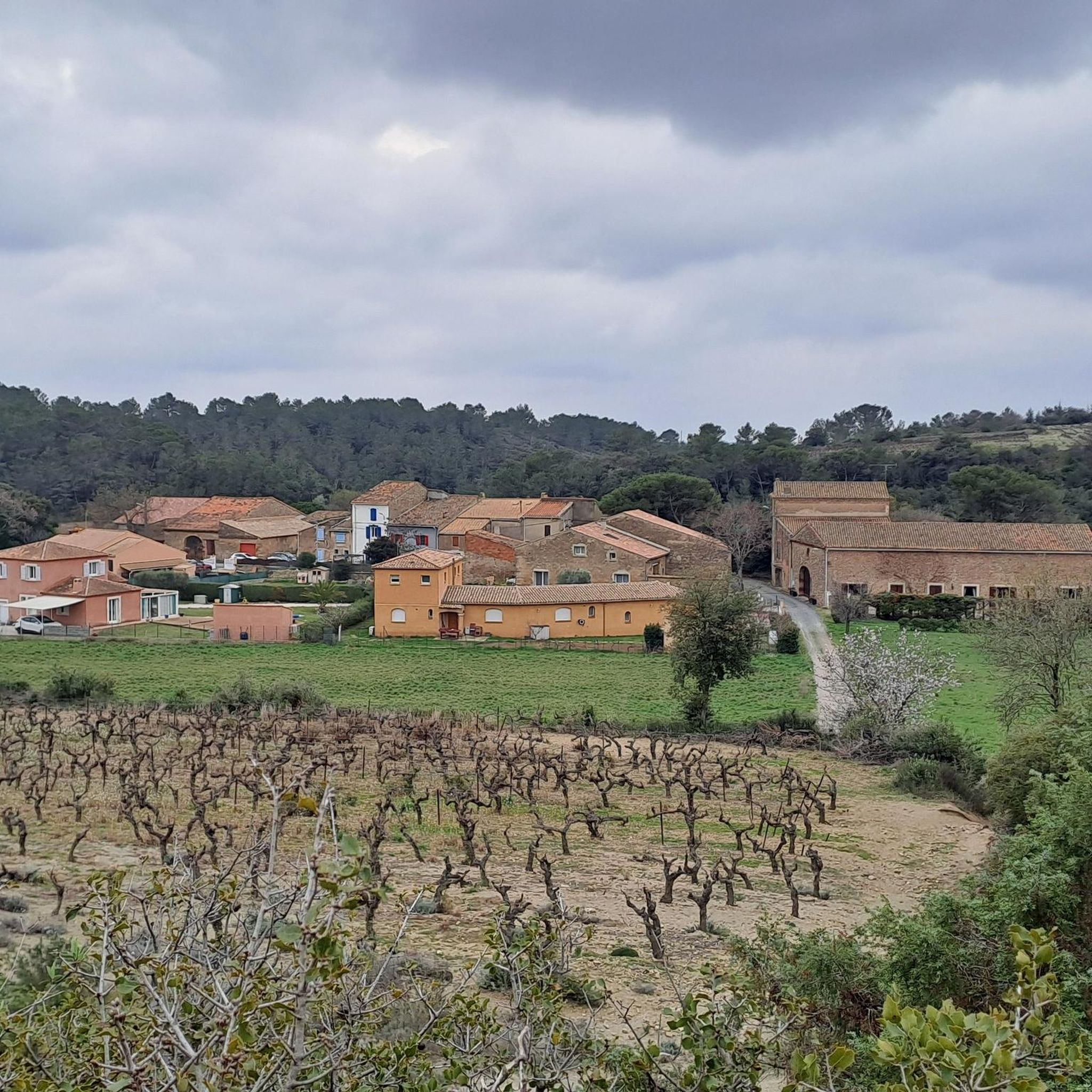
This beautiful village, bordered by the Orb, is one of the gateways to the Haut-Languedoc regional natural park. Fossil hunters love this place because it has Ordovician flyschists nearby. In other words, a sedimentary rock which contains numerous marine fossils dating from the Ordovician (i.e. 485 to 443 million years old.)
0
0

This pretty little village located on the banks of the Canal du Midi was built around the superb Saint-Etienne collegiate church. At the crossroads of several rivers, it is also the starting point of the GR 78, the Piedmont route.
1
0

Pretty valley. From Cruzy, once out of the parade (after 3.9km), it is possible to turn left for a return via Montplo le Bas, or right to go around Estagnol and return a little before entering the parade (at the level of the Chapel of Sainte-Foi).
2
0
Frequently Asked Questions
What natural attractions can I explore around Cébazan?
The Cébazan area offers several natural features. You can discover the scenic Marie Close gorge, especially beautiful after spring rains when waterfalls are present. The village is also bordered by the Lirou stream, and Montmajour hill provides elevated views. For a longer outdoor experience, consider the 7.7 km dolmen hike to discover ancient megalithic structures amidst scenic landscapes.
What historical sites are there to visit in and around Cébazan?
Cébazan and its surroundings are rich in history. You can visit the Abbaye de Fontcaude, a restored 12th-century Premonstratensian abbey. Within Cébazan, explore the remnants of Camp Redon Castle, the Chapel of Saint Bauléry, and the old Lime Kiln. Don't miss the picturesque Ruins of Saint Baulery Castle, a site where time seems suspended. The village also features a trompe-l'œil mural at its entrance and a road known as "Imperial Street," linked to local lore about Napoleon.
Are there opportunities for cycling or mountain biking near Cébazan?
Yes, the Cébazan area is well-suited for cycling. There are two dedicated mountain bike trails within Cébazan itself. For road cycling and touring, you can find numerous routes, including those that pass through scenic areas like the gorges of the Orb or feature historical landmarks. Explore options like the "Bridge of the Old Railway Line loop" or the "Entrance to Hérault Department – Trompe-l'œil in Cébazan loop." You can find more details on routes in the Cycling around Cébazan and Road Cycling Routes around Cébazan guides.
Where can I go hiking or running around Cébazan?
There are several options for hiking and running. The 7.7 km dolmen hike is a popular choice for discovering ancient megalithic structures. For more structured routes, you can find various running trails, such as the "Nice fireroad loop from Cébazan" or the "Viewpoint loop from Saint-Chinian." These routes offer diverse distances and difficulty levels. More detailed information and routes are available in the Running Trails around Cébazan guide.
Can I go canoeing or kayaking on the Orb River near Cébazan?
Yes, the Orb River, located about 10-12 km from Cébazan, offers opportunities for canoeing and kayaking. Operators like Canoë Roquebrun and Reals Canoeing provide options for enjoying the river, particularly around the picturesque village of Roquebrun.
What cultural experiences related to wine are available in the Cébazan area?
The Cébazan area is known for its viticulture. You can visit the Union Caves Coopératives De Cébazan to learn about local wine-making traditions. The nearby village of Saint-Chinian, just 3 km away, is renowned for its wines. Additionally, the surrounding area, including places like Mirepeisset, features wineries such as Domaine de l'Herbe Sainte, which often offer tours and tastings.
What is the best time of year to visit Cébazan for outdoor activities?
The spring and autumn months are generally ideal for outdoor activities around Cébazan. Spring brings lush greenery and waterfalls in areas like the Marie Close gorge after rains. Autumn offers pleasant temperatures for hiking and cycling, with the added beauty of changing foliage. Summers can be hot, so early mornings or late afternoons are best for activities during this season.
Are there any family-friendly attractions or activities around Cébazan?
While specific family-focused attractions are not detailed, the natural landscapes offer family-friendly outdoor experiences. Easy walking trails, such as parts of the dolmen hike or gentle sections of the cycling routes, can be enjoyed by families. The picturesque village of Roquebrun with its river setting and Mediterranean garden, about 12 km away, could also be a pleasant outing for families.
What is <a href="https://www.komoot.com/highlight/3045068" target="_blank" rel="noopener">Roquebrun</a> and why is it a popular spot?
Roquebrun is a beautiful village bordered by the Orb River, serving as a gateway to the Haut-Languedoc Regional Natural Park. It's popular for its picturesque setting and is a favorite among fossil hunters due to the nearby Ordovician flyschists, which contain numerous marine fossils dating back millions of years.
Are there any significant engineering marvels or unique historical structures nearby?
Yes, about 19.9 km from Cébazan in Beziers, you can find the Fonseranes 9 Locks. This is a significant engineering marvel on the Canal du Midi, consisting of a staircase of locks that allows boats to navigate a considerable change in elevation. It's a fascinating site for those interested in historical infrastructure.
What is the Haut-Languedoc Regional Natural Park and how far is it from Cébazan?
The Haut-Languedoc Regional Natural Park is a vast protected area offering extensive opportunities for enjoying natural scenery and outdoor activities. It is located approximately 20 km from Cébazan. The village of Roquebrun, a popular highlight, serves as one of its gateways.
What is the <a href="https://www.komoot.com/highlight/7401909" target="_blank" rel="noopener">Saint Stephen's Collegiate Church</a> and where is it located?
The Saint Stephen's Collegiate Church is a 13th-century collegiate church located in the center of Capestang. It features a prominent 43-meter-high bell tower and has been classified as a historical monument since 1906. It's a notable historical site for those interested in religious architecture.
Most popular routes around Cébazan

Get inspired with the komoot mobile app


Explore more
Still not found the Highlight you’re looking for? See guides of the top attractions in other regions:
