Attractions and Places To See around Sallertaine - Top 20
Best attractions and places to see around Sallertaine include a blend of historical sites, natural landscapes, and cultural experiences. Situated within the Marais Breton Vendéen, this village was historically an island surrounded by salt marshes. Sallertaine is recognized as a "Ville et Métier d'Art," highlighting its vibrant craft scene. The area offers diverse opportunities for exploration, from marshland routes to historical landmarks.
Best attractions and places to see around Sallertaine
- The most popular attractions is Bicycle path - Pays-de-Monts national…
Last updated: October 9, 2026
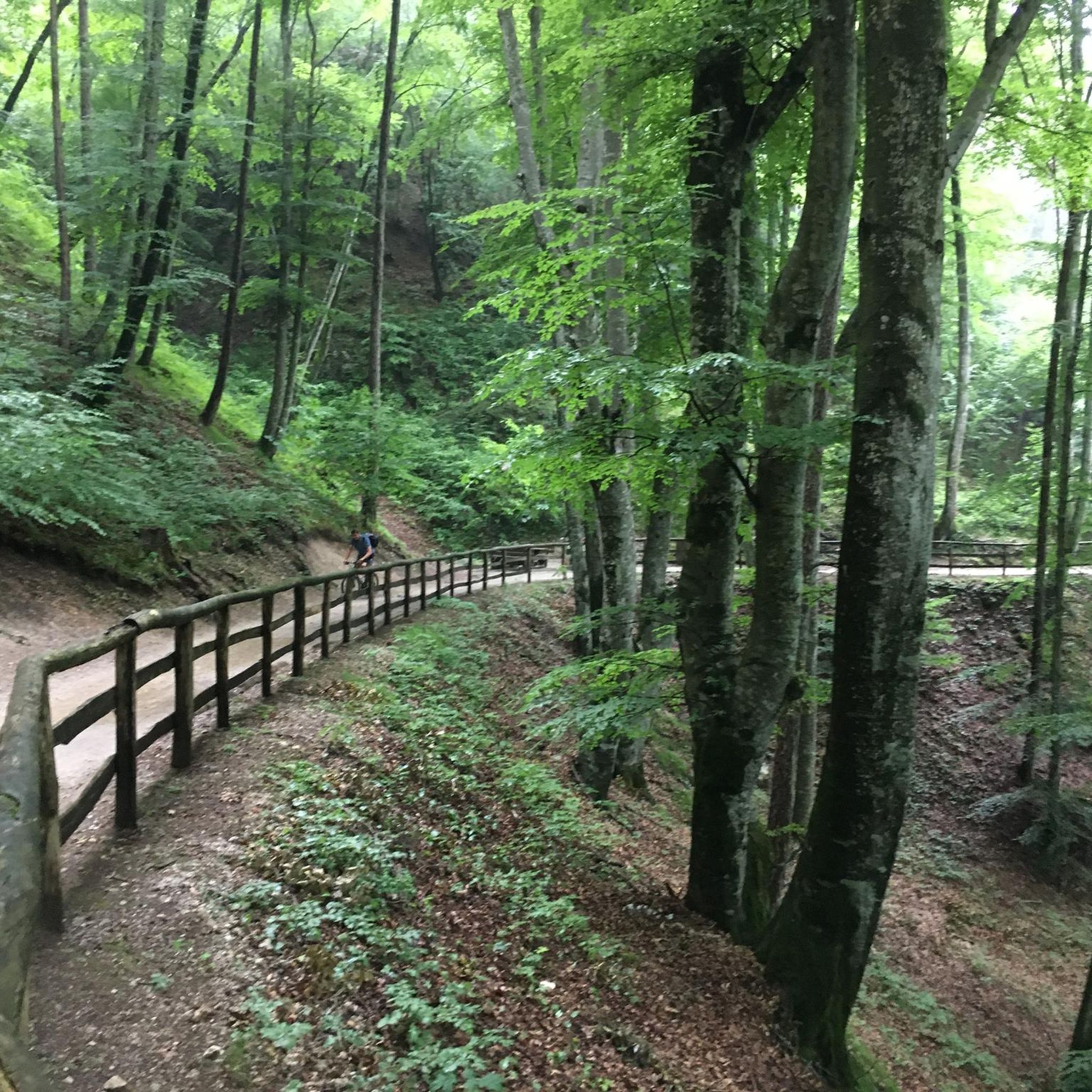
Bicycle path - Pays-de-Monts national forest
Highlight • Cycleway
Translated by Google •
Tip by

Sallertaine
Highlight • Religious Site
The Romanesque church, the artisan island, the garden of Vaulieu, the old mill and the mill of Rairé make it an exceptional site.
Translated by Google •
Tip by

Sign up now to discover places like this
Get recommendations on the best single tracks, peaks, & plenty of other exciting outdoor places.
Stork Nest Observatory
Highlight • Other
In recent years, many pairs of storks have taken up residence for the winter in Châteauneuf.
They arrive in January.
And around July 15th, the …
Translated by Google •
Tip by
Old Saint Martin Church
Highlight • Religious Site
Translated by Google •
Tip by

Saint-Jean-Baptiste Church of Saint-Jean-de-Monts
Highlight • Religious Site
Translated by Google •
Tip by

Sign up for free to discover even more attractions around Sallertaine.
Already have an account?
Start today with a free account
Your next adventure awaits.
Tips from the Community

Trail in the middle of the pine forest... It's so nice!!
0
0

Small village worth a detour, especially for its beautiful, perfectly preserved medieval church and the Rairé mill.
0
0

The Saint-Martin church is a 11th and 12th century church located in Sallertaine, France. It belongs to the diocese of Luçon. It is dedicated to Saint Martin. This church is the remnant of an old priory founded at the beginning of the 11th century, dependent on the abbey of Marmoutier. Some masonry from the primitive church remains in the walls. The current state of the building is the result of a major reconstruction carried out at the end of the 12th century. The church was consecrated in 1173 by the bishop of Poitiers. The vaulting of the crossing of the transept presents a unique curiosity in the West of France. Clearly seeking to imitate the so-called Plantagenet Gothic style, the master mason, who does not seem familiar with this new technique, created a Romanesque dome, sufficient in itself, which he adorned with ribs, without structural necessity, but which gives it an appearance evoking the Angevin vaults. Some elements of frescoes remain in the nave, which was once entirely covered, particularly an exceptional crucifixion where Christ still has his eyes open. Part of the nave was demolished. The church suffered damage in 1568 during the Wars of Religion. Major restorations took place from 1617 onwards. The narrow Romanesque windows were enlarged, the crossing is surmounted by a timber spire. Three altarpieces adorn the apse and the transepts, leading to the destruction of the south absidiole and the installation of the sacristy in the south one, separated from the transept by a wall supporting the new altar. Damaged during the revolution, becoming too narrow in the 19th century, it was replaced by a new parish church in 1906. It should then have been destroyed, but Father Grelier, an archaeology enthusiast, managed to have it classified as a historical monument in 1910 and 1912. However, the classification did not include the western end of the nave, which the municipality had demolished in 1915. https://fr.wikipedia.org/wiki/Ancienne_%C3%A9glise_Saint-Martin_de_Sallertaine
0
0
The Saint-Martin church is an 11th and 12th century church located in Sallertaine, France[1]. It belongs to the diocese of Luçon. It is dedicated to Saint Martin. This church is the remainder of an old priory founded at the beginning of the 11th century, dependent on the abbey of Marmoutier. Some masonry from the primitive church remains in the walls. The current state of the building is the result of a major reconstruction carried out at the end of the 12th century. The church was consecrated in 1173 by the bishop of Poitiers. The vaulting of the crossing of the transept presents a unique curiosity in Western France. Clearly seeking to imitate the so-called Plantagenet Gothic style, the master mason, who does not seem familiar with this new technique, created a Romanesque dome, sufficient in itself, which he adorned with ribs, without structural necessity, but which gives it an appearance evoking the Angevin vaults. Some elements of frescoes remain in the nave, which was once entirely covered, particularly an exceptional crucifixion because Christ still has his eyes open. Part of the nave has been demolished. The church suffered damage in 1568 during the Wars of Religion. Major restorations took place from 1617. The narrow Romanesque windows were enlarged, the crossing is surmounted by a timber spire. Three altarpieces adorn the apse and the transepts, leading to the destruction of the south absidiole and the installation of the sacristy in the southern one, separated from the transept by a wall supporting the new altar. Damaged during the revolution, becoming too narrow in the 19th century, it was replaced by a new parish church in 1906. It should then have been destroyed, but Abbot Grelier, passionate about archaeology, managed to have it classified as a historical monument in 1910 and 1912. However, the classification only included the western end of the nave, which the municipality had demolished in 1915. https://fr.wikipedia.org/wiki/Ancienne_%C3%A9glise_Saint-Martin_de_Sallertaine
0
0

Lots of tarmac for little quiet road, I do not recommend
0
0

Magnificent Romanesque church from the 11th and 12th centuries 😍
0
0

Beautiful little church in the middle of the historic town centre. The square in front of it offers a good starting point for hikes
1
0
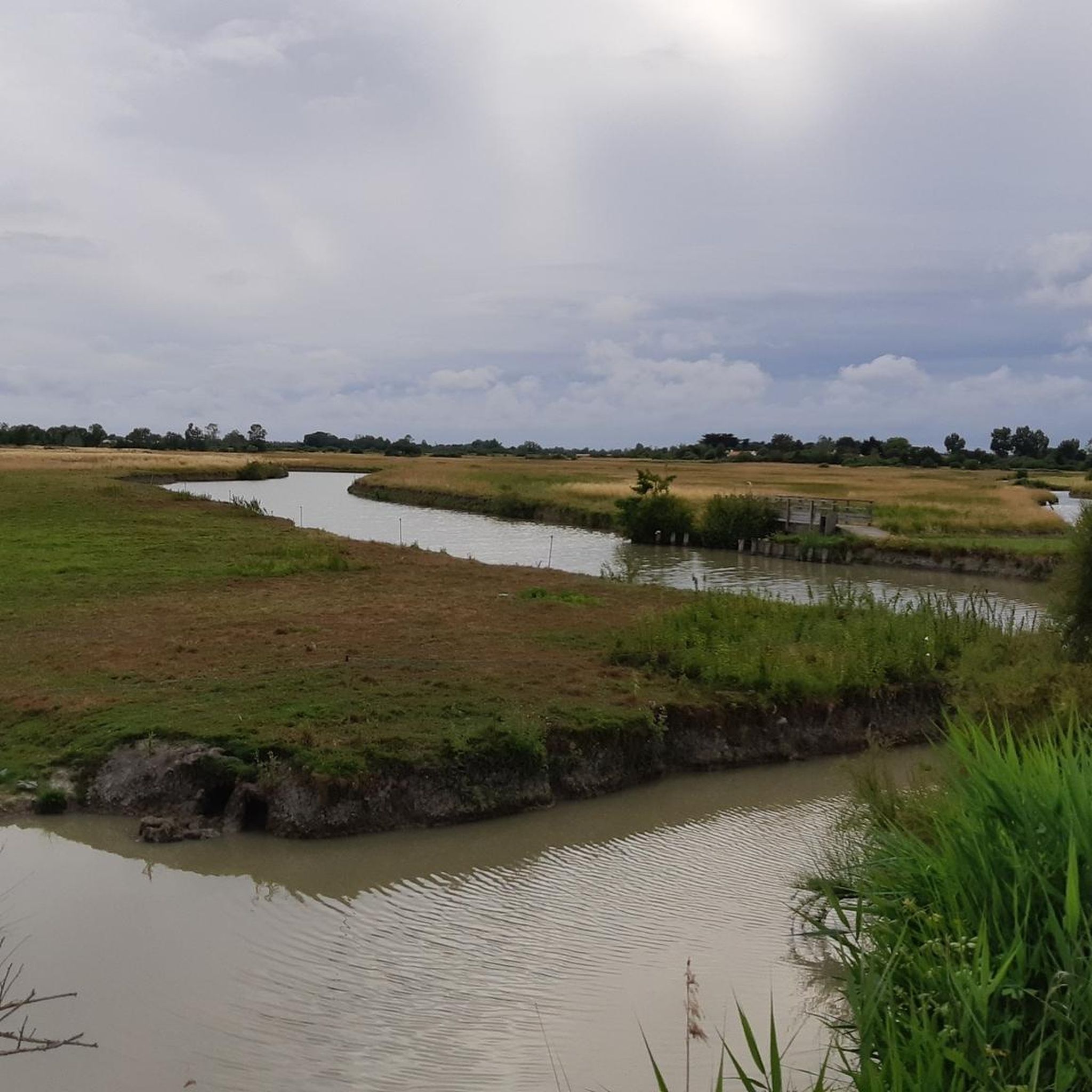
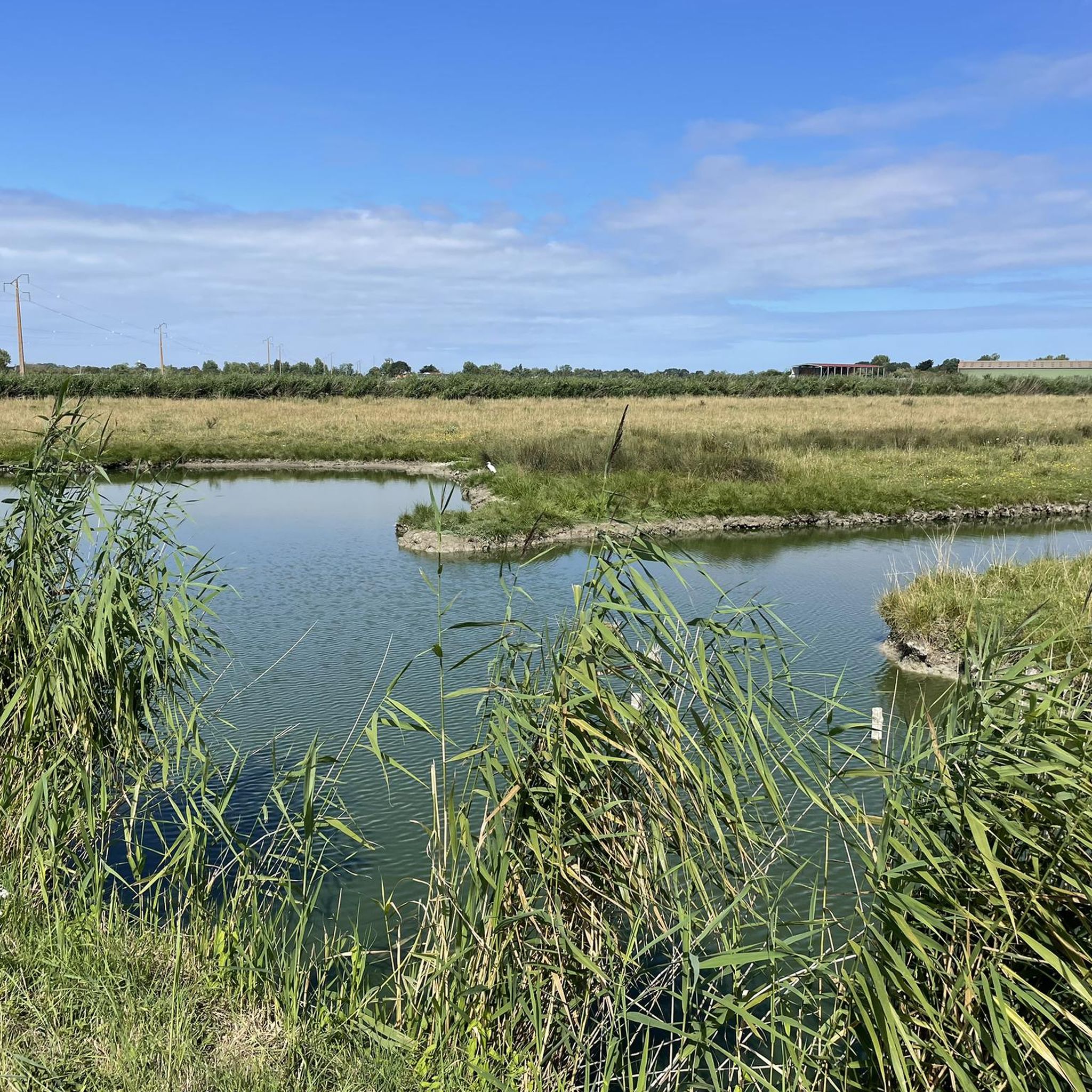
This observatory was placed opposite a stork nest. I was lucky enough to observe some, but you can also see a lot of them all along the "path" of the Storks. "Path" which is in places the road, in places the path and in places the path. Storks are migratory birds so you won't necessarily see them all year round. In general they leave at the end of summer, when the marshes are too dry, and return in mid-winter when they are swollen again and not too cold.
1
0
Frequently Asked Questions
What historical landmarks or cultural sites should I visit in Sallertaine?
Sallertaine is rich in history and culture. Don't miss the Saint-Martin Church, a beautiful fortified Romanesque church dating back to the 12th century. Another significant site is the village of Sallertaine itself, known for its artisan island and the Garden of Vaulieu. You can also visit the Windmill of Rairé (Moulin de Rairé), which has been continuously operating by wind power since 1560, and La Bourrine à Rosalie, a heritage museum offering insight into traditional life in the Marais Breton.
What natural features can I explore around Sallertaine?
Sallertaine is nestled within the Marais Breton Vendéen, offering picturesque marshland landscapes. You can explore the Jardin de Vaulieu, a botanical garden built in an old limestone quarry, showcasing approximately 2,000 plant varieties. The area's hydrography, with numerous waterways, is a defining natural feature.
Can I explore the Marais Breton Vendéen by canoe or bike?
Yes, the La Route du Sel (The Salt Route) offers a unique way to explore the Marais Breton Vendéen by canoe, bicycle, or on foot. This activity provides an educational and fun discovery of the marsh's environment, biodiversity, and historical sites. Guided tours, including 'canoe in the wind' visits, are available.
What outdoor activities and trails are available near Sallertaine?
The region around Sallertaine offers various outdoor activities. You can find numerous road cycling routes, such as the 'Sallertaine loop from Sallertaine' or the 'Rairé Windmill – Sallertaine loop from Sallertaine'. For gravel biking, options like the 'Port des Champs – Étier des Champs loop from Saint-Gervais' are available. Running enthusiasts can enjoy trails like the 'Running loop from Pont Habert' or the 'Sallertaine – Moulin de Rairé loop from Sallertaine'. You can find more details on these and other routes in the Road Cycling Routes around Sallertaine, Gravel biking around Sallertaine, and Running Trails around Sallertaine guides.
Where can I observe wildlife, especially storks, near Sallertaine?
You can visit the Stork Nest Observatory, which faces an artificial perch. Many pairs of storks reside in the area during winter and spring, typically arriving in January and departing around mid-July. Binoculars are recommended for a better viewing experience.
Are there family-friendly attractions in Sallertaine?
Yes, Sallertaine offers several family-friendly options. Children can interact with various animals at L'îlot Zanimo, an educational farm. The Windmill of Rairé provides engaging guided tours, and exploring the La Route du Sel by canoe or bike is also a popular family activity. The Bicycle path - Pays-de-Monts national forest is also a great option for families.
What is Sallertaine known for culturally, especially its artisan scene?
Sallertaine is recognized as a 'Ville et Métier d'Art' (City of Art and Crafts) and is renowned for its vibrant craft scene. The village features L'île aux artisans (Island of Artisans), where numerous workshops showcase the skills of potters, jewelers, fabric specialists, cabinetmakers, ironworkers, and glassblowers. Visitors can often watch artisans at work and even participate in workshops.
When is the best time to visit Sallertaine and what seasonal activities are there?
Sallertaine is enjoyable throughout the year, but summer offers special cultural events like 'Nuits à Sallertaine,' featuring street performances, concerts, and exhibitions within artisan workshops. The 'Fête des Lumières' takes place in November. Storks can be observed from January to mid-July. The natural beauty of the Marais Breton Vendéen is accessible in various seasons for cycling, walking, or canoeing.
Are there dog-friendly activities or trails in Sallertaine?
While specific dog-friendly trails are not detailed, many outdoor areas in the Marais Breton Vendéen, including parts of La Route du Sel, are generally suitable for walks with dogs, provided they are kept on a leash. It's always advisable to check local regulations for specific attractions or natural reserves.
Where can I find parking for attractions in Sallertaine?
Parking is generally available in and around the village center for attractions like the Saint-Martin Church and L'île aux artisans. For the Windmill of Rairé and access points to La Route du Sel, designated parking areas are typically provided nearby. Specific parking details for each site may vary, so look for local signage upon arrival.
What do visitors enjoy the most about Sallertaine?
Visitors particularly appreciate Sallertaine's blend of history, nature, and artisan culture. The Romanesque church, the artisan island, and the Garden of Vaulieu are frequently highlighted. The opportunity to cycle through the Pays-de-Monts national forest and observe storks at the Stork Nest Observatory are also highly rated experiences.
Most popular routes around Sallertaine

Get inspired with the komoot mobile app


Explore more
Still not found the Highlight you’re looking for? See guides of the top attractions in other regions:
