The best walks and hikes around Montaigu
4.5
(179)
904
hikers
36
hikes
Hiking around Montaigu offers diverse terrain characterized by its hilly landscape and lush river valleys, notably the Maine and Asson rivers. The town is historically situated on a rocky spur, providing elevated viewpoints. The region features abundant greenery, including shaded riverbanks and areas with vineyards. These natural elements create varied environments for outdoor activities.
Best hiking trails around Montaigu
- The most popular hiking route is On the ramparts – Montaigu Castle loop from Montaigu-Vendée, an 8.8 miles (14.2 km)…
Last updated: October 5, 2026
4.4
(5)
35
hikers
13.5km
03:31
90m
90m
Moderate hike. Good fitness required. Easily-accessible paths. Suitable for all skill levels.
5.0
(1)
8
hikers
26.9km
06:59
170m
170m
Hard hike. Very good fitness required. Easily-accessible paths. Suitable for all skill levels.

5.0
(3)
11
hikers
12.2km
03:10
80m
80m
Moderate hike. Good fitness required. Easily-accessible paths. Suitable for all skill levels.
4.3
(3)
14
hikers
11.3km
02:56
70m
70m
Moderate hike. Good fitness required. Easily-accessible paths. Suitable for all skill levels.
1.0
(1)
7
hikers
4.58km
01:12
40m
40m
Easy hike. Great for any fitness level. Easily-accessible paths. Suitable for all skill levels.
Get access to more routes and recommendations from other explorers.
Already have an account?
Our route recommendations are based on thousands of hikes, rides, and runs completed by other people on komoot.
Start today with a free account
Your next adventure awaits.


Tips from the Community

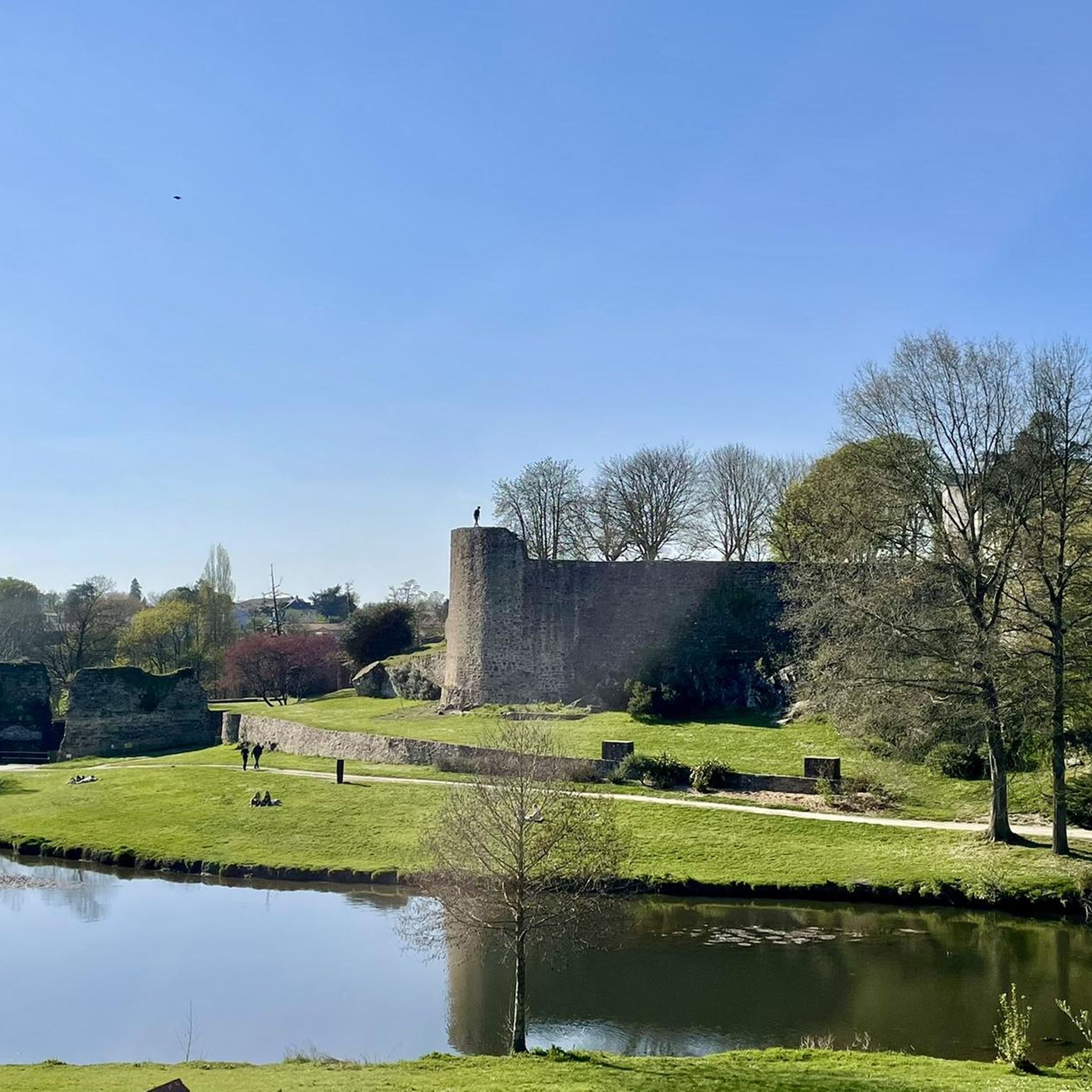
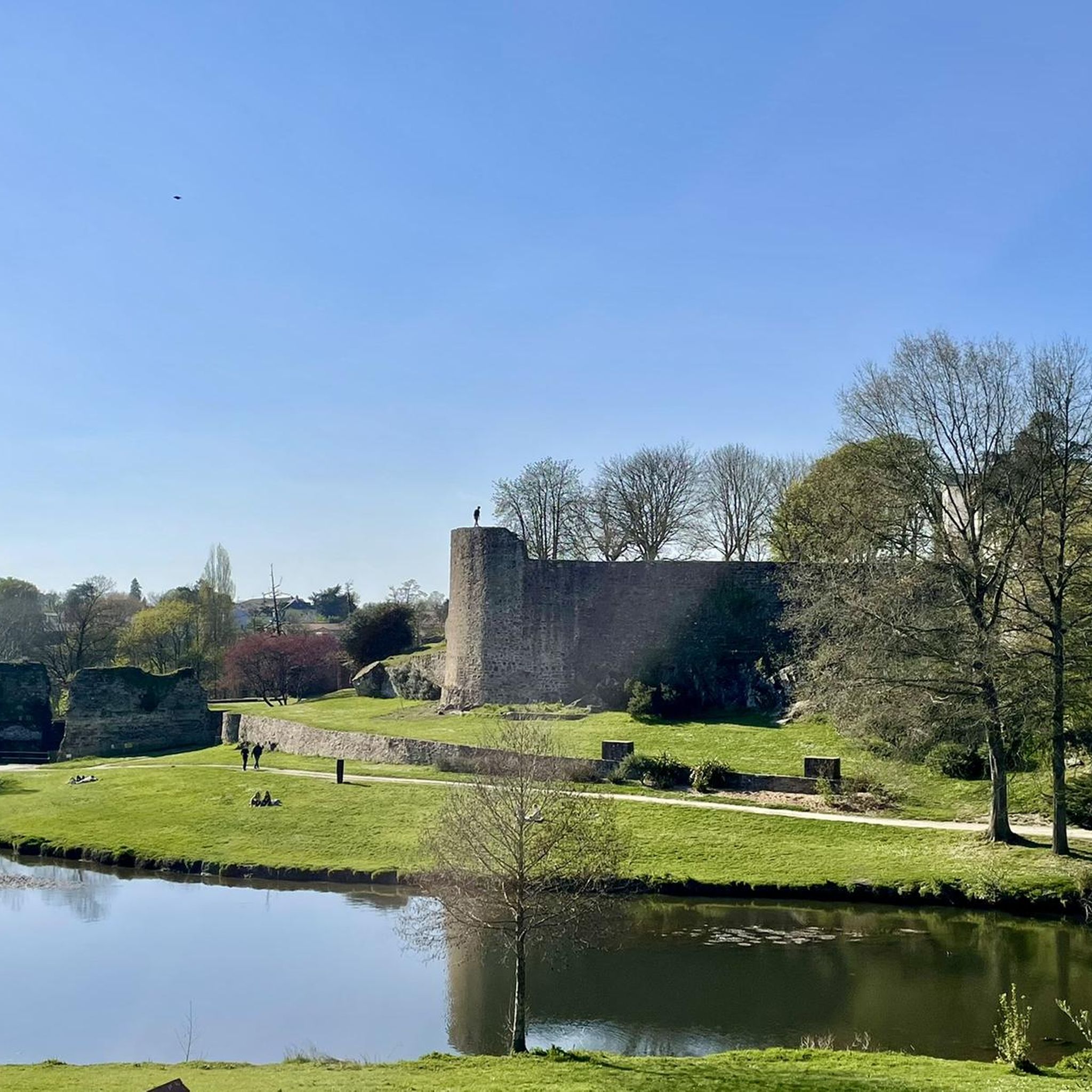
The Asson is the stream that flows into the Maine at the level of the castle. The small body of water in the castle park is formed by the Asson.
0
0
A beautifully restored old watermill, in the heart of a beautiful natural site.
0
0
19th century church whose unfinished bell tower was topped with a slate spire which clashes a little - a lot - with the rest of the monument.
0
0

The River House is a preserved natural setting spanning over 10 hectares where art and nature blend together. Imagine a river and its watermill, surrounded by 10 hectares of nature... Boat trips on the Grande Maine, family treasure hunts, twilight strolls, onboard drinks, and an art exhibition with free access on the shaded banks and in the old mill.
0
0
Located east of the Parc des Remparts, the first part of the Val d'Asson Park opened in September 2020. The second part will open in July 2023. In total, it covers 5 hectares of greenery in the heart of the city. Located in the city center, parking is available at Place de l'Hôtel-de-Ville or Rue du Pont-Jarlet. Admission is free and the park is open year-round. The various paths and footbridges are accessible to people with reduced mobility. The 5 hectares of parkland connect the city center with the Hauts de Montaigu district. Crossed by the Asson River, the park features a variety of vegetation that grows along the stream's banks. When it was created, the preservation of flora and fauna was a major objective. An eco-grazing area was created there.
0
0
The Church of Saint-Jean-Baptiste is Gothic in style and features an imposing façade. It is built of stone and features ornate carved details. The façade features a richly decorated main portal, adorned with statues, reliefs, or architectural motifs. Inside the church, you will find a spacious, vaulted main nave supported by pillars or columns. The vaults feature decorative star and ribbed motifs typical of Gothic architecture. Restored over a period of five years, the interior of the building now reveals warm colors ranging from yellow to pinkish-red. Colored stained-glass windows are also a characteristic feature of Gothic churches, and the Church of Saint-Jean-Baptiste has magnificent stained-glass windows depicting biblical scenes and saints. In summary, the Church of Saint-Jean-Baptiste in Montaigu is an example of Gothic architecture with an imposing façade and decorative elements. It houses side chapels, a choir, a main altar, and colorful stained-glass windows. In addition to its aesthetic appeal, it is also an active place of worship and a significant historical landmark for the local community. The Church of Saint John the Baptist in Montaigu has a rich history dating back several centuries. Here is a brief overview of its history: The original church in Montaigu was built in the 11th century, but little information is available about this early structure. Over the following centuries, the church underwent alterations and expansions, reflecting changing architectural styles. In the 14th century, the church was rebuilt in the Gothic style, with a spacious main nave, elegant vaults, and carved details. Construction was completed in the 15th century, giving the church its current appearance. During the French Revolution in the 18th century, the Church of Saint John the Baptist was used for secular purposes. It was converted into a community hall and suffered significant damage, including the destruction of decorative and religious elements. After the Revolution, the church was gradually restored and returned to worship. Repair and renovation work was undertaken to restore damaged architectural features. Over the years, modifications and improvements were made to the Church of Saint-Jean-Baptiste. Side chapels were added, stained-glass windows were installed, and religious ornaments were restored. Today, the Church of Saint-Jean-Baptiste is an active place of worship for the Catholic community of Montaigu. It is also a tourist and cultural attraction, attracting visitors with its Gothic architecture, stained-glass windows, and history. Religious events, ceremonies, and concerts are regularly held there.
0
0
. Originally, there was an ovoid-shaped enclosure flanked by about ten towers and a gatehouse, located to the northeast. The fortified town was located to the north of the fortress and extended a little to the east. A dry moat separated the fortified town from the fortress. A barbican protected the gatehouse. A Romanesque keep of the Niort type, with its courtyard and small enclosure, was located in the castle courtyard, roughly in the middle in the north-south direction and located to the west. The fortified city extended from the rue de Gaulle, a gate was located at the level of the Carré de l'Europe (the porte de Nantes), then the ramparts continued along the rue de la Place du Champ de Foire, then went back down the Esplanade des Olivettes, where a gate was located towards the roundabout of the rue des Jardins (porte de Tiffauges) then the ramparts ran along the Asson to go up the rue du Pont Jarlet and around the barbican not far from the Presbytery The dry moats surrounding the city were 16 meters deep in the 15th century, today they are flowered and are the subject of different colored squares decorating this part of the ramparts.
0
0
Frequently Asked Questions
How many hiking trails are available around Montaigu?
Montaigu offers a wide variety of hiking experiences, with over 30 distinct trails to explore. These routes cater to different fitness levels, ranging from easy strolls to more challenging treks through the region's diverse landscapes.
What kind of terrain can I expect on hikes in Montaigu?
The hiking trails around Montaigu feature a diverse landscape characterized by its hilly terrain and lush river valleys, particularly along the Maine and Asson rivers. You'll encounter historical rocky spurs, shaded riverbanks, and even areas with vineyards, providing varied environments for outdoor activities.
Are there any family-friendly hiking options in Montaigu?
Yes, Montaigu has several trails suitable for families. Many of the easier routes offer pleasant walks through natural settings. For example, the areas around the Beau Soleil natural site with its pond, or the preserved natural site of the River House, provide accessible paths and engaging natural surroundings for all ages.
Can I find circular hiking routes in Montaigu?
Absolutely. Many of Montaigu's hiking trails are designed as loops, allowing you to start and end at the same point. A popular moderate circular route is the On the ramparts – Montaigu Castle loop from Montaigu-Vendée, which is 8.8 miles (14.2 km) long and explores historical ramparts and offers views of Montaigu Castle.
What are some notable landmarks or attractions I can see while hiking?
Montaigu's trails often lead past significant historical and natural attractions. You can explore the remains of Montaigu Castle, visit the River House, a preserved natural site along the Grande Maine river, or enjoy the tranquility of the Beau Soleil natural site with its beautiful pond. The Val d'Asson Park – On the ramparts loop from Montaigu is another great option that takes you through a scenic park and along historical ramparts.
Are there any longer, more challenging hikes for experienced trekkers?
Yes, for those seeking a more demanding adventure, Montaigu offers longer and more difficult routes. The Montaigu Castle – River House loop from Montaigu Vendée is a challenging 16.9 miles (27.2 km) path that connects the historic castle with the natural beauty of the River House area, providing a substantial trek.
What do other hikers say about the trails in Montaigu?
The hiking routes in Montaigu are highly regarded by the komoot community, holding an average rating of 4.35 stars from over 120 reviews. Hikers frequently praise the diverse terrain, the blend of historical sites with natural beauty, and the well-maintained paths that make exploring the region a pleasure.
Are dogs allowed on the hiking trails in Montaigu?
While specific regulations can vary by location, generally, dogs are welcome on many of Montaigu's hiking trails, especially in natural areas and along riverbanks, provided they are kept on a leash. It's always a good idea to check local signage or park rules for any specific restrictions before heading out.
What are some good options for a moderate hike in the area?
For a moderate hike, consider the Montaigu Castle – River House loop from Montaigu-Vendée. This route is 7.6 miles (12.2 km) long and offers a balanced experience, combining historical sights with pleasant natural scenery along the river.
Are there any trails that offer panoramic views?
Yes, Montaigu's historical setting on a rocky spur and its hilly terrain provide several elevated viewpoints. The Montaigu Castle area, situated on a rocky outcrop, offers excellent vantage points. Additionally, the region's highest point, Le Montaigu Panoramic Site, provides sweeping views of the surrounding landscape.
How long do hikes in Montaigu typically take?
Hike durations in Montaigu vary significantly depending on the route's length and difficulty. Shorter, moderate trails like the River House – Montaigu Castle loop from Montaigu-Vendée (5.9 miles / 9.5 km) can be completed in about 2.5 hours, while longer, more difficult routes can take over 7 hours.
Are there any trails that feature water bodies like lakes or rivers?
Montaigu is rich in water features, with the Maine and Asson rivers flowing through the area. Many trails follow their shaded banks, offering picturesque riverside walks. The Beau Soleil natural site features a beautiful pond, and the nearby Lac de la Chausselière also offers walking routes, providing plenty of opportunities to enjoy water views.
Most popular attractions around Montaigu

Get inspired with the komoot mobile app


Explore more
Browse the best Hikes in other regions.
