Attractions and Places To See around Saint-Pé-De-Léren - Top 18
Best attractions and places to see around Saint-Pé-De-Léren, a commune in the Pyrénées-Atlantiques department of Nouvelle-Aquitaine, France, offers a tranquil setting. The surrounding area is rich in historical sites, natural beauty, and cultural experiences. The commune itself features marshes and wetlands, covering approximately 46 hectares, and is part of the hydrographic network of the Gave d'Oloron. This region provides a blend of historical exploration and natural landscapes for visitors.
Best attractions and places to see around Saint-Pé-De-Léren
- The most popular…
Last updated: July 7, 2026
Tunnel
Highlight (Segment) • Other
Translated by Google •
Tip by

The Bastide of Hastingues
Highlight • Monument
Franchises confirmed in 1321, authorizing a weekly market and two annual fairs.
In 1342, the King-Duke authorized the installation of a …
Translated by Google •
Tip by

Sign up now to discover places like this
Get recommendations on the best single tracks, peaks, & plenty of other exciting outdoor places.
Sign up for free
Salies‑de‑Béarn Greenway
Highlight (Segment) • Cycleway
Translated by Google •
Tip by

Gramont Castle in Bidache
Highlight • Castle
Translated by Google •
Tip by

Hastingues Village
Highlight • Settlement
hastingues.fr/Notre-village
Translated by Google •
Tip by

Sign up for free to discover even more attractions around Saint-Pé-De-Léren.
Sign up for free
Already have an account?
Start today with a free account
Your next adventure awaits.
Login or Signup

Tips from the Community

## The tunnel The tunnel, located between the Puyoô and Salies-de-Béarn stations, is one of the significant structures on line n° 662.000 connecting Puyoô to Mauléon. It is a single-track tunnel 848.5 m long and 5.00 m wide between the abutments. The height under the crown is 6.00 m. It is a multi-radius arch. The structure is generally oriented North-South, with a curve of R400 m for the first 250 meters on the North side, then a straight section to the South end. The longitudinal profile has a constant gradient of 0.01 m/m from the North. A central aqueduct equips the structure along its entire route. The maximum cover is 49 m. The tunnel is built in the Campanian flysch (Upper Cretaceous). The construction of the tunnel (1879-1883) was carried out from two headings via shafts approximately 35 m deep, located at PM219 and PM632. The shafts were retained as ventilation shafts. The masonry thicknesses (limestone rubble set in lime mortar) vary from 0.50 m to 1.20 m. The length of the tunnel, initially projected at 400 m, was increased to 787 m following the decision to lower the profile (from 20‰ to 16‰). During construction, ground instabilities encountered during the excavation of access trenches led to a further extension of the structure, which finally reached a length of 848.5 m. Numerous ground instabilities (landslides) caused significant delays in the progress of the work. The tunnel was electrified in 1930 and the overhead line equipment was removed in 1971.
0
0

Beautiful village, don't forget to go through the gate! 🤩
0
0

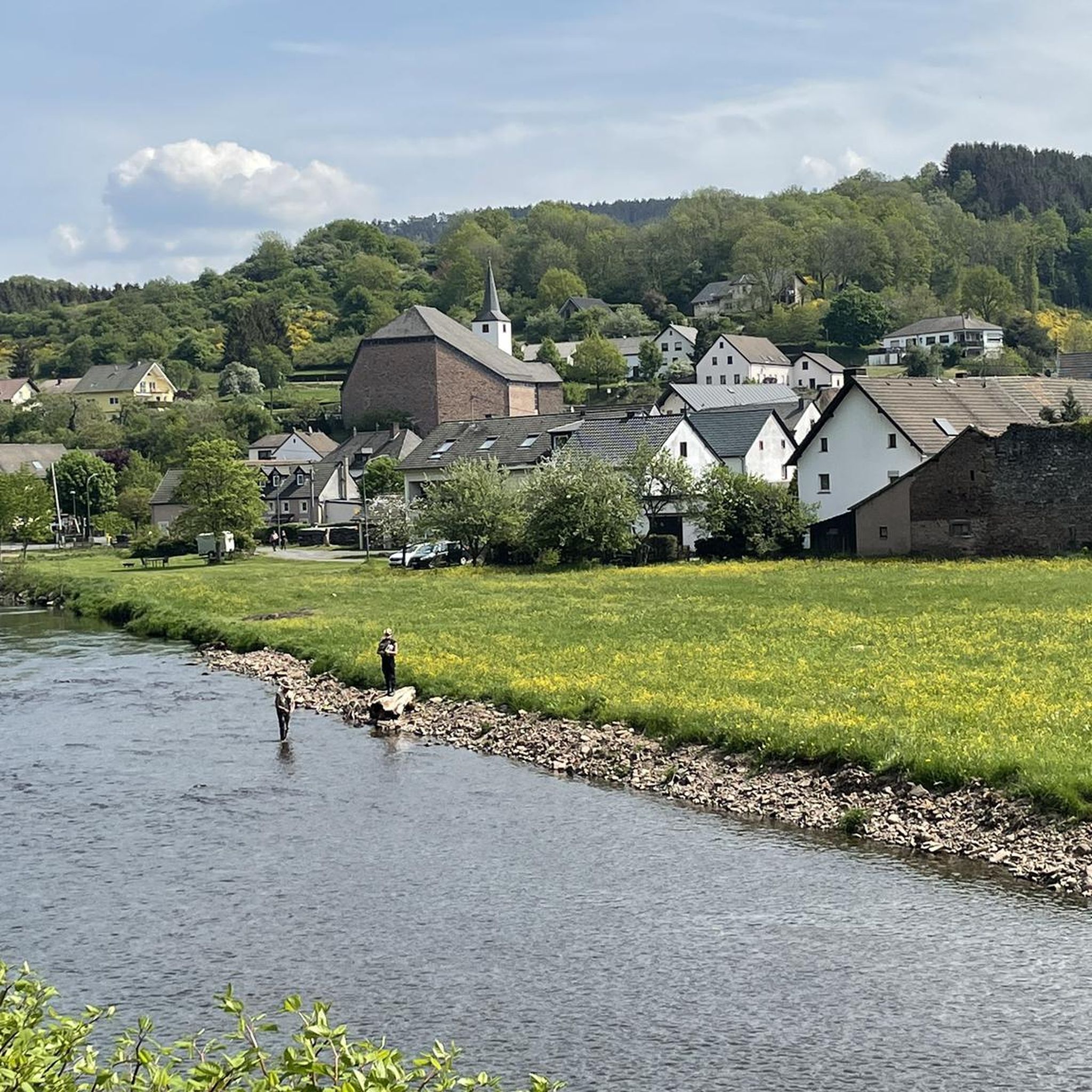
beautiful Romanesque village with lovingly renovated houses, one of the few sights in the area
0
0

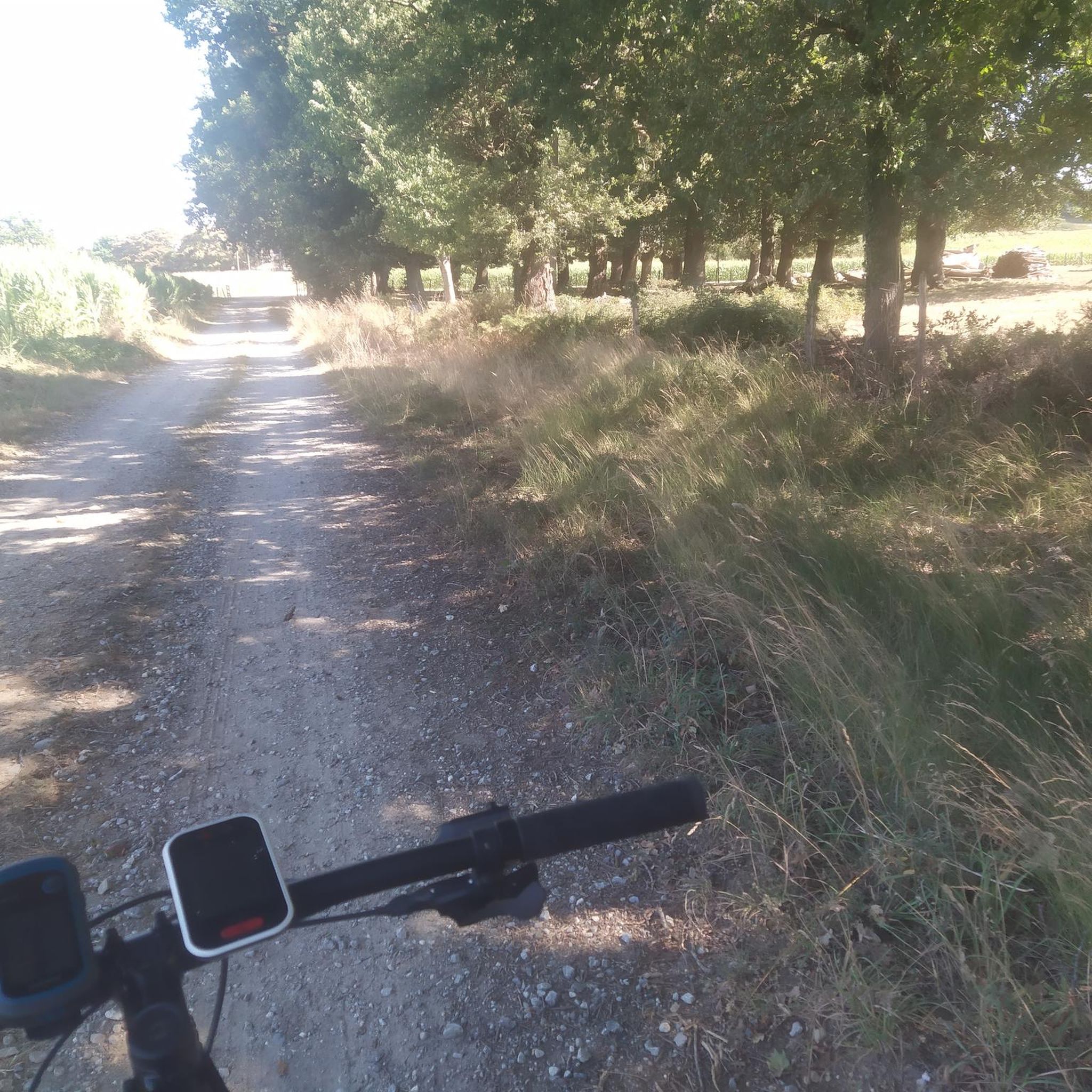
A really beautiful cycle path on an old railway line. It is completely asphalted and is therefore a wonderful ride and there are one or two bridge highlights to admire along the way.
2
0

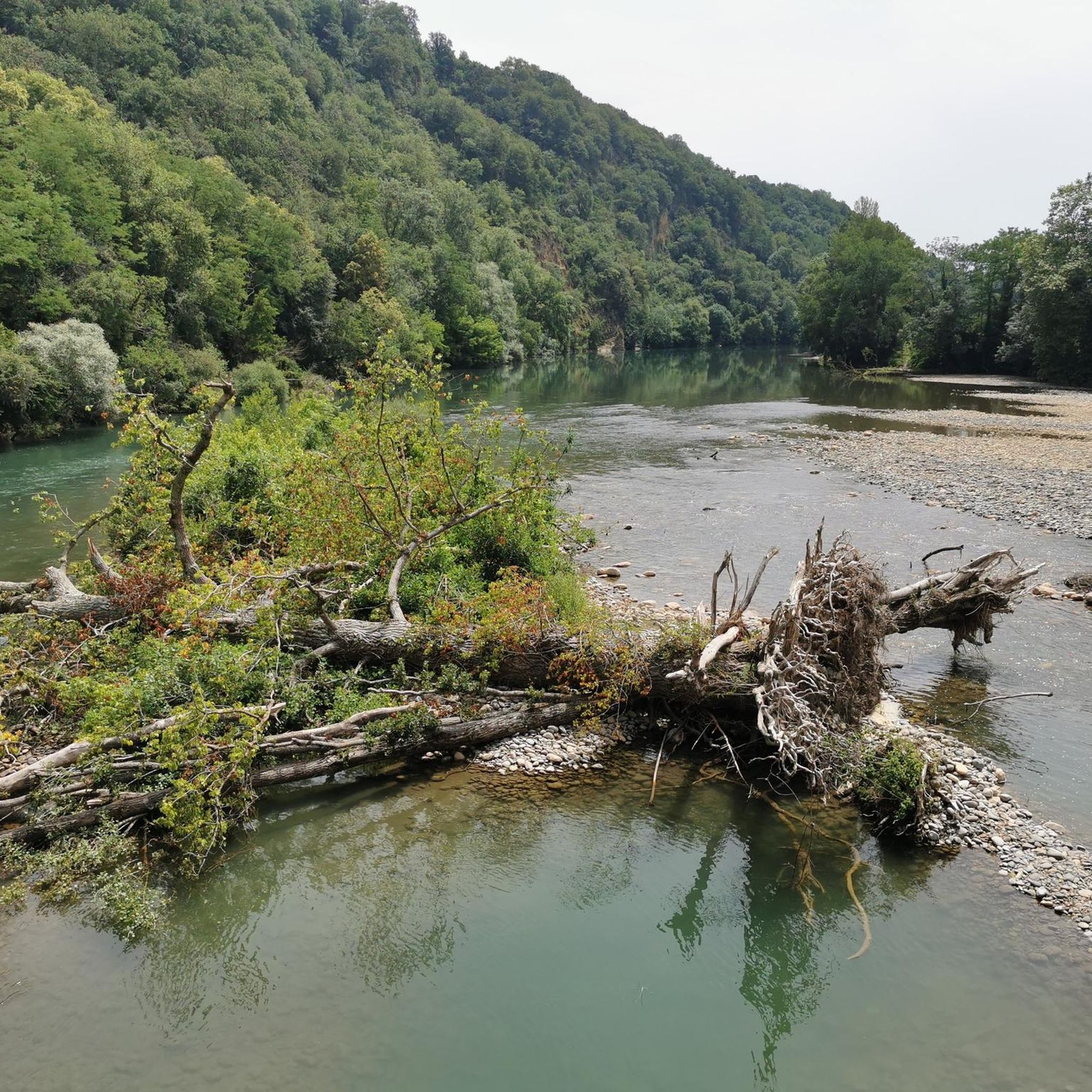
By bike the top of the town is a very daunting climb if you don't find the right road but it's worth seeing. At the edge of the Gave you can almost certainly see a swan or a pair of swans with one or two little ones. TO HAVE !
0
1

Hastingues is a bastide founded in the 13th century by a contract between the Abbey of Arthous and an English seneschal, Jean de Hastings, who gave his name to the bastide https://www.hastingues.fr/Notre-village
0
0


Frequently Asked Questions
What historical sites can I visit near Saint-Pé-de-Léren?
The region around Saint-Pé-de-Léren is rich in history. You can explore the impressive Gramont Castle in Bidache, which was once the seat of a sovereign principality. The historic Hastingues Village, a bastide founded in the 13th century, offers charming architecture and views. Other notable sites include the Abbaye de Sorde and Abbaye d'Arthous, both significant heritage sites, and the unique Bourg-Neuf Washhouse Fountain in Sorde-l'Abbaye, which tells a story of local life.
Are there any natural attractions or features to explore?
Yes, Saint-Pé-de-Léren is situated within a region of natural beauty. The commune itself features classified marshes and wetlands, covering approximately 46 hectares. The hydrographic network of the Gave d'Oloron and its tributaries also runs through the area. Further afield, you can visit the Marais d'Orx, a significant natural site, or the scenic Vallée des Aldudes.
What kind of outdoor activities can I do around Saint-Pé-de-Léren?
The area offers various outdoor activities, particularly cycling and mountain biking. You can enjoy pleasant rides on greenways, like the Salies‑de‑Béarn Greenway, an asphalted old railway line. For more options, explore the numerous cycling routes available in the area, including those detailed in the Cycling around Saint-Pé-De-Léren guide and the MTB Trails around Saint-Pé-De-Léren guide.
Are there hiking or running trails nearby?
Absolutely. There are several trails suitable for hiking and running in the vicinity. You can find routes that take you past historical landmarks or through natural landscapes. For specific options and difficulty levels, refer to the Running Trails around Saint-Pé-De-Léren guide, which includes routes like the 'Abbaye de Sordes – Sorde Abbey loop from Sorde-l'Abbaye'.
What are some family-friendly attractions in the area?
Families might enjoy exploring the historical sites like the Bourg-Neuf Washhouse Fountain, which offers a glimpse into local history. The Salies‑de‑Béarn Greenway is also a great option for a family bike ride, being completely asphalted and easy to navigate. Additionally, La Petite Ferme de Pouillon, a farm located about 12.3 km away, offers a different kind of visitor experience for children.
What is Salies-de-Béarn known for?
Salies-de-Béarn, located about 9.1 km from Saint-Pé-de-Léren, is famous for its thermal waters and rich salt heritage. The town is home to the Baths of Salies-de-Béarn and a museum dedicated to salt and Béarn traditions. It's a pleasant place to explore with historic architecture and offers a unique cultural experience.
Can I find local markets near Saint-Pé-de-Léren?
Yes, several nearby towns host vibrant local markets. You can visit Peyrehorade for markets on Wednesdays and Saturdays (approx. 9 km away), or Salies-de-Béarn on Thursdays (approx. 9 km away). Dax, a bit further at 24 km, also has markets on Sundays and Saturdays, offering a wider selection of local produce and goods.
What is the best time of year to visit Saint-Pé-de-Léren for outdoor activities?
The region generally enjoys a mild climate. Spring and autumn offer pleasant temperatures for cycling, hiking, and exploring historical sites without the peak summer heat. Summer is also suitable, especially for water-based activities like canoeing, but it can be warmer. Always check local weather forecasts before your visit.
Are there any notable villages or towns to visit for their architecture or charm?
Beyond Saint-Pé-de-Léren itself, the region boasts several charming settlements. Hastingues Village is a beautiful bastide with historical architecture. La Bastide-Clairence, recognized as one of France's 'Most Beautiful Villages' and about 19 km away, offers picturesque Basque architecture. Salies-de-Béarn also features historic buildings worth exploring.
What do visitors particularly enjoy about the attractions around Saint-Pé-de-Léren?
Visitors appreciate the blend of historical exploration and natural beauty. For instance, the Salies‑de‑Béarn Greenway is highly praised for being a 'wonderful ride' on an old railway line with 'bridge highlights'. The Hastingues Village is noted for its 'beautiful Romanesque village with lovingly renovated houses' and its 'daunting climb' by bike that is 'worth seeing'.
Are there options for canoeing or kayaking nearby?
Yes, for those interested in water sports, canoeing and kayaking opportunities are available around Sorde-l'Abbaye, which is approximately 4.3 km from Saint-Pé-de-Léren. This allows you to experience the local rivers and waterways from a different perspective.
Where can I find information about parking or public transport for attractions?
While specific parking details for every attraction can vary, many villages and historical sites like Hastingues Village or Salies-de-Béarn typically have designated parking areas. Public transport options between smaller communes like Saint-Pé-de-Léren and larger towns like Salies-de-Béarn or Sauveterre-de-Béarn might be limited, so planning private transport is often recommended for flexibility.
Most popular routes around Saint-Pé-De-Léren

Get inspired with the komoot mobile app


Explore more
Still not found the Highlight you’re looking for? See guides of the top attractions in other regions:
