Attractions and Places To See around Labastide-Monréjeau - Top 19
Best attractions and places to see around Labastide-Monréjeau include a mix of historical sites, natural landscapes, and recreational routes. This region in France offers diverse points of interest, from ancient religious buildings to scenic river views. Visitors can explore cultural heritage and enjoy outdoor activities along the Gave de Pau. The area provides opportunities for family-friendly attractions and scenic viewpoints near Labastide-Monréjeau.
Best attractions and places to see around Labastide-Monréjeau
- The most popular attractions is Lescar Cathedral (Cathedral of Our…
Last updated: October 15, 2026
Caubin Chapel
Highlight • Religious Site
Showing Translation
Tip by

Église Saint Pierre
Highlight • Other
During the formation of the Principality of the Pyrenees, around the 10th …
Showing Translation
Tip by
Sign up now to discover places like this
Get recommendations on the best single tracks, peaks, & plenty of other exciting outdoor places.
Lescar Cathedral (Cathedral of Our Lady of the Assumption)
Highlight • Other
You will indeed find within its walls …
Translated by Google •
Tip by

Translated by Google •
Tip by

Panorama of Lescar
Highlight • Other
Translated by Google •
Tip by

Sign up for free to discover even more attractions around Labastide-Monréjeau.
Already have an account?
Start today with a free account
Your next adventure awaits.


Tips from the Community

The Romanesque chapel was built on the orders of the Viscount of Béarn, Gaston IV, known as the Crusader (1090-1130), upon his return from the First Crusade. It was entrusted to the Knights of Saint John of Jerusalem and experienced its heyday until the mid-16th century, when the Wars of Religion broke out. Inside, behind the beautiful Gothic arches, we can see the tomb with the figure of a medieval knight. On the outside, the details of the capitals are worth seeing.
2
0
The site of the abbey of Saint-Pierre de LARREULE was of great importance in the history of Béarn. During the formation of the Principality of the Pyrenees, around the 10th century, monks organized the large-scale clearing and development of the land; their abbeys were economic units. Only part of the Romanesque abbey church, built in the 12th century and rebuilt in the 16th century after significant destruction by Protestant troops, remains of the abbey. Three Romanesque capitals as well as several listed statues from the 17th and 18th centuries can still be seen there. As the nave (oriented East-West) was never rebuilt, the old Romanesque transept (oriented North-South) served as the nave from the 17th century onwards, when the west wall was erected to complete the church.
2
0
The Romanesque chapel was built on the orders of the Viscount of Béarn, Gaston IV, known as the Crusader (1090-1130), upon his return from the First Crusade. It was entrusted to the Knights of Saint John of Jerusalem and experienced its heyday until the mid-16th century, when the Wars of Religion broke out. Inside, behind the beautiful Gothic arches, we can see the tomb with the figure of a medieval knight. On the outside, the details of the capitals are worth seeing. 'La petite église' can be read framed at the entrance of the church.
2
0

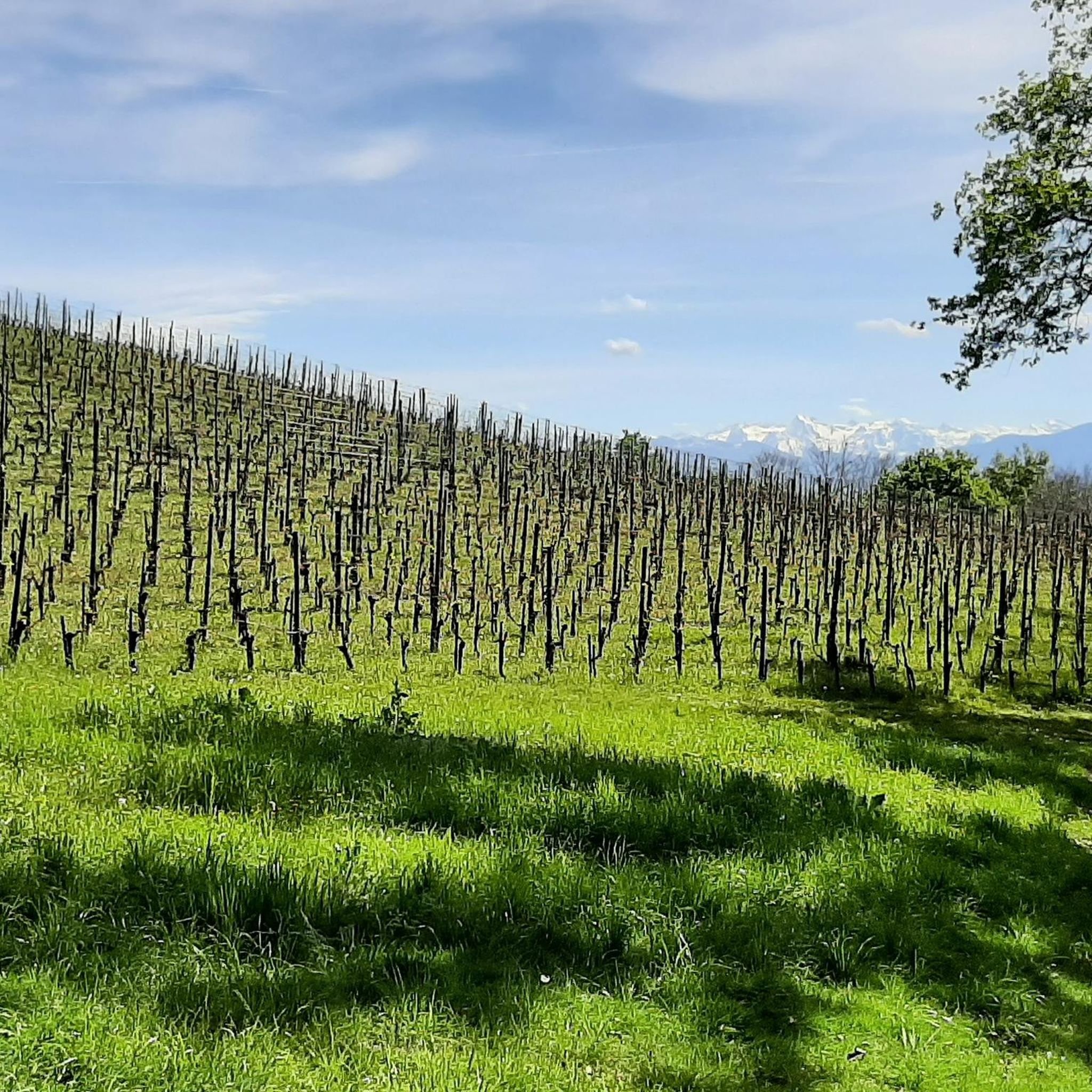
The medieval town of Lescar The first traces of life in Lescar date from 2,000 years before our era. History has left many testimonies, such as that of the Gallo-Roman city that was Lescar at the time when it was called Beneharnum. Today, one can notably see in Lescar Gallo-Roman remains, 12th century ramparts, a 14th century prison tower, its cathedral in its heart... Everything invites you to wonder. Lescar has always been at the origin of stories and legends, such as the one stating that Lescar had seven churches, seven mills, seven fountains, seven springs, seven gates... The atmosphere of the medieval town of Lescar helps to transport us through time, along its narrow streets and back passages.
0
0

A 12th-century historical monument, the chapel was saved by the association "Les Amis de Caubin" in 1966, who completed its restoration in 1974. Musical events have been held there since. Note that picnic tables and an oratory are located on the other side of the road.
1
0
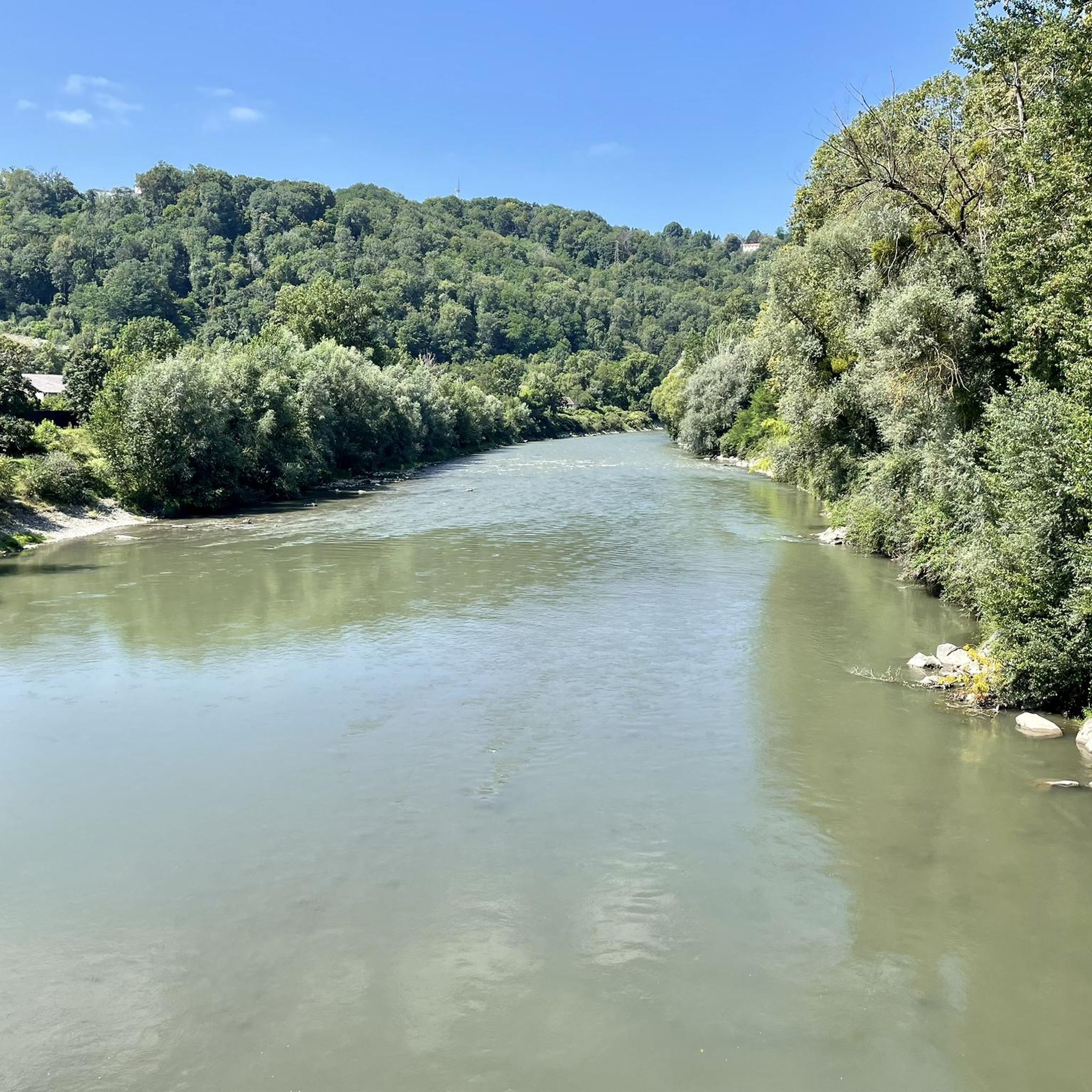
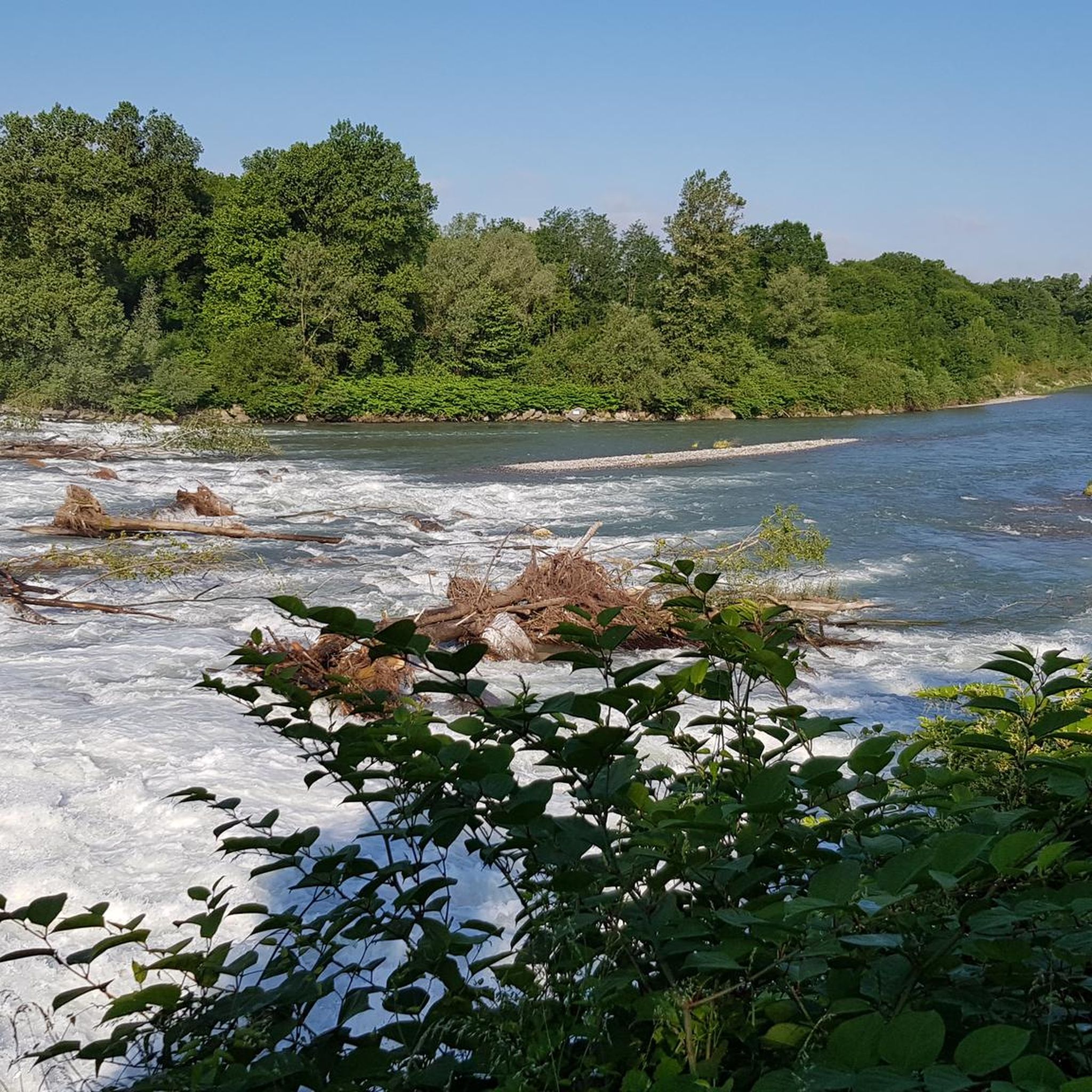
Educational place providing information on the Gave, its fauna and flora. Picnic tables are available. A raised pontoon is present, ideal for naturalist observations (many species of birds are present: swallows, ducks, grebes, cormorants, herons, etc.).
3
1
Recent route exclusively reserved for cyclists going from Bésingrand to the Artix bridge. The route runs along the Gave de Pau and a photovoltaic park.
2
1
Frequently Asked Questions
What historical sites can I visit around Labastide-Monréjeau?
The region is rich in history. You can explore the magnificent Lescar Cathedral (Cathedral of Our Lady of the Assumption), which features a baroque altarpiece and a 12th-century mosaic. Another significant historical monument is Caubin Chapel, a 12th-century religious building restored by an association.
Where can I enjoy scenic views or natural landscapes?
For scenic views, the Lescar Cathedral offers views of the Pyrenees. You can also find beautiful and wide views along the Gave de Pau (Pau River), which has a greenway on its banks. The Panorama of Lescar provides a great perspective of the medieval town.
Are there family-friendly attractions around Labastide-Monréjeau?
Yes, several attractions are suitable for families. The Gave de Pau (Pau River) offers a greenway for walks and picnic tables. Caubin Chapel also has picnic tables available, making it a pleasant stop for families.
What outdoor activities are available near Labastide-Monréjeau?
The area around Labastide-Monréjeau is excellent for outdoor enthusiasts. You can find numerous options for hiking, cycling, and mountain biking. The Gave de Pau also features a dedicated cycle way.
Are there easy hiking trails near Labastide-Monréjeau?
Yes, there are easy hiking options. For example, the 'Lac Cournères loop from Abos' is an easy 4.2 km trail. You can find more details and other routes in the hiking guide for Labastide-Monréjeau.
Where can I go cycling around Labastide-Monréjeau?
The region offers various cycling routes. A recent route exclusively reserved for cyclists runs along the Gave de Pau from Bésingrand to the Artix bridge. You can also explore routes like the 'Saint-Pierre Church of Artix loop from Artix,' an easy 24 km ride. Discover more cycling tours in the cycling guide for Labastide-Monréjeau.
What do visitors particularly enjoy about the attractions here?
Visitors appreciate the blend of historical significance and natural beauty. The Lescar Cathedral is admired for its stunning interior and views of the Pyrenees. The Gave de Pau is loved for its wide views and greenway, perfect for relaxation and picnics.
Are there places to picnic near the attractions?
Yes, several spots are ideal for picnics. The Gave de Pau (Pau River) has picnic tables conveniently located near the Véloroute V81. Additionally, Caubin Chapel also provides picnic tables across the road.
When is the best time to visit Labastide-Monréjeau attractions?
The best time to visit Labastide-Monréjeau is generally during the spring (April to June) and autumn (September to October) when the weather is mild and pleasant for exploring historical sites and enjoying outdoor activities. Summer can also be enjoyable, especially along the river, but it can be warmer.
Are there any educational or wildlife spotting opportunities?
Yes, the cycle way highlight near the Gave de Pau is an educational place providing information on the river's fauna and flora. It features a raised pontoon ideal for naturalist observations, where you can spot various bird species like swallows, ducks, grebes, cormorants, and herons.
What kind of historical monuments can I find?
Beyond the well-known sites, you can find remnants of the Gallo-Roman city that Lescar once was, 12th-century ramparts, and a 14th-century prison tower, particularly around the medieval town of Lescar, as seen from the Panorama of Lescar.
Most popular routes around Labastide-Monréjeau

Get inspired with the komoot mobile app


Explore more
Still not found the Highlight you’re looking for? See guides of the top attractions in other regions:
