Attractions and Places To See around Saint-Denis-Du-Payré - Top 20
Best attractions and places to see around Saint-Denis-Du-Payré include natural reserves and historical sites within the Vendée department of France. The region is characterized by its communal marsh, part of the Marais Poitevin, which serves as a significant ornithological site. Historical landmarks, such as an 11th-century church, reflect the area's origins and human influence on the landscape. These features offer a combination of natural exploration and insights into regional history.
Best attractions and places to see around Saint-Denis-Du-Payré
- The most…
Last updated: July 7, 2026
Porte des Portes
Highlight • Monument
Translated by Google •
Tip by

View of the Belle Henriette stilted footbridge
Highlight • Other
Tip by

Sign up now to discover places like this
Get recommendations on the best single tracks, peaks, & plenty of other exciting outdoor places.
Sign up for free
Passerelle du Lay
Highlight (Segment) • Bridge
Translated by Google •
Tip by
Luçon Cathedral
Highlight • Other
Translated by Google •
Tip by

Tour de Moricq
Highlight • Castle
Translated by Google •
Tip by

Sign up for free to discover even more attractions around Saint-Denis-Du-Payré.
Sign up for free
Already have an account?
Start today with a free account
Your next adventure awaits.
Login or Signup

Tips from the Community

The Tour de Moricq has always been surrounded by legends. It was once said that an underground passage would connect it to the Angles church. Also, strange signs engraved on the north facade are said to be a plan to find a treasure buried in its depths. According to tradition, it would be a golden chest which would only be accessible at the time of the Sanctus of Midnight Mass, at Christmas. According to another legend, the tower was built by fairies in a single night.
1
0

Classified as a Historic Monument in 1915. Originally a sentinel at the edge of the mainland, then a prison and finally a granary, the Moricq Tower has suffered greatly, throughout its history, from the repeated insults of time and men. For more information on visits: 02 51 97 56 39
0
0

The origins of the city of Luçon are linked to port activity dating back to the early Middle Ages, when the city was located on the edge of the Gulf of Pictons before the drying up of the Marais Poitevin. Luzon was then a fortified town, whose ramparts, protected by water moats, can be seen in the layout of the streets surrounding the town centre. Throughout the 19th century, the commercial activity of the port of Luçon with northern Europe in particular, which for a time even made it the third largest grain port in France, contributed to the enrichment of the city. This activity stopped in the 20th century with the silting of the canal which connected the city to the coast. But Luzon is best known for its religious status. From the 7th century, the foundation of a monastery which was destroyed by the Viking invasions made it the spiritual center of Bas-Poitou and the town became the seat of the bishopric in the 14th century. In 1608, a certain Armand Jean du Plessis was appointed Bishop of Luçon. Noting the sad state of the city ravaged during the Wars of Religion, he described the region as "the ugliest bishopric in France, the dirtiest and most disagreeable" (especially in order to justify his request for subsidies from the ecclesiastical authorities). endeavored from then on to reorganize the diocese which he left in 1623 to put himself at the service of the king, after a long ascent to the throne.This bishop of Luçon, with remarkable intellectual qualities, ended up becoming the principal Minister of Louis XIII, and remains known under the name of “Cardinal of Richelieu.” The history of the city remains intrinsically linked to the figure of Richelieu who officiated in this cathedral. Begun in 1091, the cathedral was initially in the Romanesque style. The portal of the north transept remains from this period. But for the most part, the building (the nave, the choir, the cloister) that we see now was rebuilt several times in the Gothic style. During the wars of religion, the church was repeatedly ransacked. The high openwork neo-Gothic spire is a splendid romantic fantasy according to 19th century taste. It peaks at 85 m and gives the cathedral the silhouette we know today. The city center of Luçon also offers other historical and religious monuments.
0
0

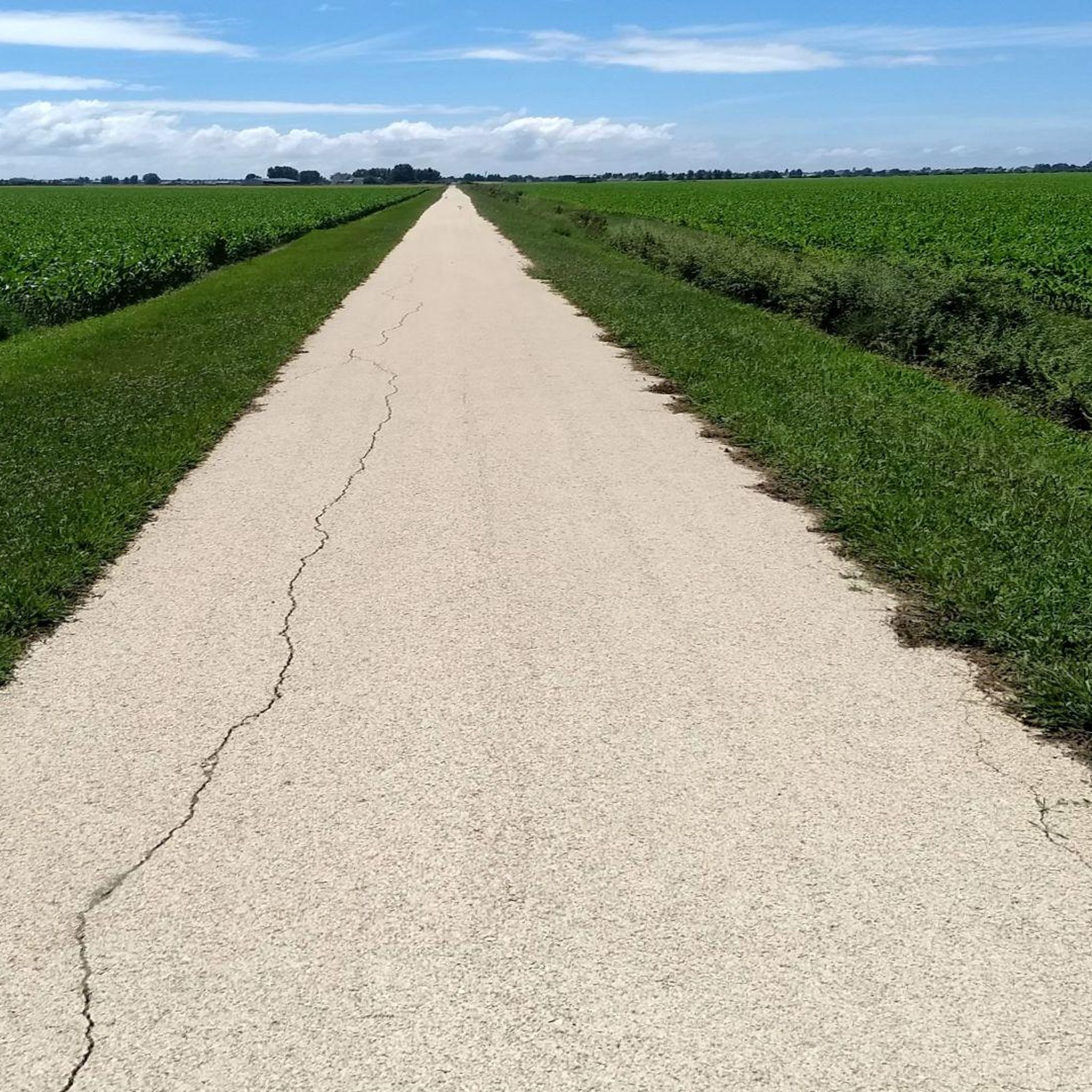
part of the course quite easily practicable. But beware of the wind from the marshes which can surprise you!!!
0
0

Impressive construction to get to the beach :-).
0
0

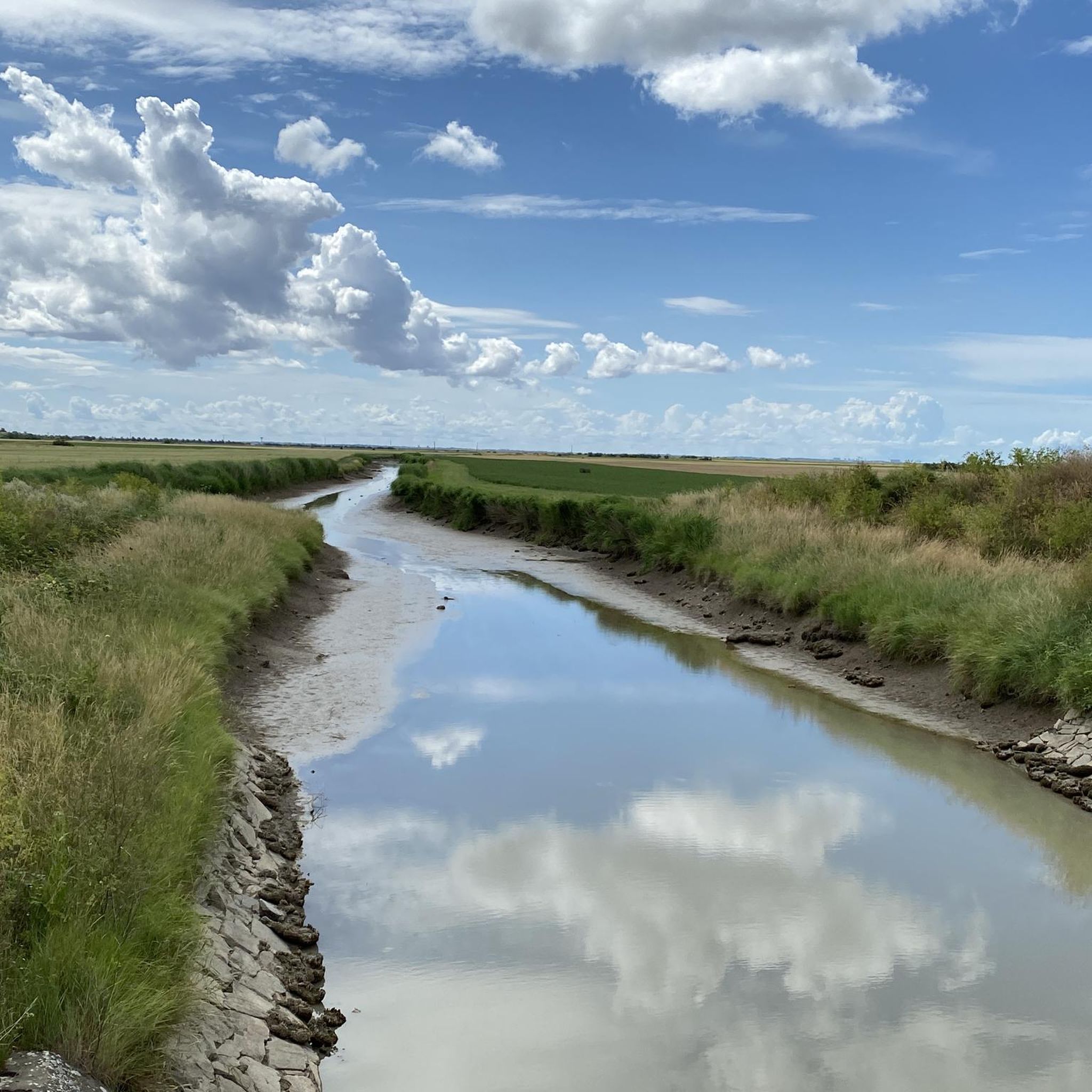
The gates are dikes, functioning as locks, in order to control the amount of water that is in the marsh, so as not to suffer from fluctuations associated with high and low tides.
1
1
This footbridge which spans the Lay to connect Aiguillon-Sur-Mer and La Faute-sur-Mer is now reserved for pedestrians and cyclists. It is also very popular with fishermen.
1
0

Beautiful beach, beautiful landscape, the footbridge connects the road to the beach to allow passage without destroying the flora and fauna, we can see the Ile de Ré opposite.
1
0
Frequently Asked Questions
What natural attractions can I explore around Saint-Denis-Du-Payré?
The region is renowned for its natural beauty, particularly the National Nature Reserve Michel Brosselin, a significant ornithological site within the Marais Poitevin. You can also visit the View of the Belle Henriette stilted footbridge, which crosses a protected wetland and sandy dunes to connect campgrounds to the beach, allowing passage without disturbing the local flora and fauna.
Are there historical sites to visit in Saint-Denis-Du-Payré and its surroundings?
Yes, the area offers several historical points of interest. The village center of Saint-Denis-du-Payré itself has an 11th-century local church, though it's currently undergoing restoration. Nearby, you can explore Luçon Cathedral, a significant site with Romanesque to Gothic architecture, and the medieval Tour de Moricq, a residential and defense tower.
What kind of unique engineering or man-made structures can I see?
You can observe fascinating hydraulic structures that manage the marshlands. The Porte des Portes are dikes and locks essential for controlling water levels in the marsh, managing tidal fluctuations, and aiding agriculture. Additionally, the Passerelle du Lay is a notable footbridge spanning the Lay river, connecting Aiguillon-Sur-Mer and La Faute-sur-Mer, popular with pedestrians and cyclists.
What is the best time to visit the National Nature Reserve Michel Brosselin for birdwatching?
The reserve is particularly vibrant during migration periods, from late February to May and July to October, when numerous migratory birds make a stopover. Over 140 species can be observed throughout the seasons, including Eurasian Spoonbills and Black-tailed Godwits in summer, and Greylag Geese in winter.
Are there family-friendly activities or attractions available?
The National Nature Reserve Michel Brosselin offers guided tours and a pathway on stilts leading to a bird hide, which can be an engaging experience for families interested in nature. The Tour de Moricq is also considered family-friendly, offering a glimpse into medieval history.
What outdoor activities, like cycling or running, can I do near these attractions?
The region offers various outdoor activities. For cycling, you can explore routes like the 'West part of the Parc naturel régional du Marais Poitevin' or the 'Aiguillon-sur-Mer Beach – Passerelle du Lay loop'. Runners can find trails such as the 'Bois de Malvoisine loop from Saint-Denis-du-Payré'. You can find more details and routes in the Cycling around Saint-Denis-Du-Payré and Running Trails around Saint-Denis-Du-Payré guides.
Is the National Nature Reserve Michel Brosselin accessible, and do I need special equipment?
Access to the reserve is typically via guided tours, which often start at the Pôle des Espaces Naturels. A pathway on stilts, stretching 440 yards, leads to a bird hide, allowing for observation without specific equipment. Binoculars are recommended for a better experience.
What is the significance of Luçon Cathedral?
Luçon Cathedral is historically significant as the seat of a bishopric since the 14th century. It is notably associated with Armand Jean du Plessis, who later became Cardinal Richelieu, appointed Bishop of Luçon in 1608. The cathedral features elements from Romanesque to Gothic styles and an impressive 85-meter-high neo-Gothic spire.
Where can I find information about nature tourism in the western Marais Poitevin?
The Pôle des Espaces Naturels, located near the village church in Saint-Denis-du-Payré, serves as a central hub for nature tourism in the western part of the Marais Poitevin. It provides information and is the starting point for guided tours of the National Nature Reserve Michel Brosselin.
What do visitors particularly enjoy about the attractions around Saint-Denis-Du-Payré?
Visitors appreciate the blend of natural exploration and insights into human engineering within the Marais Poitevin. The impressive construction of the View of the Belle Henriette stilted footbridge, which allows access to the beach through protected wetlands, is often highlighted. The historical significance and architectural beauty of sites like Luçon Cathedral and the medieval Tour de Moricq are also highly valued.
Are there any easy walks or short hikes suitable for beginners near Saint-Denis-Du-Payré?
While specific easy walks around the attractions are not detailed, the National Nature Reserve Michel Brosselin offers a 440-yard pathway on stilts, which is an accessible and easy way to experience the marsh. For cycling, there are 'easy' rated road cycling routes available, such as the 'Tour de Moricq – Tour de Moricq loop from Saint-Denis-du-Payré' which is 33.8 km long. You can explore more options in the Road Cycling Routes around Saint-Denis-Du-Payré guide.
Most popular routes around Saint-Denis-Du-Payré

Get inspired with the komoot mobile app


Explore more
Still not found the Highlight you’re looking for? See guides of the top attractions in other regions:
