Attractions and Places To See around Fontaine-Étoupefour - Top 20
Best attractions and places to see around Fontaine-Étoupefour include a mix of historical sites within the commune and a wider array of cultural and natural features in the surrounding Calvados department. This area, with its history dating back to the 11th century, offers insights into Normandy's past through its historic church and evidence of fortified structures. While Fontaine-Étoupefour itself is a smaller locality, its strategic position provides access to numerous points of interest, particularly in the nearby city of Caen.…
Last updated: July 7, 2026
Men's Abbey (Saint Stephen), Caen
Highlight • Religious Site
Translated by Google •
Tip by

Caen Castle
Highlight • Castle
Translated by Google •
Tip by

Sign up now to discover places like this
Get recommendations on the best single tracks, peaks, & plenty of other exciting outdoor places.
Sign up for free
Saint Peter
Highlight • Other
Translated by Google •
Tip by

Lou by Jaume Plensa
Highlight • Monument
=> “Laurelle” in Bonn (North Rhine-Westphalia, Germany)
Translated by Google •
Tip by

Town Hall
Highlight • Historical Site
Tip by

Sign up for free to discover even more attractions around Fontaine-Étoupefour.
Sign up for free
Already have an account?
Start today with a free account
Your next adventure awaits.
Login or Signup




Tips from the Community

Totally impressive. You should stop by.
0
0

The Château de Caen is the former city fortress of the Norman dukes in the city of Caen in what is now the Normandy region in northern France. It houses, among other things, the cultural-historical Musée de Normandie[1] and the modern building of the Musée des Beaux-Arts. The entire complex has been recognized as a monument historique since 1997.
2
0
Built between the 13th and 16th centuries, it plays with the transition of styles: radiant and flamboyant Gothic and Renaissance. It has a magnificent 14th century bell tower, almost 80 m high, which is currently being restored. Particularly worth seeing are the vault of the choir, the chapels of the ambulatory in late Gothic style and the carved capitals of the third pillar of the nave on the north side, which depict four scenes from chivalric romances and satirical writings of the Middle Ages. J.F. Dupont organ, built in 1997.
2
0
Caen, first mentioned in documents in 1027, experienced rapid urban development in the 11th century. It was called a burgus (bourg), was the centre of an extensive ducal domain, lay at the crossroads of important roads and had markets and a port. It first developed as an important city in the Duchy of Normandy under William the Conqueror. He had a strong fortress built in Caen and around 1059 an abbey for women (Abbaye aux dames) and one for men (Abbaye aux hommes), in which he was also buried. Later, during the Huguenot Wars (1562), his grave was destroyed and his bones were lost. William's gravestone can still be seen in the church today. He had the monasteries built to atone for his marriage to his cousin Mathilde, which was disapproved of by the Pope. Both monasteries are among the most important monuments in Normandy and are today – by the monks and nuns during the French Revolution
2
0
Caen is a port city and capital of the Calvados department in Normandy, northern France. At its centre is the Château de Caen, a castle built around 1060 by William the Conqueror. It is located on a hill surrounded by the Romanesque abbey churches of Saint-Étienne and Sainte-Trinité, which date from the same period. The multimedia museum Le Mémorial is dedicated to the Second World War and the invasion of Normandy in 1944.
2
0

Some other impressive testimonies to the artistic work of Jaume PLENSA (born 1955) can be found in the following places and are also documented here in the komoot system as hiking highlights: => “Laurelle” in Bonn (North Rhine-Westphalia, Germany) see https://www.komoot.com/de-de/highlight/6685486 => “Seele?” in Erkrath (Mettmann district, North Rhine-Westphalia, Germany) see https://www.komoot.com/de-de/highlight/4183261 => “Love” in Leeuwarden (Friesland, Netherlands) see https://www.komoot.com/de-de/highlight/3906357 => “Sanna” in Bordeaux (New Aquitaine, France) see https://www.komoot.com/de-de/highlight/5784432 => “Julia” in Madrid (Spain) see https://www.komoot.com/de-de/highlight/6131314 The following two groups of figures by the artist offer a different perspective: => “Air-Earth” in Bamberg (Bavaria, Germany) see https://www.komoot.com/de-de/highlight/2559580 => “Seven Poets” in Andorra la Vella (Andorra) see https://www.komoot.com/de-de/highlight/4741064
1
1

Since March 2023 and until 2025, work will be carried out under the direction of architect Philippe Prost and landscape architect Thierry Lavergne to transform the castle grounds. Entitled "The castle within its walls", the 4-hectare site will be given over to 75% green space. The avenues will be redesigned to structure this large inner garden and guide visitors. A 700 m² reception area will be built towards the Porte des Champs. The "hidden treasures" will be highlighted, such as the remains of the keep, the towers of the ramparts and the dungeons of the Saint-Pierre gate.
4
0
Built between the 13th and 16th centuries, the Église Saint-Pierre plays with the transition of styles: radiant and flamboyant Gothic and Renaissance. It has a magnificent 14th-century bell tower, almost 80 m high. Particularly worth seeing are the vault of the choir, the chapels of the ambulatory in late Gothic style and the carved capitals of the third pillar of the nave on the north side, which depict four scenes from chivalric romances and satirical writings of the Middle Ages.
5
0
Frequently Asked Questions
What historical and cultural sites can I visit in Fontaine-Étoupefour itself?
Within Fontaine-Étoupefour, you can explore the historic Church of Saint Martin, which dates back to the 11th-12th century and houses ancient statues. The area also has evidence of past fortified structures and castle mounds, offering a glimpse into its rich history.
What significant historical attractions are located near Fontaine-Étoupefour, particularly in Caen?
Just a short distance away in Caen, you can visit several major historical sites. These include the impressive Men's Abbey (Saint Stephen), founded by William the Conqueror, and the historic Caen Castle, which offers great views of the old town. The Caen Memorial Museum is also a significant site dedicated to World War II history.
Are there any notable religious buildings to explore in the area?
Yes, besides the local Church of Saint Martin in Fontaine-Étoupefour, the nearby city of Caen features the magnificent Men's Abbey (Saint Stephen), an 11th-century abbey church where William the Conqueror is buried. Another beautiful religious site is Saint Peter's Church in Caen, known for its Gothic and Renaissance architecture.
What natural features and green spaces are available for exploration around Fontaine-Étoupefour?
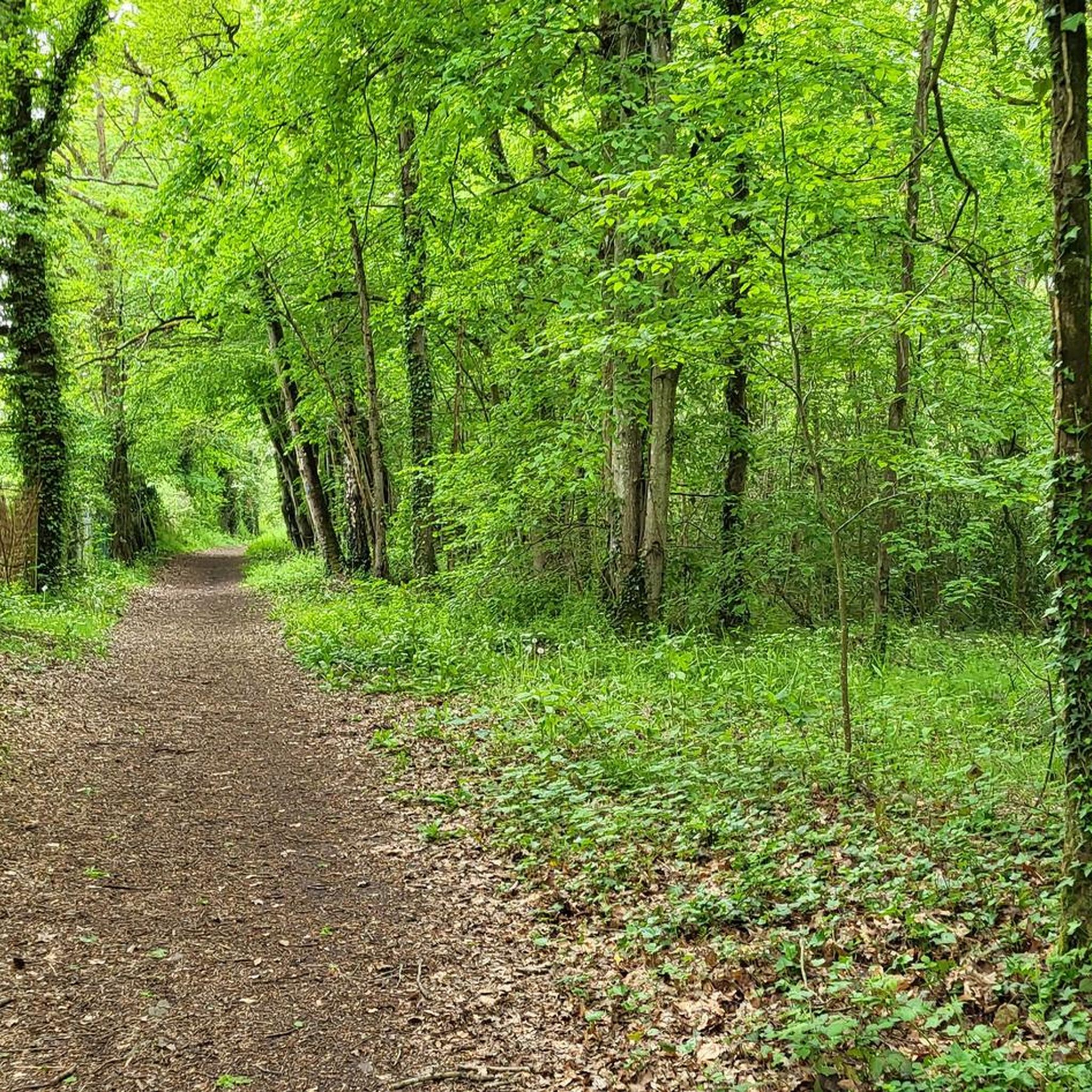
Fontaine-Étoupefour benefits from a 'green way' perfect for walks and enjoying the local landscape. For a unique outdoor activity, you can try geocaching at Pont du Coudray. In nearby Caen, the Park of Colline aux Oiseaux and the Caen Botanical Garden offer pleasant green spaces for relaxation and nature appreciation.
Are there opportunities for hiking near Fontaine-Étoupefour?
Absolutely! The region offers several hiking trails. You can explore routes like 'The Odon Valley – Louvigny Hiking loop from Verson' or 'View of the Mouen Quarries loop from Mouen'. For more options and detailed routes, check out the Hiking around Fontaine-Étoupefour guide.
Can I go cycling or gravel biking in the Fontaine-Étoupefour area?
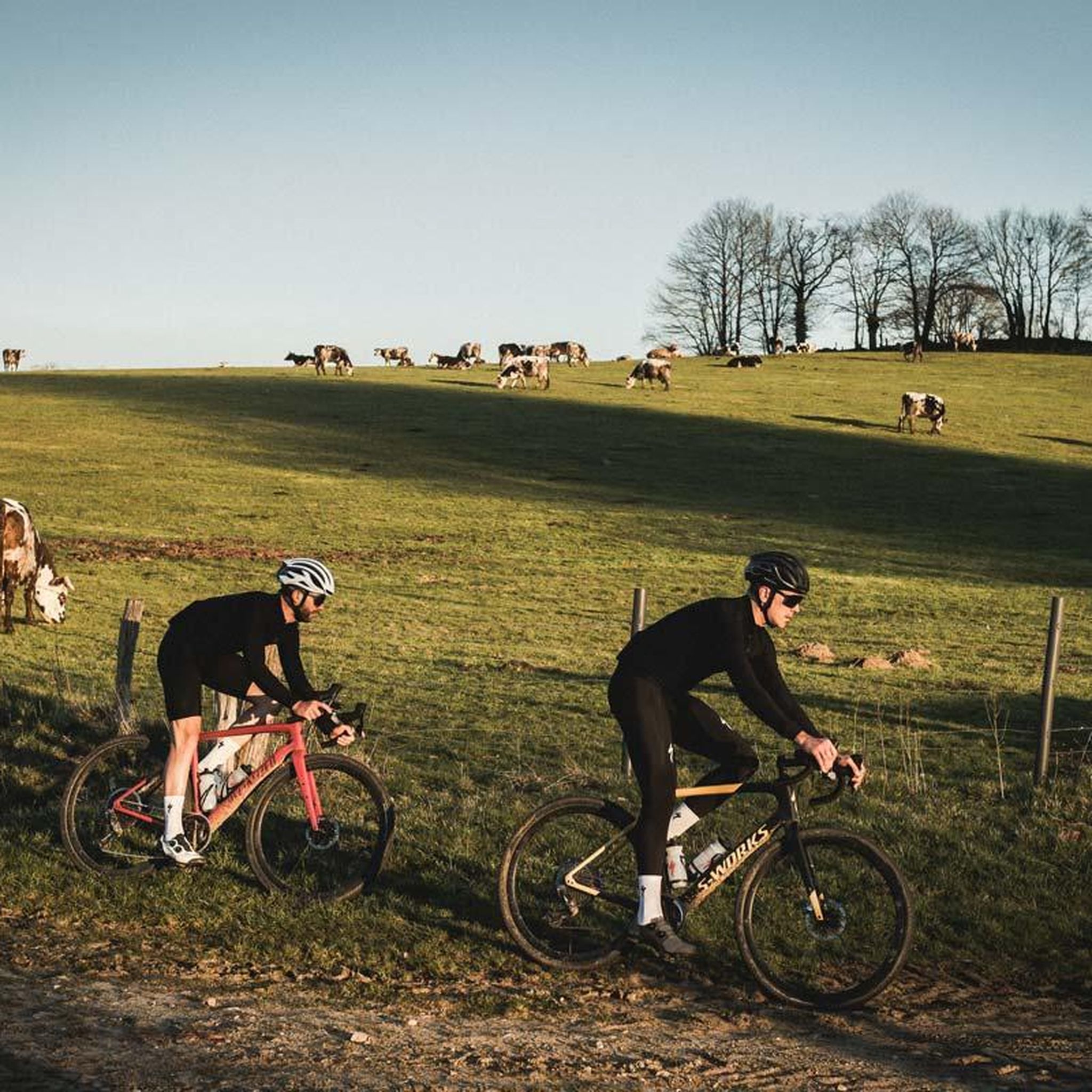
Yes, the area is suitable for both cycling and gravel biking. You can find routes such as 'La Vélo Francette – Hippodrome de la Prairie loop from Fontaine-Étoupefour' for cycling, or 'Pegasus Bridge – Canal de Cæn à la Mer loop from Feuguerolles-Bully' for gravel biking. Discover more routes in the Cycling around Fontaine-Étoupefour and Gravel biking around Fontaine-Étoupefour guides.
What family-friendly activities and attractions are available near Fontaine-Étoupefour?
Families have several options nearby. Caen Castle is a great place to explore with its accessible outdoor areas. For adventure, Accrofury in Feuguerolles-Bully offers leisure activities in a natural setting, and Parc Festyland, an amusement park, is just 4.8 km away in Bretteville-sur-Odon.
What do visitors particularly enjoy about the attractions near Fontaine-Étoupefour?
Visitors often praise the historical depth of sites like the Men's Abbey, noting its ancestral beauty and significance. The Caen Castle is appreciated for its impressive structure and the beautiful views it offers of the old town. Many also enjoy the tranquility found within these historic places.
Is there a good time of year to visit Fontaine-Étoupefour and its surrounding attractions?
The region is generally pleasant to visit from spring through autumn, when the weather is mild and conducive to exploring historical sites and enjoying outdoor activities like hiking and cycling. Summer offers the warmest temperatures for parks and outdoor adventures, while spring and autumn provide comfortable conditions with fewer crowds.
Are there any art installations or unique monuments to see?
Yes, in Caen, you can find the impressive sculpture Lou by Jaume Plensa. This contemporary art piece is highly regarded by visitors for its striking presence and is definitely worth a stop.
What are some lesser-known but interesting places to visit near Fontaine-Étoupefour?
Beyond the main attractions, consider visiting the Mine Museum in May-sur-Orne for insights into the region's industrial past. The historic significance of Fontaine-Étoupefour itself, with its ancient church and traces of fortified structures, offers a quieter, more local historical experience.
Most popular routes around Fontaine-Étoupefour
Most popular attractions around Fontaine-Étoupefour

Get inspired with the komoot mobile app


Explore more
Still not found the Highlight you’re looking for? See guides of the top attractions in other regions:
