Attractions and Places To See around Doissin - Top 20
Best attractions and places to see around Doissin, France, include local heritage sites and natural features. This tranquil area in the Isère department provides access to a mix of cultural landmarks and outdoor spaces. Visitors can explore religious buildings, historical sites, and natural attractions like lakes and marsh paths. Its location offers a base for discovering the wider Auvergne Rhône-Alpes region.
Best attractions and places to see around Doissin
- The most popular attractions is Our Lady of the Vines,…
Last updated: July 7, 2026
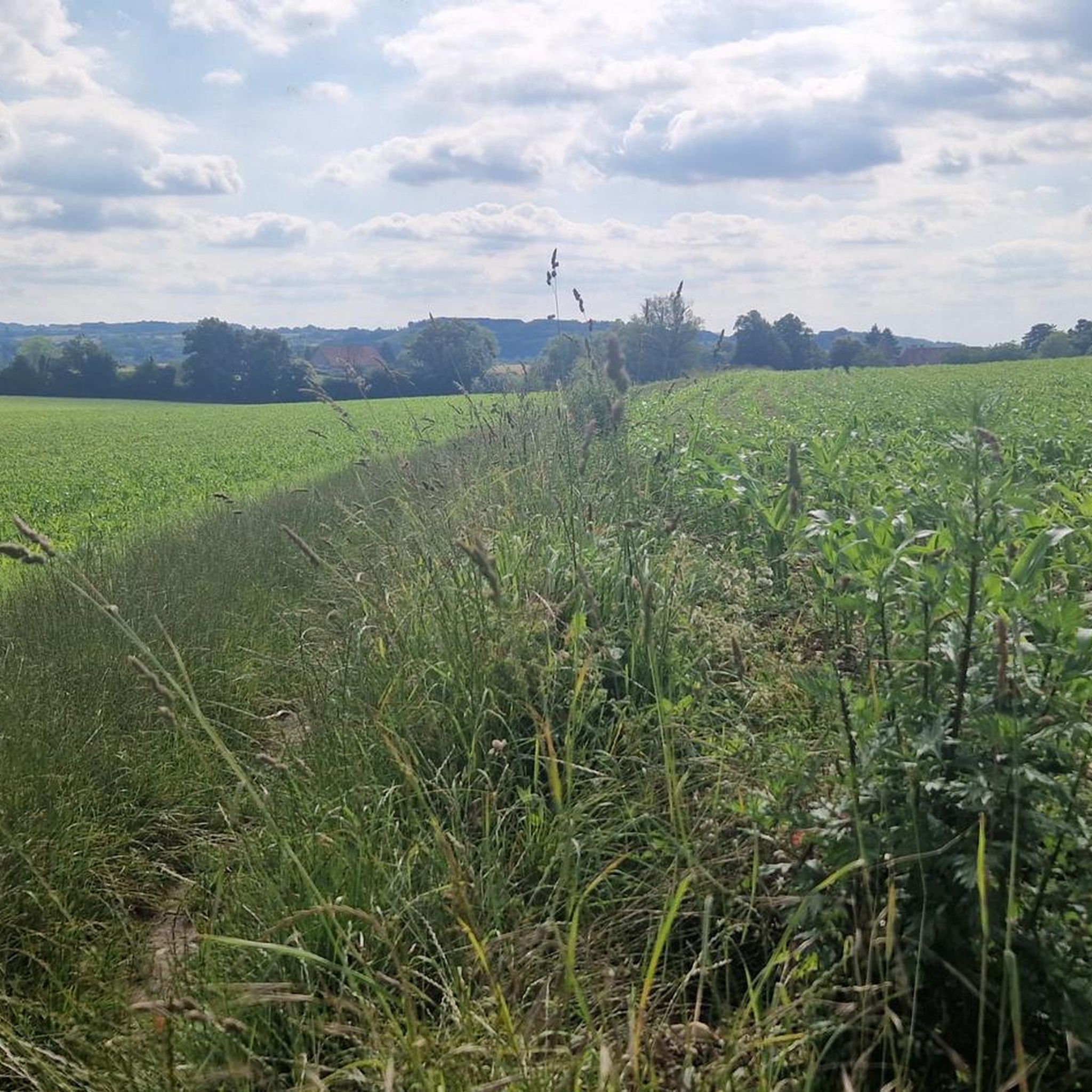
Chemin des marais
Highlight (Segment) • Trail
Translated by Google •
Tip by

Our Lady of the Vines
Highlight • Religious Site
Translated by Google •
Tip by

Sign up now to discover places like this
Get recommendations on the best single tracks, peaks, & plenty of other exciting outdoor places.
Sign up for free
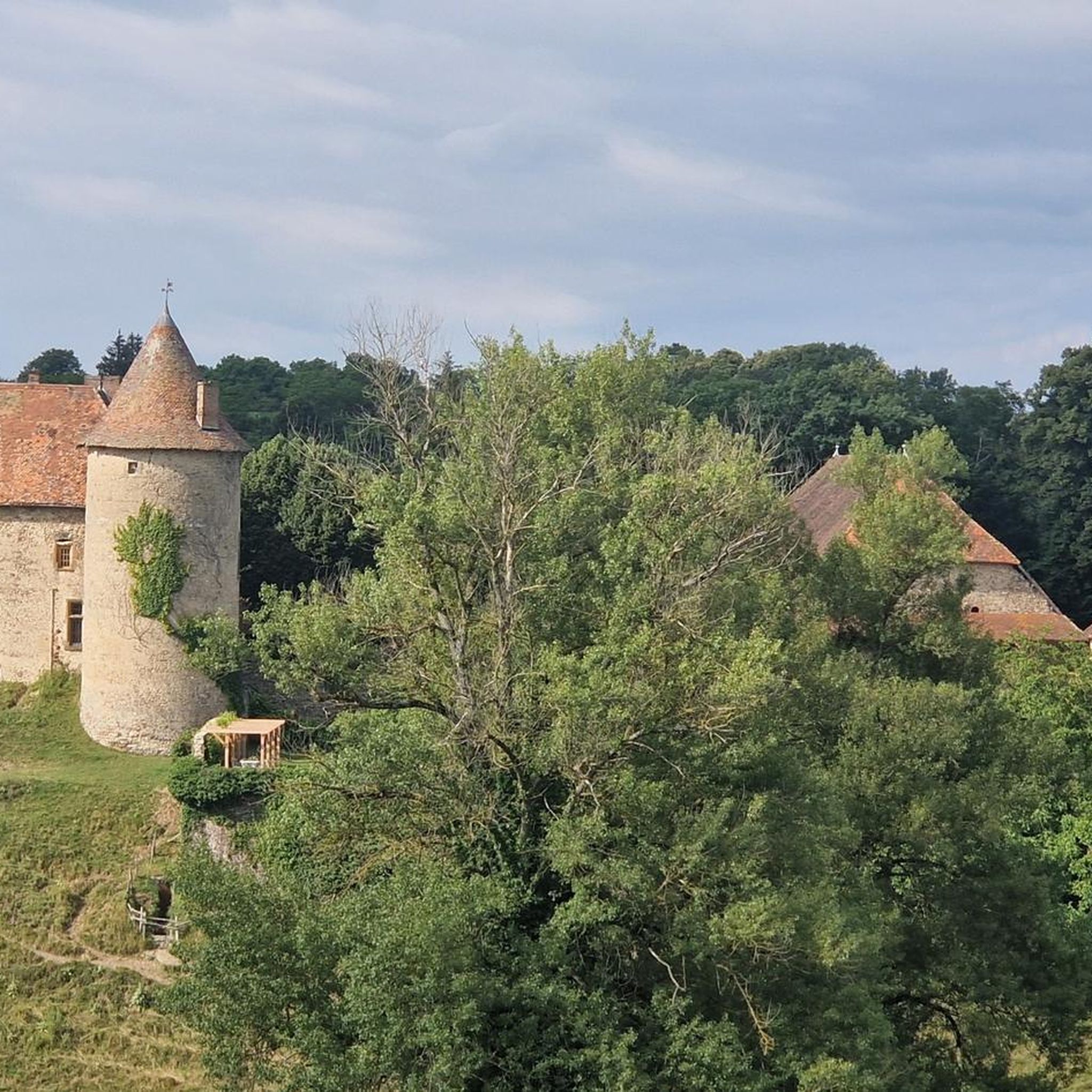
Saint John the Evangelist Church of Valencogne
Highlight • Religious Site
Translated by Google •
Tip by

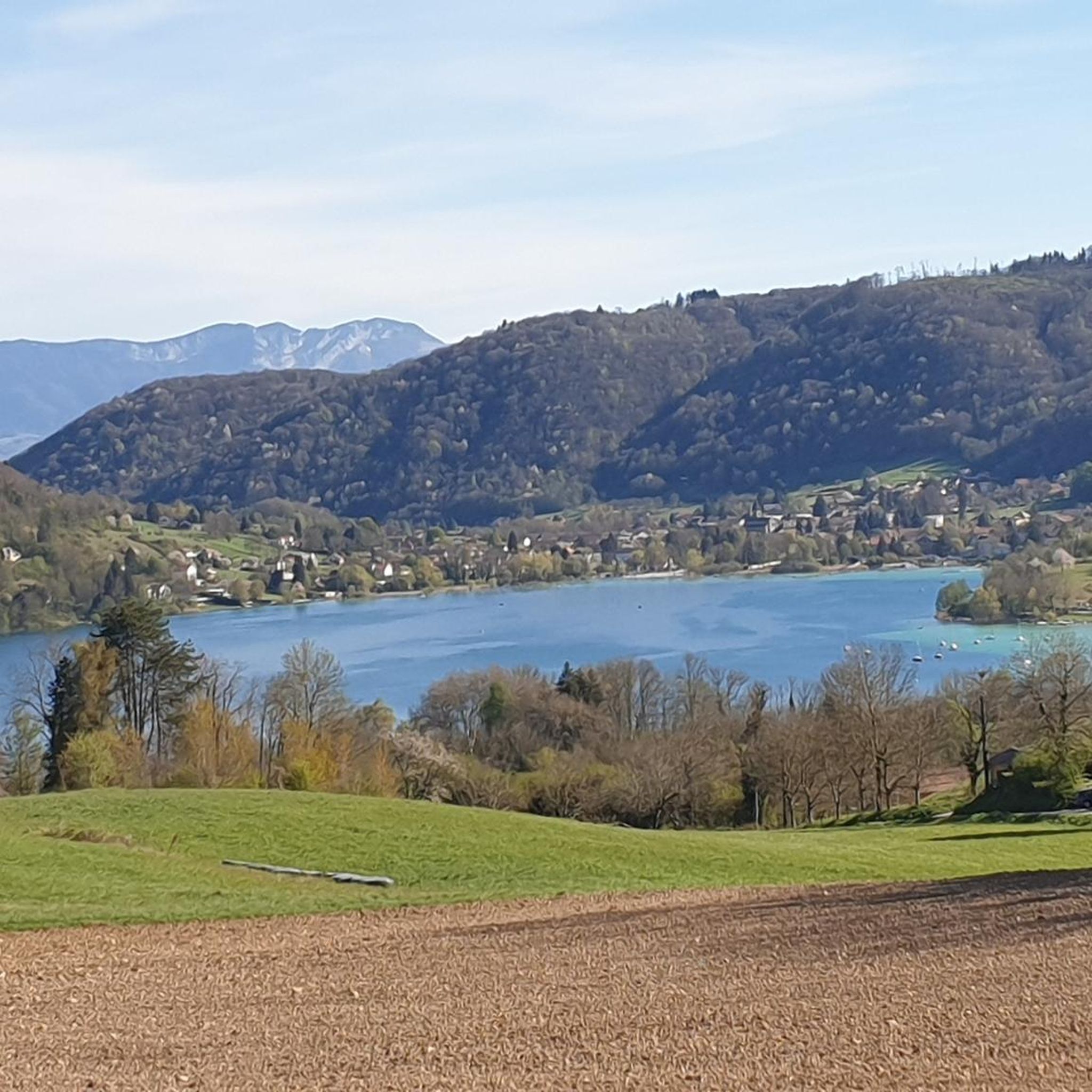
Lake Paladru
Highlight • Lake
Translated by Google •
Tip by

Saint-Pierre Church
Highlight • Religious Site
Translated by Google •
Tip by
Sign up for free to discover even more attractions around Doissin.
Sign up for free
Already have an account?
Start today with a free account
Your next adventure awaits.
Login or Signup


Tips from the Community

Lake Paladru is very popular in the summer, especially on weekends. Swimming is possible; there's a small, well-equipped beach.
0
0
This is a classic bike ride around Grenoble, easy and suitable for the whole family.
0
0

Here, you enter a sensitive natural area for a 1-kilometer trail marked with four stations to discover the area's remarkable flora and fauna. A pleasant way to connect the two shores of Lake Paladru, between Paladru and Montferrat.
1
0


During Holy Week, Christians commemorate the Passion of Jesus Christ, beginning with the triumphal entry into Jerusalem (Palm Sunday), the Last Supper (Maundy Thursday), and ending with the arrest, condemnation, and execution (Good Friday), which then culminates in the Easter Vigil with the celebration of the Resurrection, the climax of the church year. The biblical accounts of the New Testament that describe these events paint a very nuanced picture of the Apostle Peter (Saint-Pierre), to whom the church of Charavines is dedicated: on the one hand, he is a determined disciple of Jesus, but also not free from human weakness and fear. In the Garden of Gethsemane, he (like the other disciples) falls asleep when Jesus turns to God the Father after the Last Supper and asks the disciples to pray as well. And after Jesus' arrest, Peter denies three times that he even knows him. But he also weeps over his weakness and, upon encountering the risen Christ, affirms his love and loyalty to him. His real name is Simon, but Jesus gives him the name Peter (which means "rock") on which the church is to be built and gives him—according to the account of the Evangelist Matthew—the "keys to the kingdom of heaven."
1
0
The small rest area created here, with its very unusual design, invites passersby not to roll by carelessly: Behind the backrest of the bench rises a remarkable piece of craftsmanship: on one side, a flower stem bearing an unfolded blossom; and from the other, a bee flies towards it. An original idea, and rightly documented here several times with photos.
2
0
Here we encounter three stone cubes stacked on top of each other, each smaller than the one below it. The gray cubes each have a white field in the center of their sides, with a cross carved into it, painted blue and standing out against the gray/white background. This construction forms the basis for the present small sacred monument: above it rises a radiant gold figure of the Madonna. From this prominent position, the Virgin Mary – venerated in France almost always under the title "Notre-Dame" ("Our Lady") – gazes far into the country, and has done so for more than 120 years. @Rainer N. has already explained the date and reason for its construction in his short post.
2
0

The abbey basilica was rebuilt starting around 1490 and completed in 1510 by Bernardino Zaccagni. The famous artist Correggio left his mark on this church. He created five frescoes there, including the lunette with Saint John and the Eagle (1520), which is considered the first to be created. The frescoes, the dome depicting the Ascension of Christ, the decoration of the drum and pendants, and the frieze of images that extends around the entire interior perimeter are all artistic treasures worth discovering. The Way of St. James is very well documented in several places in the church.
9
0
Frequently Asked Questions
What natural attractions can I explore near Doissin?
The most prominent natural feature is Lake Paladru, located approximately 9.9 km away. It's a significant natural spot offering scenic views and opportunities for outdoor activities. You can also explore the Chemin des marais, a hard gravel path that crosses the Paladru Nature Zone, perfect for nature walks and picnics away from main roads.
Are there any historical or cultural sites in Doissin itself?
Within Doissin, you can visit the Église Saint-Martin de Doissin, a local landmark and part of the religious heritage of the Isère department, known for its spire. The commune also features La Tuilerie Bertrand, buildings representing the historical tile factory founded in 1850, which is a key part of Doissin's heritage.
What kind of outdoor activities are available around Doissin?
Doissin is a great base for various outdoor activities. You can find numerous hiking trails, including moderate routes like the 'Trail of the Two Castles' or the 'Château de Virieu Loop'. For cyclists, there are road cycling routes and MTB trails, with options ranging from easy to moderate difficulty around areas like Lac de Paladru.
Are there family-friendly attractions or activities near Doissin?
Yes, several attractions are suitable for families. Lake Paladru offers natural scenery and outdoor fun. The Chemin des marais is a family-friendly path for walks and picnics. Additionally, the Our Lady of the Vines statue provides great views and a picnic spot. For more active fun, Walibi Rhône-Alpes, an amusement park, is about 17.5 km away.
What do visitors particularly enjoy about the attractions near Doissin?
Visitors appreciate the serene natural beauty and historical significance. For instance, the Our Lady of the Vines statue is loved for its 'great views and usable as a picnic table'. The Chemin des marais is noted as a 'very nice practicable layout' and a way to 'avoid the main road towards the end of the lake', offering 'plenty of places to stop for a picnic'.
Are there any notable religious buildings to visit?
Beyond the local Église Saint-Martin de Doissin, you can visit Our Lady of the Vines, a statue erected in 1903 with historical significance for the village. Other nearby churches include Saint John the Evangelist Church of Valencogne, which is on the Camino de Santiago route and features ancient traditions, and the 18th-century Église Saint-Christophe du Pin.
What are some interesting day trip destinations from Doissin?
Doissin's location makes it a good base for exploring the wider region. You could visit Crémieu (28 km) for its extensive medieval ramparts, Saint-Antoine-l'Abbaye (39 km), one of France's 'Most Beautiful Villages', or the unique Palais Idéal du Facteur Cheval (41 km). Larger cities like Chambéry (40 km), Grenoble (42 km), and Vienne (43 km) also offer a rich array of historical and cultural experiences.
Are there any castles or historical residences nearby?
Yes, several castles are within a short distance. You can explore Castle de Pupetieres (5.1 km) and Virieu Castle (4.9 km), both offering insights into the region's history. These sites are often incorporated into local hiking routes, such as the 'Trail of the Two Castles' or the 'Château de Virieu Loop'.
Can I find places for swimming near Doissin?
While Doissin itself is tranquil, Lake Paladru, approximately 9.9 km away, is a popular spot for water activities and has designated beaches, making it suitable for swimming during warmer months.
What is the best time of year to visit Doissin for outdoor activities?
The region around Doissin is generally pleasant for outdoor activities from spring through autumn. These seasons offer mild temperatures ideal for hiking, cycling, and exploring natural sites like Lake Paladru and the Chemin des marais. Summers are warm, perfect for lake activities, while spring and autumn provide comfortable weather for longer trails.
Are there any unique or unusual attractions in the vicinity?
One truly unique attraction is the Palais Idéal du Facteur Cheval, located about 41 km from Doissin. This extraordinary palace was built by a postman over 33 years, using stones he collected during his rounds. It's considered one of France's most unusual and fantastic monuments.
Most popular routes around Doissin
Most popular attractions around Doissin

Get inspired with the komoot mobile app


Explore more
Still not found the Highlight you’re looking for? See guides of the top attractions in other regions:
