Top 16 Mountain Passes around Fréjus
Best mountain passes around Fréjus are located within the Estérel Massif, a region in the Var department of Provence-Alpes-Côte d'Azur. This area is characterized by its distinctive red volcanic rock formations and proximity to the Mediterranean Sea. The passes offer routes for cycling, driving, and hiking. These routes provide access to varied landscapes and coastal views.
Best mountain passes around Fréjus
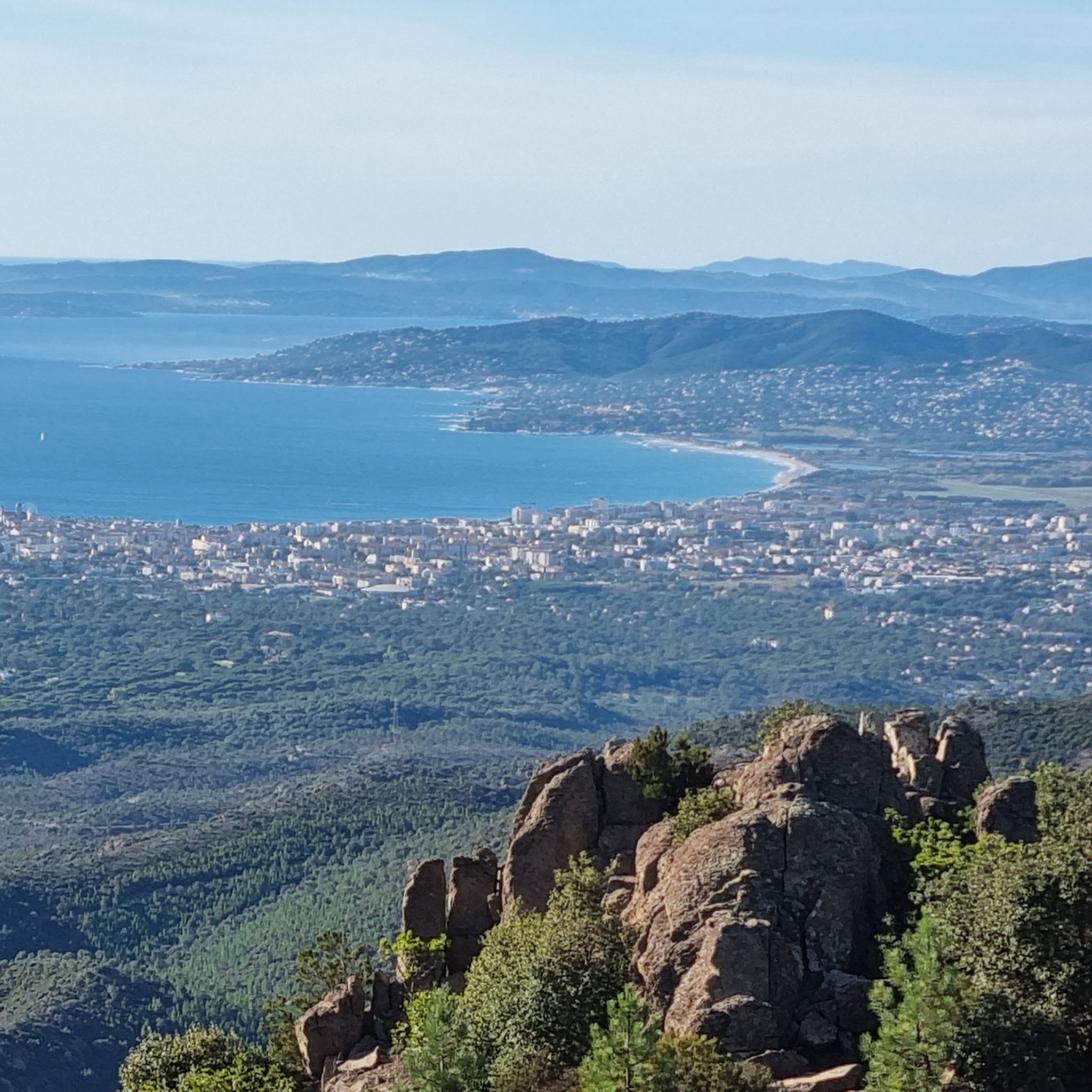
- The most popular mountain passes is Notre-Dame Pass, a mountain pass accessible both paved and unpaved. It serves as a starting point for walking and cycling tours, offering expansive views of the Estérel Mountains, the Mediterranean Sea, and the city of Cannes.
- Another must-see spot is Col de la Valdingarde Ascent, a climb known for its quiet, car-free environment. The asphalt surface may require careful descent, and the nearby village offers coffee.
- Visitors also love Col de Théoule, a mountain pass that is part of the scenic coastal road south of Théoule-sur-Mer. This pass offers access to hiking trails, including the route to Pic Roux, which provides views of the Calanques and towards Cannes.
- Fréjus is known for scenic drives, cycling routes, and hiking opportunities. These passes traverse the Estérel Massif, characterized by its red volcanic rock formations.
- The mountain passes around Fréjus are appreciated by the komoot community, with over 390 upvotes and 50 photos shared.
Last updated: October 13, 2026
Notre-Dame Pass
Highlight • Mountain Pass
Translated by Google •
Tip by

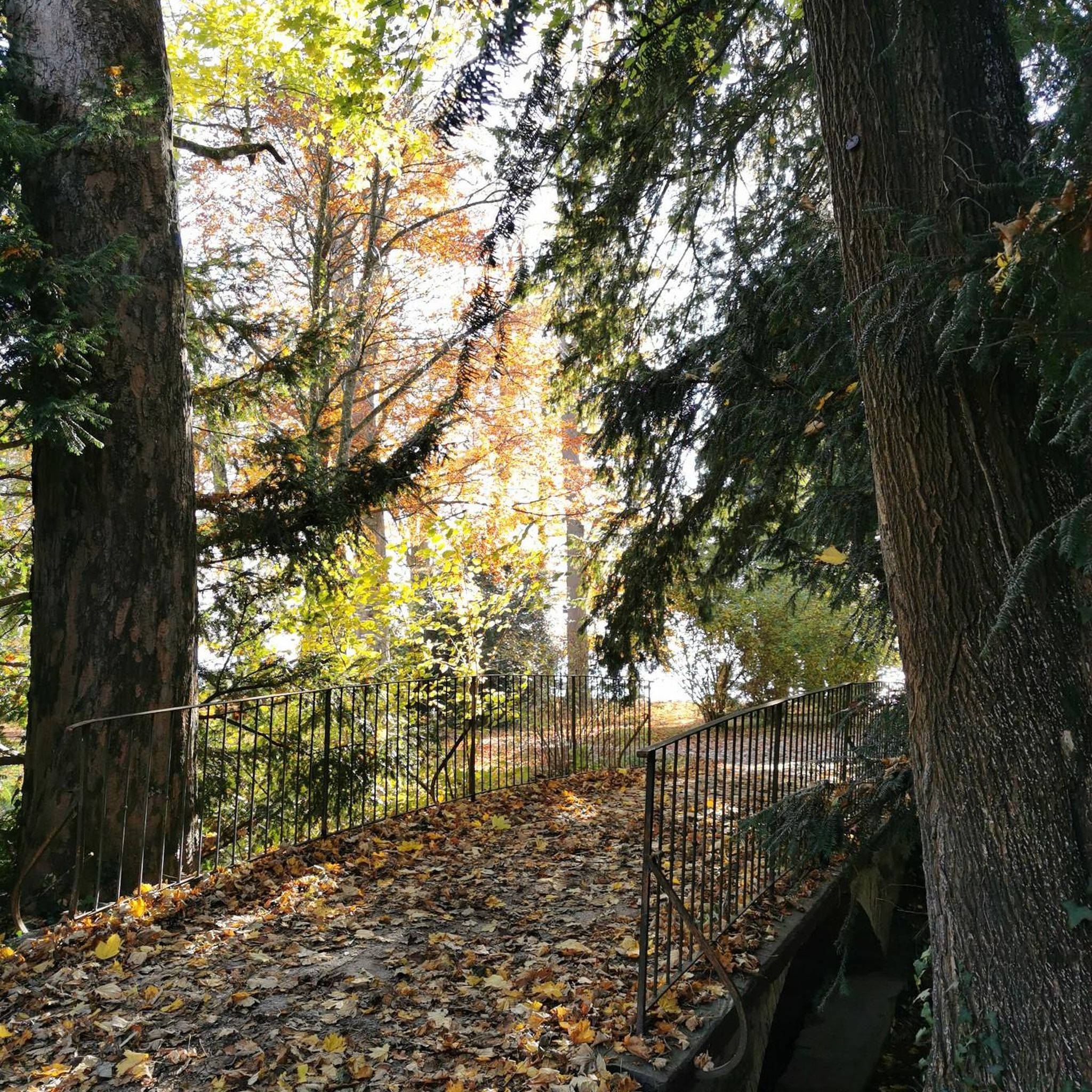
Col de la Valdingarde Ascent
Highlight • Climb
Translated by Google •
Tip by

Sign up now to discover places like this
Get recommendations on the best single tracks, peaks, & plenty of other exciting outdoor places.
Col de Théoule
Highlight • Mountain Pass
Translated by Google •
Tip by

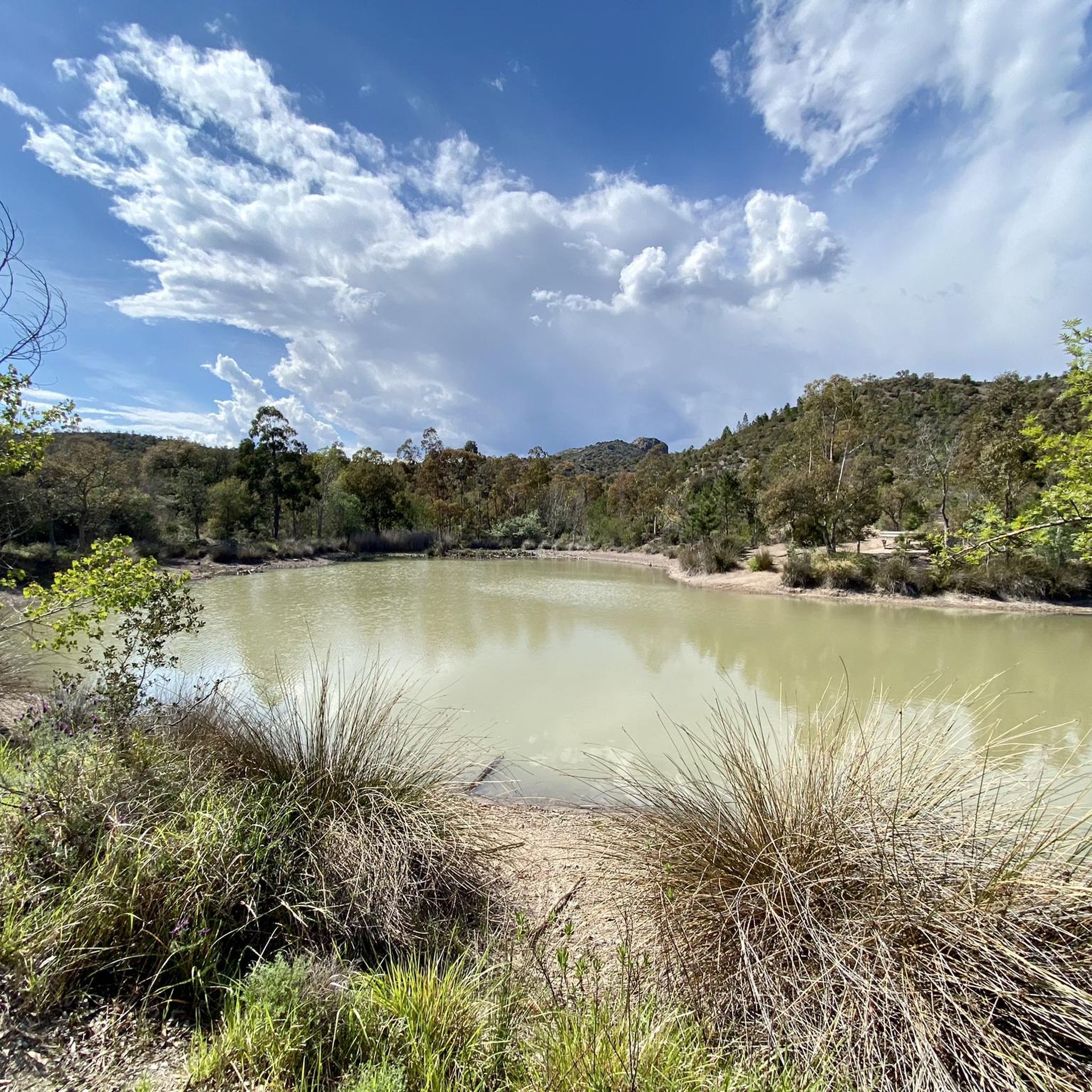
Bougnon Pass
Highlight • Mountain Pass
Translated by Google •
Tip by

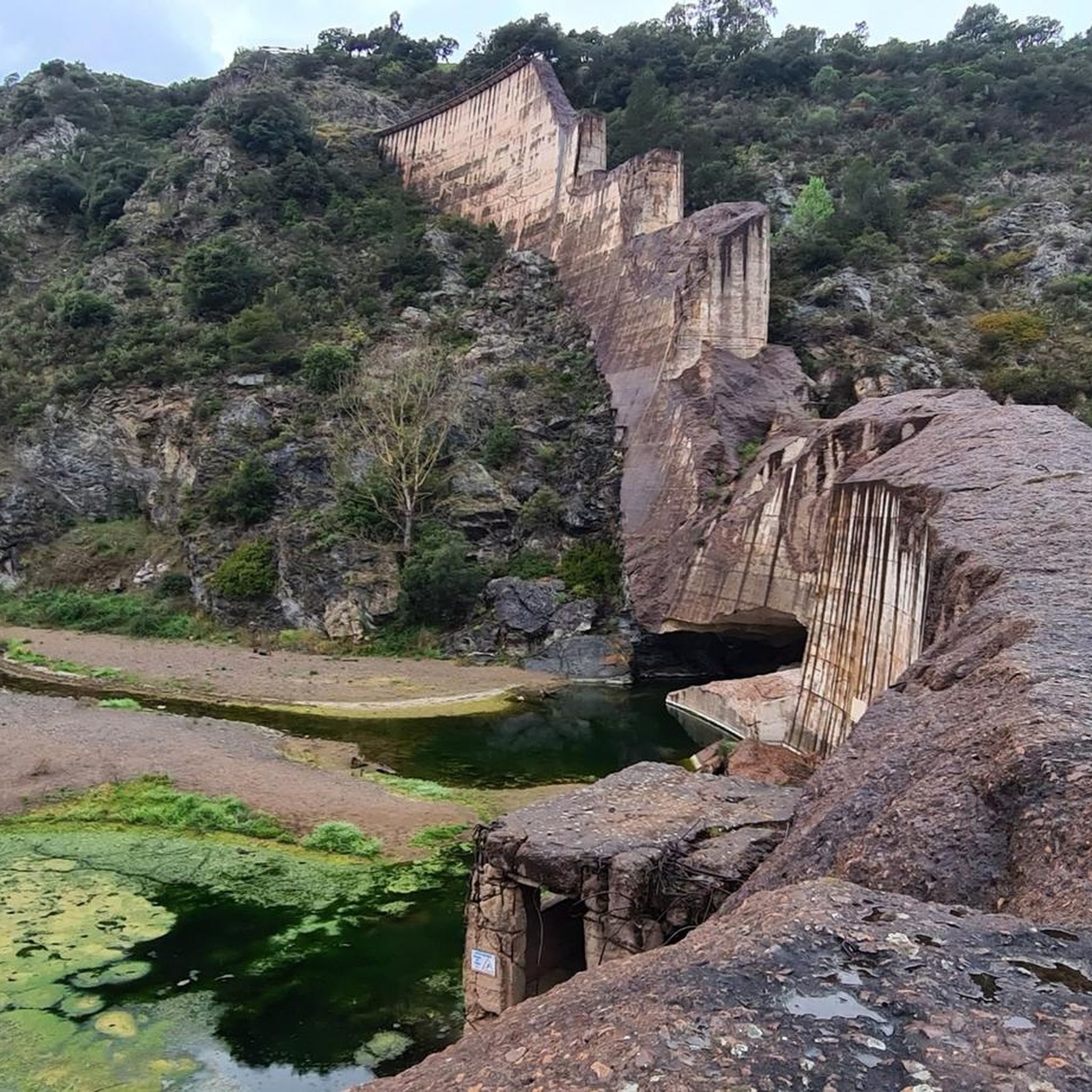
Tanneron Pass
Highlight • Mountain Pass
Translated by Google •
Tip by

Sign up for free to discover even more mountain passes around Fréjus.
Already have an account?
Start today with a free account
Your next adventure awaits.
Popular around Fréjus
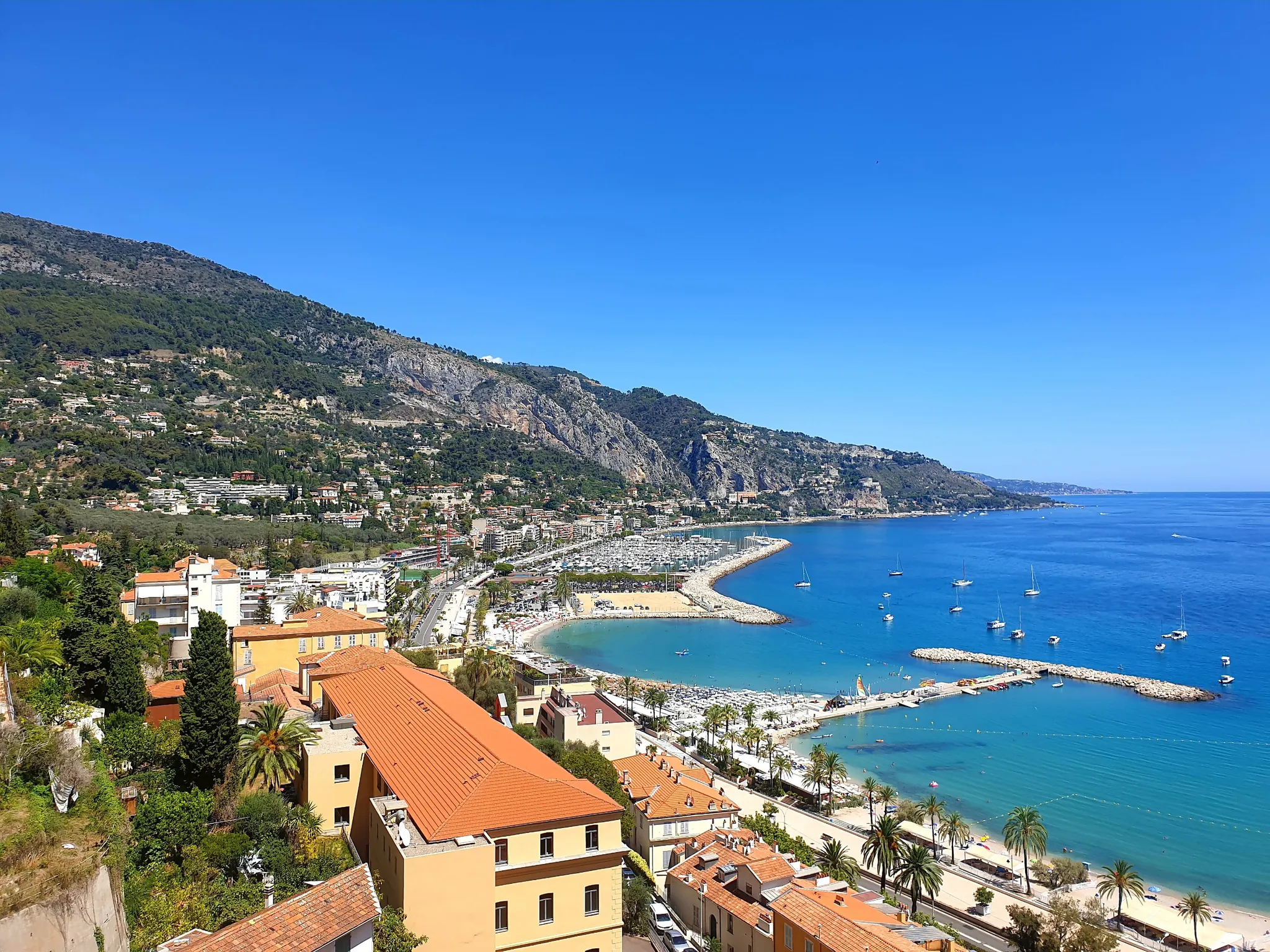
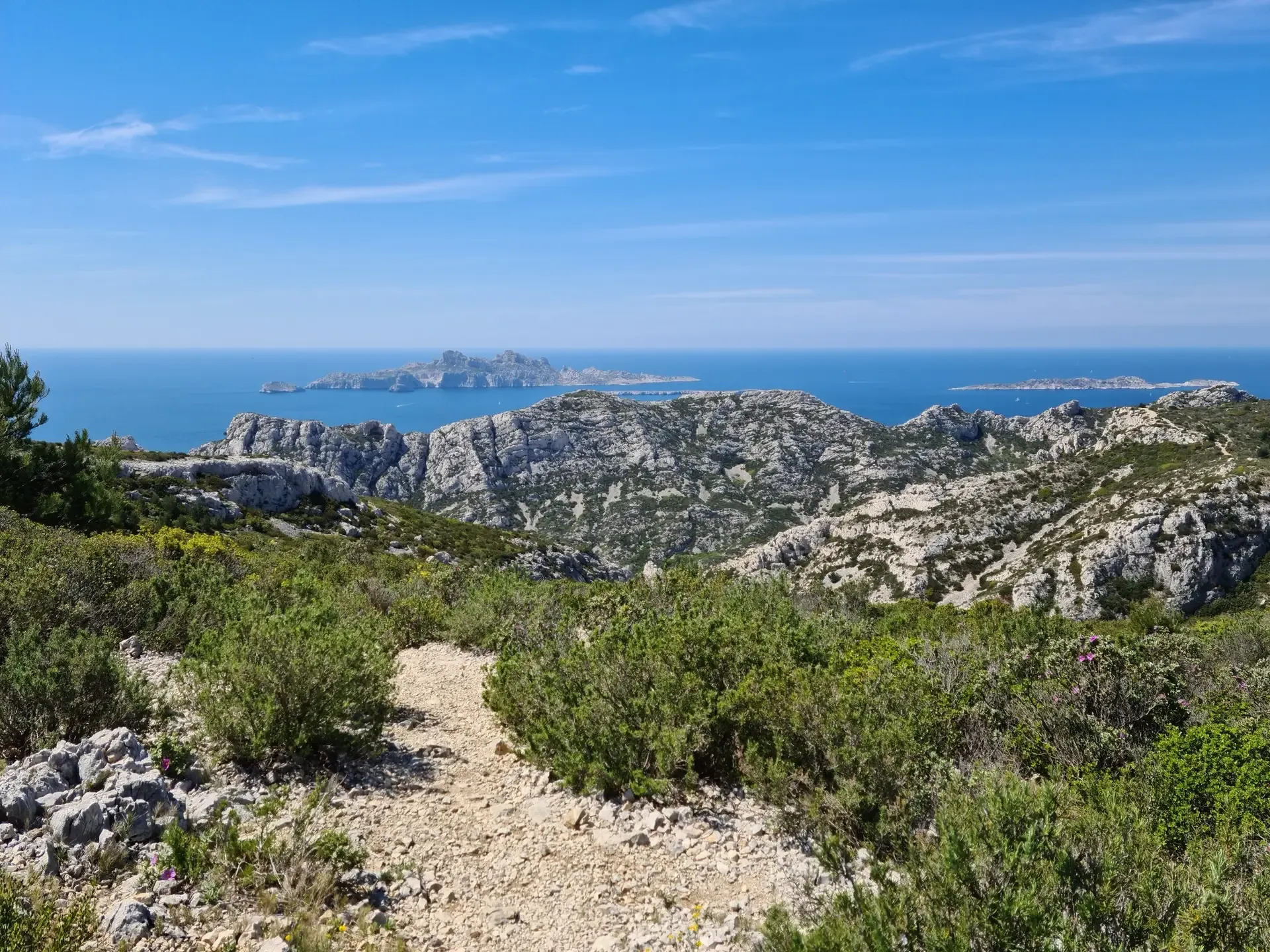
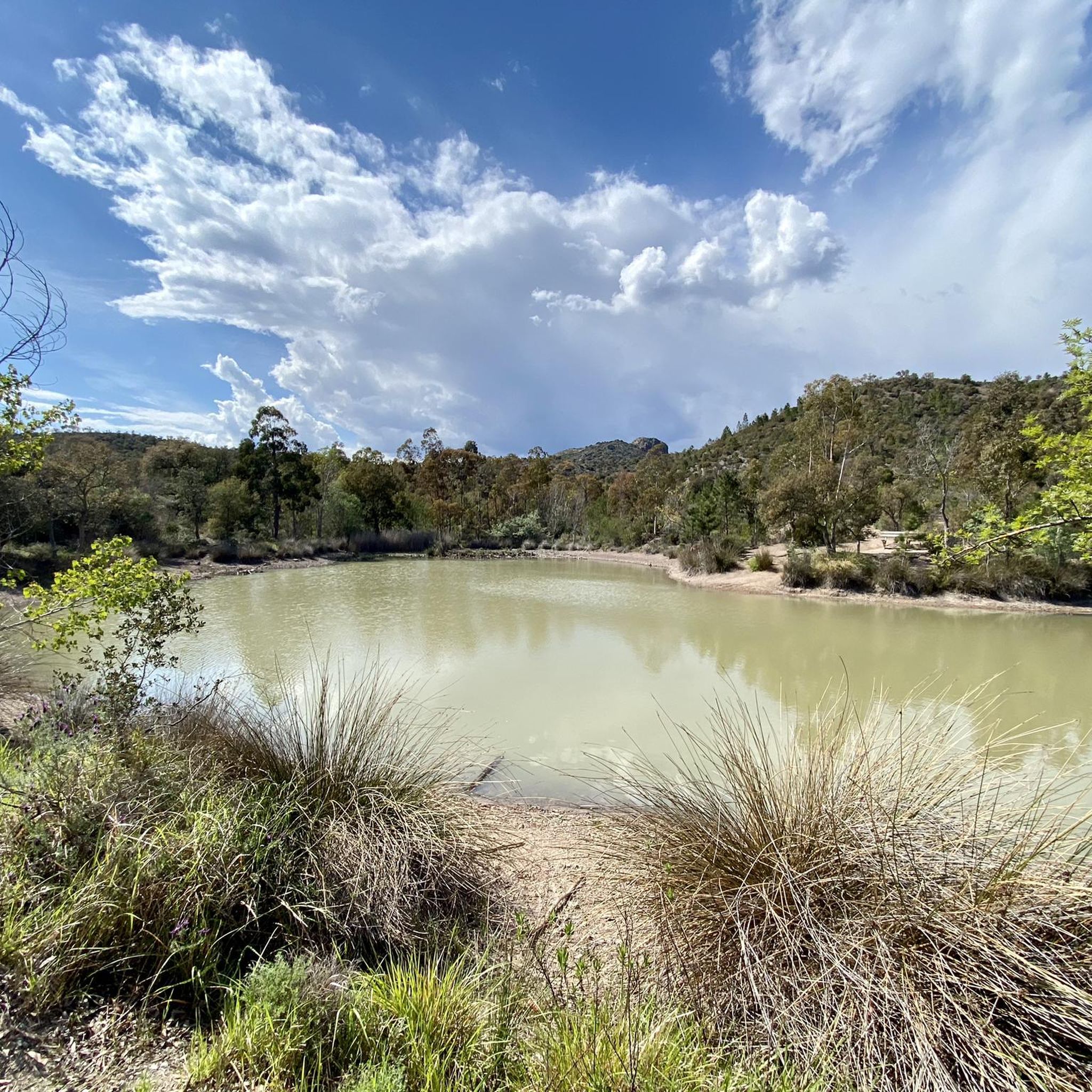


Tips from the Community

The asphalt road goes up to the pass. Shortly after the pass summit, you can turn onto the forest road and reach a scenic panoramic trail with steep climbs and descents. Wonderful views of the distant mountains, villages, and the sea.
0
0


The climb from Roquebrune-sur-Argens is definitely worth it for the amazing views! At some point, you'll even see the Mediterranean Sea and Saint-Raphaël! The asphalt is poor, however, which isn't so much of a problem when climbing, since you're already going slowly. It gets better after the second green light, but by then you're already pretty high up. If you want to descend (again) towards Roquebrune, you have to hold the handlebars firmly and be on your guard! A few stones or hops over potholes at high speed are all it takes, and you'll quickly find yourself on the outside edge of the bend! The climb itself is manageable – only a few sections are significantly over 6%, and they're mostly short.
0
0


Easy but nice pass. No cars in April, however.
1
0

In my opinion, the climb from Roquebrune is better because the road is worse there than on the other side. A gravel bike would be an advantage. But it is also possible with a racing bike.
1
0

The little bump in the neighborhood for a beautiful panorama
0
0
Frequently Asked Questions
What is the difference between the Col du Fréjus and the mountain passes near Fréjus?
It's important to distinguish between the two. The mountain passes around the town of Fréjus, such as Notre-Dame Pass and Col de Théoule, are located within the Estérel Massif in southeastern France. They offer scenic routes with distinctive red rock landscapes and Mediterranean views. The Col du Fréjus, on the other hand, is a high-altitude Alpine pass at 2,538 meters on the French-Italian border, far from the coastal town of Fréjus, and is primarily used by hikers.
Which mountain passes offer the best views around Fréjus?
Many passes in the Estérel Massif provide stunning vistas. Notre-Dame Pass is highly recommended for its breathtaking views of the Estérel Mountains, the Mediterranean Sea, and the city of Cannes. Similarly, Col de Théoule offers access to the hike to Pic Roux, which provides spectacular panoramic views of the Calanques and towards Cannes.
Are there good cycling routes over the mountain passes near Fréjus?
Yes, the mountain passes around Fréjus are very popular with cyclists. Passes like Col de la Valdingarde Ascent are known for being quiet and car-free, offering a peaceful cycling experience. The Col du Tanneron is also a popular route for cyclists seeking a moderate climb with picturesque views. You can find many cycling routes in the area, including those featured in our Cycling around Fréjus guide.
What hiking opportunities are available on the mountain passes around Fréjus?
The Estérel Massif offers numerous hiking trails accessible from its passes. From Col de Théoule, you can access the hike to Pic Roux, which is well-described and offers fantastic views. Notre-Dame Pass also serves as a starting point for many beautiful walking tours. For more options, explore our MTB Trails around Fréjus guide, which includes trails suitable for hiking.
What kind of natural landscape can I expect to see when visiting the mountain passes near Fréjus?
The mountain passes around Fréjus are primarily located within the Estérel Massif, which is renowned for its distinctive red volcanic rock formations. This creates a striking contrast with the deep blue of the Mediterranean Sea and the vibrant green vegetation, offering a visually rewarding experience with unique geological features and coastal scenery.
Are there family-friendly mountain walks or activities near Fréjus passes?
While specific 'family-friendly' categories aren't always assigned to passes, many areas within the Estérel Massif offer trails suitable for families. Passes like Notre-Dame Pass are starting points for various walking tours, some of which are less strenuous. The scenic drives and viewpoints also provide enjoyable experiences for all ages without extensive hiking.
When is the best time of year to visit the mountain passes around Fréjus?
The region enjoys a Mediterranean climate, making spring (April-May) and autumn (September-October) ideal for visiting. During these seasons, the weather is pleasant for outdoor activities like cycling and hiking, and the landscapes are particularly beautiful. Summers can be hot, while winters are generally mild but some trails might be less accessible.
Are there mountain passes near Fréjus with parking facilities?
Yes, several passes and their surrounding areas offer parking. For example, near Col de Théoule, there are opportunities for parking, especially when accessing hiking trails like the route to Pic Roux. It's always advisable to check local signage for designated parking areas.
What do visitors enjoy most about the mountain passes around Fréjus?
Visitors frequently praise the stunning natural beauty, particularly the contrast of the red Estérel rocks against the blue Mediterranean. The tranquility of routes like Col de la Valdingarde Ascent and the breathtaking views from spots like Notre-Dame Pass are often highlighted. Cyclists also appreciate the challenging yet rewarding climbs and descents, such as the Col de Lauragais Descent to Fréjus.
Can I find cafes or places for refreshments near the mountain passes?
While the passes themselves are often in natural settings, nearby villages and towns offer amenities. For instance, after ascending Col de la Valdingarde Ascent, you can find great coffee in the village at the bottom of the climb. Exploring the towns surrounding the Estérel Massif will provide various options for refreshments.
What other outdoor activities can I do near these mountain passes?
Beyond cycling and hiking, the region around Fréjus offers diverse outdoor activities. You can explore gravel biking routes through varied terrain or tackle challenging MTB trails. The coastal proximity also means opportunities for water sports and enjoying the beaches after a mountain excursion.
Most popular routes around Fréjus
Most popular attractions around Fréjus

Get inspired with the komoot mobile app


Explore more
See even more epic mountain passes by checking out these guides around Fréjus:
