The best cycling routes around Saint-Léger-Aux-Bois
4.2
(135)
1,013
riders
173
rides
Touring cycling routes around Saint-Léger-Aux-Bois are set within the Seine-Maritime department of Normandy, characterized by its extensive forested landscapes. The area features rolling hills and a bocage landscape typical of the Pays de Bray region, offering varied terrain for cyclists. Numerous forests, including Forêt de Laigue and Forêt de Compiègne, provide shaded paths and natural beauty. This region offers a mix of gentle inclines and scenic vistas for touring cyclists.
Best touring cycling routes around Saint-Léger-Aux-Bois
- The most popular touring…
Last updated: July 2, 2026
3.5
(2)
8
riders
47.9km
02:50
250m
250m
Moderate bike ride. Good fitness required. Mostly paved surfaces. Suitable for all skill levels.
6
riders
49.6km
02:54
240m
240m
Moderate bike ride. Good fitness required. Mostly paved surfaces. Suitable for all skill levels.

Sign up for free
4.0
(2)
9
riders
35.4km
03:03
470m
470m
Hard bike ride. Very good fitness required. You may need to push your bike for some segments of this route.
8
riders
Hard bike ride. Good fitness required. You may need to push your bike for some segments of this route.
8
riders
40.8km
03:01
230m
230m
Hard bike ride. Good fitness required. You may need to push your bike for some segments of this route.
Get access to more routes and recommendations from other explorers.
Sign up for free
Already have an account?
Our route recommendations are based on thousands of hikes, rides, and runs completed by other people on komoot.
Start today with a free account
Your next adventure awaits.
Login or Signup
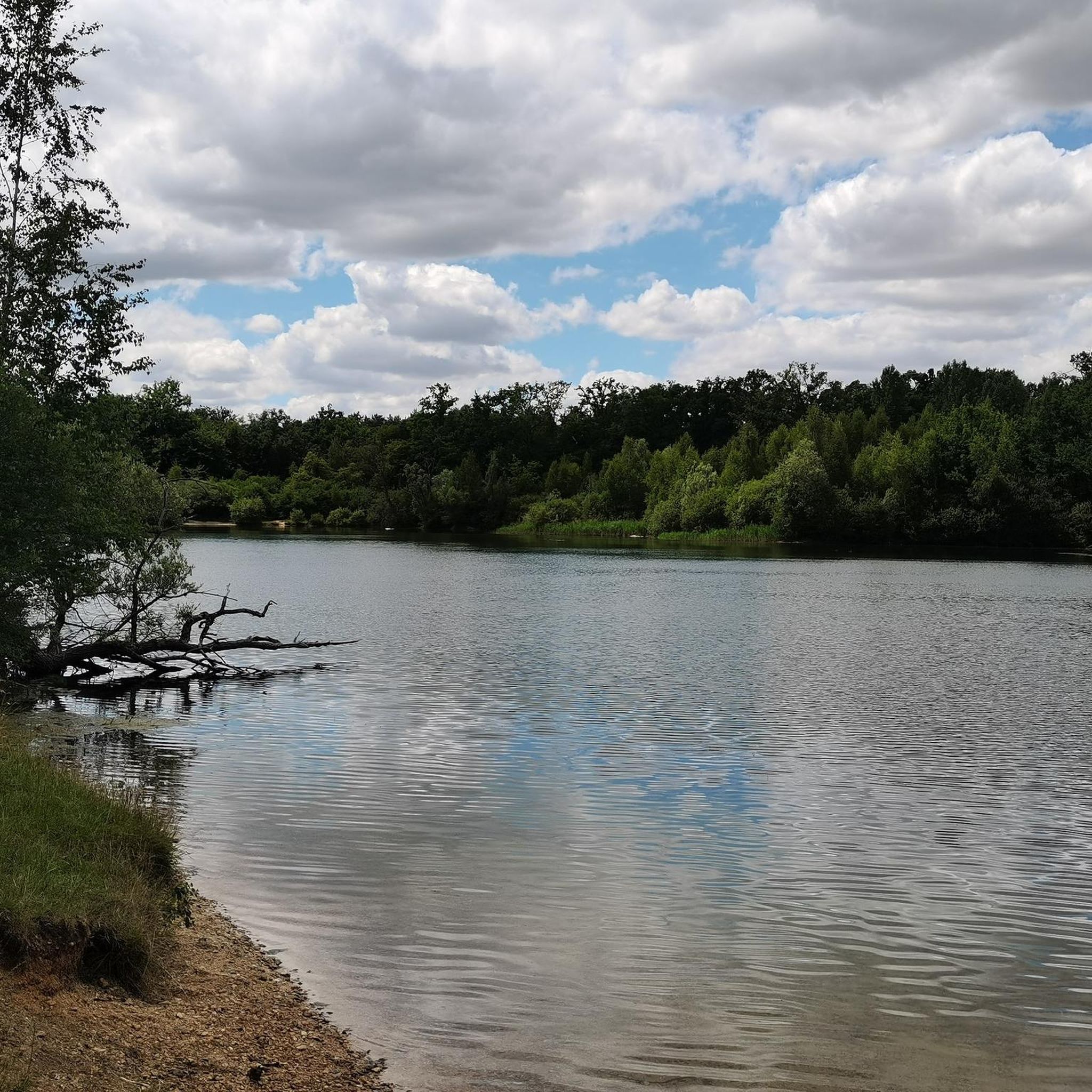
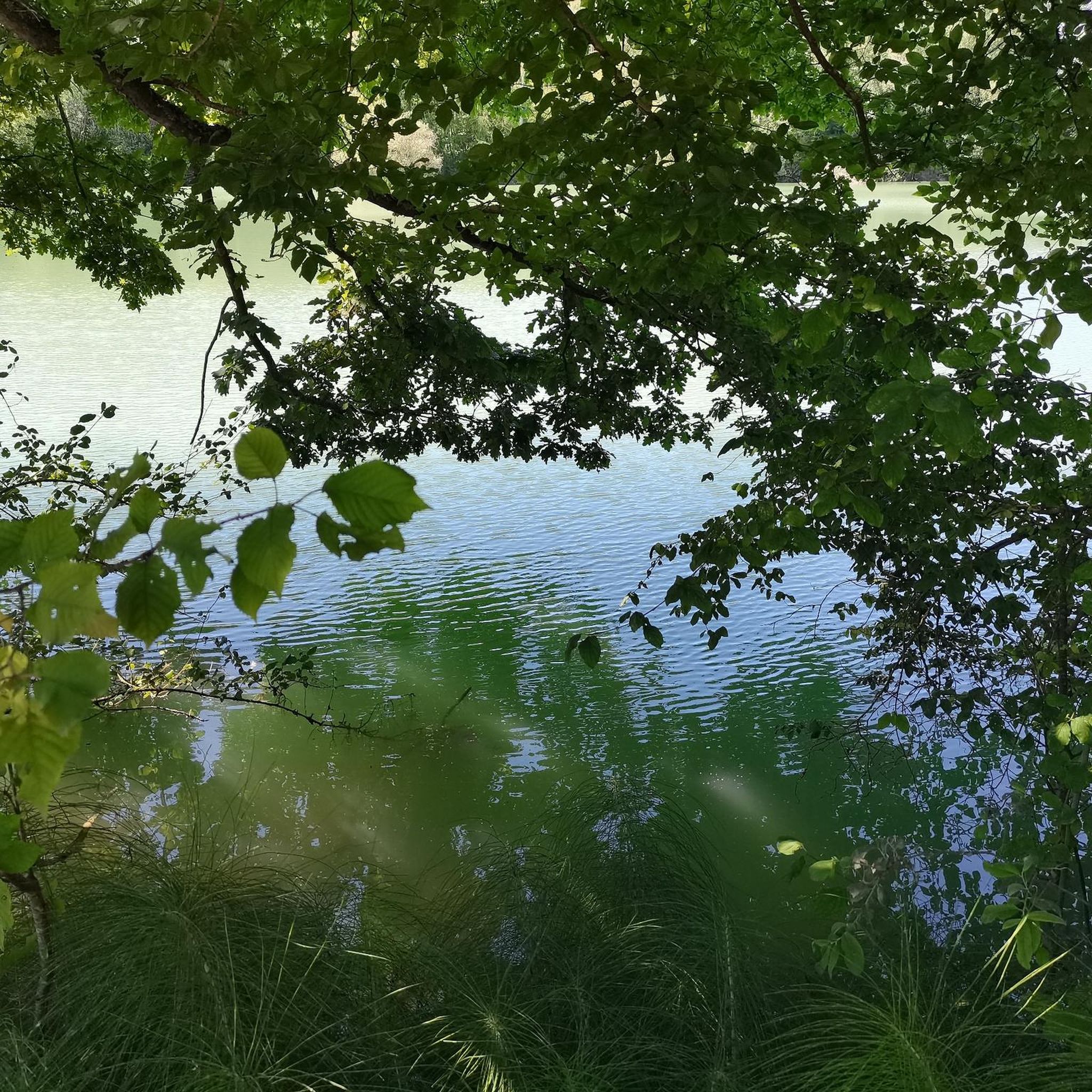


Tips from the Community

Beautiful cycle path. Clean and wide, but above all we are safe.
0
0


The square itself houses a statue of Joan of Arc, a tribute to the city's historical connection to this iconic figure. The Town Hall, with its rich history and stunning architecture, continues to captivate visitors, offering a glimpse into the past while remaining a vibrant part of Compiègne's present.
2
0
The architecture of the town hall is a true feast for the eyes. The central structure is dominated by a tall bell tower, flanked by two turrets connected by a decorative railing. This imposing façade, 47 meters high and 24 meters wide, is decorated with striking Gothic elements such as pinnacles and basket arches. The large niche now houses a high relief depicting the equestrian statue of Louis XII. It is an original creation from 1869 by the sculptor Henri-Alfred Jacquemart in the realistic style so prevalent at the time. However, contrary to the usual appearance of equestrian statues during the reign of Louis XII, Henri-Alfred Jacquemart chose not to build a horse walking "à l'amble," that is, with both straight legs raised simultaneously. On October 12, 1530, a clock was placed on the summit of the bell tower. From that time on, every quarter of an hour, she animated three wooden jaquemarts with bell hammers. The Compiègneis quickly gave them three nicknames corresponding to the enemies of the time: Langlois for the English, Flandrin for the Flemish, and Lansquenet for the Germans. Even today, they chant the life of the city by "punching the time," that is, by striking their hammer to strike the hours.
2
0

Rethondes is associated with the armistice of 1918. On Sunday 10 November, Foch and Weygand attended mass in the small church. Outside hangs a commemorative plaque. Inside, the portraits of the two commanders are included in the stained glass window of the apse.
4
0
The Château du Francport is an historic château in Choisy-au-Bac, Oise, Hauts-de-France. It was built in the 19th century. A photograph taken by Count Olympe Aguado is in the collection of the J. Paul Getty Museum in Los Angeles, California. According to photographer Edward O. Haars for the War Department, this building is where German emissaries were housed during the Armistice negotiations in November 1918 at the Forest of Compiègne. See photos attached with NARA source on the images. Acquired by the Anglo-French Hotel Management Limited to turn it into a luxury hotel, the project fell through in 2009. However, by 2014 it was owned by Terres de Kéops and run as a restaurant known as the Château des Bonshommes.
5
0
The Aisne is a river in northern France that rises in the Argonne massif and joins the Oise near Compiègne in the Oise department. The Aisne department is named after the river. The Romans already knew the river in ancient times as the Axona; in 57 BC, Caesar defeated a large Belgian coalition in the Battle of the Aisne during the Gallic War. Battles were also fought there during the First World War.
6
0
Frequently Asked Questions
How many touring cycling routes are available around Saint-Léger-Aux-Bois?
There are over 170 touring cycling routes in the Saint-Léger-Aux-Bois area, offering a wide range of options for different skill levels and preferences. You'll find a mix of easy, moderate, and difficult paths to explore the region's forests and rolling hills.
What kind of terrain can I expect on touring cycling routes in Saint-Léger-Aux-Bois?
The terrain around Saint-Léger-Aux-Bois is characterized by rolling hills and the charming bocage landscape typical of the Pays de Bray region. You'll also encounter extensive forested areas, such as the Forêt de Laigue and Forêt de Compiègne, providing shaded paths and natural beauty. While there are gentle inclines, some routes feature more significant elevation gains, offering varied challenges.
Are there any family-friendly touring cycling routes in the area?
Yes, the region offers routes suitable for families. Many paths wind through the dense woodlands, providing a safe and scenic environment. For a moderate option with car-free sections, consider the Compiègne Town Hall – Route Forestiere - car-free loop from Ribécourt, which is 38.1 miles (61.3 km) long and takes about 3 hours 45 minutes to complete.
What are some notable landmarks or attractions I can visit while cycling?
The Saint-Léger-Aux-Bois area is rich in historical and natural attractions. You can cycle past the 16th-century medieval Tower of Mailly or the atypical church with its leaning bell tower. Further afield, you might encounter the Château de Compiègne or the Château Mennechet. The Armistice Clearing (Clairière de l’Armistice) in Compiègne is also a significant historical site accessible by bike.
Are there any challenging routes for experienced touring cyclists?
Absolutely. For those seeking a more demanding ride, routes like the Wild Oise – View of Tracy-le-Mont loop from Ribécourt offer a difficult 23.1 miles (37.2 km) path with significant elevation gain, providing views towards Tracy-le-Mont and traversing natural landscapes of the Oise region.
Can I find circular touring cycling routes in Saint-Léger-Aux-Bois?
Yes, many of the touring cycling routes in the region are designed as loops, allowing you to start and end at the same point. An example is the Wild Oise – Saint-Rémi Church in Ribécourt loop from Ribécourt, a 29.6 miles (47.7 km) trail that takes you through the natural areas of the Oise.
What do other touring cyclists enjoy most about cycling in Saint-Léger-Aux-Bois?
The area is highly rated by the komoot community, with an average score of 4.3 stars from over 180 reviews. Reviewers often praise the dense woodlands, the peaceful rural character of the Pays de Bray, and the variety of routes that cater to different ability levels, from moderate forest paths to more challenging rides.
Are there any routes that feature car-free sections?
Yes, several routes incorporate car-free sections, enhancing the cycling experience. The Route Forestiere - car-free – The Aisne loop from Ribécourt is a great example, offering a 31.7 miles (50.9 km) moderate ride through forested areas without vehicle traffic.
What is the best time of year to go touring cycling in Saint-Léger-Aux-Bois?
The region's forested landscapes and rolling hills are beautiful throughout much of the year. Spring and autumn offer pleasant temperatures and vibrant scenery, while summer provides shaded paths through the extensive forests. It's always advisable to check local weather forecasts before heading out.
Are there any routes with significant elevation gain for a good workout?
For cyclists looking for a workout, routes with more substantial elevation changes are available. The Saint-Rémi Church in Ribécourt – Mennechet Castle loop from Ribécourt is a difficult 22 miles (35.4 km) route with over 460 meters of elevation gain, providing a challenging and rewarding experience.
What are the main natural features I will encounter on the routes?
You will primarily encounter dense woodlands, as Saint-Léger-Aux-Bois is known as a 'village of forestry.' Expect to cycle through significant forests like Forêt de Laigue, Mont Ganelon, Forêt de Compiègne, and Foret de Retz. The routes also traverse the rolling hills and charming bocage landscape of the Pays de Bray, offering a mix of open views and shaded forest paths.
Most popular routes around Saint-Léger-Aux-Bois
Most popular attractions around Saint-Léger-Aux-Bois

Get inspired with the komoot mobile app


Explore more
Browse the best Cycling routes in other regions.
