Attractions and Places To See around Cambronne-Lès-Ribécourt - Top 20
Best attractions and places to see around Cambronne-Lès-Ribécourt include historical landmarks, natural features, and cultural sites within the Oise department. This rural commune is bordered by the Oise River and its lateral canal, and the Matz River, offering waterside views. The nearby Forêt Domaniale de Laigue provides a natural escape for exploration. The area's deep roots are evident in its historical development and ties to the Oise valley.
Best attractions and places to see around Cambronne-Lès-Ribécourt
- The most popular attractions…
Last updated: July 6, 2026
Château de Compiègne
Highlight • Castle
Translated by Google •
Tip by

Beaux Monts Viewpoint
Highlight • Viewpoint
Translated by Google •
Tip by

Sign up now to discover places like this
Get recommendations on the best single tracks, peaks, & plenty of other exciting outdoor places.
Sign up for free
Armistice Clearing (Clairière de l’Armistice), Compiègne
Highlight • Historical Site
Translated by Google •
Tip by

Compiègne Town Hall
Highlight • Monument
Translated by Google •
Tip by

Town Hall
Highlight • Monument
Translated by Google •
Tip by

Sign up for free to discover even more attractions around Cambronne-Lès-Ribécourt.
Sign up for free
Already have an account?
Start today with a free account
Your next adventure awaits.
Login or Signup


Tips from the Community


A must-see history
0
0

The square itself houses a statue of Joan of Arc, a tribute to the city's historical connection to this iconic figure. The Town Hall, with its rich history and stunning architecture, continues to captivate visitors, offering a glimpse into the past while remaining a vibrant part of Compiègne's present.
2
0
The architecture of the town hall is a true feast for the eyes. The central structure is dominated by a tall bell tower, flanked by two turrets connected by a decorative railing. This imposing façade, 47 meters high and 24 meters wide, is decorated with striking Gothic elements such as pinnacles and basket arches. The large niche now houses a high relief depicting the equestrian statue of Louis XII. It is an original creation from 1869 by the sculptor Henri-Alfred Jacquemart in the realistic style so prevalent at the time. However, contrary to the usual appearance of equestrian statues during the reign of Louis XII, Henri-Alfred Jacquemart chose not to build a horse walking "à l'amble," that is, with both straight legs raised simultaneously. On October 12, 1530, a clock was placed on the summit of the bell tower. From that time on, every quarter of an hour, she animated three wooden jaquemarts with bell hammers. The Compiègneis quickly gave them three nicknames corresponding to the enemies of the time: Langlois for the English, Flandrin for the Flemish, and Lansquenet for the Germans. Even today, they chant the life of the city by "punching the time," that is, by striking their hammer to strike the hours.
2
0

Perfect for a picnic in the castle grounds!
0
0


In good weather, the garden is peaceful for relaxing or strolling. The cherry on the cake is inside the castle: beautiful reconstructions and conservations
0
0

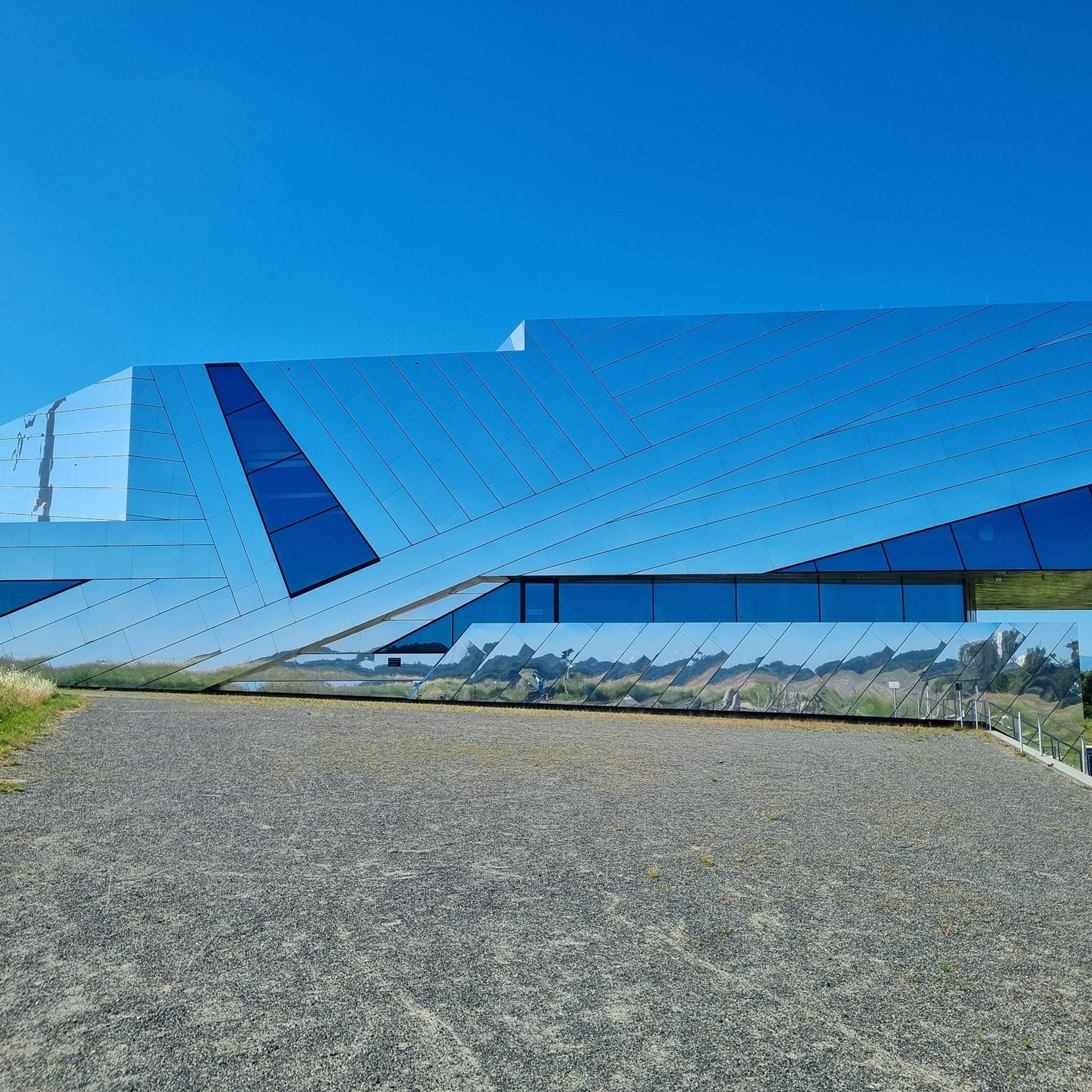
The armistice agreement of World War I was signed here on November 11, 1918 in a clearing in the forest of Compiègne in a railway carriage. In June 1940, France's capitulation to the German Reich was also signed here and in the same carriage. For this purpose, the carriage was brought back here from a museum on Hitler's orders. The original carriage no longer exists, but you can admire an identical carriage here in the museum for a fee. Today you can also find a lot of patriotism and commemoration here.
1
0
Frequently Asked Questions
What historical landmarks can I explore in Cambronne-Lès-Ribécourt?
Cambronne-Lès-Ribécourt is rich in history. You can visit the impressive Église Saint-Martin, a 13th-century church meticulously rebuilt after WWI and classified as a historical monument. Another significant site is the Nécropole Nationale de Cambronne-Lès-Ribécourt, a poignant memorial for French soldiers from both World Wars.
Are there any natural features or scenic spots to enjoy near Cambronne-Lès-Ribécourt?
Yes, the commune is bordered by the Oise River and its lateral canal to the southeast, offering picturesque waterside views. The Matz River also flows nearby. For a natural escape, the Forêt Domaniale de Laigue is in the vicinity, providing opportunities for exploration. Additionally, the Beaux Monts Viewpoint offers an exceptional perspective within the Compiègne forest.
What historical sites related to World War I can I visit?
The Armistice Clearing (Clairière de l’Armistice) in Compiègne is a crucial historical site. It serves as a memorial to the end of World War I, where the armistice agreement was signed. The site includes a museum detailing the historical significance of these events.
What kind of outdoor activities can I do around Cambronne-Lès-Ribécourt?
The region offers various outdoor activities, especially cycling. You can find numerous routes for touring bicycles, mountain biking, and road cycling. For example, explore routes like 'Compiègne Town Hall – Route Forestiere' for touring, 'Top of the Beautiful Hills – Beaux-Monts Belvedere' for MTB, or 'Le lavoir – Montagne du Paradis' for road cycling. You can find more details and routes on the respective guides: Cycling around Cambronne-Lès-Ribécourt, MTB Trails around Cambronne-Lès-Ribécourt, and Road Cycling Routes around Cambronne-Lès-Ribécourt.
Are there any family-friendly attractions in the area?
Many attractions around Cambronne-Lès-Ribécourt are considered family-friendly. The Château de Compiègne, with its museums and large park, is a great option. The Beaux Monts Viewpoint and the Armistice Clearing also welcome families, offering both historical insight and natural beauty.
What is the Château de Compiègne and what can I see there?
The Château de Compiègne is a former royal and imperial residence, built by Louis XV and XVI and later refurbished by Napoleon I and III. It features beautiful French neo-classical architecture. You can visit parts of the palace complex, which include three different museums. The extensive castle park is open daily with free admission.
Is there a significant municipal building to see in the region?
Yes, the Compiègne Town Hall is a notable municipal building constructed in the 16th century. Its architecture is a blend of Gothic elements and Louis XII style, featuring a tall bell tower and a statue of Joan of Arc on the square. It's also wheelchair accessible.
What do visitors enjoy most about the attractions near Cambronne-Lès-Ribécourt?
Visitors particularly appreciate the blend of rich history and natural beauty. The historical sites like the Armistice Clearing offer profound insights, while natural spots like the Beaux Monts Viewpoint provide stunning vistas. The architectural grandeur of places like the Château de Compiègne also receives high praise, with the community contributing 34 photos and 173 upvotes across the attractions.
Are there any lesser-known historical sites or 'hidden gems' to discover?
You might be interested in the Ruin of the priory of Ste Croix. Isolated on the edge of the Château d'Offémont park, this priory was founded in 1331 to house a fragment of the True Cross. Despite its current state, it holds significant historical and religious importance, having been richly endowed by local lords and even benefiting from the Duke of Orléans.
What is the best time to visit Cambronne-Lès-Ribécourt for outdoor activities?
While specific seasonal data isn't provided, the region's natural features like the Oise River, Matz River, and Forêt Domaniale de Laigue suggest that spring and autumn would be ideal for outdoor activities. These seasons typically offer pleasant temperatures for cycling and exploring historical sites without the extremes of summer heat or winter cold.
Can I find any accessible attractions in the area?
Yes, the Compiègne Town Hall is noted as being wheelchair accessible, allowing visitors to appreciate its impressive 16th-century architecture and historical significance.
Most popular routes around Cambronne-Lès-Ribécourt
Most popular attractions around Cambronne-Lès-Ribécourt

Get inspired with the komoot mobile app


Explore more
Still not found the Highlight you’re looking for? See guides of the top attractions in other regions:
