Top 7 Castles around Fontaine-Le-Port
Best castles around Fontaine-Le-Port are found in the surrounding region, offering a rich historical and architectural experience. While Fontaine-Le-Port itself is a village with local charm, it serves as a convenient base for exploring magnificent châteaux nearby. These sites showcase centuries of French history and diverse architectural styles, set within extensive parks and gardens.
Best castles around Fontaine-Le-Port
- The most popular castles is Fontainebleau Castle, a castle that is a UNESCO World Heritage site and a jewel of French…
Last updated: July 7, 2026
Fontainebleau Castle
Highlight • Castle
Translated by Google •
Tip by

Château de Vaux-le-Vicomte
Highlight • Castle
Translated by Google •
Tip by
Sign up now to discover places like this
Get recommendations on the best single tracks, peaks, & plenty of other exciting outdoor places.
Sign up for free
Fontainebleau Castle
Highlight • Historical Site
Translated by Google •
Tip by
Blandy‑les‑Tours Castle
Highlight • Castle
Translated by Google •
Tip by
Aulnoy Castle
Highlight • Castle
Translated by Google •
Tip by

Sign up for free to discover even more castles around Fontaine-Le-Port.
Sign up for free
Already have an account?
Start today with a free account
Your next adventure awaits.
Login or Signup

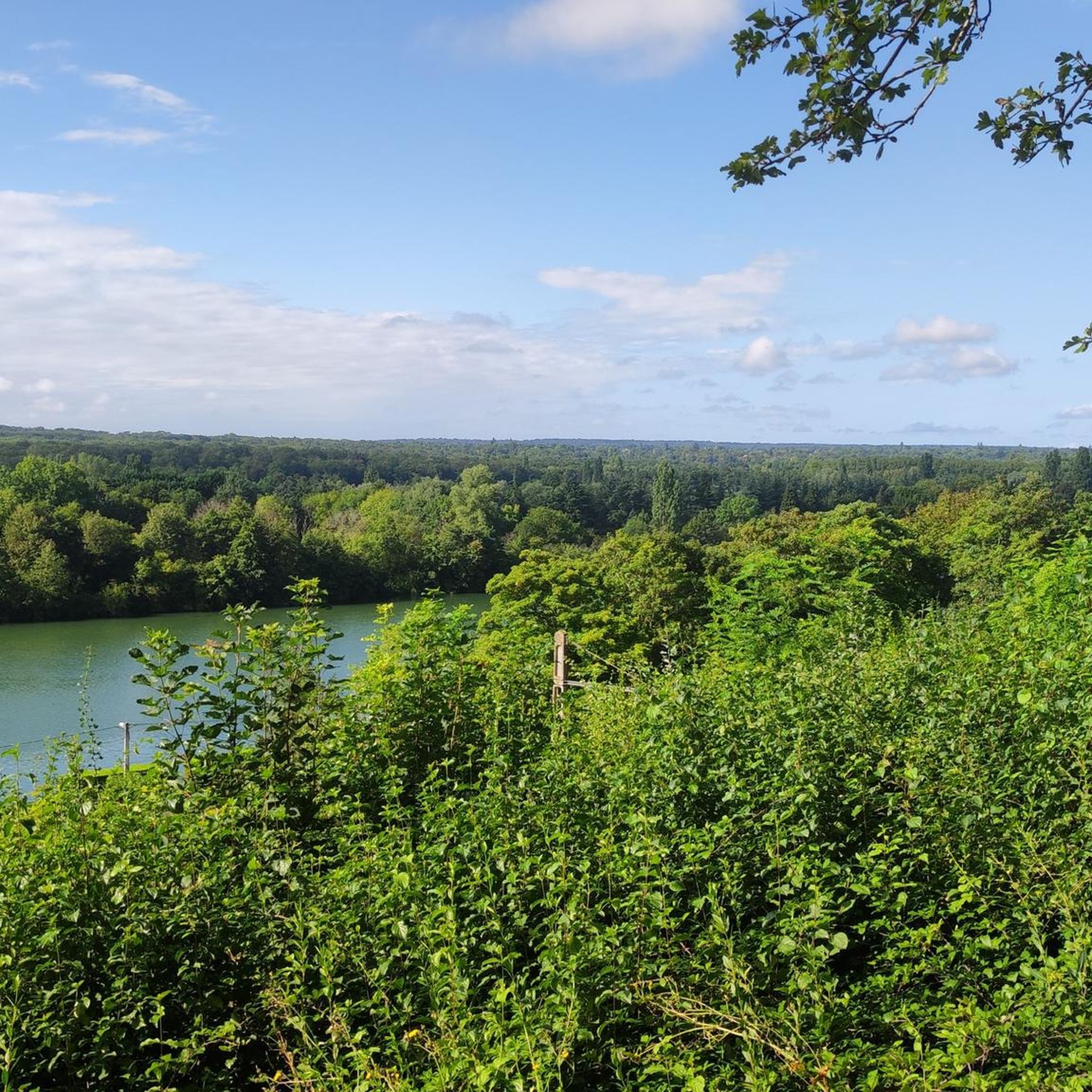
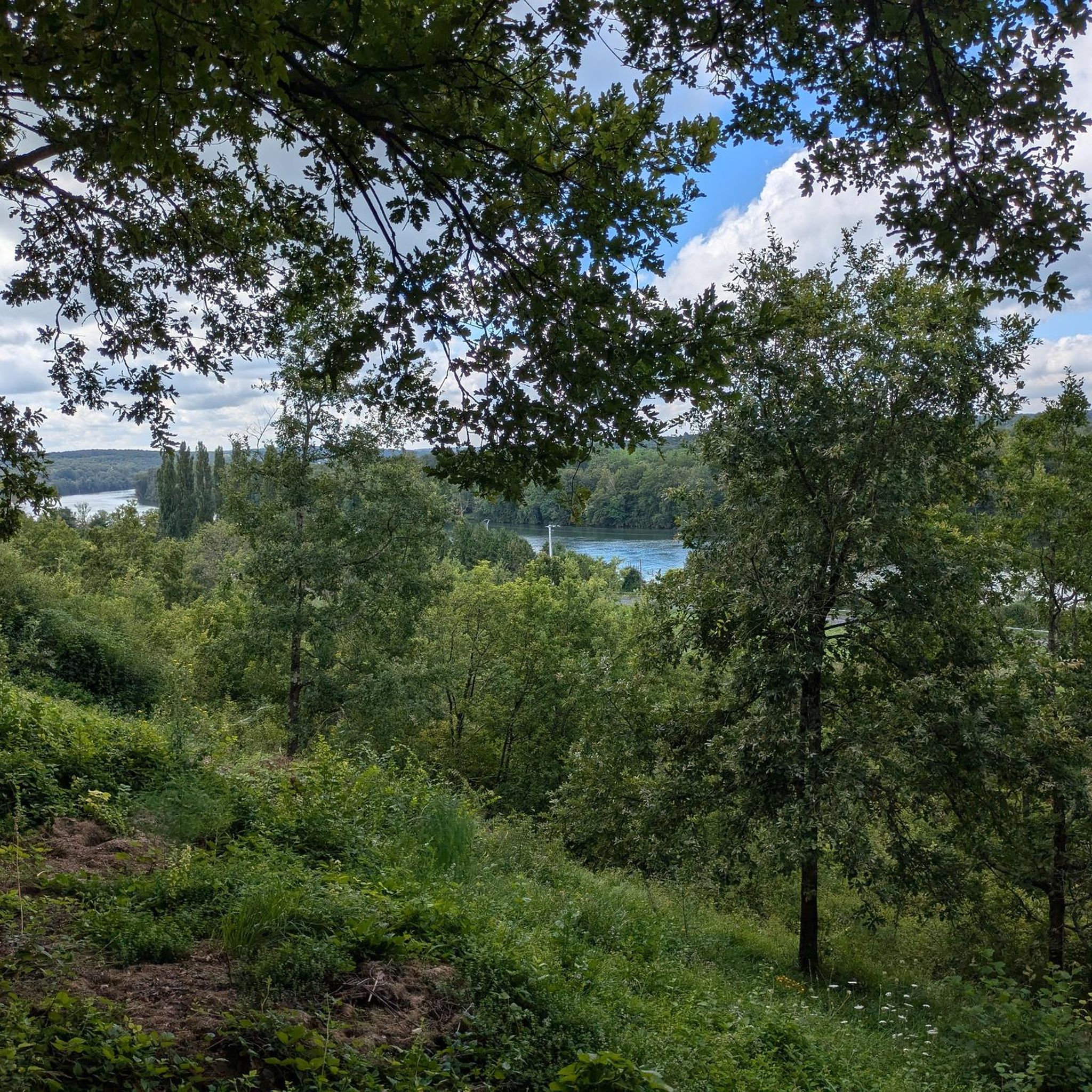
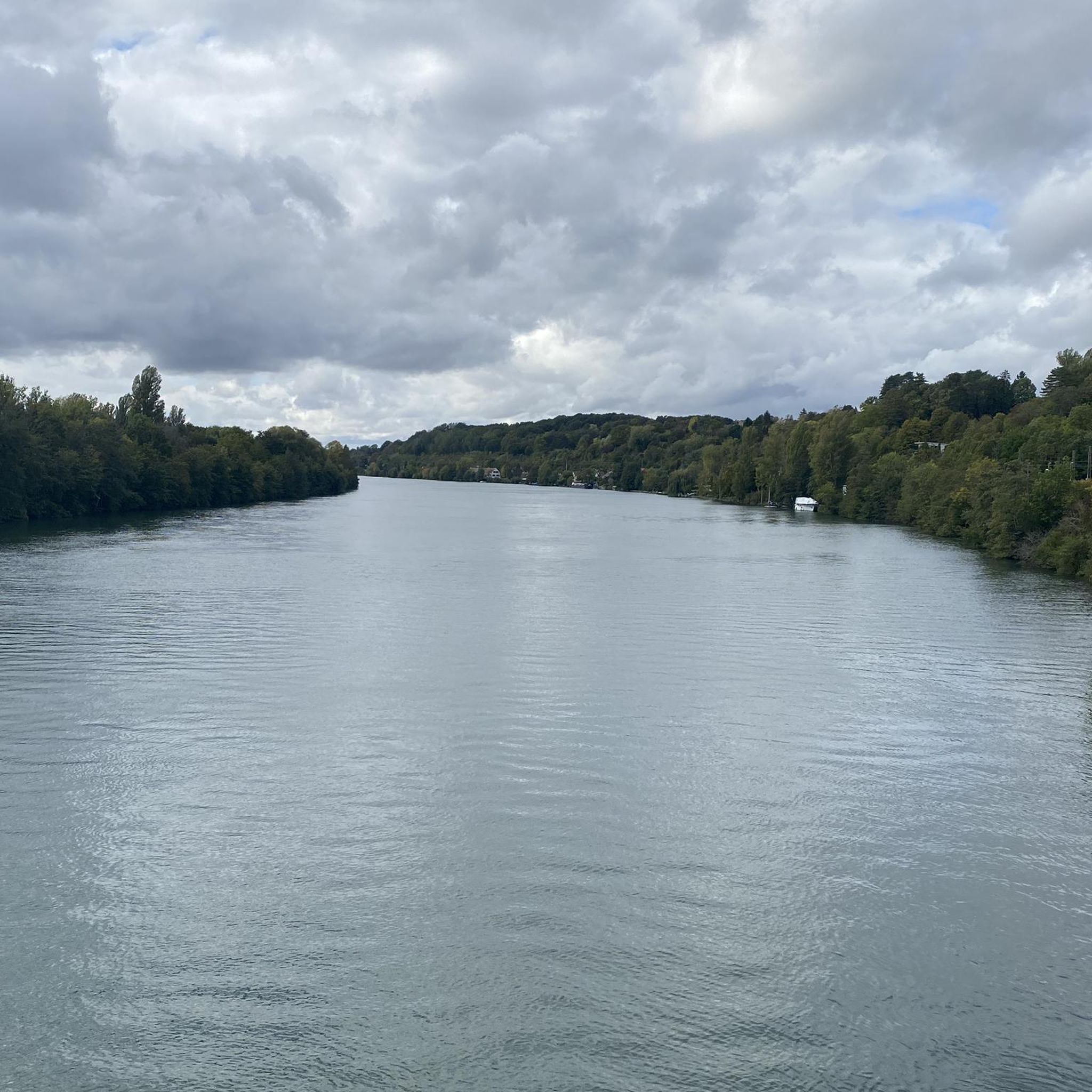

Tips from the Community

Vaux-le-Vicomte Castle is beautiful 😉. Absolutely recommended 👍.
0
0

No cycling in the castle grounds... on foot only
0
0

a beautiful perspective - worth stopping by or visiting!
0
0

"Built by King Louis IX in 998 as a simple hunting lodge in the heart of the "Ile de France," Fontainebleau soon fell into obscurity. It wasn't until Francis I discovered his love for Fontainebleau and elevated it to a royal residence that the palace's true history began, as the ancestral home of the French kings. Henry IV had the complex expanded, and under Napoleon I, the building was extensively restored as the first imperial residence." With these words, a text on the media library's website introduces a 15-minute film (in German) about the UNESCO World Heritage Site. If you're interested, see => https://www.ardmediathek.de/video/schaetze-der-welt/fontainebleau-frankreich-folge-19/swr/Y3JpZDovL3N3ci5kZS83MjQ1NTMy
0
0
For the perspective of the aisles.
0
0

passage through the park possible by bicycle
0
0
"Fontainebleau was built by King Louis IX in 998 as a simple hunting lodge in the heart of the "Ile de France", but it soon fell into oblivion. It was only when Francis I discovered his love for Fontainebleau and elevated it to a residence that the castle's real history began as the ancestral home of the French kings. Henry IV had the complex expanded and under Napoleon I the building was extensively restored as the first imperial residence." With these words, a text on the media library's website introduces a 15-minute film (in German) about the UNESCO World Heritage Site. If you are interested, see => https://www.ardmediathek.de/video/schaetze-der-welt/fontainebleau-frankreich-folge-19/swr/Y3JpZDovL3N3ci5kZS83MjQ1NTMy
0
0

At the Château de Fontainebleau, the Cascades basin serves as a visual transition between the different levels of the French garden. An essential element during your stroll in the park.
0
0
Frequently Asked Questions
What are the most notable castles to visit near Fontaine-Le-Port?
The region around Fontaine-Le-Port is home to several magnificent châteaux. Among the most prominent are Fontainebleau Castle, a UNESCO World Heritage site known for its extensive history and royal residents, and Château de Vaux-le-Vicomte, a 17th-century masterpiece that inspired Versailles. For a glimpse into medieval military architecture, consider Blandy‑les‑Tours Castle.
Are there family-friendly castles in the Fontaine-Le-Port area?
Yes, several castles in the area are great for families. Fontainebleau Castle offers vast grounds and diverse historical exhibits that can engage all ages. Château de Vaux-le-Vicomte often hosts special events like candlelit evenings and allows for period costume rentals, enhancing the experience for children. Blandy‑les‑Tours Castle, with its impressive towers and medieval architecture, also provides an engaging historical adventure for younger visitors.
What is the historical significance of the castles near Fontaine-Le-Port?
The castles in this region are steeped in French history. Fontainebleau Castle served as a residence for 34 kings and two emperors over 800 years, earning it the title 'true home of kings.' Château de Vaux-le-Vicomte is significant as a 17th-century Baroque masterpiece that directly influenced the design of the Palace of Versailles. Blandy‑les‑Tours Castle is a rare example of medieval military architecture, showcasing its evolution from a fortified manor to a Renaissance residence.
What kind of gardens and natural features can I expect at these castles?
The castles boast impressive gardens. Fontainebleau Castle features 130 hectares of parks and gardens, including formal French gardens, English-style parks like Diana's Garden, and the Grand Parterre, one of Europe's largest. Château de Vaux-le-Vicomte is renowned for its 33 hectares of formal French gardens, designed by André Le Nôtre, characterized by spectacular symmetry and intricate parterres. Aulnoy Castle also features a beautiful English-style park, one of the first in France.
What outdoor activities can I do near these castles?
The area around Fontaine-Le-Port offers various outdoor activities. You can explore numerous cycling routes, including options for gravel biking, road cycling, and general cycling tours. Many routes pass by or offer views of the castles and the surrounding natural landscapes, such as the Fontainebleau forest and the banks of the Seine.
How can I reach Château de Fontainebleau from Fontaine-Le-Port using public transport?
While direct public transport from Fontaine-Le-Port to Château de Fontainebleau might require transfers, you can typically take a local bus or taxi to a larger hub like Fontainebleau-Avon train station. From there, a local bus (Line 1, 'Les Lilas') can take you directly to the Château. It's advisable to check current schedules and routes for the most up-to-date information.
Is Château de Vaux-le-Vicomte accessible by public transport from Fontaine-Le-Port?
Reaching Château de Vaux-le-Vicomte from Fontaine-Le-Port by public transport usually involves a combination of local transport to a nearby train station (such as Melun) and then a shuttle service or taxi to the château. During peak season, special shuttles might operate from Melun station. Always verify the latest transport options and schedules before your visit.
What is the best time of year to visit the castles near Fontaine-Le-Port?
The spring (April-May) and autumn (September-October) months are generally ideal for visiting, offering pleasant weather for exploring both the interiors and the extensive gardens. Summer (June-August) is also popular, especially for events like the candlelit evenings at Vaux-le-Vicomte, but can be busier. Winter visits can be charming, with fewer crowds, though some garden features might be less vibrant.
Are dogs allowed at the castles or on their grounds?
Policies regarding dogs vary by castle. Generally, dogs are not permitted inside the main buildings of historical monuments like Fontainebleau Castle or Château de Vaux-le-Vicomte. Some may allow leashed dogs in designated outdoor areas or parks, but it's always best to check the specific castle's official website for their most current pet policy before your visit.
How long should I allocate for a visit to Blandy‑les‑Tours Castle?
A visit to Blandy‑les‑Tours Castle typically takes between 1.5 to 2.5 hours to explore its restored interiors, towers, and grounds thoroughly. This allows ample time to appreciate its medieval military architecture and historical exhibits.
What makes Château de Fontainebleau a less crowded alternative to Versailles?
Fontainebleau Castle, despite its immense historical significance and grandeur, receives significantly fewer visitors than Versailles. This allows for a more intimate and relaxed experience, enabling visitors to explore its 1,500 rooms, vast art collections, and magnificent gardens without the large crowds and long queues often associated with other major royal residences.
What unique experiences does Château de Vaux-le-Vicomte offer?
Château de Vaux-le-Vicomte is known for its enchanting candlelit evenings during the summer, where the château and gardens are illuminated by thousands of candles, often accompanied by fireworks. Visitors can also rent electric golf carts to explore the extensive gardens or dress up in period costumes, adding a unique and immersive element to their visit.
Most popular routes around Fontaine-Le-Port
Most popular attractions around Fontaine-Le-Port

Get inspired with the komoot mobile app


Explore more
Looking for the best castles somewhere else? Discover other guides around Fontaine-Le-Port:
