The best walks and hikes around Quettehou
4.5
(1145)
6,013
hikers
181
hikes
Hiking around Quettehou offers exploration of coastal paths and maritime landscapes. The region features gentle elevations and views of the sea, including historical sites like Fort de la Hougue. Terrain primarily consists of coastal trails and paths connecting small ports and coves, providing accessible walking routes around Quettehou.
Best hiking trails around Quettehou
- The most popular hiking route is Fort of La Hougue – Seawall at Fort de la Hougue loop from Quettehou, a 7.4 miles (11.9 km) trail…
Last updated: October 12, 2026
3.7
(6)
25
hikers
5.20km
01:24
70m
70m
This easy 3.2-mile hiking loop from La Pernelle offers panoramic views of the Val de Saire and takes about 1 hour and 24 minutes.
4.3
(10)
73
hikers
Moderate hike. Good fitness required. Easily-accessible paths. Suitable for all skill levels.

4.6
(53)
52
hikers
Moderate hike. Good fitness required. Easily-accessible paths. Suitable for all skill levels.
4.0
(5)
22
hikers
10.3km
02:42
90m
90m
Moderate hike. Good fitness required. Easily-accessible paths. Suitable for all skill levels.
4.6
(7)
15
hikers
Moderate hike. Good fitness required. Easily-accessible paths. Suitable for all skill levels.
Get access to more routes and recommendations from other explorers.
Already have an account?
Our route recommendations are based on thousands of hikes, rides, and runs completed by other people on komoot.
Start today with a free account
Your next adventure awaits.
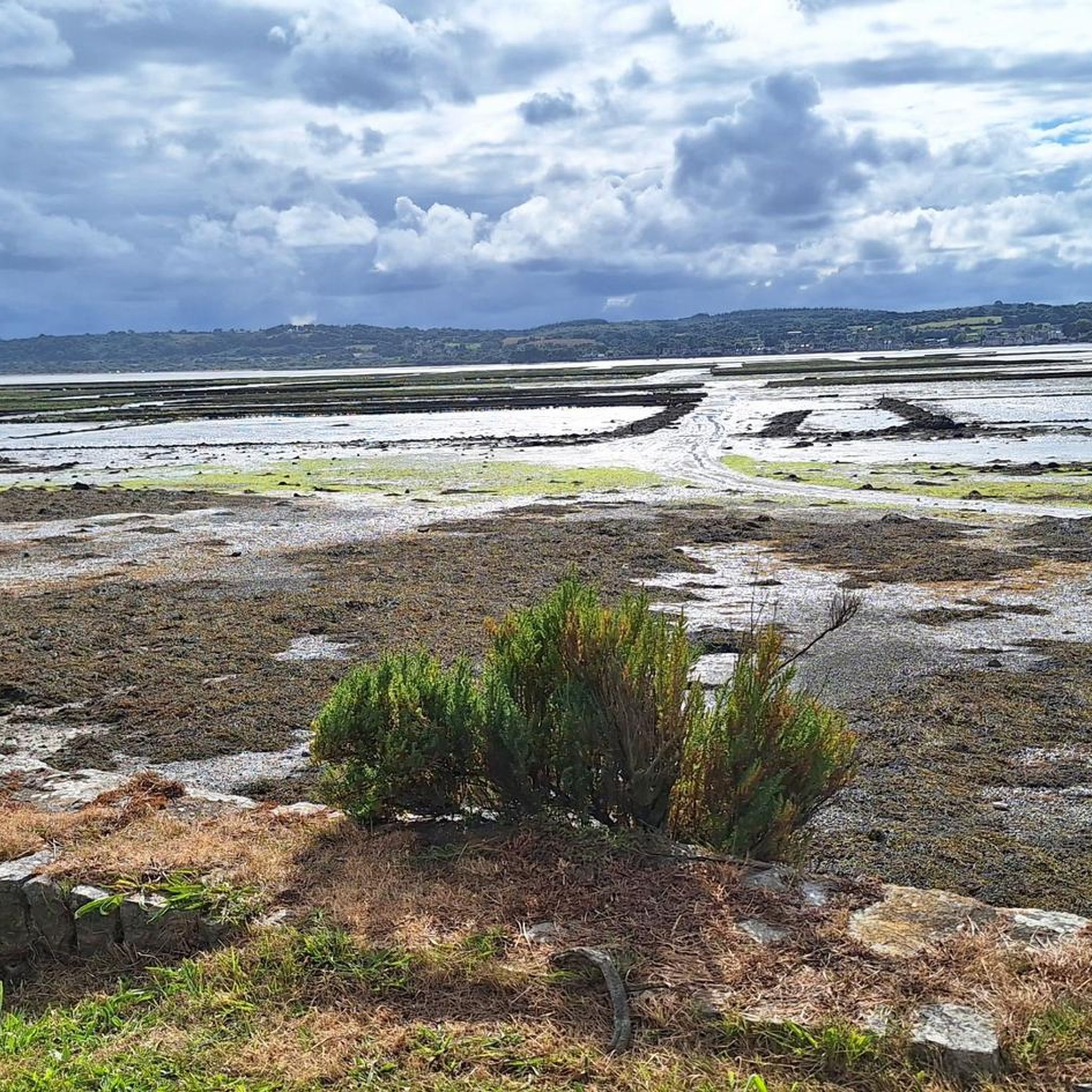
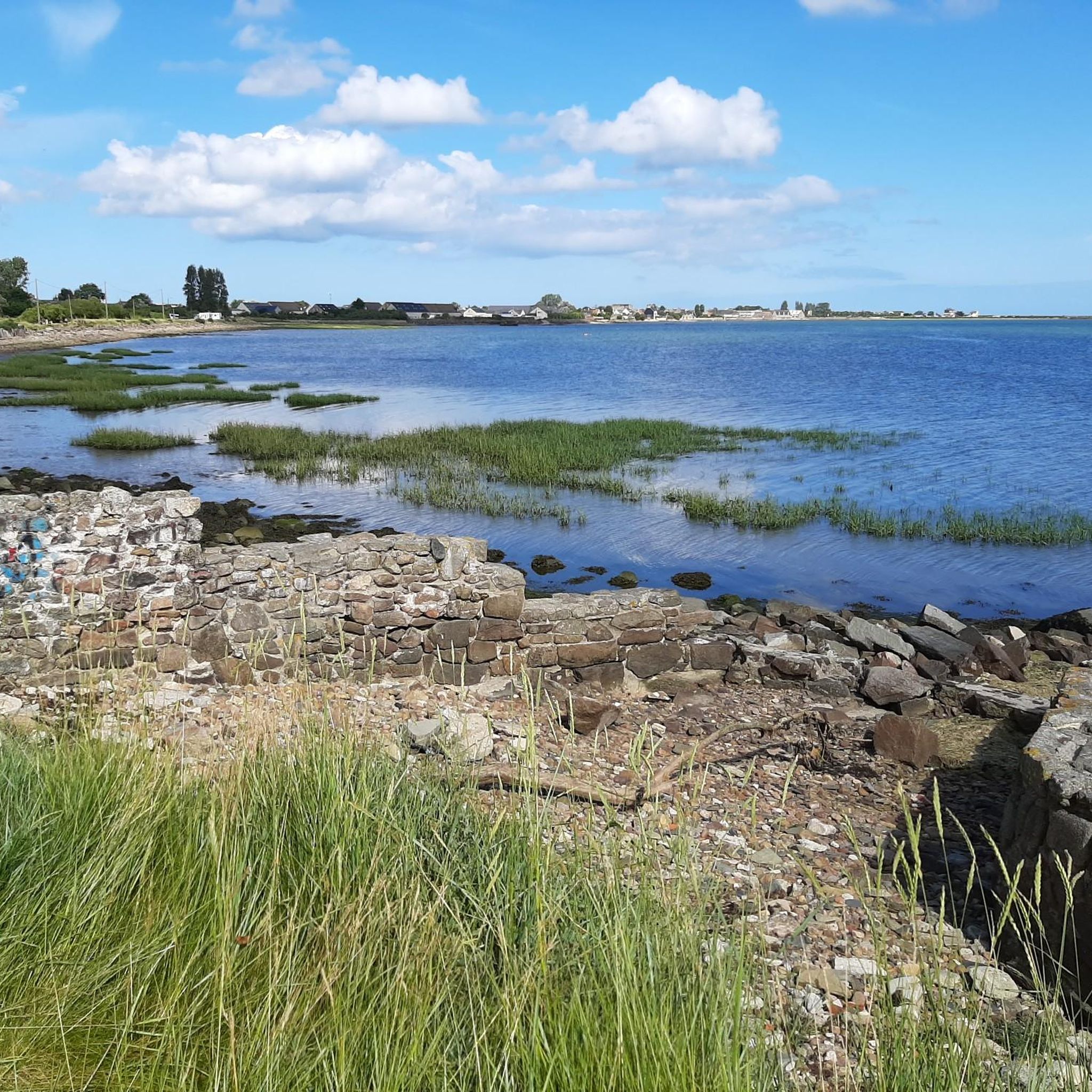
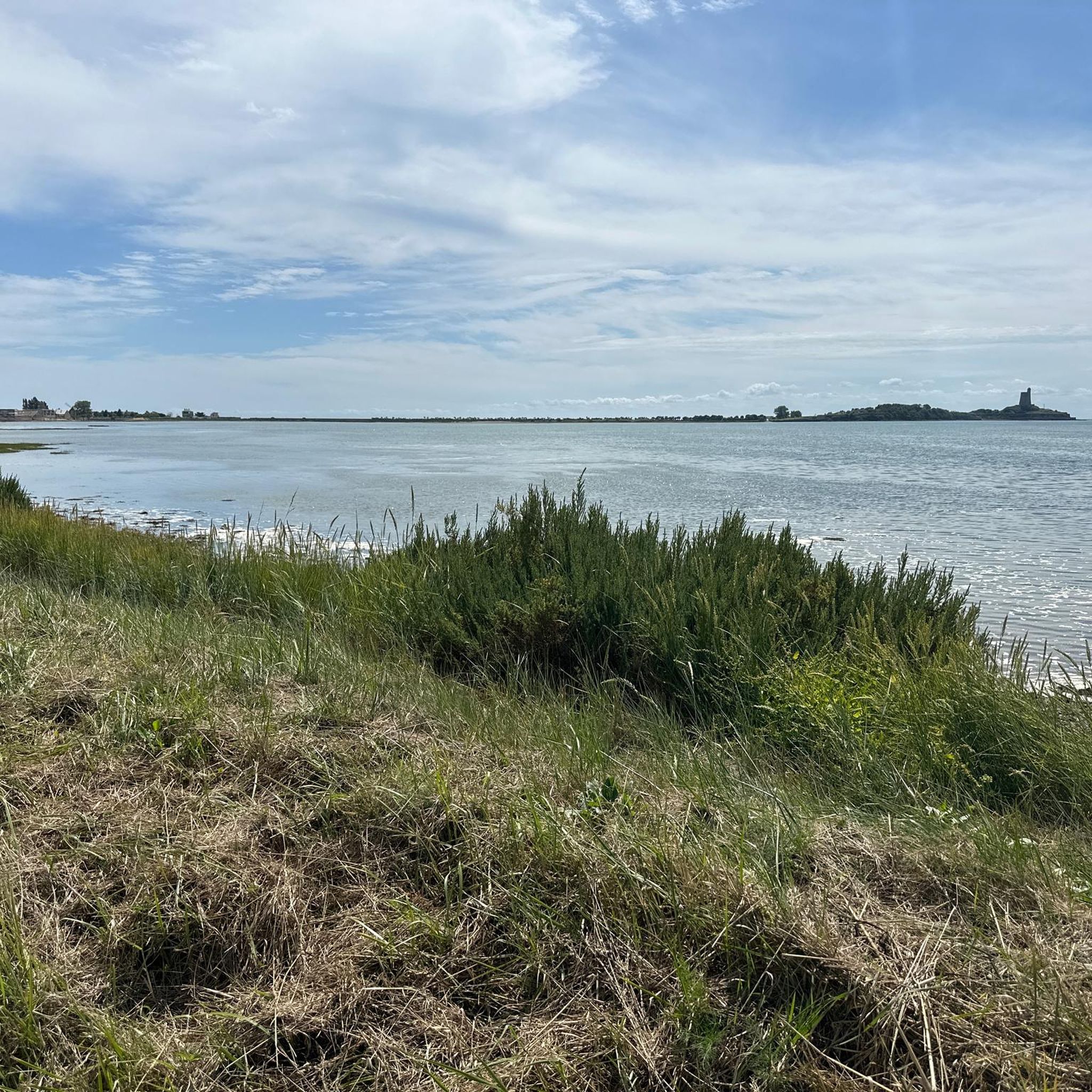
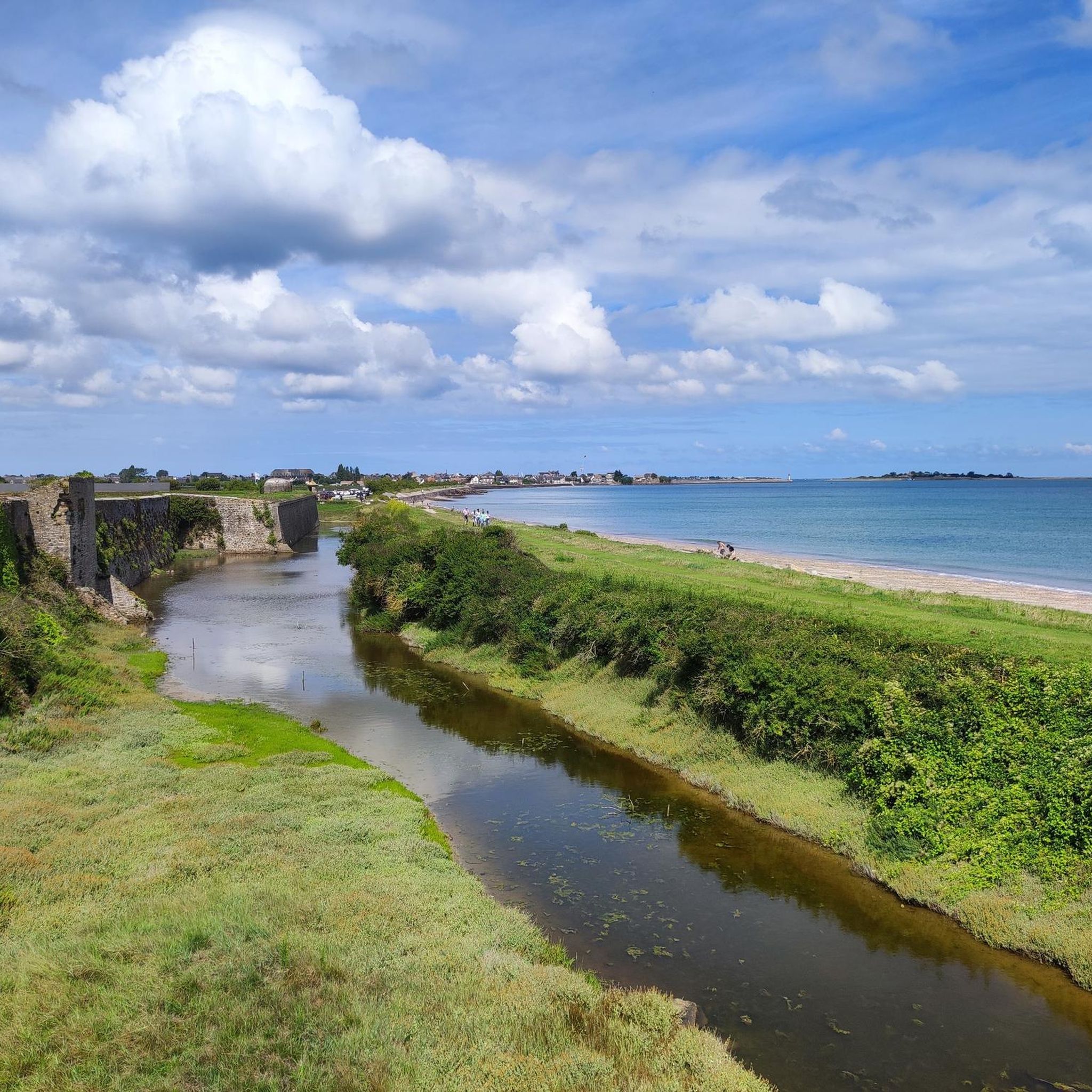
Tips from the Community

The Fort de la Hougue is located on a peninsula south of Saint-Vaast-la-Hougue on the east coast of the Cotentin. After the naval battle of La Hougue in 1692, in which numerous French warships were destroyed, Louis XIV had the bay more heavily fortified. Starting in 1694, the mighty Tour de la Hougue was built under the direction of the fortress engineer Benjamin de Combes according to Vauban's principles. Together with the opposite tower on the Île Tatihou, it secured the approach to the bay through overlapping artillery fire. In the 19th century, the complex was expanded with additional batteries and ammunition buildings. During the Second World War, the German occupiers integrated the fort into the Atlantic Wall. Today, therefore, fortification elements from several centuries have been preserved. Since 2008, the Tour de la Hougue, together with Tatihou, has been part of the UNESCO World Heritage "Fortifications of Vauban".
1
0

Walk around the fort counterclockwise otherwise you are not allowed to continue
0
0

Very pretty fishing and marina port.
2
0

Small chapel on the edge of the harbor.
2
0
Magnificent fishing port!
3
0

After a somewhat physical climb, you can enjoy a panorama over the bay of Saint-Vaast-la-Hougue.
0
0

Why visit Fort de La Hougue? History and Heritage: The fort is a crucial witness to French military history and an exceptional example of Vauban's genius, offering a fascinating dive into the past. Magnificent Landscapes: The fort offers sublime panoramic views of the sea and coastal landscapes, making the visit a moment of relaxation as much as discovery. Cultural Activities: The exhibitions and events organized at the fort enrich the visit by offering varied perspectives on local history and fortifications. In summary, Fort de La Hougue is a must-see site for lovers of history, military architecture, and beautiful landscapes. It combines culture, nature, and heritage in a unique setting in Normandy.
2
0
Fort de La Hougue is a remarkable historical site located in Saint-Vaast-la-Hougue, on the east coast of the Cotentin Peninsula, Normandy. This fort is one of two defensive works designed by the military engineer Vauban in the 17th century, the other being the fort of Tatihou, located on a neighboring island. Together, these fortifications have been classified as a UNESCO World Heritage Site since 2008 as an example of Vauban's military engineering. Points of Interest: Architecture and Military History: Fort de La Hougue was built between 1694 and 1699 on the orders of Louis XIV, following the French defeat at the Battle of La Hougue in 1692. This fort is a classic example of bastion fortifications, with thick walls, casemates, and a complex network of defenses designed to resist attacks from the sea. The 20-metre-high La Hougue Tower is the most emblematic element of the fort. This tower served as both an observation point and a last refuge in the event of an attack. UNESCO Heritage: The Fort de La Hougue is recognised by UNESCO as a masterpiece of Vauban's military engineering. This classification highlights the importance of the site in French and world military history, as well as the exceptional value of its architecture. A visit to this site allows you to better understand the defence techniques of the time and to appreciate Vauban's ingenuity in designing fortifications. Activities and Access: The fort is accessible on foot from Saint-Vaast-la-Hougue, and it is surrounded by coastal paths offering beautiful walks along the sea. These walks also allow you to discover the local flora and fauna. The nearby island of Tatihou can be reached by boat at high tide or on foot at low tide, offering a complementary excursion to explore another side of Vauban's fortifications.
1
0
Frequently Asked Questions
How many hiking trails are available around Quettehou?
There are over 15 hiking trails around Quettehou, offering a variety of coastal paths and maritime landscapes. These routes are well-regarded by the komoot community.
Are there easy hiking trails suitable for beginners in Quettehou?
Yes, Quettehou offers 8 easy hiking routes, perfect for beginners or those looking for a relaxed stroll. These trails typically feature gentle elevations and accessible terrain.
What kind of scenery can I expect on hikes around Quettehou?
Hiking around Quettehou is characterized by stunning coastal paths, expansive sea views, and picturesque maritime landscapes. You'll encounter historic sites, small ports, and coves, providing a diverse visual experience.
Are there any circular walks around Quettehou?
Many of the trails around Quettehou are circular, allowing you to start and end in the same location. For example, the Fort of La Hougue – Seawall at Fort de la Hougue loop from Quettehou is a popular circular option.
What are some interesting landmarks or attractions to see while hiking in Quettehou?
While hiking, you can explore several notable attractions. The historic Fort of La Hougue is a prominent feature on many routes. You might also encounter the charming Barfleur Harbour or the unique Mouth of the Saire. For a more distant but impressive sight, the Gatteville lighthouse is also nearby.
Is there a waterfall I can visit near Quettehou?
Yes, a notable natural attraction in the wider region is the Waterfall on the Saire at Le Vast. While not directly on the Quettehou trails, it's a beautiful spot worth visiting if you're exploring the area.
What do other hikers enjoy most about the trails in Quettehou?
The trails in Quettehou are highly rated by the komoot community, with an average score of 4.5 stars from over 800 reviews. Hikers frequently praise the stunning sea views, the well-maintained coastal paths, and the historical points of interest like Fort de la Hougue.
Are there any longer hiking routes for experienced hikers?
While many routes are moderate, you can find longer options. For instance, the Fort de la Hougue – Port of Saint-Vaast-la-Hougue loop from Quettehou covers approximately 17 km (10.5 miles), offering a more extended experience.
What is the best time of year to hike in Quettehou?
The best time to hike in Quettehou is generally from spring to early autumn (April to October) when the weather is mild and the coastal scenery is at its most vibrant. Summer offers longer daylight hours, but spring and autumn provide pleasant temperatures and fewer crowds.
Are the hiking trails around Quettehou suitable for families with children?
Yes, many of the trails, especially the easier and moderate ones with gentle terrain, are suitable for families. The coastal paths offer engaging scenery and opportunities to explore the shoreline, making them enjoyable for children.
What are the typical conditions for winter hiking in Quettehou?
Winter hiking in Quettehou can be bracing, with cooler temperatures and potentially strong coastal winds. However, the trails remain accessible, offering crisp air and dramatic sea views. Be prepared for muddy sections, especially after rain, and dress in layers.
Where can I find parking for hiking trails in Quettehou?
Parking is generally available in and around the main towns and villages, such as Quettehou itself and Saint-Vaast-la-Hougue. Specific parking areas are often indicated near popular trailheads or points of interest along the coast.
Most popular routes around Quettehou
Most popular attractions around Quettehou

Get inspired with the komoot mobile app


Explore more
Browse the best Hikes in other regions.
