Top 8 Castles around Le Thoronet
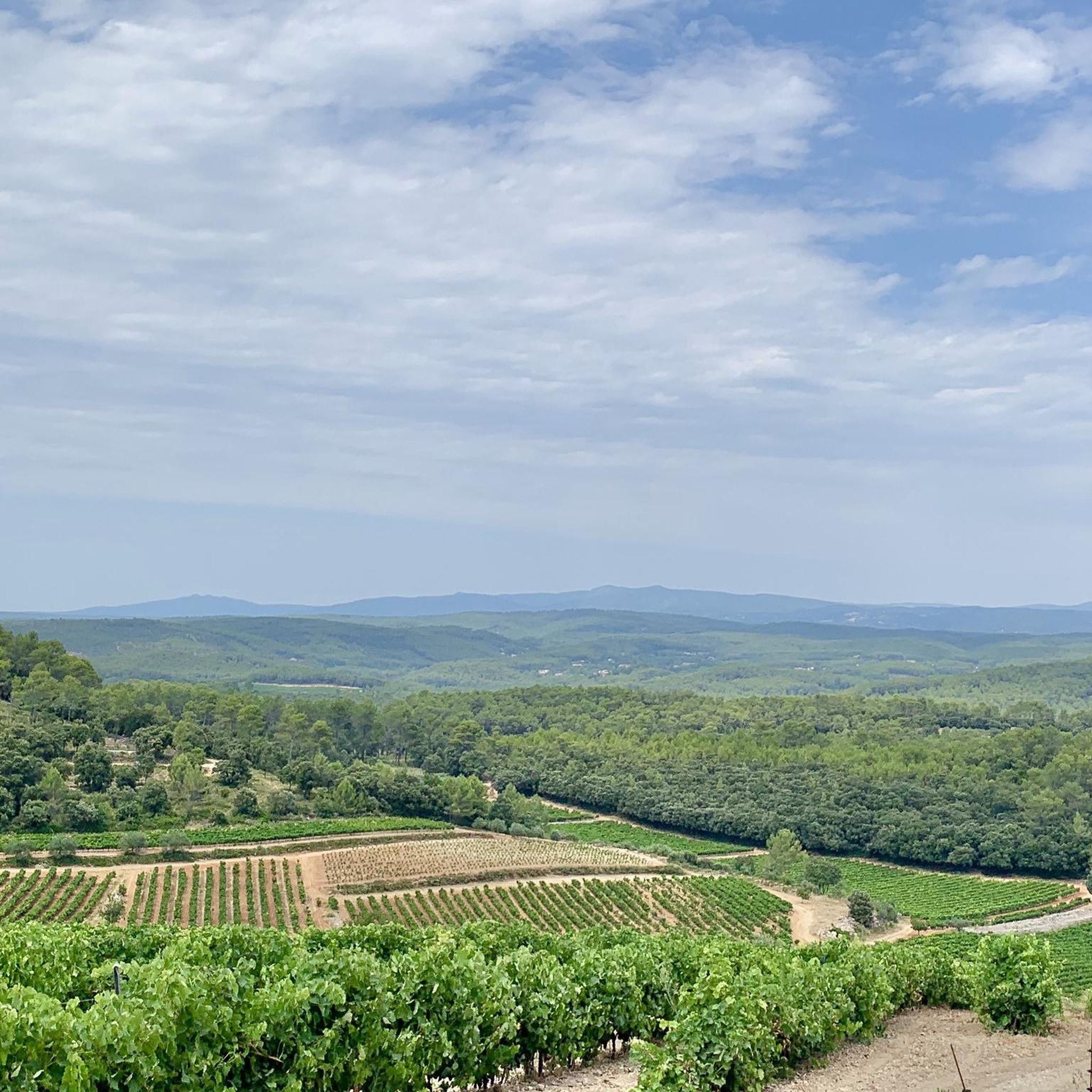
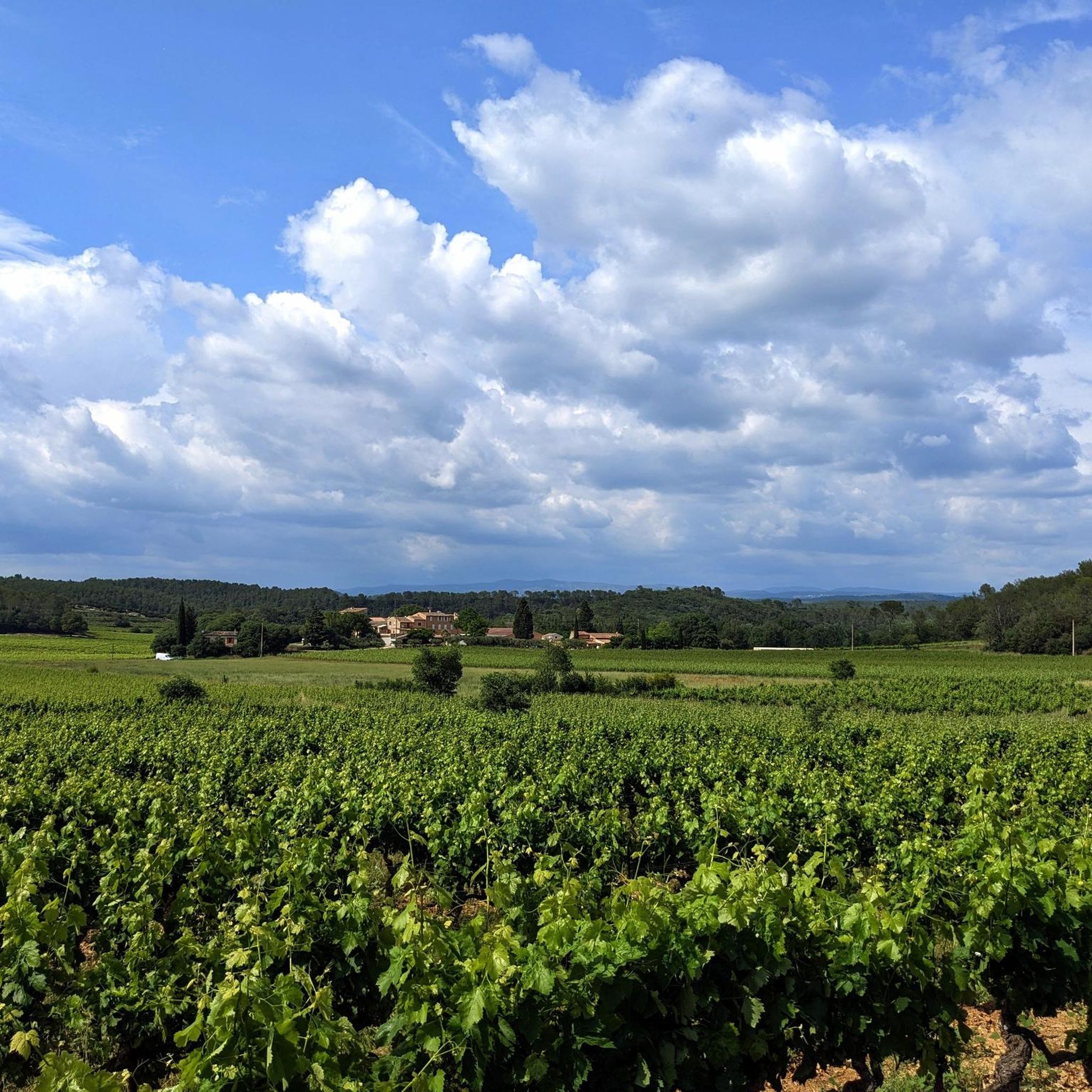
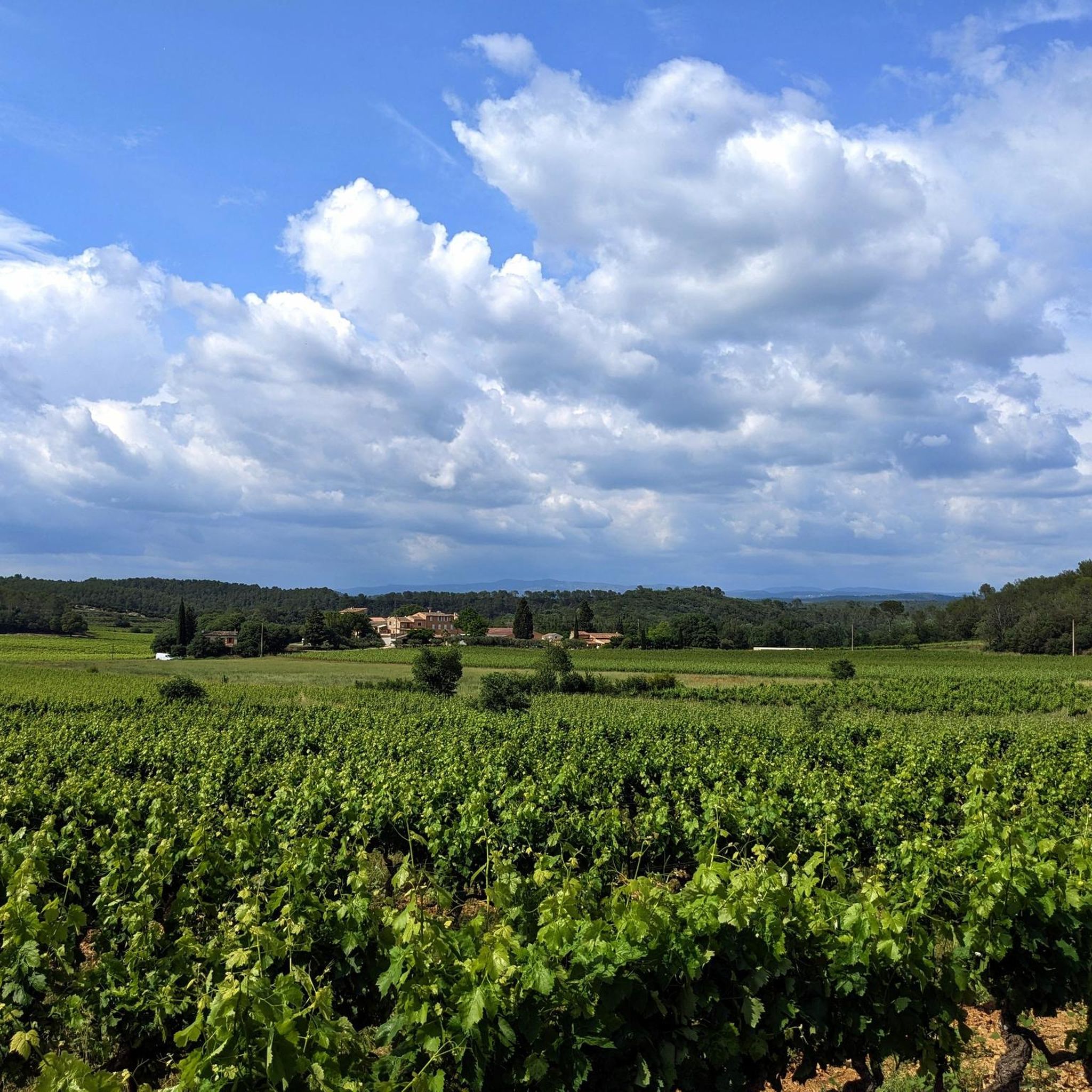
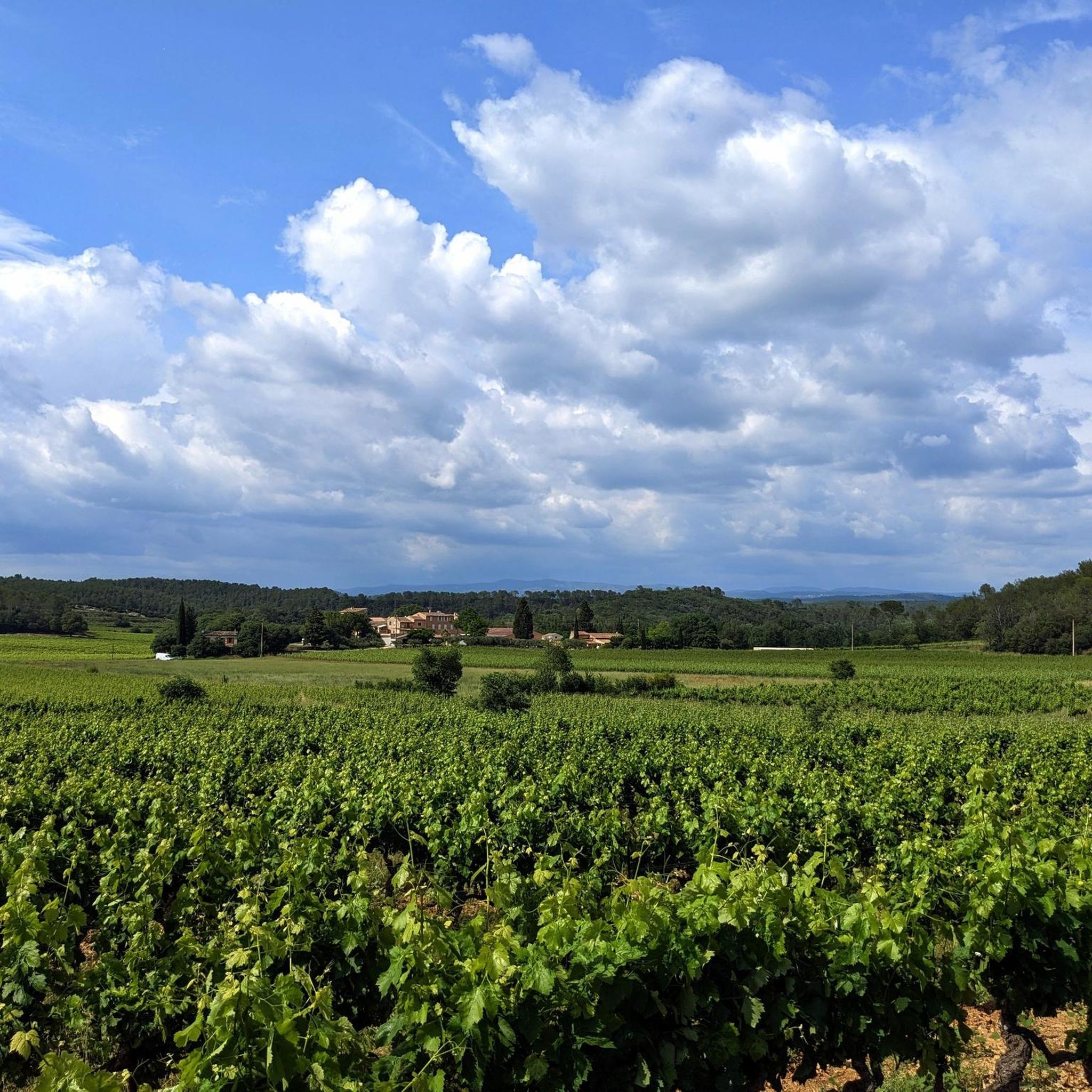
Best castles around Le Thoronet are found in the Var department of Provence, an area known for its historical sites and natural landscapes. While the commune itself is famous for its Cistercian Abbey, the surrounding region offers several notable fortified structures. These castles provide insights into the area's rich past, from medieval fortresses to grand châteaux. The landscape features green valleys and historical villages, making it suitable for exploration.
Best castles around Le Thoronet
- The most popular castles is Entrecasteaux…
Last updated: June 29, 2026
Entrecasteaux Castle
Highlight • Castle
Translated by Google •
Tip by

Cotignac Towers
Highlight • Castle
Formerly, in …
Translated by Google •
Tip by

Sign up now to discover places like this
Get recommendations on the best single tracks, peaks, & plenty of other exciting outdoor places.
Sign up for free
Vallon Sourn Scenic Route
Highlight (Segment) • Trail
Translated by Google •
Tip by

Chateau
Highlight • Castle
Translated by Google •
Tip by

Le Moulin du Piquet and Feudal Castle Ruins, Cotignac
Highlight • Historical Site
Translated by Google •
Tip by

Sign up for free to discover even more castles around Le Thoronet.
Sign up for free
Already have an account?
Start today with a free account
Your next adventure awaits.
Login or Signup

Tips from the Community

A real gem, inconspicuous by the wayside
0
0

Practical old grinding or pressing device hewn into the rock and installed.
0
0
Wonderful to look at in the sunlight. Not pompous, but rather practical and imposing. Unfortunately, not open to the public.
0
0

Very informed and interesting
0
0

When you are in Cotignac facing the cliff, all you want to do is go up and see the two towers that dominate.
0
0

Built at the top of a magnificent tuff cliff (80m high by 400m wide), they dominate the medieval roofs of the village of Cotignac to better protect them. Formerly, in the Middle Ages, they had a very particular vocation. The smaller one served as a watchtower, while the larger one was part of the feudal castle (built in the 11th century apparently by the Castellane family) which sat at the top of the cliff. From up there, the view embraces the entire plain to the south which extends as far as Entrecasteaux and Carcès. Thus we could see the troops of the invaders fairly early on or, at the very least, the signs announcing their imminent arrival. The large tower has the particularity of having a “secret passage” communicating with the troglodytic cave dug into the cliff. Thus, during attacks, the inhabitants climbed into the cave then went up to take refuge in the fortifications at the top of the cliff. Moreover, before the construction of the castle, during the centuries of terror which stretched between the fall of the Roman Empire and the flight of the Saracens from Provence, the local people (the village at that time was located near of Saint Martin priory) quickly climbed to take refuge in the caves when danger arrived.
0
0

Please note the road is closed in the event of a very severe fire risk (information available here => https://www.risque-prevention-feu.fr/var/
0
0

Private château from the 11th and 17th centuries with its French-style garden inspired by the designs of Le Nôtre. It is inhabited and richly furnished (paintings, tapestries, historical documents).
12
0
Frequently Asked Questions
What are the most popular castles to visit around Le Thoronet?
The most popular castle is Entrecasteaux Castle, known for its blend of a country house and an ancient fortress, and its French-style garden. Visitors also enjoy the medieval Château de Salernes Ruins, which offer panoramic views, and the historical Cotignac Towers, perched on a tuff cliff.
Are there any significant historical sites in Le Thoronet that are not traditional castles?
Yes, the most prominent historical site in Le Thoronet is the Abbaye du Thoronet. This Cistercian abbey, built between the late 12th and early 13th centuries, is a masterpiece of Romanesque architecture, celebrated for its austere beauty and exceptional acoustics. It's one of the 'Three Sisters of Provence' and offers a serene glimpse into monastic life. You can find more information at visitvar.com.
What kind of views can I expect from the castles and historical sites?
Many sites offer stunning panoramic views. From the Château de Salernes Ruins, you can see the historic city center and surrounding countryside. The Cotignac Towers provide expansive views across the plain towards Entrecasteaux and Carcès. Even the Abbaye du Thoronet, while not a viewpoint in the traditional sense, offers a serene natural setting.
Are there family-friendly castles or historical sites to visit?
The Entrecasteaux Castle is a great option for families, offering a rich historical experience with its furnished interiors and beautiful French-style gardens. Exploring the ruins of Château de Salernes or the Cotignac Towers can also be an engaging adventure for children interested in history and exploration.
What is the best time of year to visit the castles and historical sites around Le Thoronet?
The spring (April-May) and autumn (September-October) months are generally ideal. The weather is pleasant for exploring, and the natural landscapes are vibrant. Summer can be warm, but the region's sites are still accessible. Winter offers a quieter experience, though some private sites might have reduced hours.
Are there hiking or cycling routes near these castles?
Yes, the region around Le Thoronet offers various outdoor activities. You can find numerous road cycling routes, such as the 'Entrecasteaux Castle – ...pure nature loop from Carcès' or the 'Lac Sainte Suzanne loop from Carcès'. For mountain biking, there are trails like the 'Our Lady of Caramy Chapel – Caramy Waterfalls loop from Le Thoronet'. Explore more options in the Road Cycling Routes around Le Thoronet and MTB Trails around Le Thoronet guides.
Can I find cafes or restaurants near the castles?
Yes, many of the villages surrounding the castles, such as Entrecasteaux and Cotignac, have local cafes and restaurants where you can enjoy Provençal cuisine. For example, the village of Entrecasteaux itself is known for its charm and offers places to eat after visiting the castle.
What is unique about the architecture of the castles in this region?
The castles around Le Thoronet showcase a blend of architectural styles reflecting centuries of history. Entrecasteaux Castle, for instance, combines medieval fortress elements with later transformations, including 18th-century country house features. The Abbaye du Thoronet, while not a castle, is a prime example of austere Romanesque Cistercian architecture, emphasizing simplicity and natural light.
Are there any castle ruins to explore in the area?
Absolutely. The Château de Salernes Ruins are a notable example, offering the remains of a medieval castle with two oval towers and outer walls. The Cotignac Towers are also remnants of a feudal castle, providing a glimpse into the region's defensive past.
What do visitors appreciate most about the castles and historical sites around Le Thoronet?
Visitors frequently highlight the rich history, the beautiful architecture, and the stunning views. The blend of well-preserved châteaux like Entrecasteaux Castle with its gardens, and the evocative ruins such as Château de Salernes, offers a diverse and engaging experience. The serene atmosphere of the Abbaye du Thoronet is also highly praised.
Is public transport available to reach these castles from Le Thoronet?
Public transport options to individual castles can be limited, as many are located in smaller villages or rural settings. It is often recommended to use a car for flexibility when visiting multiple sites like Entrecasteaux Castle. For the Abbaye du Thoronet, checking local bus schedules or taxi services would be advisable, though direct routes might be infrequent.
Most popular routes around Le Thoronet
Most popular attractions around Le Thoronet

Get inspired with the komoot mobile app


Explore more
Looking for the best castles somewhere else? Discover other guides around Le Thoronet:
