Attractions and Places To See around Champ-Sur-Drac - Top 20
Best attractions and places to see around Champ-Sur-Drac, a commune in southeastern France, blend historical landmarks with natural beauty. Situated at the confluence of the Romanche and Drac rivers, the area features a verdant landscape at the foot of the Alps. Visitors can explore historical sites like the Tower of Champ-sur-Drac and various chapels, alongside natural features such as the Sensitive Natural Area of Combe. The region offers a mix of cultural and outdoor exploration opportunities.
Best attractions and places…
Last updated: August 16, 2026
The Moucherotte Summit
Highlight • Summit
Translated by Google •
Tip by

Arc Pass
Highlight • Mountain Pass
Translated by Google •
Tip by

Sign up now to discover places like this
Get recommendations on the best single tracks, peaks, & plenty of other exciting outdoor places.
Sign up for free
Saint-Michel Peak
Highlight • Trail
Translated by Google •
Tip by

La Pierre Percée
Highlight • Natural Monument
Translated by Google •
Tip by

Château de Vizille
Highlight • Castle
Translated by Google •
Tip by

Sign up for free to discover even more attractions around Champ-Sur-Drac.
Sign up for free
Already have an account?
Start today with a free account
Your next adventure awaits.
Login or Signup
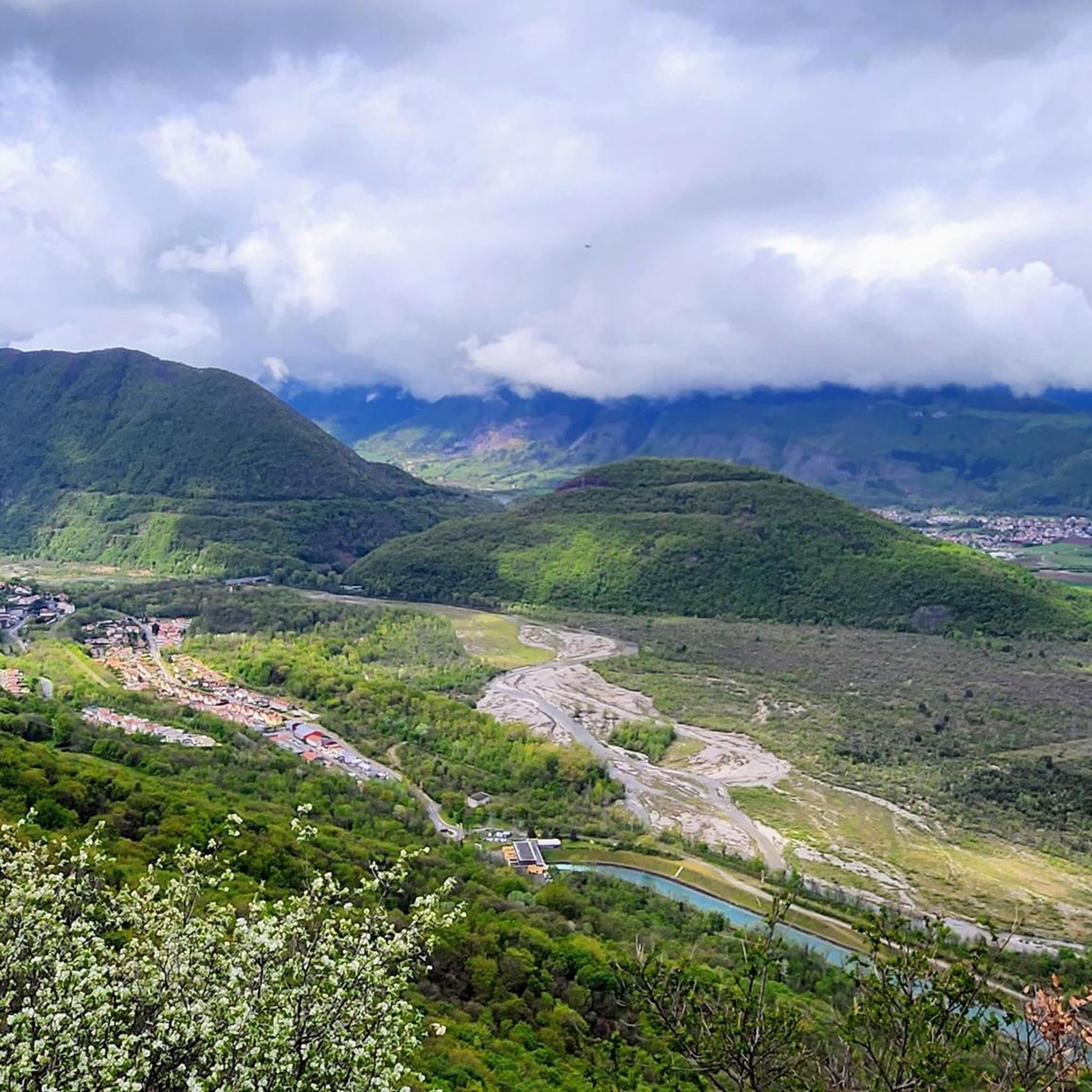
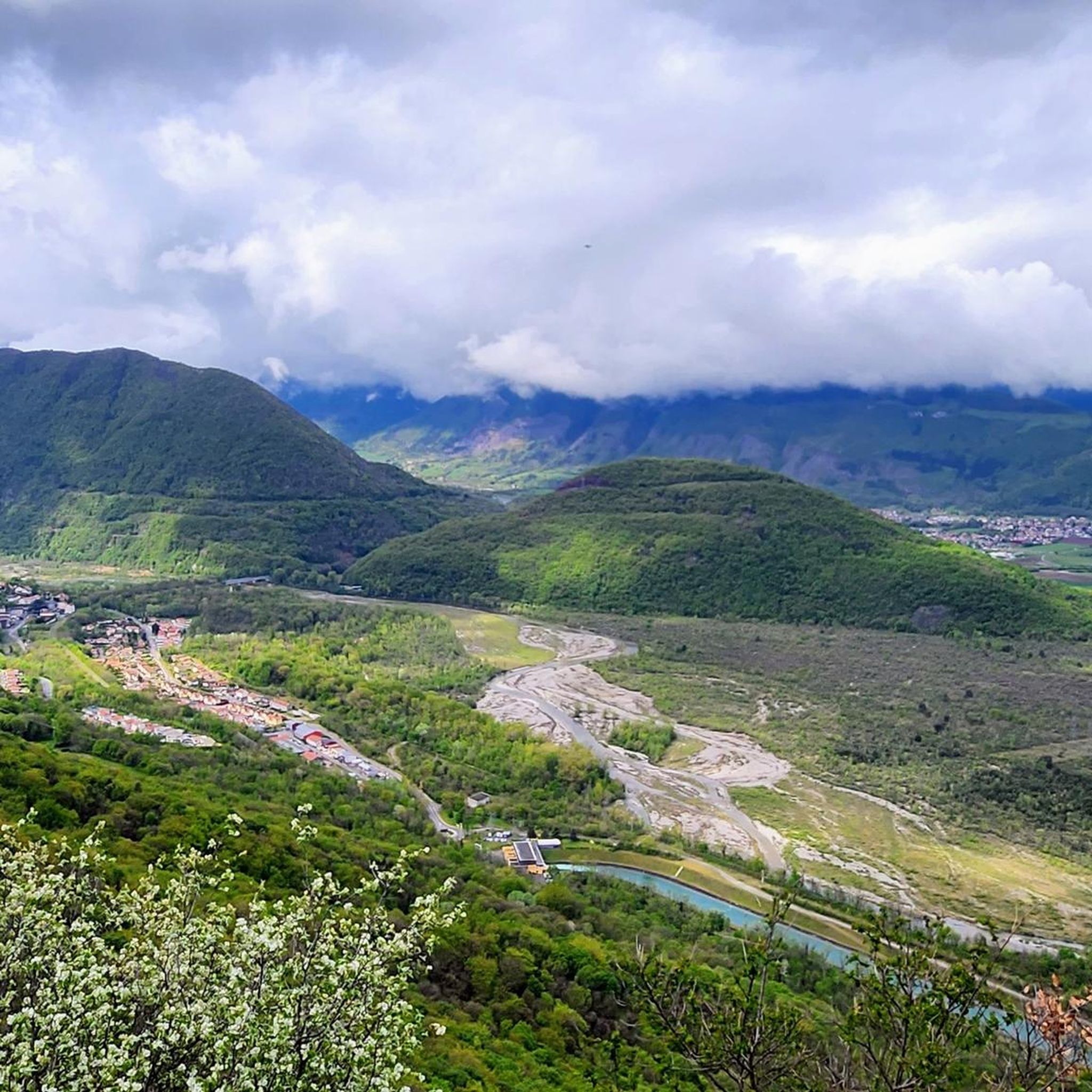
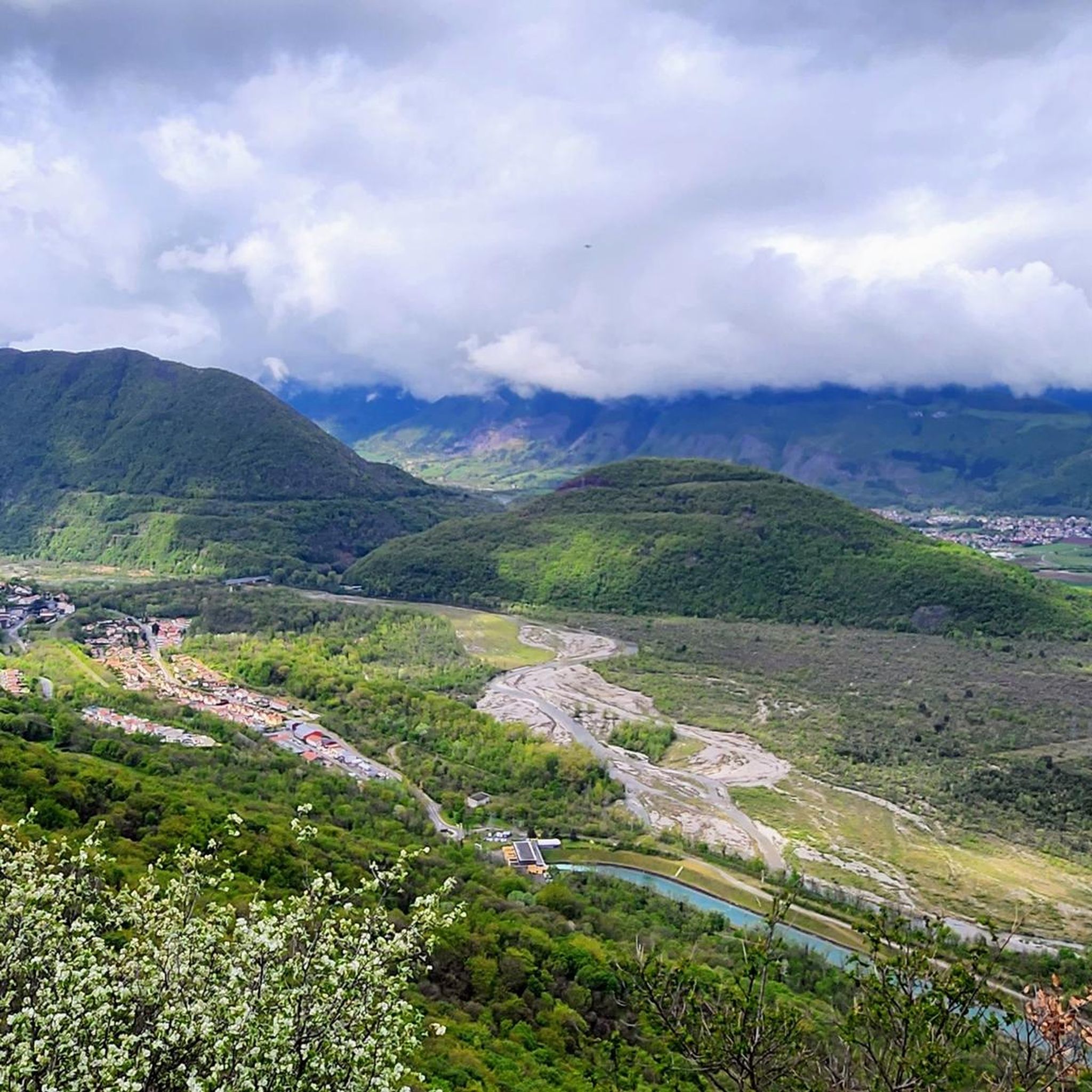
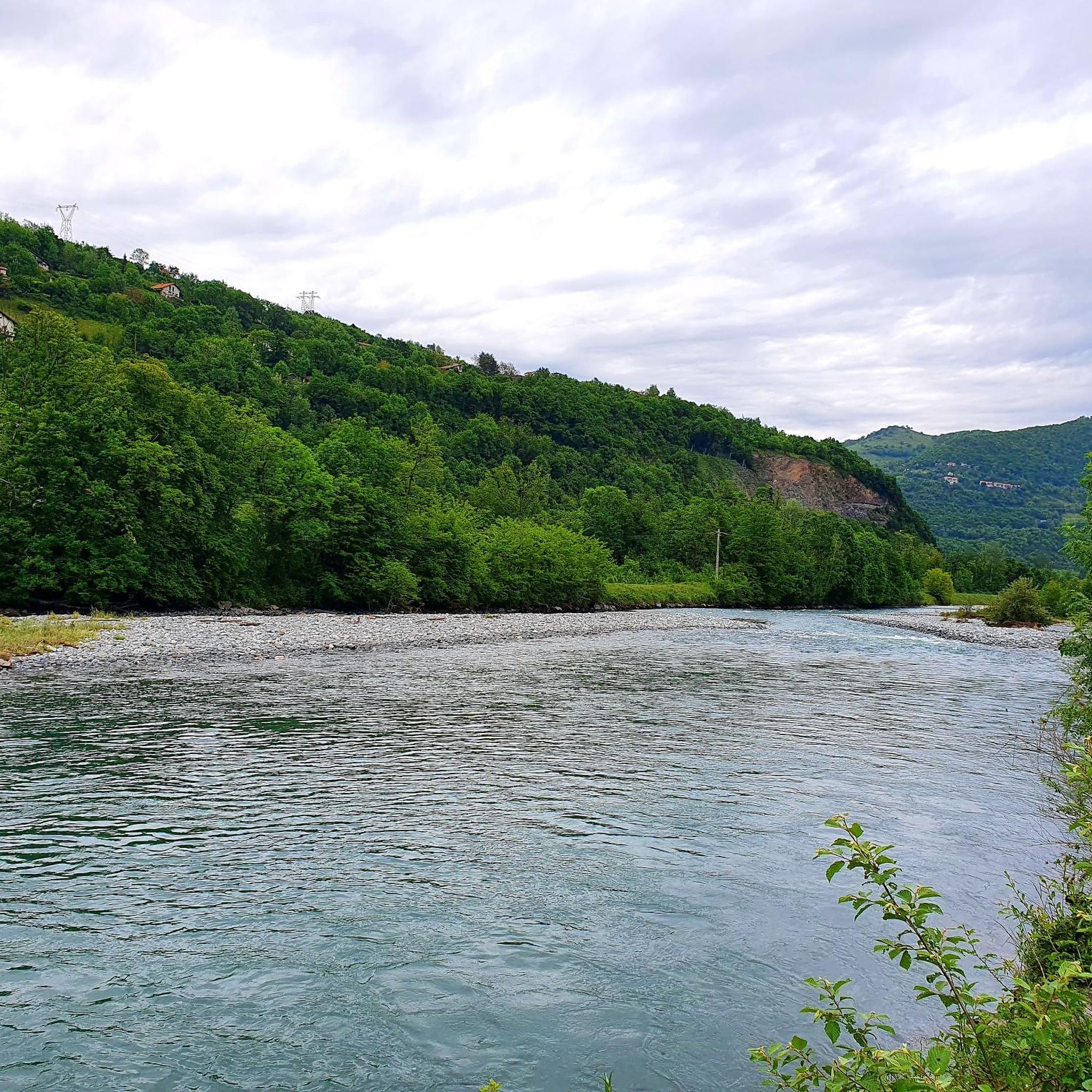
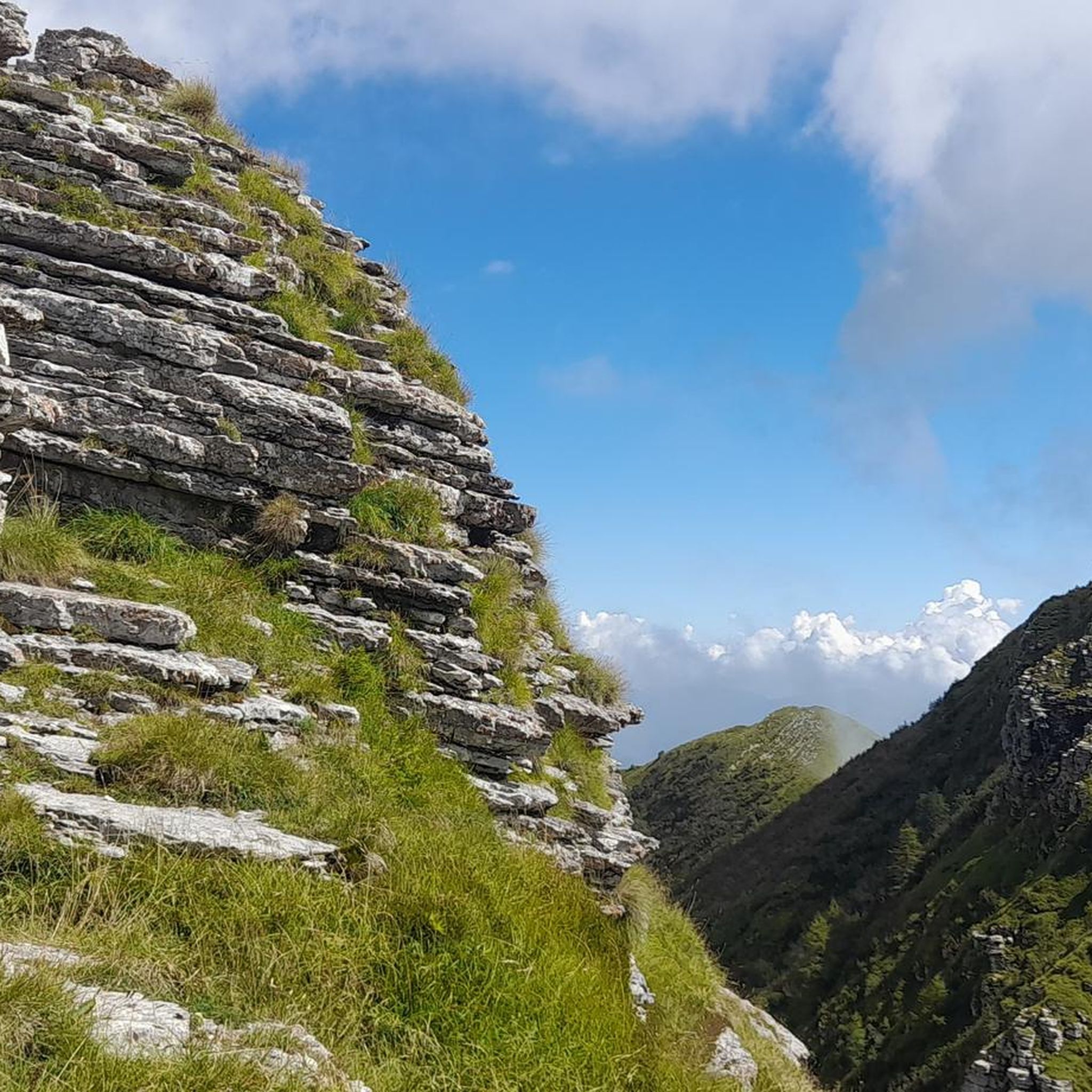
Tips from the Community

Great castle complex, beautiful park.
0
0

Please note: dogs are not allowed in the castle gardens, even on a leash. This means you'll have to find a different route around the castle with a dog!
0
0

A beautiful castle that houses the Museum of the Revolution. The park is large and very pretty. It's a paradise for children.
0
0
Beautiful castle that houses the Museum of the Revolution. The park is very beautiful, a paradise for children.
0
0

Very beautiful panorama once you arrive at the Pierre Percée!
0
0

I did it on gravel, climbing via the Aveillans hill (west), it was fine. Direct descent to Putteville, very limited at the beginning on gravel, much steeper but it was fine.
0
0

This magnificent castle is located within a park of nearly 100 hectares. Built on the rock of Vizille by the Counts of Grésivaudan, the castle is said to have been the cradle of the Revolution.
0
0

1st part very smooth and very pleasant, 2nd part much more technical with a nice climb on a very greasy muddy path, steep slopes and quite technical descents. The final does not take the greenway recently set up and which allows you to avoid the road.
0
0
Frequently Asked Questions
What historical sites can I explore in Champ-Sur-Drac?
Champ-Sur-Drac is rich in history. You can visit the iconic Tower of Champ-sur-Drac (Tour des Alleman), a remnant of a 12th-century castle. Other notable historical sites include the 12th-century Chapelle Sainte-Madeleine and Notre Dame des Autels Chapel, known for its annual pilgrimage. The Église Saint-Blaise, with its distinctive comb bell tower, also overlooks the village. For a glimpse into community life, see Le Four à Pain, a historical communal bread oven.
Where can I find panoramic views around Champ-Sur-Drac?
For breathtaking panoramic views, consider hiking to Saint-Michel Peak, which offers extensive vistas of the Vercors. Another excellent spot is The Moucherotte Summit, providing a panorama of the Isère valley, Grenoble, and the Alps from 1,901 meters above sea level. The Arc Pass also offers magnificent views of Belledonne, Les Rousses, and Les Écrins. Additionally, the natural arch of La Pierre Percée frames a panoramic view of the Matheysine plateau.
Are there any unique natural areas to explore in the region?
Yes, the Sensitive Natural Area (ENS) of Combe is a unique 69-hectare site recognized for its ecological and geological significance. It features diverse environments, including dry grasslands with orchids, oak forests, and wetlands. Uniquely, it also contains ancient gypsum quarries that have been naturally re-colonized. Two developed trails allow visitors to explore its hillsides and the gypsum quarry.
What hiking opportunities are available near Champ-Sur-Drac?
The area offers numerous hiking opportunities. You can explore the trails within the Sensitive Natural Area of Combe or take a walk to the ruins of the Priory of Saint-Michel du Connexe, which offers beautiful valley views. For more structured routes, consider trails like the Drac viewpoint – Waterfall loop or the Bon Repos Castle loop. You can find more details and routes on the Hiking around Champ-Sur-Drac guide.
Are there family-friendly attractions or activities around Champ-Sur-Drac?
Absolutely. The Château de Vizille, located just 3 km away, is an excellent family-friendly option. It houses the Museum of the French Revolution, and its extensive park, labeled a 'Remarkable Garden of France,' is open to visitors free of charge. The trails within the Sensitive Natural Area of Combe also offer pleasant walks for families.
What do visitors enjoy most about the attractions around Champ-Sur-Drac?
Visitors frequently praise the magnificent panoramic views from summits like Saint-Michel Peak and The Moucherotte Summit, often describing a 'true feeling of absolute fullness.' The historical significance and beautiful park of Château de Vizille are also highly appreciated. Many enjoy the unique natural photo opportunity at La Pierre Percée.
What cycling routes are available near Champ-Sur-Drac?
The area around Champ-Sur-Drac offers various cycling routes. You can find challenging options like the Voie Verte de l'Oisans – Le Bourg-d'Oisans loop or the Col de La Morte loop. For more choices, explore the Cycling around Champ-Sur-Drac guide, which details routes for different skill levels.
Are there any cultural spaces or museums in Champ-Sur-Drac itself?
Yes, Champ-Sur-Drac has the Espace Culturel Navarre, which contributes to the local arts and leisure scene. There is also the Musée Autrefois, offering insights into the region's past.
What is the best time of year to visit Champ-Sur-Drac for outdoor activities?
The best time to visit Champ-Sur-Drac for outdoor activities like hiking and cycling is typically from spring to early autumn (April to October). During these months, the weather is generally mild and pleasant, making it ideal for exploring the natural areas and historical sites. Summer offers warmer temperatures, while spring and autumn provide beautiful scenery with fewer crowds.
Can I find gravel biking trails in the area?
Yes, there are gravel biking opportunities around Champ-Sur-Drac. Routes like the Lans-en-Vercors – Old streetcar track loop or the Superb forest trail – Downhill Champagnier loop offer varied terrain for gravel biking enthusiasts. More options can be found in the Gravel biking around Champ-Sur-Drac guide.
What natural features define the landscape of Champ-Sur-Drac?
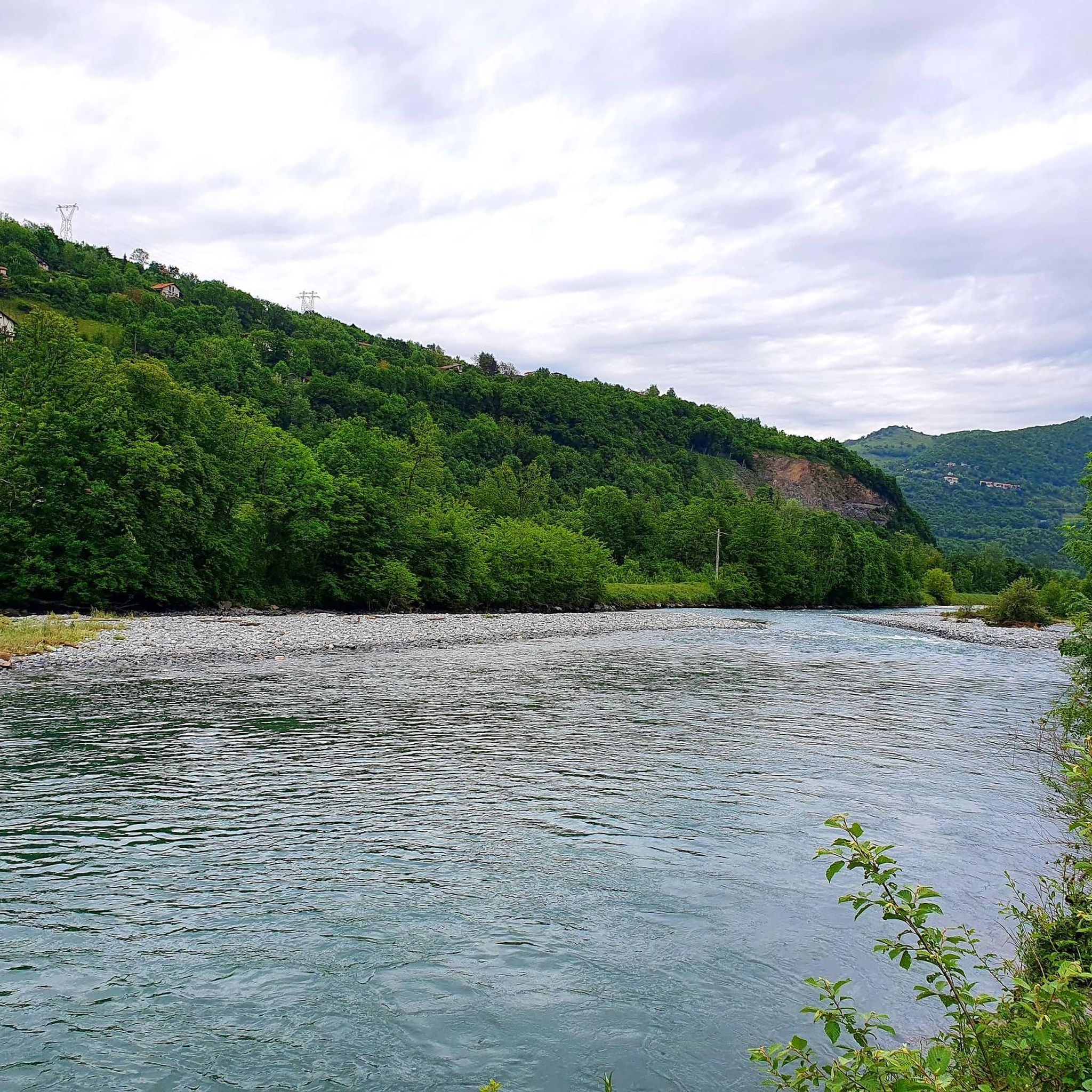
Champ-Sur-Drac is characterized by its verdant landscape at the foot of the Alps. It is notably situated at the confluence of the Drac and Romanche rivers, with several streams flowing through the commune. The area also boasts extensive forests and managed chestnut groves, covering 183 hectares, contributing to its rich natural beauty.
Are there any easy walking trails suitable for all abilities?
Yes, the Sensitive Natural Area (ENS) of Combe offers two developed trails that are suitable for exploring the hillsides and gypsum quarry. These trails provide an accessible way to experience the unique natural environment. Additionally, many of the commune's marked and maintained trails offer pleasant, less strenuous options for walkers.
Most popular routes around Champ-Sur-Drac
Most popular attractions around Champ-Sur-Drac

Get inspired with the komoot mobile app


Explore more
Still not found the Highlight you’re looking for? See guides of the top attractions in other regions:
