Attractions and Places To See around Pierres - Top 20
Attractions and places to see around Pierres include a mix of historical, cultural, and natural sites within the Eure-et-Loir department of France. The region is characterized by its historical gardens, significant architectural structures like cathedrals and châteaux, and diverse natural landscapes. Visitors can explore medieval heritage, impressive waterways, and expansive natural parks. The area provides opportunities for discovering both historical monuments and serene outdoor environments.
Best attractions and places to see around Pierres
- The most popular attractions is The finish…
Last updated: June 24, 2026
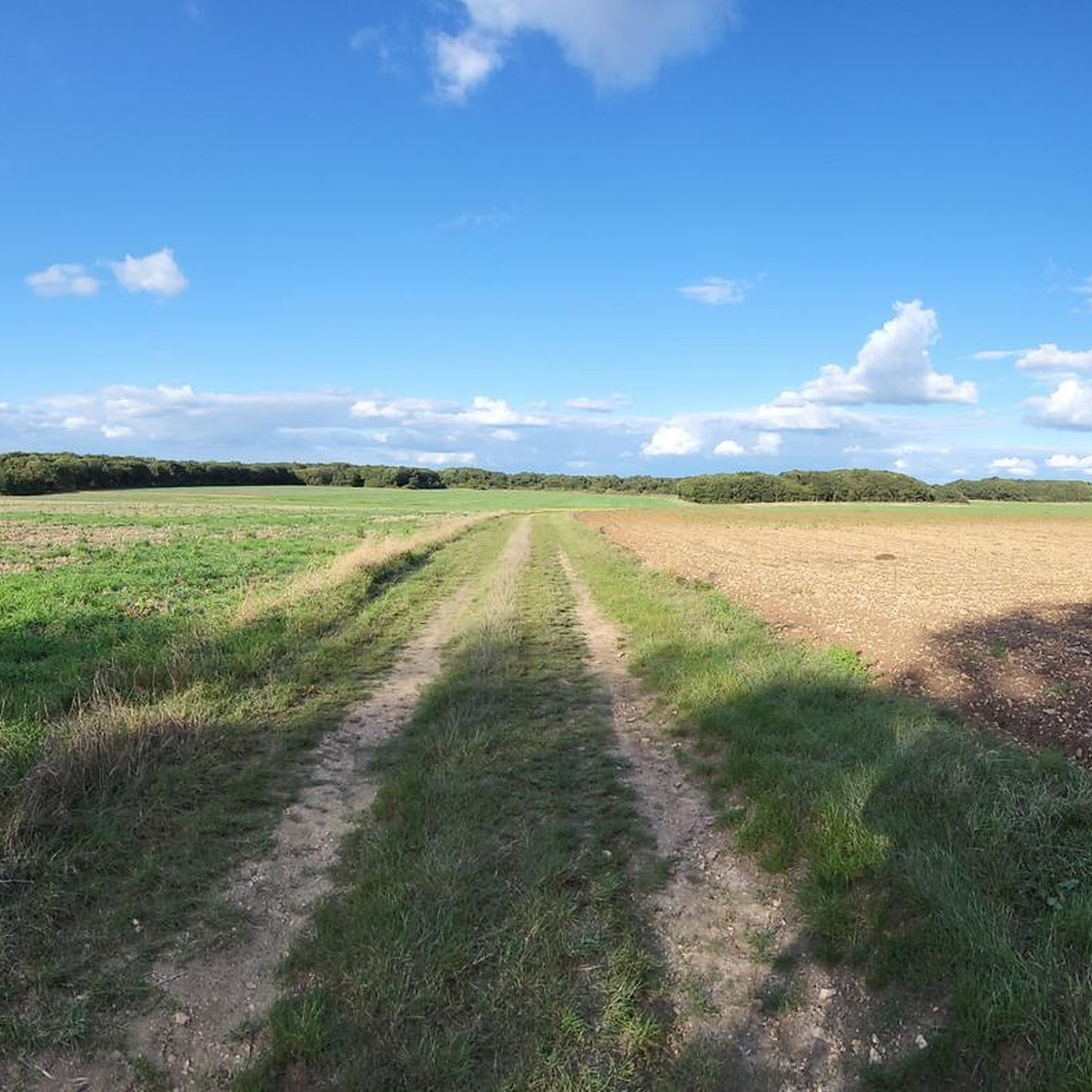
The finish line in Chartres
Highlight (Segment) • Other
Translated by Google •
Tip by

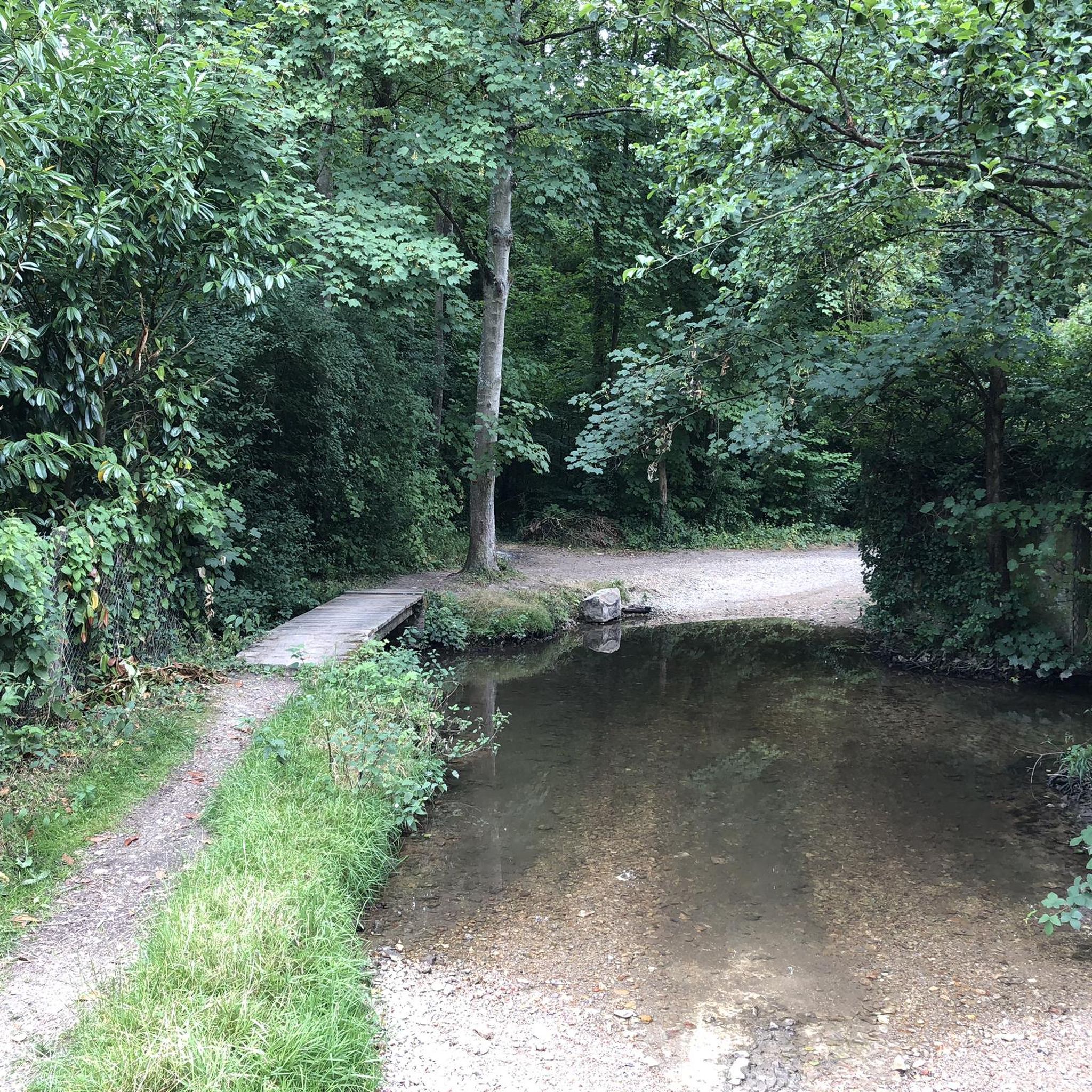
Pont Rouge on the Louis XIV Canal
Highlight • Bridge
Translated by Google •
Tip by
Sign up now to discover places like this
Get recommendations on the best single tracks, peaks, & plenty of other exciting outdoor places.
Sign up for free
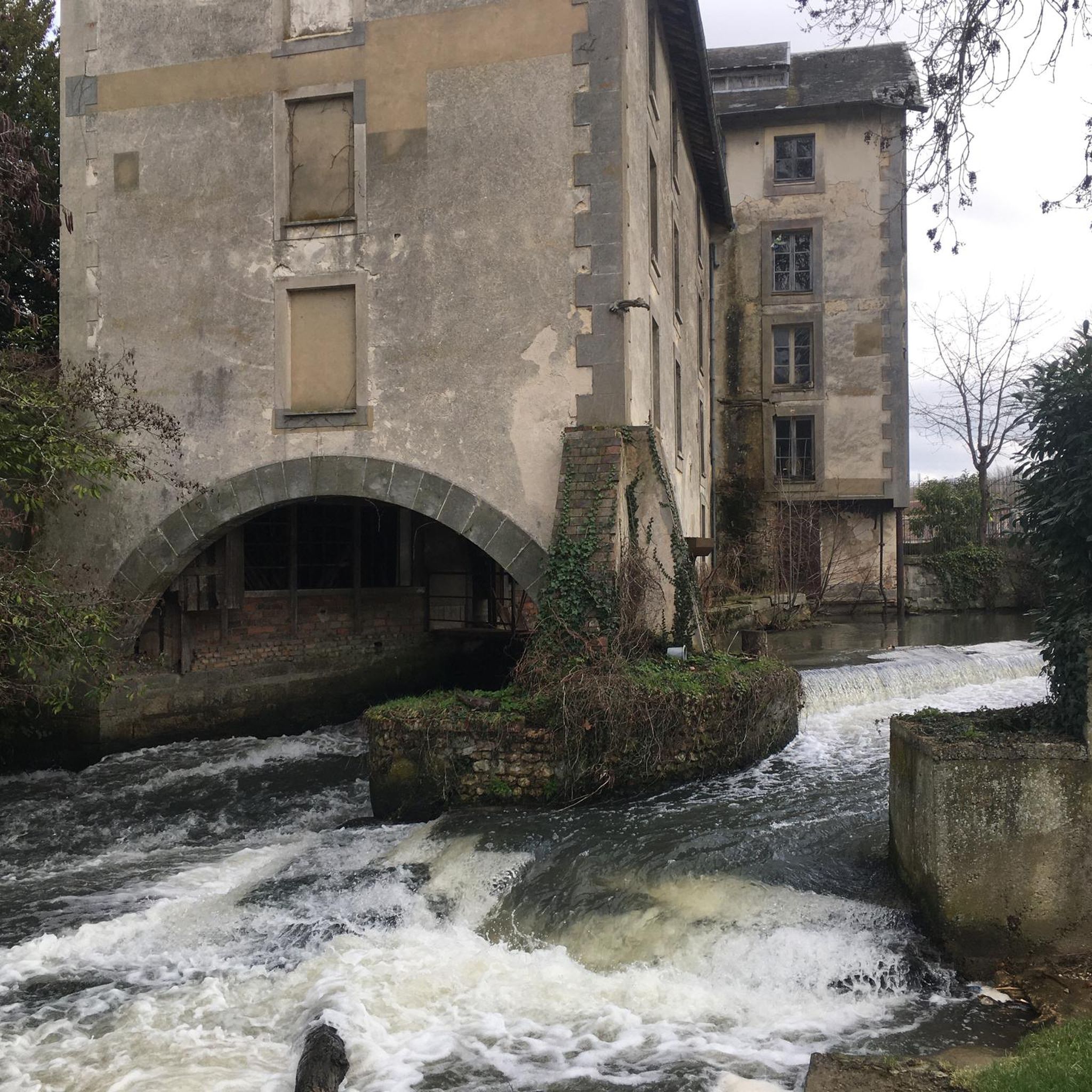
Saint-Piat Mill
Highlight • Monument
Translated by Google •
Tip by

Château de Mormoulins
Highlight • Castle
Translated by Google •
Tip by
Saint-Sulpice Church of Châteaudun
Highlight • Religious Site
Translated by Google •
Tip by
Sign up for free to discover even more attractions around Pierres.
Sign up for free
Already have an account?
Start today with a free account
Your next adventure awaits.
Login or Signup


Tips from the Community

The Moulin de Mormoulins is a watermill located on the Eure River in the hamlet of Mormoulins. This mill dates back to the 18th and 19th centuries and is a listed historical monument. You can admire the old stone building, the wooden wheel, and the canal that diverts water from the river as you pass in front of the mill. The mill is surrounded by green fields and trees, creating a peaceful and relaxing atmosphere.
0
0

According to tradition, the church choir covers the remains of an older building, possibly dating back to the 6th century, which was built to house the saint's body. According to current knowledge, the commune of Saint-Piat (Sanctus Piatus in Latin) officially appeared in 1087, mentioned in a charter of the Nottonville Priory (Eure-et-Loir), on which it depended. The current building was rebuilt during the time of Francis I, as suggested by the date 1535 engraved on two buttresses of the apse and the date 1542 engraved on a piece of wood from the vault. This is according to a study by the SAEL (Eure-et-Loir Archaeological Society). The three-sided apses, the dripstone towers (horizontal members projecting from a wall), and the sculpted roof structures are a testament to the importance of the reconstructions carried out in the department during the 16th century. The church of Saint-Piat is one of them. While the church has not been officially recognized, it nevertheless contains objects that have attracted attention both for their antiquity and quality, but not always for good reason. Their artistic value, far from attracting only religious or aesthetic interest, has also aroused a covetousness that, unfortunately, remains for some of them. Fortunately, those still in place are carefully cared for and offer the curious a story to discover, a beauty to slowly ponder as they progress toward the choir.
0
0

Too bad it is never indicated the type of bike recommended.
0
0

Pleasant 🤗 Nature 🌳🌿 🏞️and especially no 🚗
0
1

With its curiously crowned square tower, this charming church boasts a flamboyant Gothic style. Built between the 15th and 17th centuries, it preserves a remarkable collection of 16th-century stained-glass windows dedicated to Eucharistic miracles.
0
0
The Saint-Sulpice church in Nogent-Le-Roi is an impressive church built in the 15th century and which was part of the defensive wall which protected the entrance to the town. You can admire its beautiful stained glass windows and its wrought iron choir inside, as well as its original tower outside. The church is located in the heart of Nogent-Le-Roi, a charming town with old half-timbered houses and a castle.
2
0
The Moulin de Saint-Piat is a water mill located on the Eure and dating from the 11th century where it was once used for the production of flour and the extraction of oil. You can admire the architecture of the mill, which was extended in 1865, and enjoy the view of the river and the nearby church. The mill is also a good place for birdwatching, as you may be able to see herons, kingfishers and ducks along the water.
4
0
The Church of Saint-Sulpice in Nogent-Le-Roi is an impressive church built in the 15th century and which formed part of the defensive wall that protected the entrance to the town. You can admire its beautiful stained glass windows and its wrought iron choir screen inside, as well as its original tower outside. The church is located in the heart of Nogent-Le-Roi, a charming town with old half-timbered houses and a castle.
2
0
Frequently Asked Questions
What historical and cultural sites can I visit around Pierres?
The Eure-et-Loir region offers a rich array of historical and cultural sites. Beyond Pierres, you can explore the magnificent Chartres Cathedral, a UNESCO World Heritage site renowned for its Gothic architecture and stained-glass windows. Other notable sites include the Pont Rouge on the Louis XIV Canal, a historical bridge built in the late 17th century, and the Saint-Sulpice Church of Châteaudun, known for its flamboyant Gothic style and 16th-century stained-glass windows.
Are there any notable castles or châteaux in the area?
Yes, the region boasts several impressive castles. You can visit the Château de Maintenon, featuring impressive interiors and French-style gardens designed by André Le Nôtre. Another significant site is the Château de Châteaudun, impressively located and worth exploring. Within the guide's highlights, you'll find Château de Mormoulins, a castle dating back to the 10th century with historical architecture and canals.
Where can I find natural parks or scenic landscapes near Pierres?
For nature lovers, the Perche Regional Natural Park is a must-visit, offering pristine environments with ponds, marshes, forests, and diverse landscapes ideal for hiking and wildlife observation. The Butte de Rougemont in Vichères, the highest point in Eure-et-Loir, provides beautiful scenery. You can also explore the peaceful Aigre and Conie Valleys, known for their unique freshwater marsh ecosystems.
Are there opportunities for water sports or activities on lakes?
Yes, the Lake of Mézières Ecluzelles is a popular spot for various water sports such as windsurfing, optimist sailing, catamaran, canoeing, and stand-up paddleboarding. It features a charming marina and is also great for strolls, picnics, and bird-watching.
What kind of hiking and cycling routes are available around Pierres?
The Eure-et-Loir region offers numerous opportunities for hiking and cycling. You can find routes like "La carrière de la cathédrale" in Berchères les Pierres, which allows you to discover charming villages and views of Chartres Cathedral. For cycling, the Véloscénie cycling route passes through the region. You can find various routes for gravel biking, MTB, and touring cycling in the area, such as those listed in the Gravel biking around Pierres, MTB Trails around Pierres, and Cycling around Pierres guides.
Are there family-friendly attractions around Pierres?
Many of the historical sites and natural areas are suitable for families. For instance, the Pont Rouge on the Louis XIV Canal and the Saint-Piat Mill are considered family-friendly highlights. Exploring the Jardin Médiéval de Bois-Richeux in Pierres can also be an educational and enjoyable experience for all ages.
What is there to see within Pierres itself?
Within the commune of Pierres, the primary point of interest is the Jardin Médiéval de Bois-Richeux. This medieval garden is a fascinating recreation of a 14th-century garden, set around a 12th-century seigniorial farm. It features around 200 ancient plant species, many with medicinal properties, and offers a peaceful setting for exploration.
When is the best time to visit the attractions around Pierres?
The Eure-et-Loir region, including Pierres, is generally pleasant to visit from spring through early autumn (April to October) when the weather is mild and conducive to exploring gardens, châteaux, and engaging in outdoor activities. The gardens are particularly vibrant in spring and summer.
Are there any unique natural features to explore in the region?
Beyond the natural parks, the region features the vast landscapes of the Beauce Region, known for its working windmills like the unusual wooden clapboard design at Ymonville. The Aigre and Conie Valleys are also considered hidden treasures, offering unique freshwater marsh ecosystems with mangroves and reeds.
What do visitors enjoy the most about the attractions near Pierres?
Visitors particularly enjoy the peaceful and preserved nature of routes like The finish line in Chartres, a greenway along the Eure. The historical significance and architectural beauty of sites like the Pont Rouge on the Louis XIV Canal and the Saint-Piat Mill are also highly appreciated for their charm and historical context.
Can I find ancient megalithic sites near Chartres?
Yes, around Chartres, you can discover megalithic sites dating back to the Neolithic Age. These include polished stones (polissoirs) and burial sites. Notable examples are the polissoir d'Houdouenne in Ver-lès-Chartres and the "Pinte Saint-Martin" in Corancez, along with various menhirs and dolmens in the Chartres agglomeration.
Are there any charming small towns to visit in the Eure-et-Loir department?
Absolutely. Illiers-Combray, southwest of Chartres, is famously featured in Marcel Proust's works and is one of the "Petites Cités de Caractère." Another attractive small town is Bonneval, crisscrossed by canals, where you can visit the Saint-Florentin abbey and explore its medieval center.
Most popular routes around Pierres
Most popular attractions around Pierres

Get inspired with the komoot mobile app


Explore more
Still not found the Highlight you’re looking for? See guides of the top attractions in other regions:
