The best road cycling routes around Montagnac
4.3
(307)
6,089
riders
14
rides
Road cycling around Montagnac, located in the Hérault department, offers diverse terrain through the Occitanie region of Southern France. The area is characterized by rolling vineyards and rural landscapes, with routes extending towards the coastal Étang de Thau. Cyclists can find a mix of relatively flat sections and more challenging climbs through the local hills. The region's varied topography provides options for different fitness levels.
Best road cycling routes around Montagnac
- The most popular road cycling route is View of the Countryside loop from Montagnac, a 23.2 miles (37.3 km) trail that takes 1 hour 41 minutes to complete. This moderate route offers views of the surrounding countryside.
- Another top favourite among local road cyclists is Roadbike loop from Montagnac, an easy 12.3 miles (19.8 km) path. This route winds through local landscapes with minimal elevation gain.
- Local road cyclists also love the Caux – Medieval Old Town of Pézenas loop from Montagnac, a 33.1 miles (53.3 km) trail leading through vineyards and historic villages, often completed in about 2 hours 20 minutes.
- Road cycling around Montagnac is defined by expansive vineyards, rolling hills, and views of the Étang de Thau. The network offers options for easy, moderate, and difficult routes, catering to different ability levels.
- The routes in Montagnac are highly rated by the komoot community with an average score of 4.1 stars from over 20 reviews. More than 600 road cyclists have used komoot to explore Montagnac's varied terrain.
Last updated: October 13, 2026
4.5
(2)
26
riders
36.3km
01:38
390m
390m
Moderate road ride. Good fitness required. Mostly well-paved surfaces and easy to ride.
26
riders
19.8km
00:53
210m
210m
Easy road ride. Great for any fitness level. Mostly well-paved surfaces and easy to ride.

3.0
(1)
15
riders
66.9km
02:53
530m
530m
Moderate road ride. Good fitness required. Mostly well-paved surfaces and easy to ride.
22
riders
47.2km
02:00
330m
330m
Moderate road ride. Good fitness required. Mostly well-paved surfaces and easy to ride.
11
riders
Easy road ride. Great for any fitness level. Mostly well-paved surfaces and easy to ride.
Get access to more routes and recommendations from other explorers.
Already have an account?
Our route recommendations are based on thousands of hikes, rides, and runs completed by other people on komoot.
Start today with a free account
Your next adventure awaits.
Popular around Montagnac
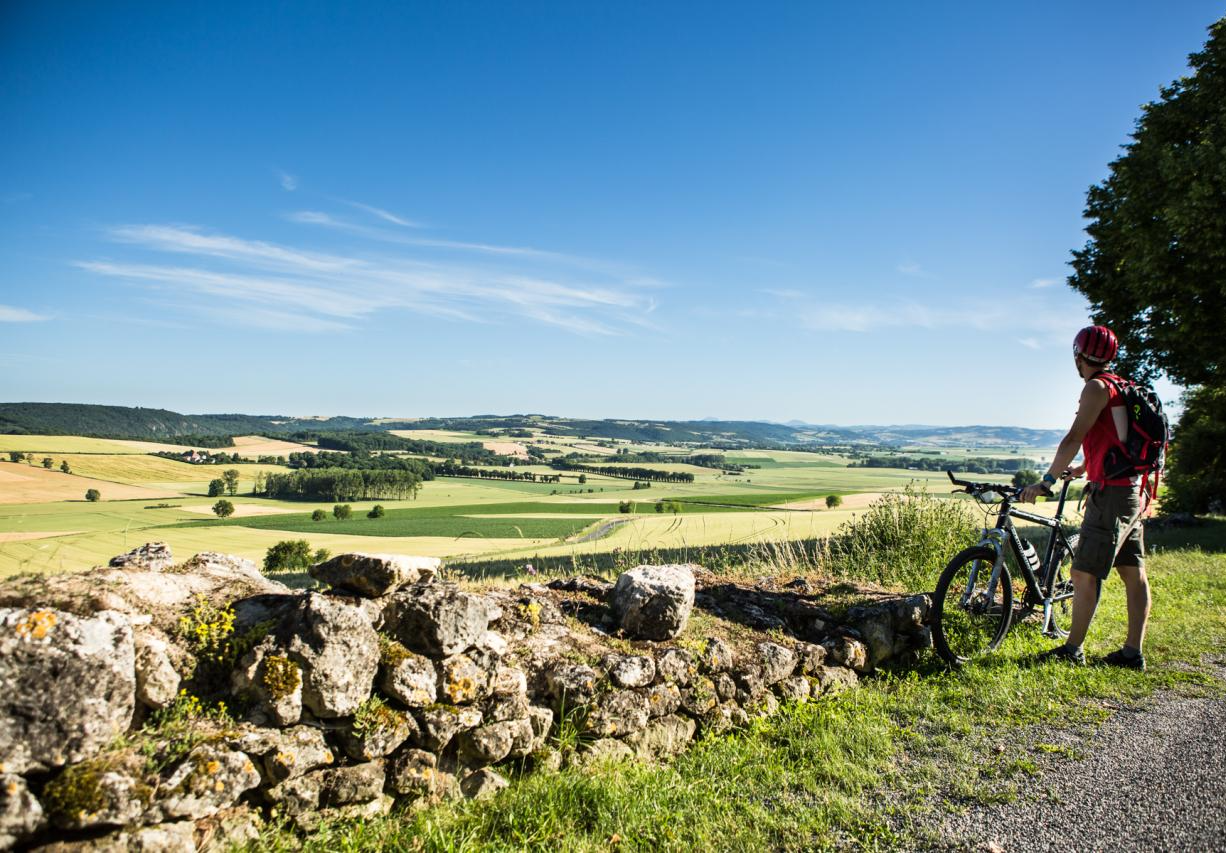
The Grande traversée du Massif Central by gravel bike
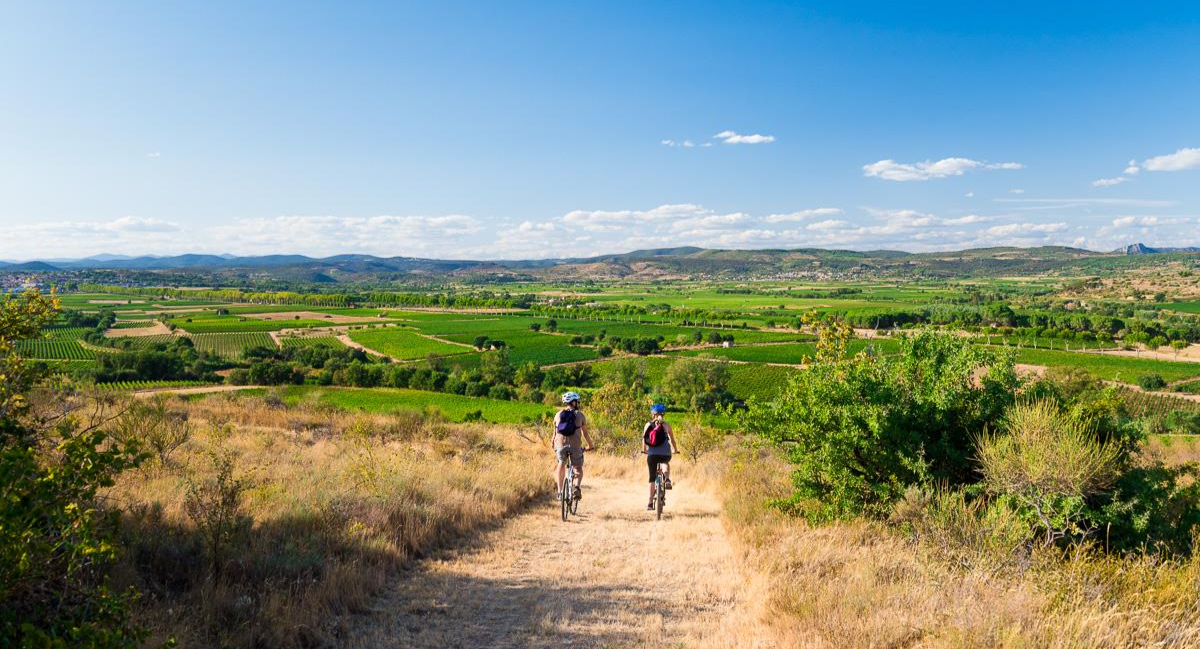
Cap d’Agde by bike – a unique terroir and wines with character
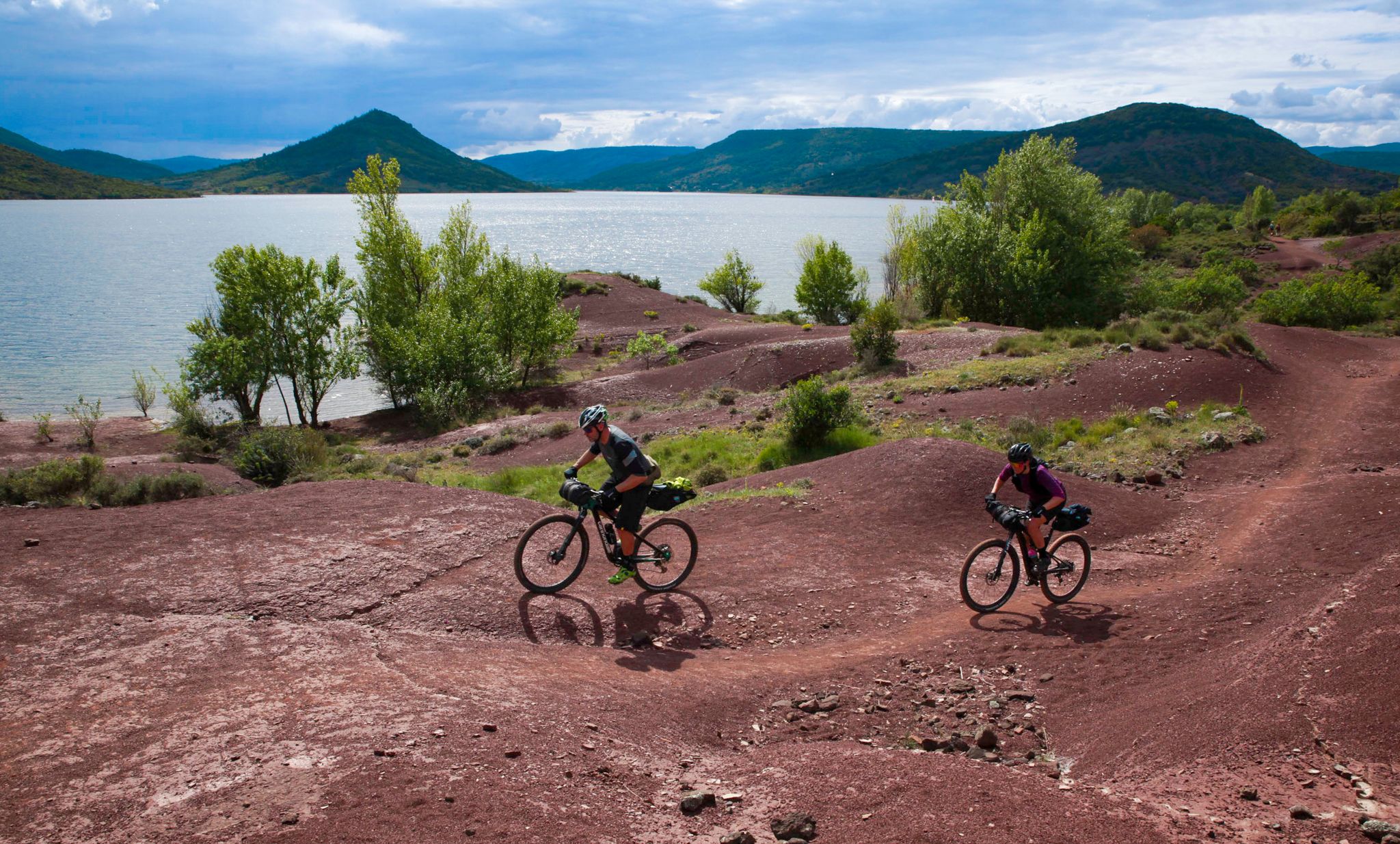
The Great Crossing of France's Massif Central by mountain bike

Hiking around Montagnac

MTB Trails around Montagnac

Cycling around Montagnac

Gravel biking around Montagnac

Running Trails around Montagnac
Other adventures around Montagnac


Tips from the Community

The oyster farming in the Étang de Thau is world-renowned for the crisp "Huîtres de Bouzigues". Since there are no tides in the lagoon, the oysters grow hanging from ropes on fixed wooden racks in the water.
0
0

Montagnac is distinguished by the presence of numerous remarkable buildings from the golden age of wine in the late 19th century: functional houses known as "vigneronnes", manor houses, urban estates, and wine-growing districts. Furthermore, its status as a city of royal fairs from the 12th century to the Revolution allowed it to endow its historic center with magnificent private mansions such as the Hôtel de Paul de Brignac, the king's representative, which houses a magnificent French painted ceiling.
1
0
This medieval village, which appeared in the 11th century, had a strategic position, perched above the Hérault valley. Even today, its castle, fortifications, and towers give it a military appearance.
1
0

Le Prieuré Saint-Martial is a discreet but history-rich stop amidst the wine landscapes of Alignan-du-Vent. Behind its walls lies a site occupied since antiquity: the priory is said to have been built on the site of an ancient Roman villa, before evolving over the centuries under the religious and agricultural influence of the communities that occupied it. Associated with a Benedictine monastic presence, Saint-Martial bears witness to a time when priories were not only places of prayer but also centers for land exploitation. Around the religious building, a vibrant estate was organized, linked to cultivation, livestock farming, and probably viticulture, which profoundly shaped the landscape of Languedoc. The site subsequently experienced a new life: the former Le Prieuré Saint-Martial complex has been restored and transformed into a charming place to stay, with accommodations set up in the historic buildings, a tree-lined park, and relaxation areas. It indeed features about a dozen accommodations (apartments, lofts, cottages, and villas), blending the charm of the old (stone walls, exposed beams, vaulted volumes) with contemporary amenities. Guests have access to two swimming pools, one of which is heated in mid-season. This redevelopment now makes it possible to preserve a rural heritage that could have disappeared, by giving a new function to these centuries-old stones.
3
0
The cooperative winery of Alignan-du-Vent bears witness to wine history. Created in 1936 under the name "Les Vignerons d'Alignan-du-Vent", it was born in a difficult context for small producers, facing the wine market crisis and the need to unite to better promote their harvest.
3
0
Pézenas is not just about Molière, even though the playwright stayed there several times between 1650 and 1656 under the protection of the prince de Conti. The city was for a long time one of the most influential in Languedoc: the States of Languedoc met there regularly, and Louis XIII, Richelieu, or the prince de Conti stayed there. While strolling through the narrow streets, keep your eyes open: many doors still retain their original knockers and ironwork, testaments to the skill of Pézenas artisans. A tradition that is perpetuated today by the Musée de la Porte et de la Ferronnerie, unique in France. Finally, one last curiosity: the famous Maison de Molière should not be misleading. Despite its name, there is nothing to confirm that the playwright lived there. Local tradition rather holds that he liked to settle in the barber Gély's shop, where he observed the inhabitants and their foibles, a source of inspiration that is said to have fueled several of his future characters.
2
0
This place marks one of the main entrances to the old town of Pézenas. The International Toy Museum, housed in a former forge, displays over 6000 toys from Europe, America, and Asia. Right next door, the Tourist Office building also hosts the Centre d'Interprétation de l'Architecture et du Patrimoine (CIAP), a free exhibition that helps you understand the history of Pézenas. Between the two stood the old Saint-Christol gate, one of the five large fortified gates of the medieval enclosure of Pézenas. By taking Rue Montmorency, imagine passing under the arch to gain direct access to the historic heart of the city!
2
0
At the entrance to Pézenas, the Domaine de la Grange des Prés is one of the most prestigious Renaissance ensembles in Languedoc! Much more than a country house, this residence was the scene of political events and hosted several important figures. Its architecture, gardens, and vast estate bear witness to the influence of Pézenas in the 16th and 17th centuries. In 1587, Henri Ier de Montmorency, governor of Languedoc and Constable of France, acquired the lands of Prés and commissioned the architect Jean Thomas to build a residence inspired by Italian villas. Completed in 1595, the estate quickly became renowned for its gardens adorned with grottos, pools, and fountains. The Estates of Languedoc met there in 1614, then the estate received Louis XIII in 1622 and Richelieu in 1629. After the fall of Henri II de Montmorency, the property passed to the princes of Condé and then to the prince of Conti, a patron of Molière, who stayed there several times when his troupe performed in Pézenas. Listed as a historic monument since 2015, the estate remains one of the most remarkable testaments to the Renaissance in Occitania.
2
0
Frequently Asked Questions
What kind of terrain can I expect on road cycling routes around Montagnac?
Road cycling around Montagnac offers a diverse landscape, from relatively flat routes near the coast with views of the Étang de Thau to more challenging rides through rolling vineyards and local hills. The region is known for its quiet, well-paved roads winding through scenic areas.
Are there road cycling routes suitable for beginners or those looking for an easy ride?
Yes, Montagnac offers several easy road cycling routes. For instance, the Roadbike loop from Montagnac is an easy 12.3-mile (19.8 km) path that winds through local landscapes with minimal elevation gain, perfect for a relaxed ride.
When is the best time of year for road cycling in Montagnac?
The Mediterranean climate makes spring and autumn ideal for road cycling in Montagnac. During these seasons, temperatures are comfortable, and the crowds are generally smaller, allowing for a more enjoyable experience through the vineyards and coastal areas.
What are some scenic highlights or landmarks I can see along the road cycling routes?
Many routes offer picturesque views of the Étang de Thau, known for its oyster beds. You can also explore charming fishing villages like Mèze or visit historic towns. Consider routes that pass by the Pézenas Historic Centre or offer views of the Étang de Thau.
Are there any longer or more challenging road cycling routes for experienced riders?
Absolutely. For a more challenging ride, consider the Gignac Suspension Bridge – Winding Road Through the Hills loop from Montagnac. This moderate 41.5-mile (66.8 km) route includes significant elevation gain, offering a rewarding experience through the region's varied topography.
Can I find circular road cycling routes around Montagnac?
Yes, many of the road cycling routes around Montagnac are designed as loops, allowing you to start and finish in the same location. An example is the View of the Countryside loop from Montagnac, a moderate 23.2-mile (37.3 km) trail.
What do other road cyclists say about the routes in Montagnac?
The road cycling routes in Montagnac are highly rated by the komoot community, with an average score of 4.1 stars from over 20 reviews. Cyclists often praise the diverse terrain, from rolling vineyards to coastal views, and the well-maintained roads.
Are there any family-friendly road cycling options in the Montagnac area?
While specific 'family-friendly' routes are not explicitly designated, the easier, flatter loops with minimal elevation gain, such as the Roadbike loop from Montagnac, could be suitable for families with older children or those comfortable with road cycling. The quiet roads through vineyards also contribute to a pleasant family experience.
Where can I find parking for road cycling routes in Montagnac?
Montagnac, being a local town, typically offers various public parking options within the village center or near key departure points for routes. It's advisable to check local signage upon arrival for specific parking regulations and availability.
Are there any routes that pass through historic villages or towns?
Yes, several routes allow you to explore the region's rich history. The Caux – Medieval Old Town of Pézenas loop from Montagnac is a great option, leading through vineyards and historic villages, including the charming town of Pézenas.
How many road cycling routes are available around Montagnac?
There are over 10 road cycling routes available around Montagnac, catering to various fitness levels with options ranging from easy to difficult.
Can I combine road cycling with exploring natural features like lagoons?
Absolutely. Many routes offer stunning views of the Étang de Thau, a large coastal lagoon known for its oyster beds and charming fishing villages. You can enjoy the scenery of the lagoon while cycling, with highlights like the Bouzigues oyster farms.
Most popular attractions around Montagnac

Get inspired with the komoot mobile app


Explore more
Browse the best Road cycling routes in other regions.
