Attractions and Places To See around Roquessels - Top 20
Best attractions and places to see around Roquessels include historical sites and natural landscapes in the Hérault department of France. The village is characterized by its ancient feudal past, featuring the ruins of a 12th-century castle and the Notre-Dame Chapel. Surrounded by Mediterranean forests, vineyards, and olive groves, the area offers panoramic views and opportunities for exploration. Roquessels serves as a base for discovering both local heritage and the wider Hérault region.
Best attractions and places to see around Roquessels
…Last updated: October 9, 2026
Château de Pézènes
Highlight • Castle
Showing Translation
Tip by

Moulins de Faugères
Highlight • Viewpoint
Showing Translation
Tip by
Sign up now to discover places like this
Get recommendations on the best single tracks, peaks, & plenty of other exciting outdoor places.
Faugères – Bédarieux via the D13E8
Highlight (Segment) • Trail
Translated by Google •
Tip by

Saint-Martin Chapel and Crozes Hamlet
Highlight • Religious Site
Translated by Google •
Tip by

Scenic Road Between Cabrières and Neffiès
Highlight (Segment) • Cycleway
Tip by

Sign up for free to discover even more attractions around Roquessels.
Already have an account?
Start today with a free account
Your next adventure awaits.
Tips from the Community

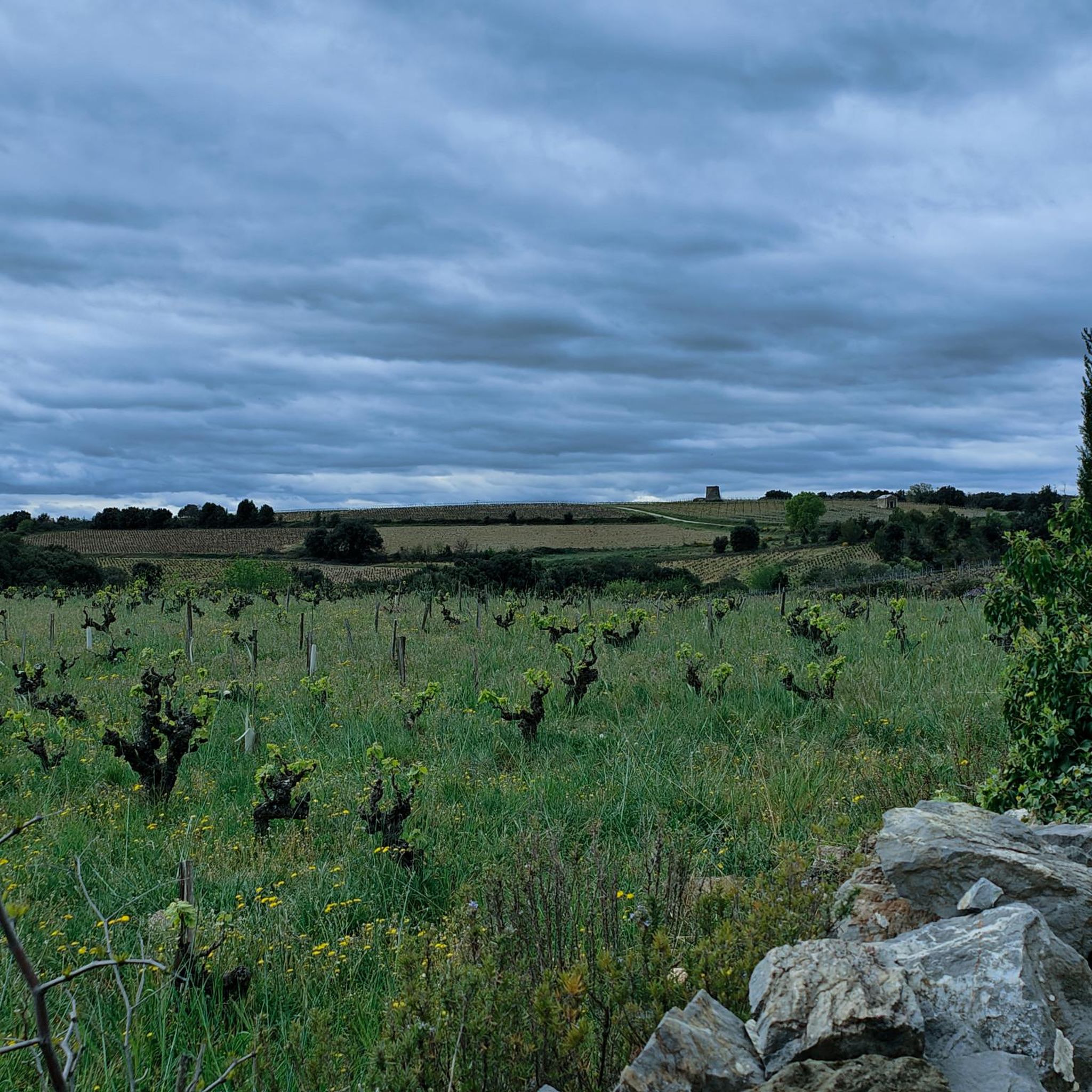
The castle overlooks Pézènes-les-Mines from the upper part of the village. This castle is private, but its facades, roofs, and enclosure have been protected as historical monuments since 1981. Its history is ancient, but the ensemble we see today is the result of several construction and transformation campaigns. The Romanesque chapel, integrated into the castle, dates back to the 12th century. Its apse was later raised in the 14th century to take on a defensive function. The castle itself underwent significant alterations in the 14th, 16th, and 17th centuries. Two gates were notably built into the enclosure in the 17th century. The defensive elements are still very legible: two gates with arrow slits controlled access to the courtyard and were once protected by a drawbridge. Two towers flank the ensemble, while the enclosure follows the natural irregularities of the terrain. The chapel also retains a rather remarkable detail: its door and some of its bays are decorated with basalt inlays, giving the building a discreet but original polychromy. Pézènes-les-Mines was not always the small village one might imagine today. Pézènes was the capital of a marquisate that grouped the communities of Pézènes, Montesquieu, and Valmascle. The castle was therefore at the heart of a larger seigneurial territory. Little-known information: A plan from 1800 shows that behind the castle stretched a long terrace of about 270 meters, arranged as a garden, promenade, and belvedere overlooking the Peyne valley.
2
0
At first glance, three towers standing against the wind are particularly noticeable. However, this site is much more than a viewpoint. The windmills of Faugères were built in the 16th century, at a time when cereals still occupied an essential place in the local economy. Their location is probably no accident: according to tradition and local heritage studies, they were established on older towers, probably of Gallo-Roman origin, which already occupied this strategic position. Already noted in ruins on the Cassini map of 1777, the mills briefly regained their activity thanks to the Rivière brothers from 1829, before being abandoned again. It was not until the 1990s that an ambitious restoration brought the site back to life. Since 1998, one of the mills has been operating again with a traditional mechanism and 19th-century millstones. From the orientation table, the view extends 360° over the Faugères vineyards, the Mediterranean, the Cévennes, the Lozère, and, on a clear day, as far as the Pyrenees.
2
0
Les Crozes are one of those places that you only discover by leaving the classic routes. At the end of a small road lined with holm oaks lies a remarkably preserved hamlet. Its main treasure is the Saint-Martin church, mentioned as early as 990 and completed in the 12th century, whose beautiful pentagonal apse makes it a little gem of Languedoc Romanesque architecture. Also take the time to see the communal oven, restored in 1994, a testament to a time when the whole village came to bake its bread there.
2
0

The Faugères mill is a superb site that you absolutely must visit. Entrance is €2 and the mill is closed in March.
0
1


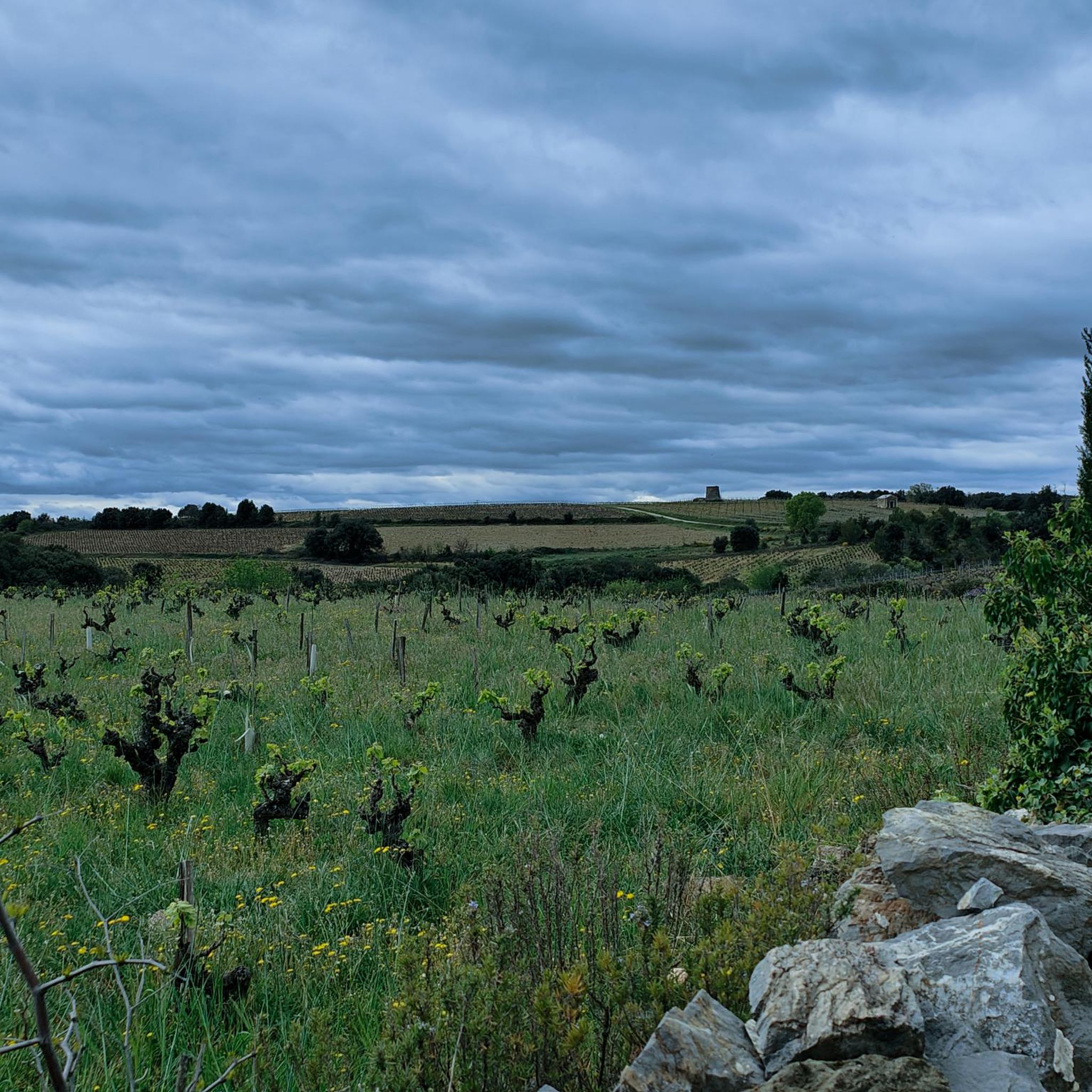
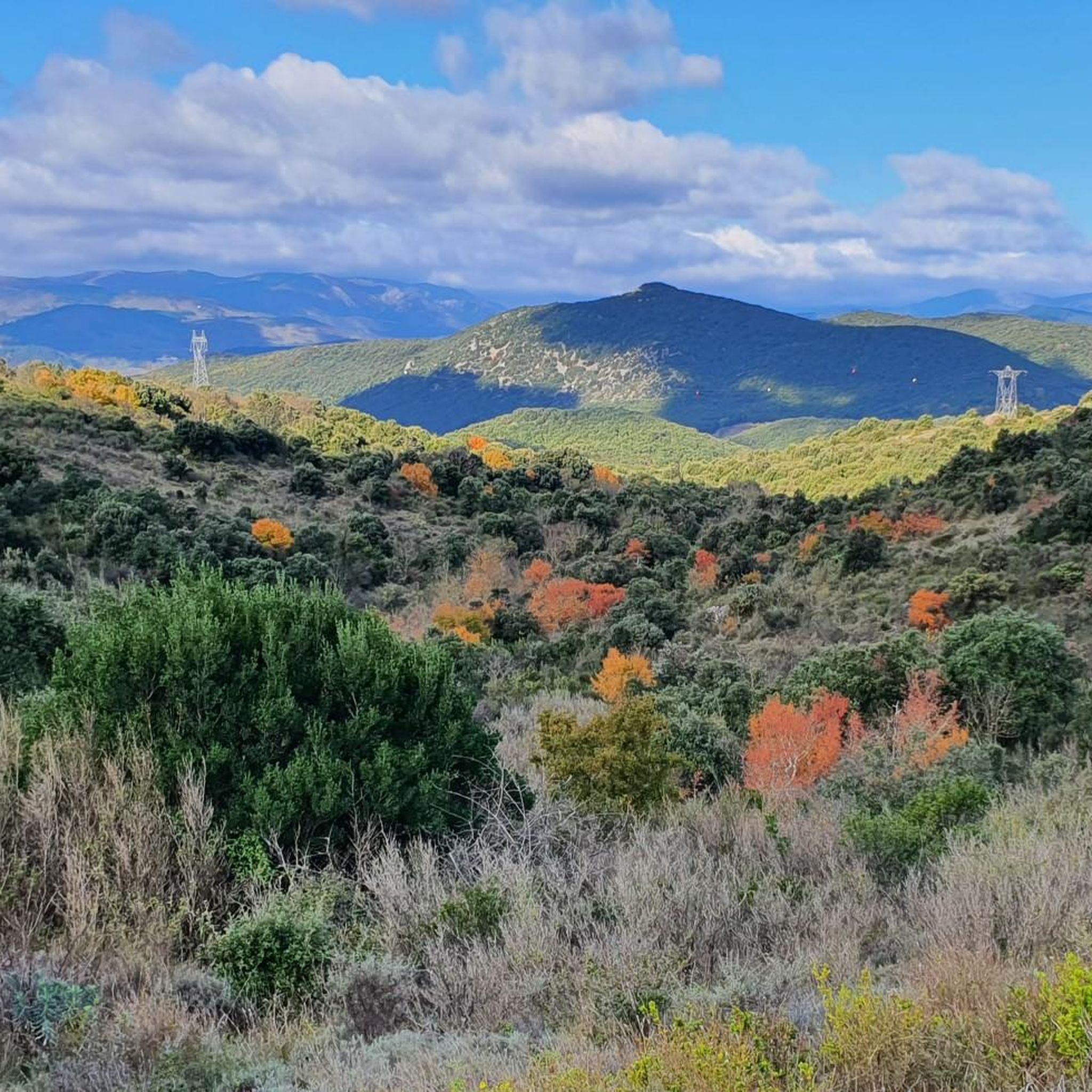
Superb segment located on the V84 / Véloccitanie which connects Béziers to Bédarieux, as well as in the Haut-Languedoc regional natural park. It crosses 3 of the 18 landscape units of the park: the Coteaux Viticoles du Faugérois, the Serres, valleys, basins and small causses of the Avants-Monts, and finally the Plains and Coteaux de l'Orb Moyen. On this road, fields of olive trees follow arbutus trees, holm oaks, cork oaks, chestnut trees, and shade the vineyards. Aromatic herbs perfume the air, dry stone walls line the path. It is a little-traveled road, which invites meditation. Did you dream of the south? You are there, without concession.
1
0

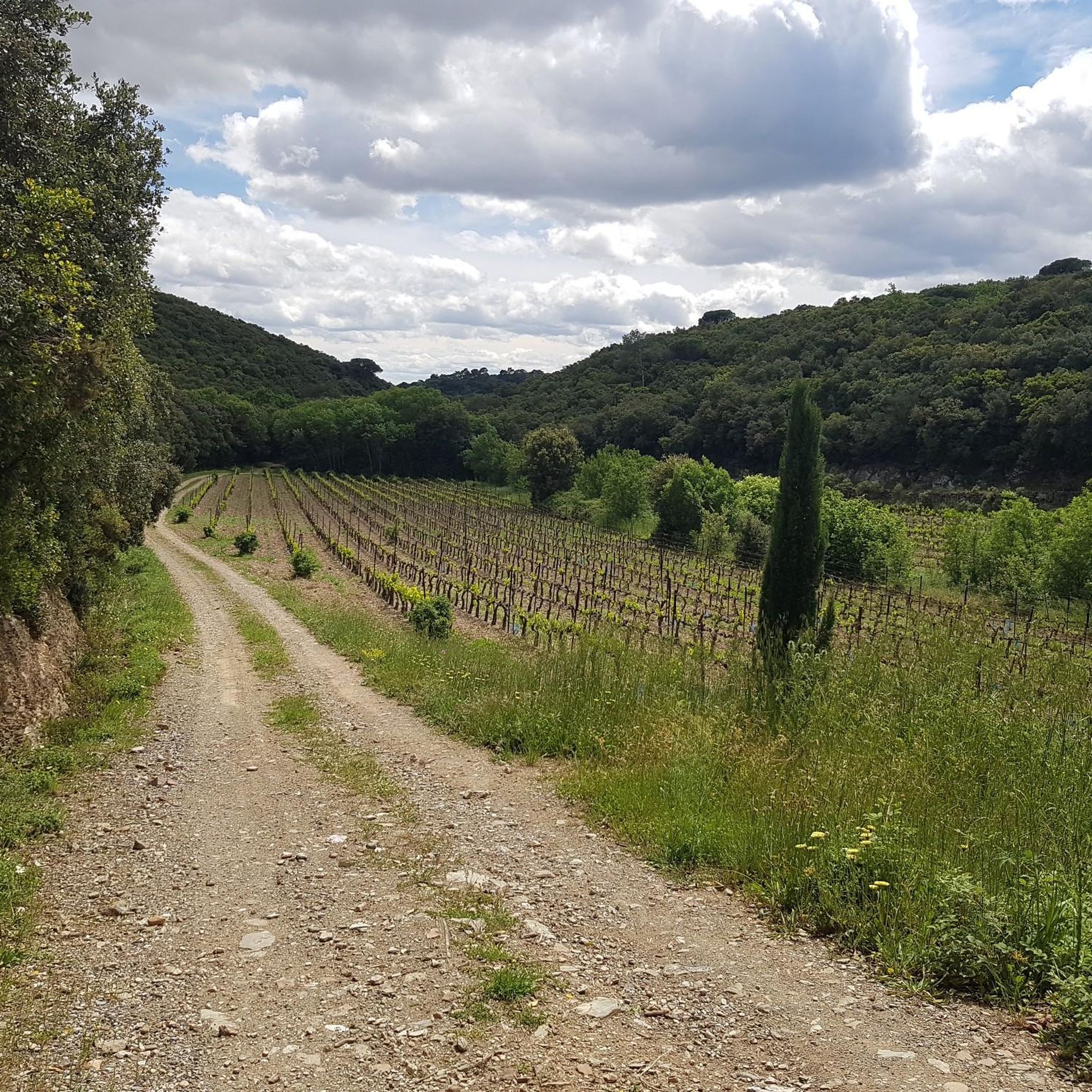
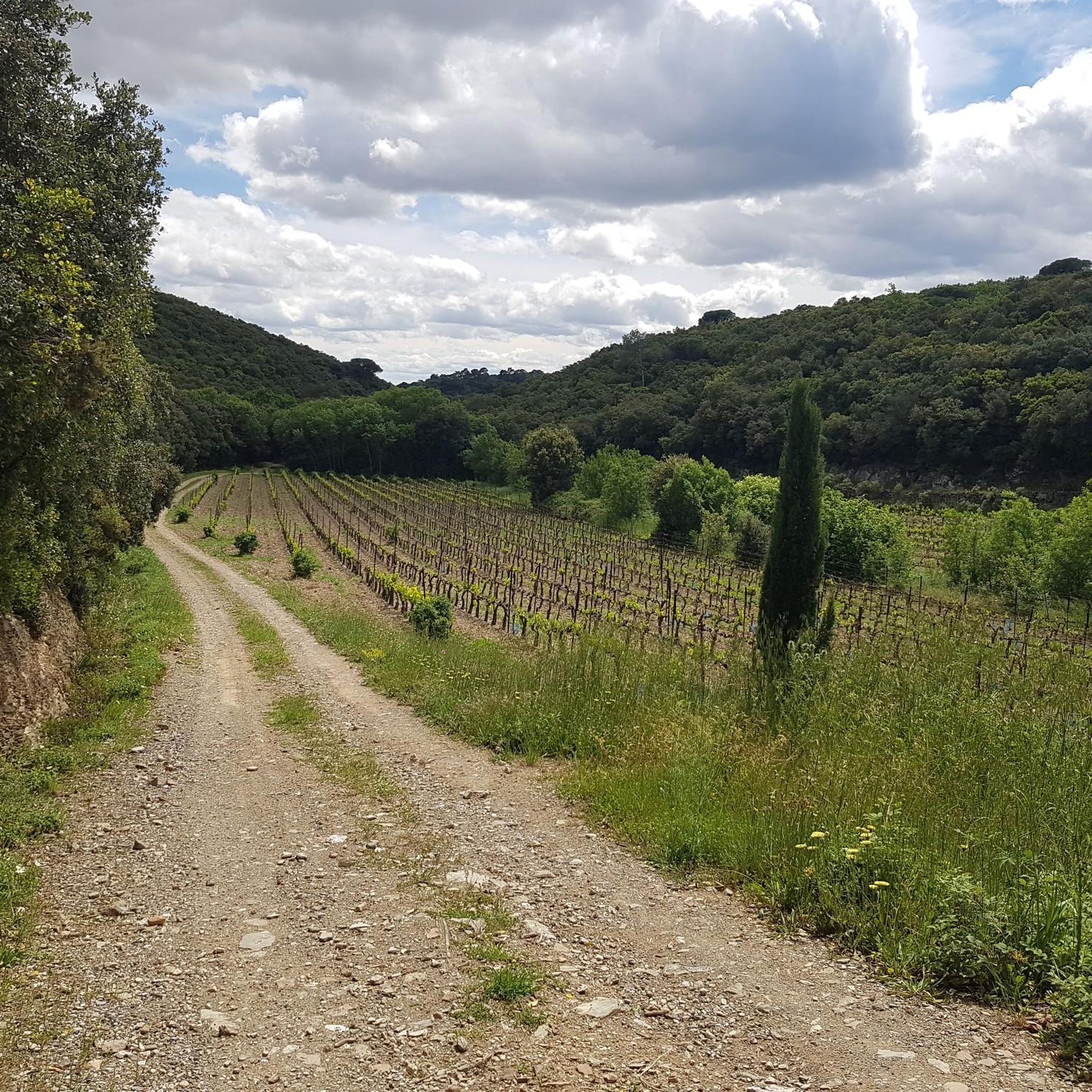
lonely, small road, meandering up and down the creek valley, deep dark forests to the right and left, broom in bloom everywhere
1
0

Frequently Asked Questions
What historical landmarks can I explore in Roquessels?
Roquessels is rich in history, primarily centered around its ancient feudal past. You can explore the ruins of the 12th-century Château de Roquessels and the adjoining Notre-Dame Chapel. The chapel, a listed historic monument, features magnificent Romanesque windows and a Roman baptismal font. Additionally, the Tiberet Ruins, the well-preserved remains of a 12th-century mill and chapel, offer another glimpse into the region's past.
Are there any natural attractions or scenic viewpoints near Roquessels?
Yes, Roquessels offers stunning natural beauty. From the heights of the Château and Chapel, you can enjoy remarkable panoramic views stretching from Mont de la Guardiole and the coastal cities of Sète to Agde, all the way to the Pyrénées and Pic du Canigou. The area is also surrounded by beautiful Mediterranean forests, vineyards, and olive groves. The Olivettes Dam provides a quiet, relaxing environment with a lake, while the Scenic Road Between Cabrières and Neffiès offers outstanding views through vineyards.
What outdoor activities can I do around Roquessels?
The village and its surrounding landscapes are ideal for various outdoor activities. You can enjoy walks and hikes through Mediterranean forests, vineyards, and olive groves. For cycling enthusiasts, the Scenic Road Between Cabrières and Neffiès is known for its excellent conditions and views. There are also dedicated guides for mountain biking, gravel biking, and running. Explore MTB Trails around Roquessels, Gravel biking around Roquessels, and Running Trails around Roquessels for detailed routes.
Are there family-friendly attractions in the Roquessels area?
The Olivettes Dam is considered a family-friendly spot. While swimming in the lake is not permitted, there's a small pond downstream of the dam with unsupervised swimming and picnic/barbecue facilities, making it a great place for a family outing. The general area also offers pleasant walks and opportunities for picnicking amidst nature.
What are some notable villages or towns to visit near Roquessels?
Roquessels serves as a great base to explore charming villages in the wider Hérault region. Consider visiting Villeneuvette, a historic royal cloth factory village; Roquebrun, known for its picturesque setting on the River Orb; Pézenas, celebrated for its well-preserved architecture; or Olargues, recognized as one of France's 'Most Beautiful Villages' with a lovely medieval center. Saint-Guilhem-le-Désert, a UNESCO World Heritage site, is also within reach.
Where can I find good hiking trails near Roquessels?
The area around Roquessels offers numerous opportunities for hiking. Trails lead up to the Notre-Dame Chapel and Château ruins, providing scenic routes and panoramic views. The surrounding Mediterranean forests, vineyards, and olive groves are crisscrossed with paths suitable for walks. For specific running routes, you can check the Running Trails around Roquessels guide, which includes routes like the 'Olivettes Dam – Lac des Olivettes loop from Vailhan'.
What is the best time to visit Roquessels attractions?
The region generally enjoys a Mediterranean climate. Spring and autumn are often ideal for visiting, as the weather is pleasant for outdoor activities like hiking and cycling, and the landscapes are particularly beautiful with blooming flora or autumn colors. Summer can be warm, but still enjoyable, especially for exploring the natural features and nearby lakes. Winter offers a quieter experience, though some activities might be limited.
Are there any unique natural formations or geological sites nearby?
Absolutely. Just 13-14km from Roquessels, you can discover the Cirque de Mourèze, a spectacular geological site known for its dramatic dolomitic rock formations. This is one of the most beautiful scenic spectacles in northern Languedoc-Roussillon and offers a unique landscape to explore.
What do visitors enjoy most about the attractions around Roquessels?
Visitors particularly appreciate the blend of historical ruins and natural beauty. The well-preserved 12th-century structures like the Tiberet Ruins offer a peaceful place for relaxation. The scenic cycle routes, such as the Scenic Road Between Cabrières and Neffiès, are praised for their excellent conditions and outstanding views through vineyards. The quiet and relaxing environment of the Olivettes Dam is also a highlight, especially for picnics.
Can I find any hidden gems or less-known spots near Roquessels?
Beyond the main attractions, the village of Vailhan, nestled at the foot of the mountains, is a charming spot with castle ruins perched above it, offering great views after a short climb. The small, lonely roads like the Faugères – Bédarieux via the D13E8, meandering through deep forests and broom in bloom, are also considered hidden gems for those seeking tranquility and natural beauty.
Are there any lakes or water bodies for leisure activities near Roquessels?
Yes, the Olivettes Dam, a man-made reservoir, offers a quiet and relaxing environment with picnic and barbecue facilities downstream. Further afield, approximately 16km away, you'll find Lac du Salagou, a popular leisure lake offering a wide range of activities.
Most popular routes around Roquessels
Most popular attractions around Roquessels

Get inspired with the komoot mobile app


Explore more
Still not found the Highlight you’re looking for? See guides of the top attractions in other regions:
