The best cycling routes around Verrie
4.4
(1158)
7,607
riders
259
rides
Touring cycling routes around Verrie traverse the diverse landscapes of the Bocage Vendéen, characterized by traditional hedgerows and woodlands. The region features varying elevations, ranging from 187 feet (57 meters) to 699 feet (213 meters) above sea level, offering a mix of gentle and more challenging terrain. Many routes follow the Sèvre Nantaise River Valley, providing scenic paths through a historically rich area. This topography supports a range of touring cycling experiences.
Best touring cycling routes around Verrie
- The most…
Last updated: July 6, 2026
4.6
(18)
257
riders
Moderate bike ride. Good fitness required. Mostly paved surfaces. Suitable for all skill levels.
4.3
(16)
122
riders
17.0km
01:04
130m
130m
Easy bike ride. Great for any fitness level. Mostly paved surfaces. Suitable for all skill levels.

Sign up for free
4.4
(13)
61
riders
33.1km
02:06
200m
200m
Moderate bike ride. Good fitness required. Mostly paved surfaces. Suitable for all skill levels.
12
riders
42.2km
03:26
440m
440m
Moderate bike ride. Good fitness required. Mostly paved surfaces. Suitable for all skill levels.
5.0
(1)
10
riders
Moderate bike ride. Good fitness required. Mostly paved surfaces. Suitable for all skill levels.
Get access to more routes and recommendations from other explorers.
Sign up for free
Already have an account?
Our route recommendations are based on thousands of hikes, rides, and runs completed by other people on komoot.
Start today with a free account
Your next adventure awaits.
Login or Signup

Tips from the Community

If you want to stay, or marriage use this link: https://chateaudemarson.fr/histoire/
0
0


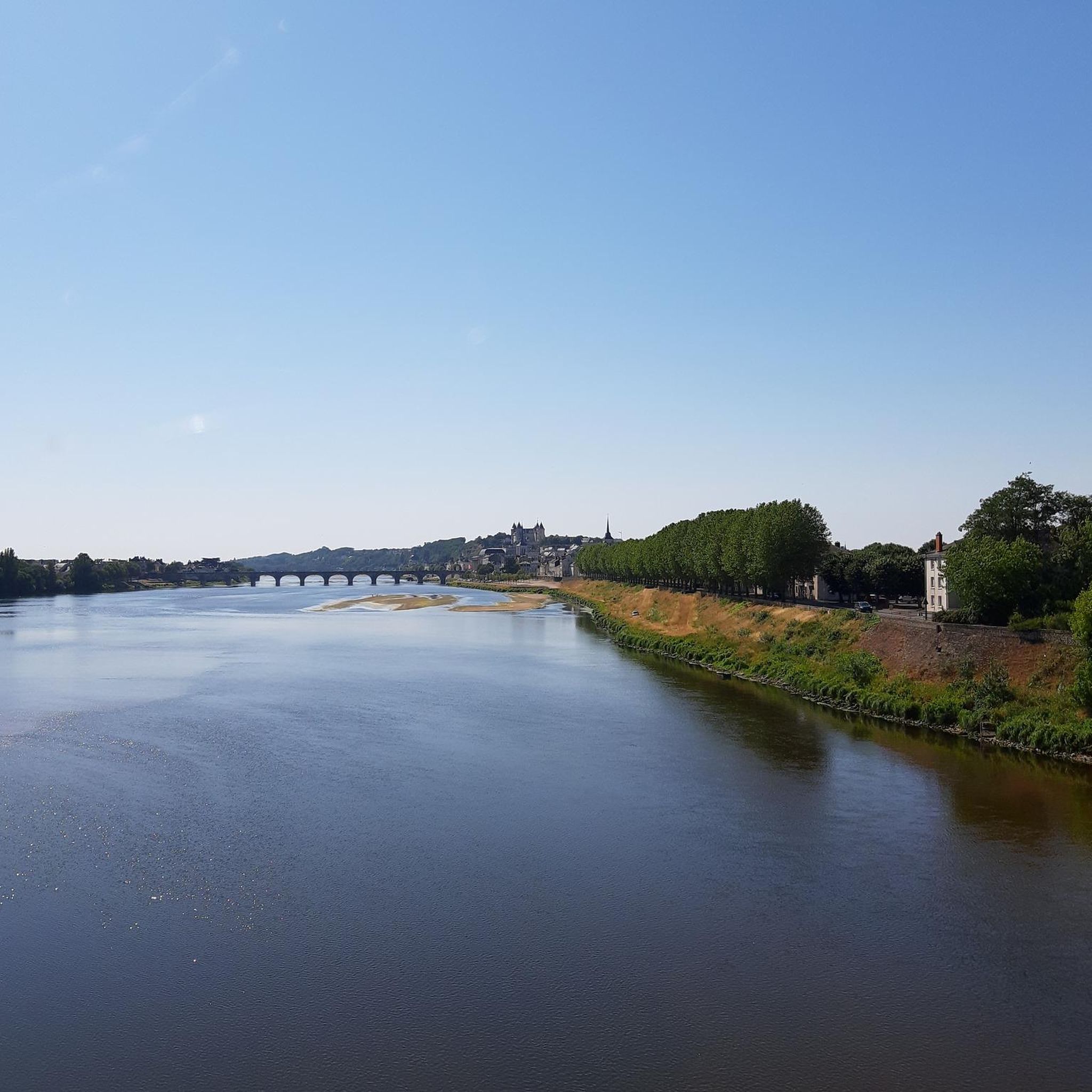
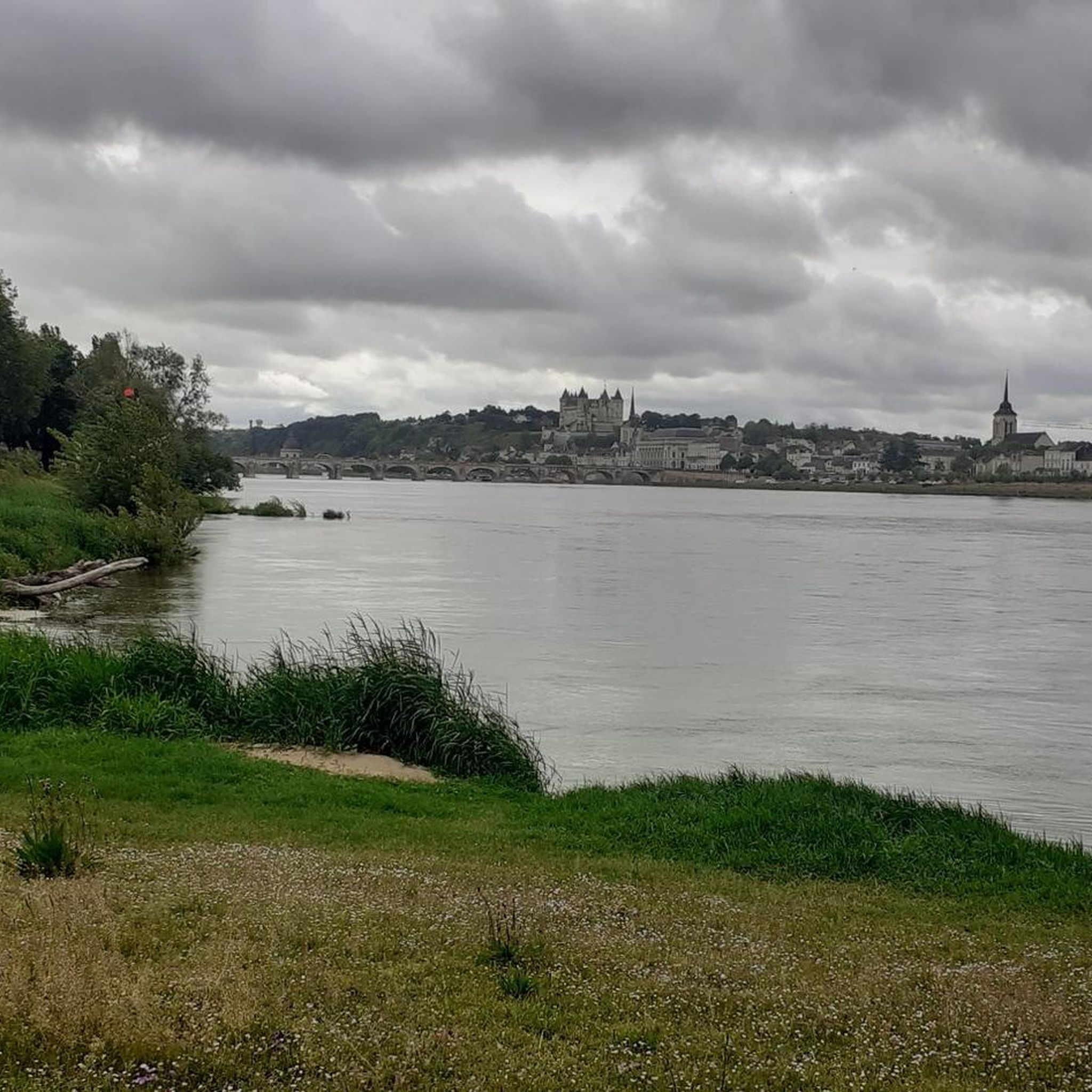
A castle-palace of the Dukes of Anjou in the 19th and 19th centuries, the Château de Saumur, where King René resided, is the last example of the princely palaces built by the Valois dynasty. It served as the residence of the city's governors, a prison, and later an arms and ammunition depot. It was purchased by the city in 1906 to house the municipal museum, now the Musée de France. Today, we discover the rich collections scattered throughout the former apartments of the Dukes of Anjou in an educational museography. Want to know more? Click here: https://www.ot-saumur.fr/en/castles-and-country-houses/Saumurcastle-5261718/
3
0
The Saumur Val de Loire Tourist Office will guide you in discovering a destination not to be missed: exceptional architectural and natural heritage, troglodytes, equestrian tradition and Cadre Noir, cellars and vineyards, festive events. Located in the city centre, facing the Loire and in the immediate vicinity of the Maison des Vins d'Anjou and Saumur, the Saumur Val de Loire Tourist Office welcomes you to the heart of the Saumur Val de Loire destination. Let our advisors guide you in organising your visit to the city. Opening hours consult the link https://www.ot-saumur.fr/en/sheets/samur-loire-valley-tourist-office-5261969/
2
0
The first stone was laid on 20 June 1864. As an architect with eclectic tastes, Joly-Leterme was inspired by the style of the Louis XVI period, which was contemporary with the hall he replaced. He borrowed in particular from the neoclassical colonnades of the Grand Théâtre de Bordeaux and the Madeleine in Paris. On the left, the colonnade overlooking the Loire has a rather successful disappearing effect; the monument is not rectangular, but narrows towards the east. The hall opens onto the Place de la Bilange, which it dominates with its monumental proportions. The eastern façade, dedicated to the musicians and the entrance for the artists, has a more intimate appearance. It is narrower, with five instead of seven arches. This façade has often changed in appearance. The hall is in the "Italian style", a type of hall that was fashionable during the Second Empire. Large reception areas are planned: a grand staircase overlooking the Place de la Bilange, a spacious foyer on the first floor, a wide peristyle accessible to all, and galleries on the upper floor providing access to numerous rooms. In the middle, the concert hall is reduced to a small, high space. The stage, of good dimensions, has been rebuilt several times. The red-gold tones of the hall, restored in 1963, have come to life. Source: https://www.ville-saumur.fr/patrimoine-architectural/le-theatre-2
3
0
History: In 1454, while ploughing his field, a farmer discovered in the "ardille" (clay, a word that according to legend gave its name to Notre-Dame-des-Ardilliers) a stone statuette about thirty centimetres high representing a Pietà. The farmer took it home. Twice he discovered that the Pietà returned to its place of discovery, near a fountain that was already known for its healing properties. From that moment on, devotions developed around this statuette, which was placed in a niche under a stone arch. Jean Olivier, Bishop of Angers, laid the foundations of the Notre-Dame-des-Ardilliers chapel. Bishop Gabriel Bouvery, Bishop of Angers, opened the new church on 30 July 1553. It was a place of pilgrimage. The fountain was said to perform miracles. In 1614, thanks to the support of Marie de Medici, the management of the sanctuary was entrusted to the Order of Oratorians. In 1619, they settled in Ardilliers and founded a royal college in 1624. Louis XIII granted it the status of royal chapel and, from 1628 to 1643, the Oratorians built the buildings to the east of the chapel that would house their community, the classrooms and the students' dormitories. From 1634, Richelieu had a chapel built on the north wall of the chapel for votive and funeral purposes. The chapel was closed during the Revolution. The Oratorian house became a barracks and the rotunda was converted into an ammunition store. In 1796, the Sisters of Sainte-Anne-de-la-Providence opened a hospice there for the expelled. In 1798, the hospice became the property of the city of Saumur. The chapel was put back into use in 1799, but was damaged by damp. From 1849, architect Charles Joly-Leterme began restoring the building. The Sisters of Sainte-Anne-de-la-Providence became the owners of the former Oratorian House in 1866. During the Battle of the Cadets, in June 1940, the bombing destroyed the roof structures of the chapel and the Oratorian House. The vault of the nave collapsed. The buildings were restored between 1947 and 1957. The oak frame of the dome was replaced by a concrete shell to reduce the pressure on the walls. The Oratorian House was converted into a school in 1953. In February 2025, a fire broke out. Source Wikipedia
4
0
History: In 1454, while ploughing his field, a farmer discovered in the "ardille" (clay, a word that according to legend gave its name to Notre-Dame-des-Ardilliers) a stone statuette about thirty centimetres high representing a Pietà. The farmer took it home. Twice he discovered that the Pietà returned to its place of discovery, near a fountain that was already known for its healing properties. From that moment on, devotions developed around this statuette, which was placed in a niche under a stone arch. Jean Olivier, Bishop of Angers, laid the foundations of the Notre-Dame-des-Ardilliers chapel. Bishop Gabriel Bouvery, Bishop of Angers, opened the new church on 30 July 1553. It was a place of pilgrimage. The fountain was said to perform miracles. In 1614, thanks to the support of Marie de Medici, the management of the sanctuary was entrusted to the Order of Oratorians. In 1619, they settled in Ardilliers and founded a royal college in 1624. Louis XIII granted it the status of royal chapel and, from 1628 to 1643, the Oratorians built the buildings to the east of the chapel that would house their community, the classrooms and the students' dormitories. From 1634, Richelieu had a chapel built on the north wall of the chapel for votive and funeral purposes. The chapel was closed during the Revolution. The Oratorian house became a barracks and the rotunda was converted into an ammunition store. In 1796, the Sisters of Sainte-Anne-de-la-Providence opened a hospice for the expelled. In 1798, the hospice became the property of the city of Saumur. The chapel was put back into use in 1799, but was damaged by damp. From 1849, architect Charles Joly-Leterme began restoring the building. The Sisters of Sainte-Anne-de-la-Providence became the owners of the former Oratorian House in 1866. During the Battle of the Cadets, in June 1940, the bombing destroyed the roof structures of the chapel and the Oratorian House. The vault of the nave collapsed. The buildings were restored between 1947 and 1957. The oak frame of the dome was replaced by a concrete shell to reduce the pressure on the walls. The Oratorian House was converted into a school in 1953. A fire broke out in February 2025. Source Wikipedia
4
0
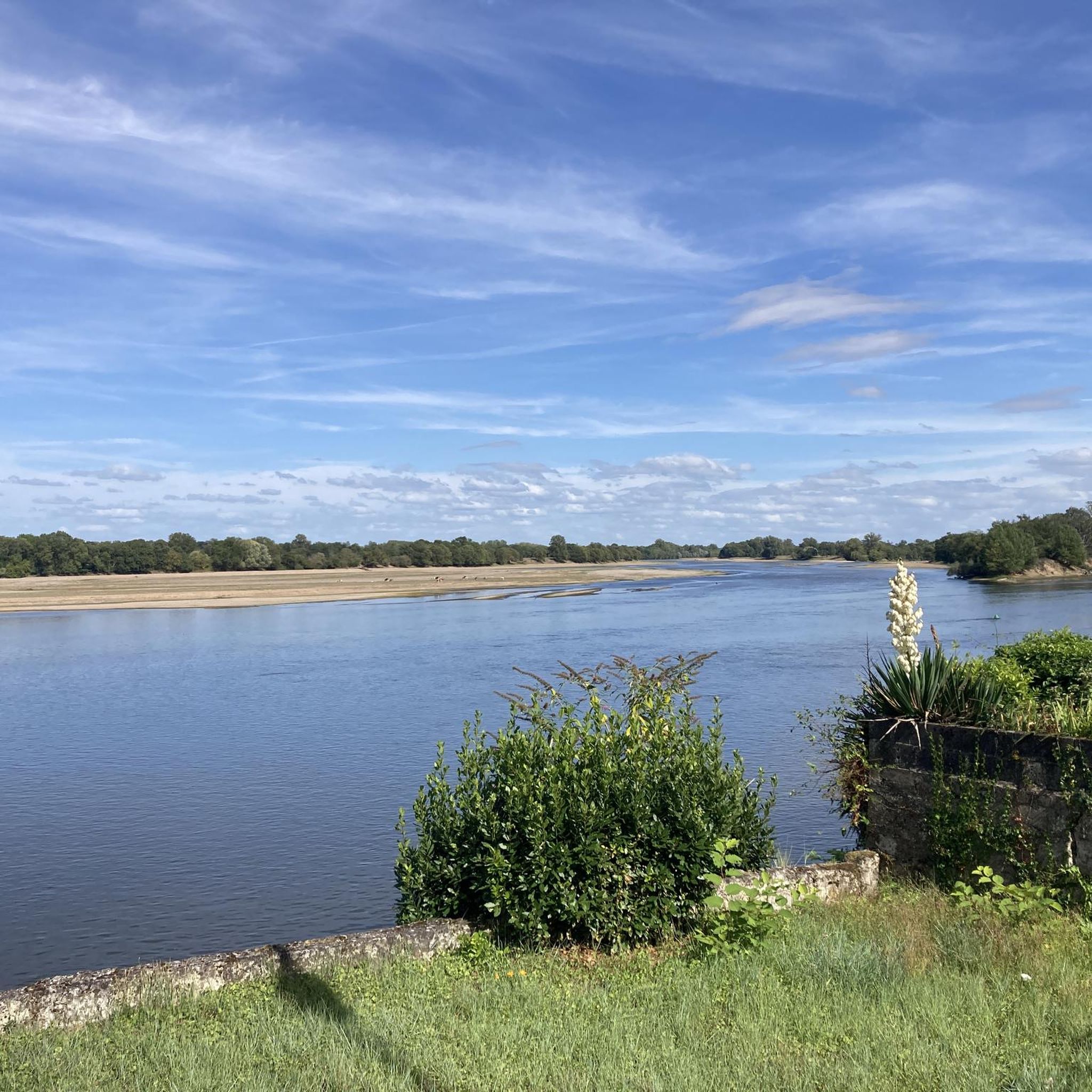
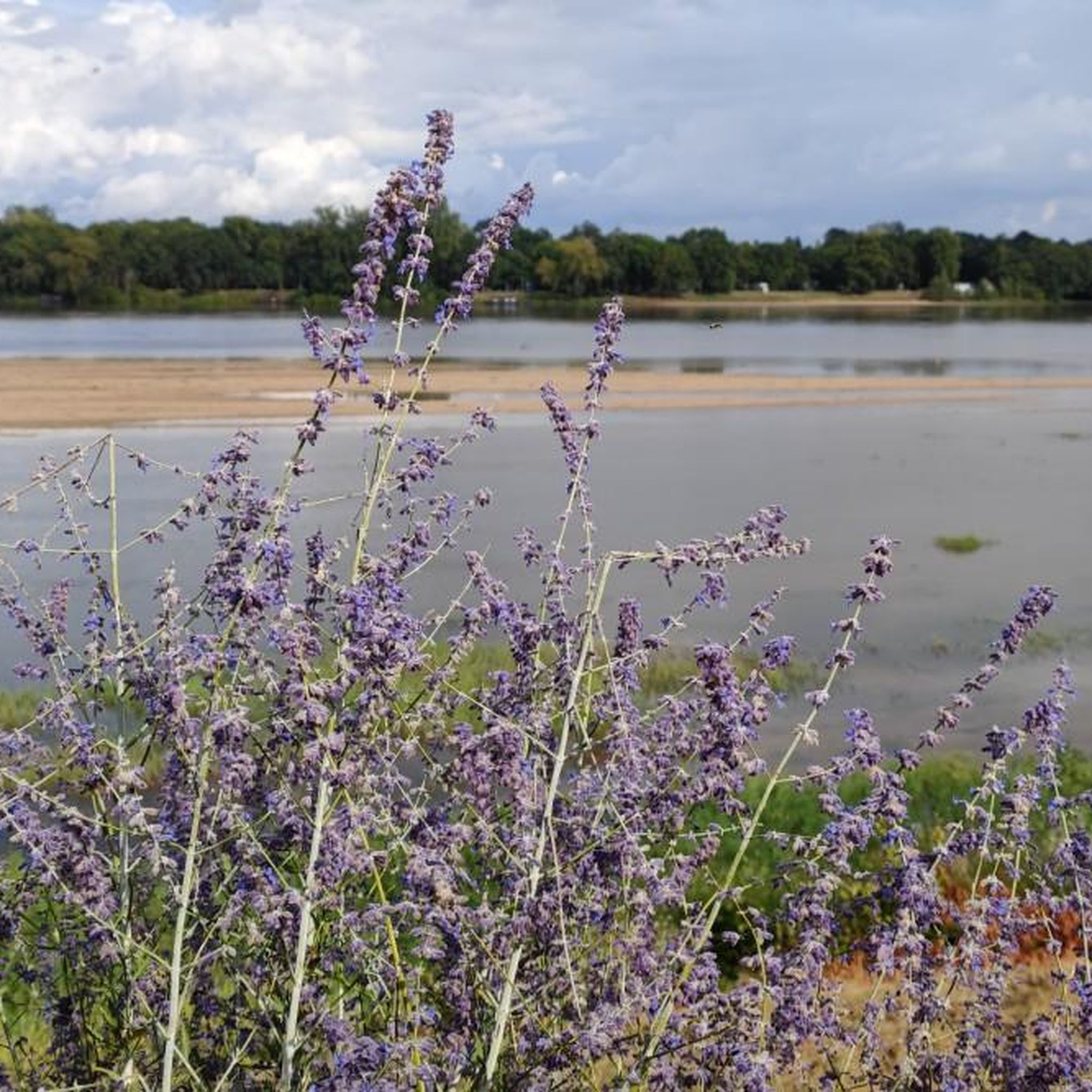
Very nice gravel along the banks of the Loire. Know that you are not alone here. Enjoy together, each at their own pace.
3
0
Frequently Asked Questions
How many touring cycling routes are available around Verrie?
There are over 260 touring cycling routes around Verrie, offering a wide variety of experiences for cyclists. These routes are well-regarded by the komoot community, with an average rating of 4.4 stars from over 1,300 reviews.
What kind of terrain can I expect when touring cycling in Verrie?
The terrain around Verrie is quite diverse, characteristic of the Bocage Vendéen. You'll find a mix of traditional hedgerows, woodlands, and undulating countryside. Elevations range from 57 to 213 meters above sea level, providing both gentle stretches and more challenging ascents and descents. Many routes follow the picturesque Sèvre Nantaise River Valley, offering scenic paths.
Are there touring cycling routes suitable for different skill levels?
Yes, Verrie offers routes for all skill levels. You can find 85 easy routes, 125 moderate routes, and 53 more challenging options. For an easy ride, consider the Ackerman Caves and Winery – Saumur to Montreuil-Bellay loop from Château de Boumois, which takes about 1 hour 4 minutes. A moderate option is the Camping de Gennes – Tour of Trier loop from Communauté d'agglomération Saumur Val de Loire.
What natural features or landmarks can I see along the touring cycling routes?
Many routes traverse the scenic Sèvre Nantaise River Valley, known for its boulders, old mills, and former factories. The region is also part of the Bocage Vendéen, characterized by its traditional hedgerows and woodlands. You might encounter features like the Étang de Joreau or the Loire Riverside Gravel Trail. Some routes even include 'wild trails' and natural features like the Grotte à Brunet cave.
Are there any historical sites or charming villages to explore by bike?
Absolutely. The area is rich in history. You can cycle towards charming historical villages like Mallièvre, designated a 'Petite Cité de Caractère.' Routes may also lead you past impressive structures such as the Château de Saumur or Marson Castle. The Marson Castle – Saint-Denis Collegiate Church loop from Meigné is one such route that incorporates historical elements.
Are there circular touring cycling routes in the Verrie area?
Yes, many touring cycling routes around Verrie are designed as loops, allowing you to start and end at the same point. Examples include the View of Pont Cessart – View of Saumur loop from Communauté d'agglomération Saumur Val de Loire, which offers river views, and the Rue des Bords de Loire – Étang de Joreau loop from Château de Boumois, a longer option exploring the riverside and a lake.
Are there family-friendly touring cycling routes around Verrie?
Verrie offers several easy touring cycling routes that are suitable for families. These often feature shaded paths and relatively gentle terrain, particularly along the Sèvre Nantaise River Valley. While specific 'family-friendly' designations aren't always explicit, the 85 easy routes available provide excellent options for a pleasant family outing.
What is the best time of year for touring cycling in Verrie?
The presence of shaded paths and greenways, particularly along the Sèvre Nantaise, makes for pleasant cycling, especially during warmer months. Spring and early autumn generally offer comfortable temperatures and beautiful scenery, with the Bocage Vendéen's hedgerows and woodlands providing a vibrant backdrop.
Are there options for public transport to access touring cycling routes in Verrie?
While specific public transport options for cyclists directly to Verrie's trailheads might be limited, the region is part of Pays de la Loire, which generally has good transport links. For detailed information on bringing bikes on public transport, it's advisable to check local Vendée transport services or regional train operators for their specific policies and schedules.
Can I find cafes, pubs, or accommodation along the touring cycling routes?
The region, being part of Pays de la Loire, is known for its local gastronomy and charming villages. While not every route will have amenities directly on the path, many routes pass through or near villages like Mallièvre where you can find local cafes, pubs, and accommodation options. Planning your route with komoot allows you to discover points of interest and potential stops along the way.
Is it possible to combine touring cycling with other attractions near Verrie?
Yes, the region allows for combining cycling with other attractions. The multi-award-winning historical theme park, Puy du Fou, is a significant nearby attraction, and cycling routes lead towards it, offering a unique blend of outdoor activity and cultural exploration. The area also boasts charming historical villages and castles like Castle Tiffauges, which can be integrated into a cycling itinerary.
Most popular attractions around Verrie

Get inspired with the komoot mobile app


Explore more
Browse the best Cycling routes in other regions.
