Attractions and Places To See around La Madeleine-Villefrouin - Top 5
Best attractions and places to see around La Madeleine-Villefrouin offers a tranquil rural setting in the Loir-et-Cher department of France. Situated within the Beauce agricultural region, the commune is characterized by extensive fields and is drained by the Sixtre river. While small, it provides access to notable historical sites and cultural landmarks both locally and in the surrounding Loire Valley.
Best attractions and places to see around La Madeleine-Villefrouin
- The most popular attractions is Talcy Castle, a castle that…
Last updated: July 13, 2026
Talcy Castle
Highlight • Castle
Translated by Google •
Tip by

Église Saint Sulpice
Highlight • Other
Translated by Google •
Tip by

Sign up now to discover places like this
Get recommendations on the best single tracks, peaks, & plenty of other exciting outdoor places.
Sign up for free
Talcy Windmill
Highlight • Monument
Translated by Google •
Tip by
Saint Martin's Church
Highlight • Other
Translated by Google •
Tip by
Windmill
Highlight • Monument
Translated by Google •
Tip by
Start today with a free account
Your next adventure awaits.
Login or Signup


Tips from the Community

The church consists of a nave dating from the late 15th century, with a 16th-century north aisle, and terminates in a polygonal apse. In the 16th century, a private chapel was built, featuring a vault with five richly sculpted pendant keystones. A bell tower, which appears to date from the second half of the 16th century, stands at the western end of the north aisle.
0
0
This old sanctuary in the Beauce region, on the edge of the Marchenoir forest, not far from the ruins of Cîteaux Abbey, has a glorious past and a certain artistic charm, which the 1963 restoration work brought to light. This church, along with the "Petit Cîteaux" (Little Cîteaux), was partially burned during the Hundred Years' War. The foundations of some walls reveal the Romanesque period. The bell tower dates from the 12th century, and the consecration crosses, themselves carved in stone, are very old. The portal opening, with its pointed arch, dates from the 15th century and was well-deserving of the beautiful wrought-iron door with hinges that has recently been installed. The altar is a magnificent 12th-century Touraine stone from an old cemetery chapel, supported by two ancient columns that are relics of Cîteaux Abbey. The cemetery once surrounded the church. The two stone benches on either side of the entrance are former tombstones. In the square in front of the post office, there once stood a huge barn: the tithe barn. Until 1989, the bell tower still housed one of the oldest bells in the region. It dated from 1522 and weighed 650 kilos, but unfortunately, a deep crack irreparably damaged its beautiful bronze casing. Named Sulpice, the inscription in Gothic script that once adorned it read: "In the year 1522, Sulpice was named by Sir Michel Berger, parish priest, and nobleman Guillaume de Frouville, squire, and Lady Katherine de Frouville." The new bell, named Catherine, weighs 310 kilos and is tuned to A sharp. It was christened on December 10, 1989, by Bishop Goupy of Blois. Madame Loridon is the godmother, and Mr Bernard Seigneuret is the godfather.
0
0

The Talcy Windmill, which dates from the 18th century, consists of a stone base topped with a cone which supports a wooden cabin (the Hucherolle) which rotates with the wind. It is one of many mills in the region and its configuration is very particular and fascinating.
3
0
Talcy Castle is a Renaissance castle built in the 16th century. You can walk around the castle and admire its architecture, which combines classical and medieval elements. You can also learn about the history and culture of the people who lived and loved the castle, such as the poet Pierre de Ronsard, who wrote his famous sonnets for Cassandre, the daughter of the castle's owner.
3
0
This windmill dates from the 18th century and is of a rare design. You can walk around the windmill and admire its structure, which consists of a stone base topped with a cone which supports a wooden cabin (the Hucherolle) which rotates with the wind. You can also discover the history and culture of the people who built and operated the windmill by organizing a visit with the Oucques town hall.
3
0

Beautiful, secluded, very quiet castle. For people who accept a detour and don't have any hype for it.
0
0
Frequently Asked Questions
What historical sites can I visit in and around La Madeleine-Villefrouin?
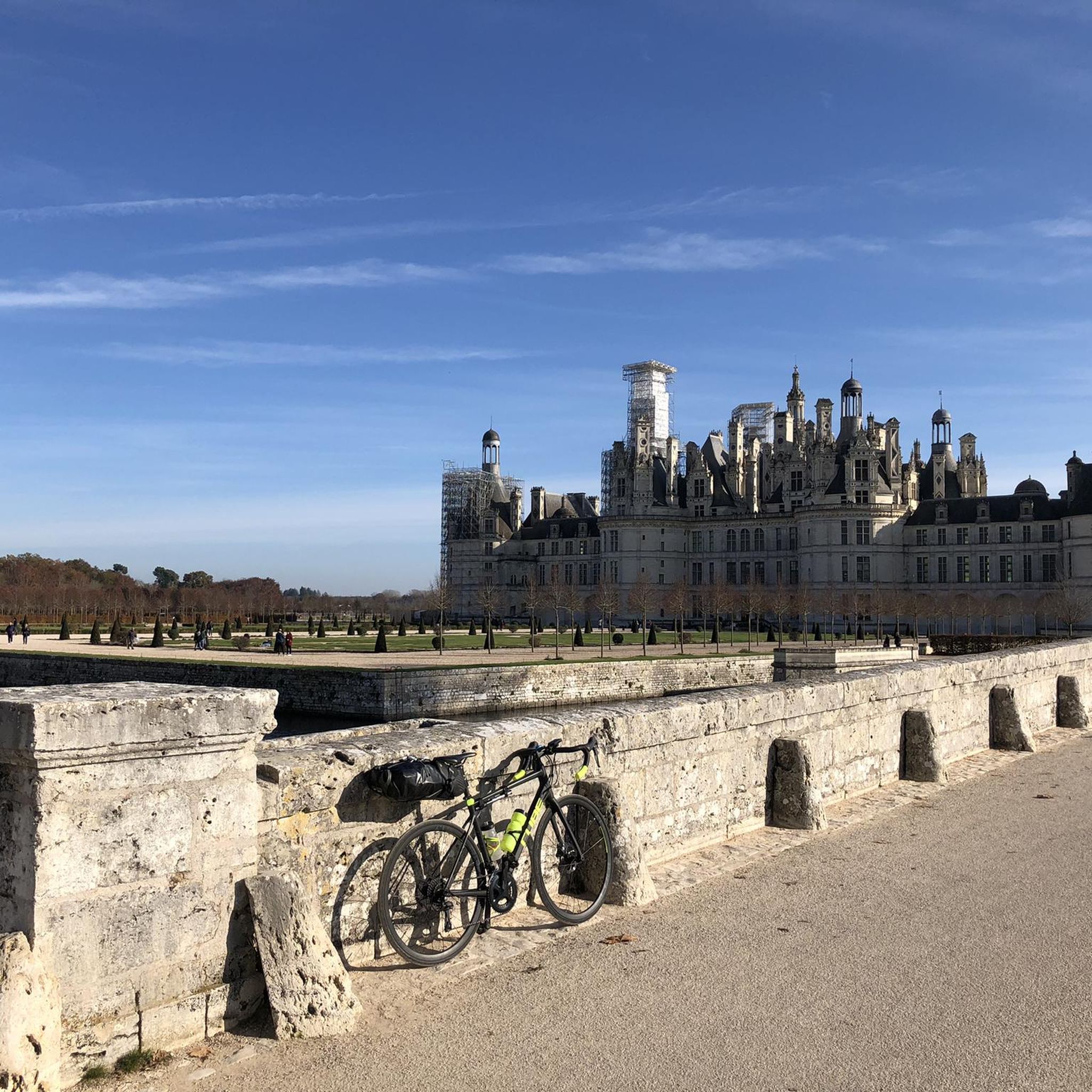
The commune itself is home to the historic Église Sainte-Madeleine, dating back to the 16th century, with notable 17th-century tombs and artworks. Additionally, a Pont de style gallo-romain (Gallo-Roman style bridge) can be found along the Sixtre river. Nearby, you can explore the Renaissance architecture of Talcy Castle, or the ancient Église Saint Sulpice with its 12th-century bell tower. Other significant castles in the wider Loire Valley, such as Château de Chambord and Royal Château de Blois, are also within a reasonable driving distance.
Are there any unique architectural landmarks to see?
Yes, beyond the castles and churches, you can visit the Talcy Windmill. This 18th-century windmill features a distinctive design with a stone base and a rotating wooden cabin, known as a Hucherolle. Another similar structure is simply called Windmill, also from the 18th century, offering a rare design to observe.
What natural features characterize the area around La Madeleine-Villefrouin?
La Madeleine-Villefrouin is situated in the Beauce agricultural region, known for its extensive fields of cereal crops, oilseeds, and sugar beet. The commune is also drained by the Sixtre River, which flows through the area for nearly 20 km, along with various smaller waterways, contributing to the tranquil rural landscape.
What outdoor activities, like hiking, can I do near La Madeleine-Villefrouin?
The region offers several hiking opportunities. You can find routes like the 'Château de Talcy' hike, the 'Two Churches Circuit from Rhodon', or the 'Moulin à Vent — loop from Oucques-la-Nouvelle'. For more options and detailed routes, explore the Hiking around La Madeleine-Villefrouin guide.
Are there cycling routes available in the Beauce region?
Yes, the flat terrain of the Beauce region is suitable for road cycling. You can find routes such as the 'Chambord Castle – Chambord Castle loop from Concriers' or the 'Montigny Castle loop from Saint-Léonard-en-Beauce'. For a comprehensive list of routes, check the Road Cycling Routes around La Madeleine-Villefrouin guide.
What running trails are there near La Madeleine-Villefrouin?
Runners can enjoy several trails, including the 'Talcy Castle – Talcy Windmill loop from Talcy' or a shorter 'Running loop from La Madeleine-Villefrouin'. These routes offer a chance to experience the rural scenery. More running options are available in the Running Trails around La Madeleine-Villefrouin guide.
What do visitors enjoy most about the attractions in this area?
Visitors appreciate the blend of historical architecture and the tranquil, secluded atmosphere. For instance, Talcy Castle is noted for its beautiful, quiet setting and its connection to historical figures like poet Pierre de Ronsard. The unique design of the windmills also fascinates many.
Are there family-friendly attractions or activities?
Many of the historical sites, such as Talcy Castle and the Talcy Windmill, are considered family-friendly, offering opportunities for walks and learning about local history and architecture. The open agricultural landscapes also provide a peaceful environment for outdoor family strolls.
When is the best time to visit the châteaux and attractions in the Loir-et-Cher department?
The spring and autumn months generally offer pleasant weather for exploring the châteaux and outdoor attractions, with fewer crowds than the peak summer season. The Loire Valley is particularly beautiful during these times, with blooming gardens in spring and vibrant foliage in autumn. Summer also provides good weather, but attractions can be busier.
Where can I find local markets near La Madeleine-Villefrouin?
Several nearby towns host weekly markets where you can experience local life and find fresh produce. These include Marchenoir (Tuesdays, 6km away), Oucques (Wednesdays, 9km away), Mer (Mondays, 10km away), and the larger town of Blois (various days, 21km away).
Is there public transport available to reach attractions like Talcy Castle?
While La Madeleine-Villefrouin is a small rural commune, public transport options to specific attractions like Talcy Castle may be limited. It is generally recommended to have a car for convenient access to the various châteaux and sites in the Loir-et-Cher department, especially given the spread-out nature of the attractions.
Most popular routes around La Madeleine-Villefrouin

Get inspired with the komoot mobile app


Explore more
Still not found the Highlight you’re looking for? See guides of the top attractions in other regions:
