Attractions and Places To See around Rubercy - Top 20
Attractions and places to see around Rubercy are situated within the Marais du Bessin, characterized by its tranquil, green landscapes. This region provides access to significant historical and natural sites. Its strategic location offers proximity to the D-Day Landing Beaches and other cultural landmarks in Normandy.
Best attractions and places to see around Rubercy
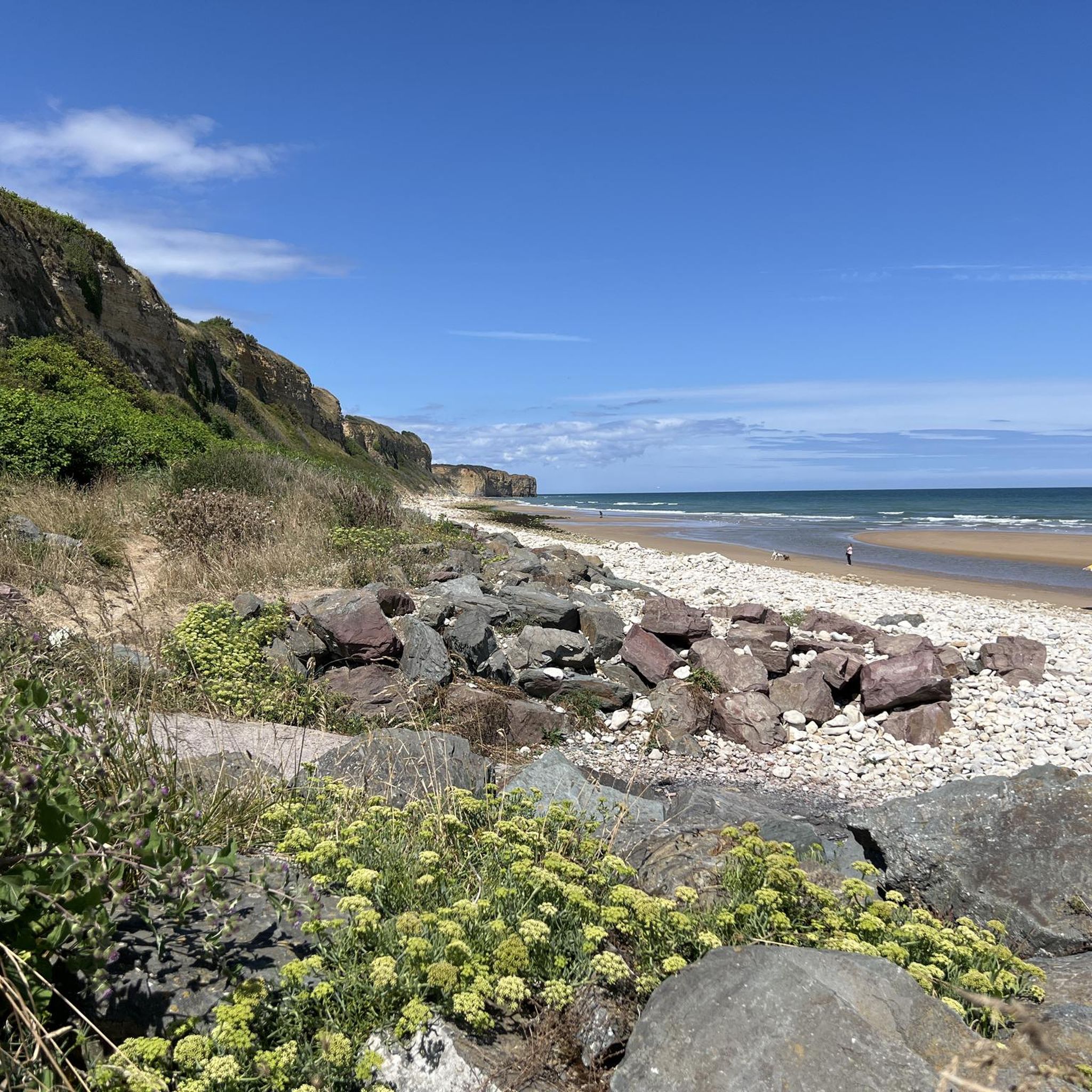
- The most popular attractions is Seine Bay, a lake that offers hiking possibilities. This stretch of beach holds historical significance.
- Another must-see spot is Port-en-Bessin-Huppain Harbour, a settlement known for its fishing activity and distinctive architecture. This coastal village has origins dating back to the Bronze Age.
- Visitors also love Omaha Beach Memorial Monuments, a man-made monument. These monuments serve as a reminder of the events of 1944.
- Rubercy is known for its historical sites, natural features, and coastal villages. The area offers a variety of attractions to see and explore, from D-Day landmarks to marshlands and forests.
- The attractions around Rubercy are appreciated by the komoot community, with more than 400 upvotes and over 200 photos shared.
Last updated: October 9, 2026
Port-en-Bessin-Huppain Harbour
Highlight • Settlement
Translated by Google •
Tip by

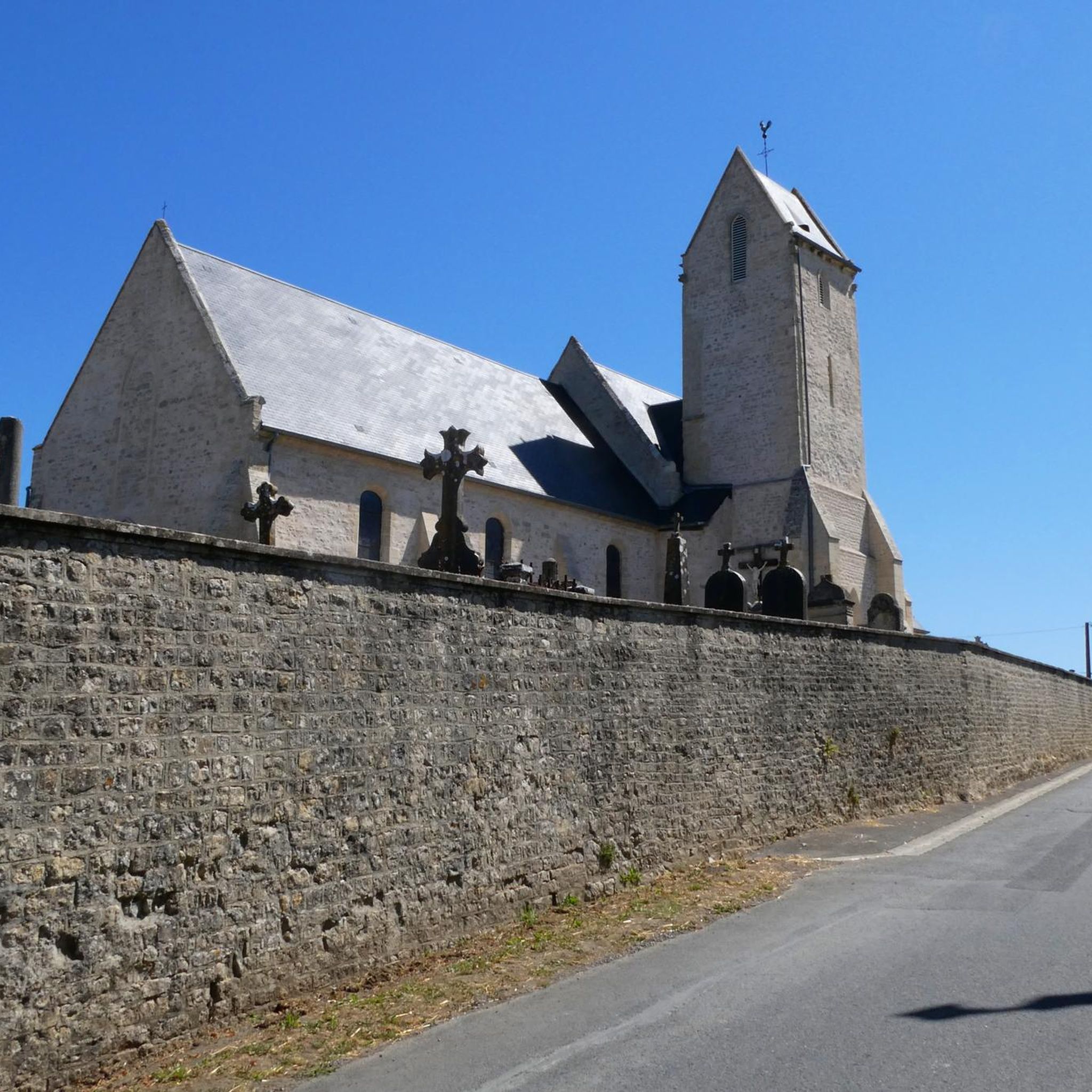
Saint-Siméon Chapel (ruins), Omaha Beach
Highlight • Religious Site
Limestone building was built in the 13th or 14th century. It was rebuilt in the 19th century.
The chapel is mentioned in the book Pelut de Bayeux under the name
from “capella sancti simeones”.
The chapel was a place of pilgrimage until it was damaged during the landings in June 1944. Below, on the cliffside, the Saint-Siméon fountain has no longer been accessible since 1960. Until the Second World War, the faithful came to the chapel to implore Saint Simeon for healing from “fevers”: malaria called “trembling fever”, Malta fever, etc. The sick went to drink the water from the fountain, or even soaked their cloths in it. We also bathed rickety children there. The statue of Saint Simeon is preserved today.
in the church of Sainte-Honorine-des-Pertes and continues to be the object of practices
of pilgrimage.
Translated by Google •
Tip by
Sign up now to discover places like this
Get recommendations on the best single tracks, peaks, & plenty of other exciting outdoor places.
Seine Bay
Highlight • Lake
Translated by Google •
Tip by

Omaha Beach Memorial Monuments
Highlight • Monument
Translated by Google •
Tip by

Monument to the 5th Engineer Special Brigade
Highlight • Other
The monument of the 5th Engineer Special Brigade honors the US Combat Engineers who fought during the Normandy landings on June 6, 1944. It stands on the site of a former German strongpoint and consists of a concrete base with granite and bronze plaques, which specifically honor the subunits of the brigade – including the 299th Engineer Combat Battalion. The 5th Engineer Special Brigade was responsible for the Omaha Beach sector. Their main tasks included clearing mines and obstacles, creating lanes for vehicles, rescuing the wounded, and supporting the infantry during the landings. Despite heavy shelling, the brigade succeeded in securing the landing zones, thereby enabling the supply and movement of Allied troops. The monument commemorates their courage and sacrifices.
Showing Translation
Tip by
Sign up for free to discover even more attractions around Rubercy.
Already have an account?
Start today with a free account
Your next adventure awaits.


Tips from the Community

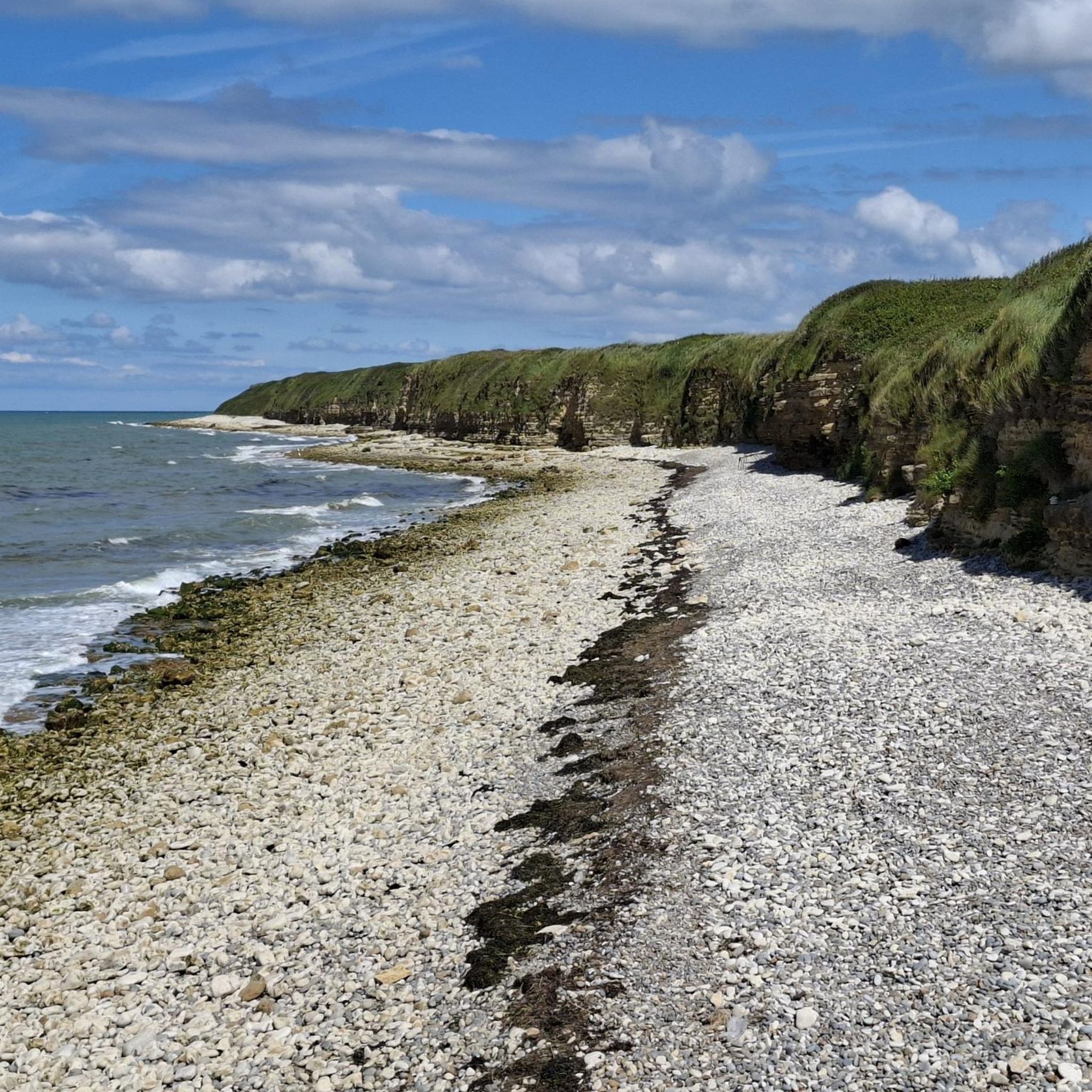
It is not nature – the transition from the mainland to the Atlantic – that is decisive in these beach sections, but rather their role in world history in 1944. Since this month, they have been part of the world heritage. The German UNESCO Commission briefly introduces them with the following words: „The beaches of the Allied landings in Normandy represent a turning point in the Second World War. Here, on June 6, 1944, a new front was opened against Nazi Germany. The site commemorates the great human sacrifices for the liberation of Europe and the close military, logistical, and political cooperation of the Allies. As a place of remembrance, the coast remains inextricably linked to this day with one of the most consequential events of the 20th century, marking the beginning of the end of the war in Western Europe. The World Heritage site encompasses the five landing beaches Utah, Omaha, Gold, Juno, and Sword Beach, as well as the cliff of Pointe du Hoc.“
0
0

The Monument to the 5th Engineer Special Brigade is located on top of a former German fortified position (bunker WN62) in Colleville-sur-Mer, overlooking Omaha Beach. It honors the crucial role of combat engineers who landed on June 6, 1944, under enemy fire to clear mines, demolish obstacles, and create transit routes.
2
0

Omaha Beach in Normandy features several important memorial monuments commemorating the Allied landings on June 6, 1944 (D-Day) and the casualties of World War II: Omaha Beach Memorial This memorial in Colleville-sur-Mer honors the soldiers of the 1st U.S. Infantry Division and other units who fought and lost their lives during the landings. It includes memorial plaques, flagpoles, and commemorative stones and offers direct views of the beach and the sea. American Normandy Cemetery & Memorial Directly above the beach lies the largest American military cemetery in Europe, where 9,388 U.S. soldiers are buried. At its center is the bronze statue "Spirit of American Youth Rising from the Waves," and the Wall of the Missing commemorates 1,557 missing soldiers. The visitor center provides information about the landings and Operation Overlord. Charles N. Shay Memorial This memorial in the dunes near Omaha Beach commemorates Charles Norman Shay, a Penobscot Indian and D-Day medic, as well as the approximately 175 Native American soldiers who participated in the landing. The memorial includes a bronze bust, a turtle sculpture, and flagpoles of the United States, France, and the Penobscot Nation. Les Braves A modern steel sculpture located directly on the beach, consisting of three elements: "The Wings of Hope," "Rise, Freedom!", and "The Wings of Fraternity." They symbolize hope, freedom, and the brotherhood of nations. Signal Monument (Stone Blocks) Erected in 1956 in Vierville-sur-Mer, this memorial consists of stone blocks on a raised platform overlooking the beach. It commemorates the Allied landings on Omaha Beach and was donated by the city of Bedford, Virginia, which suffered the highest per capita casualties on D-Day. The monument bears the inscription: “The Allied forces landing on this shore which they call Omaha Beach liberated Europe on June 6, 1944.”
12
0
The Omaha Beach Memorial commemorates the soldiers of the 1st U.S. Infantry Division and other units who fought and lost their lives during the landing on Omaha Beach on June 6, 1944. The memorial includes plaques, flagpoles, and commemorative stones commemorating the various units involved and offers direct views of the beach and ocean where the decisive landings took place.
17
0
GPS coordinates: N 49° 21.616, W 0° 50.876 The monument of the 5th Engineer Special Brigade honors the US Combat Engineers who fought during the Normandy landings on June 6, 1944. It stands on the site of a former German strongpoint and consists of a concrete base with granite and bronze plaques, which specifically honor the subunits of the brigade – including the 299th Engineer Combat Battalion. The 5th Engineer Special Brigade was responsible for the Omaha Beach sector. Their main tasks included clearing mines and obstacles, creating lanes for vehicles, rescuing the wounded, and supporting the infantry during the landings. Despite heavy shelling, the brigade succeeded in securing the landing zones, thereby enabling the supply and movement of Allied troops. The monument commemorates their courage and sacrifices.
22
0

How many people lost their lives here. Here, history comes alive.
2
0

The memorial was created by French artist Anilore Banon and consists of three symbolic elements: "The Wings of Hope": These are intended to remind us that the spirit that carried the men on June 6, 1944, should continue to inspire us. "Rise, Freedom!": This element symbolizes the courage of the soldiers who rose up against tyranny. "The Wings of Fraternity": These represent solidarity and a sense of unity between nations.
5
0
When you walk along the beach today... you are horrified to think that so many soldiers/people lost their lives here.
4
0
Frequently Asked Questions
What historical sites related to D-Day can I visit near Rubercy?
Rubercy is strategically located near several significant D-Day sites. You can visit Omaha Beach Memorial Monuments, which serve as a powerful reminder of the 1944 events. Nearby, the Saint-Siméon Chapel (ruins), also on Omaha Beach, holds historical significance, having been damaged during the landings. Additionally, the Monument to the 5th Engineer Special Brigade honors the crucial role of US combat engineers. Further afield, explore Arromanches, famous for its Mulberry Harbour, or the Longues-sur-Mer Battery.
Are there any charming coastal villages or harbors to explore?
Absolutely. Just a short distance away, you'll find Port-en-Bessin-Huppain Harbour. This coastal village, with origins dating back to the Bronze Age, is renowned for its active fishing industry, ship repair yards, and distinctive architecture. It's a bustling and picturesque harbor town.
What natural features and landscapes characterize the area around Rubercy?
Rubercy is nestled within the Marais du Bessin, offering tranquil, green, and picturesque marshland landscapes. You can also explore the nearby Seine Bay, which provides hiking possibilities and holds historical significance. For peaceful walks, the Forêt de Cerisy is about 11 km away, and the Baie des Veys offers another natural bay experience.
What are the best options for outdoor activities like cycling or running near Rubercy?
The region around Rubercy is excellent for outdoor activities. For running, you can find various trails, including a 5 km loop from Rubercy itself, or longer routes like the 17 km Etang du Titre loop from Le Molay-Littry. Cyclists can enjoy a wide range of routes, from easy coastal rides to more challenging routes like the 107 km Omaha Beach Memorial – Overlord Museum loop. You can find more details on these activities at Running Trails around Rubercy, MTB Trails around Rubercy, and Road Cycling Routes around Rubercy.
Are there any family-friendly attractions in the area?
Yes, several attractions cater to families. The Omaha Beach Memorial Monuments are suitable for families, offering an educational experience about history. The Arromanches D-Day Museum and Arromanches 360 are also engaging for all ages. Additionally, the general appeal of the coastal villages and natural areas like the Forêt de Cerisy provides opportunities for family outings.
What cultural landmarks can I visit beyond the D-Day sites?
Beyond the D-Day history, the region offers rich cultural landmarks. Bayeux, approximately 13 km east, is home to the world-renowned Bayeux Tapestry and the impressive Cathédrale Notre-Dame de Bayeux. You could also visit the medieval Château de Creully or the historic city of Caen, which features a castle and two abbeys.
What do visitors particularly enjoy about the attractions near Rubercy?
Visitors often express deep appreciation for the historical significance of sites like Omaha Beach Memorial Monuments, finding them both artistic and a powerful reminder of past events. The tranquil beauty and hiking possibilities of areas like Seine Bay are also highly valued. The unique charm and maritime activity of Port-en-Bessin-Huppain Harbour also receive positive feedback for its picturesque setting and local character.
Are there any unique experiences or guided tours available?
For a unique historical perspective, you can join guided 4x4 Dodge Tours. These tours allow you to explore the footsteps of the 101st Airborne Division and the 9th Air Force, offering an immersive way to experience the D-Day history of the region.
Where can I find local markets near Rubercy?
Several nearby towns host vibrant markets. You can visit Le Molay-Littry on Thursdays, or Bayeux and Isigny-sur-Mer on Wednesdays and Saturdays. These markets are great places to experience local culture and find regional products.
What is the best time of year to visit Rubercy for outdoor activities?
The region's bucolic landscapes and green meadows are enjoyable throughout much of the year. For outdoor activities like cycling, running, and walking, spring and early autumn generally offer pleasant weather with milder temperatures and less rain, making them ideal for exploring the natural features and historical sites.
Are there any significant religious or architectural sites in the vicinity?
Yes, the region boasts notable religious and architectural sites. The Saint-Siméon Chapel (ruins) near Omaha Beach, dating back to the 13th or 14th century, is a historical religious site. Further afield, the Cathédrale Notre-Dame de Bayeux is an imposing structure, and the Abbaye de Cerisy-la-Forêt is an important example of Romanesque architecture.
Most popular routes around Rubercy

Get inspired with the komoot mobile app


Explore more
Still not found the Highlight you’re looking for? See guides of the top attractions in other regions:
