Attractions and Places To See around Planguenoual - Top 20
Attractions and places to see around Planguenoual, a delegated commune within Lamballe-Armor, offer a blend of natural beauty and historical sites in Côtes-d'Armor, Brittany. The region features a coastline characterized by cliffs and coastal heathland, forming part of the Saint-Brieuc Bay Natural Reserve. This area is known for its diverse fauna and flora, including a significant migratory bird habitat, and the Bay of Saint-Brieuc has one of the world's largest tidal ranges. Visitors can explore historical landmarks and enjoy the…
Last updated: August 16, 2026
Ponts-Neufs Viaduct
Highlight (Segment) • Bridge
The eight arches of the …
Translated by Google •
Tip by

Dahouët Harbour
Highlight • Settlement
Translated by Google •
Tip by

Sign up now to discover places like this
Get recommendations on the best single tracks, peaks, & plenty of other exciting outdoor places.
Sign up for free
Caroual Viaduct
Highlight • Bridge
Translated by Google •
Tip by
Great Blue Lake
Highlight • Lake
Translated by Google •
Tip by

Saint-Brieuc Bay Visitor Centre
Highlight • Rest Area
Translated by Google •
Tip by

Sign up for free to discover even more attractions around Planguenoual.
Sign up for free
Already have an account?
Start today with a free account
Your next adventure awaits.
Login or Signup
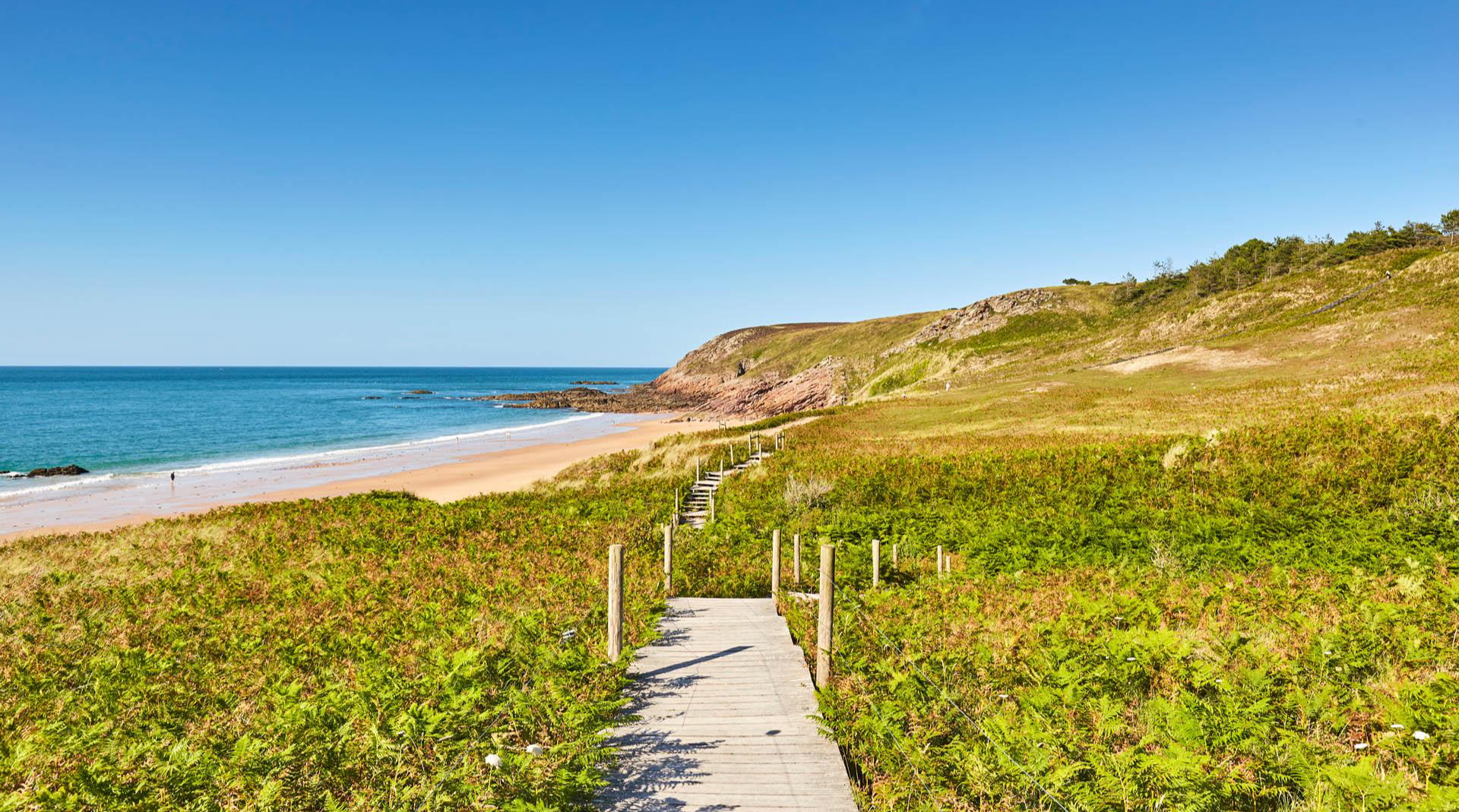
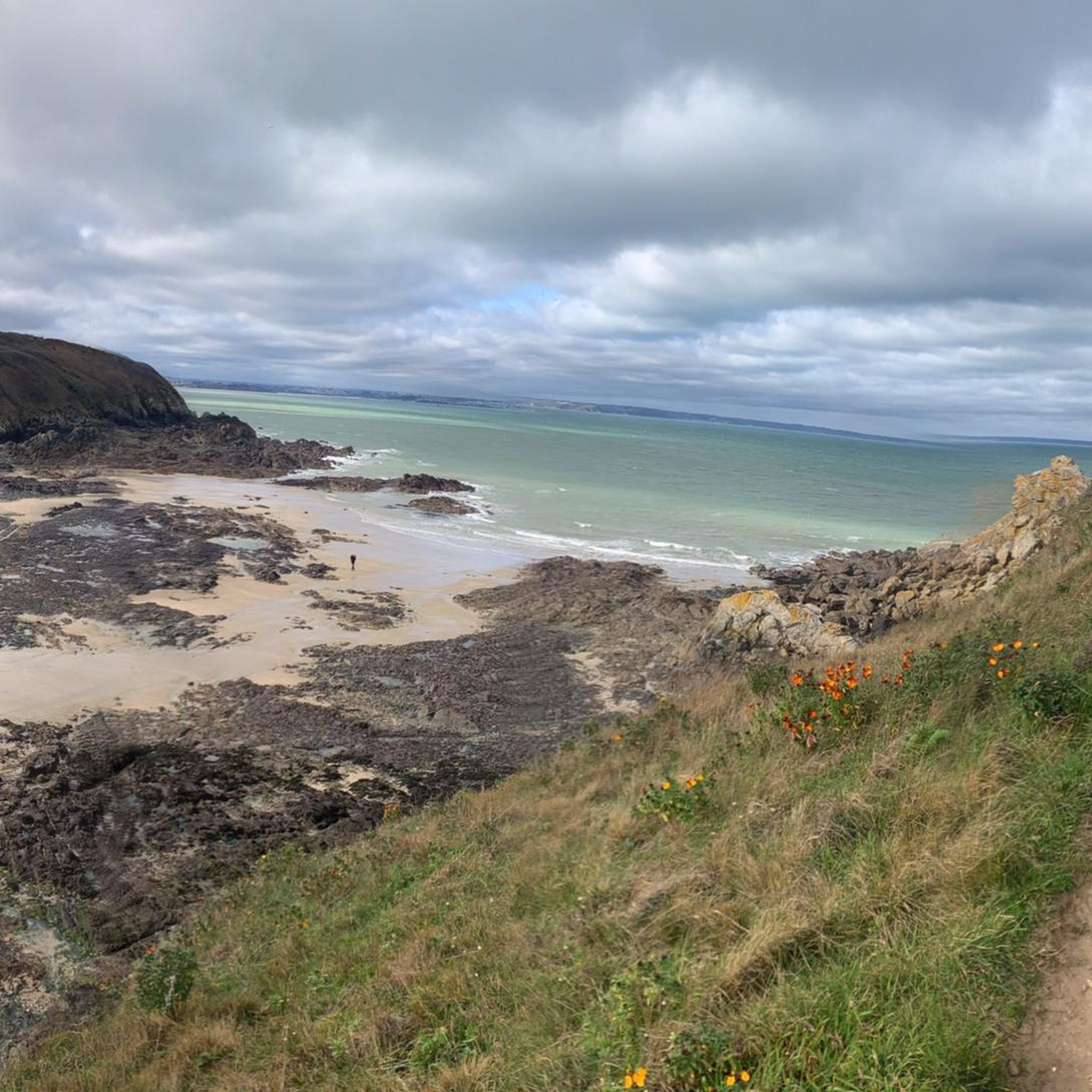
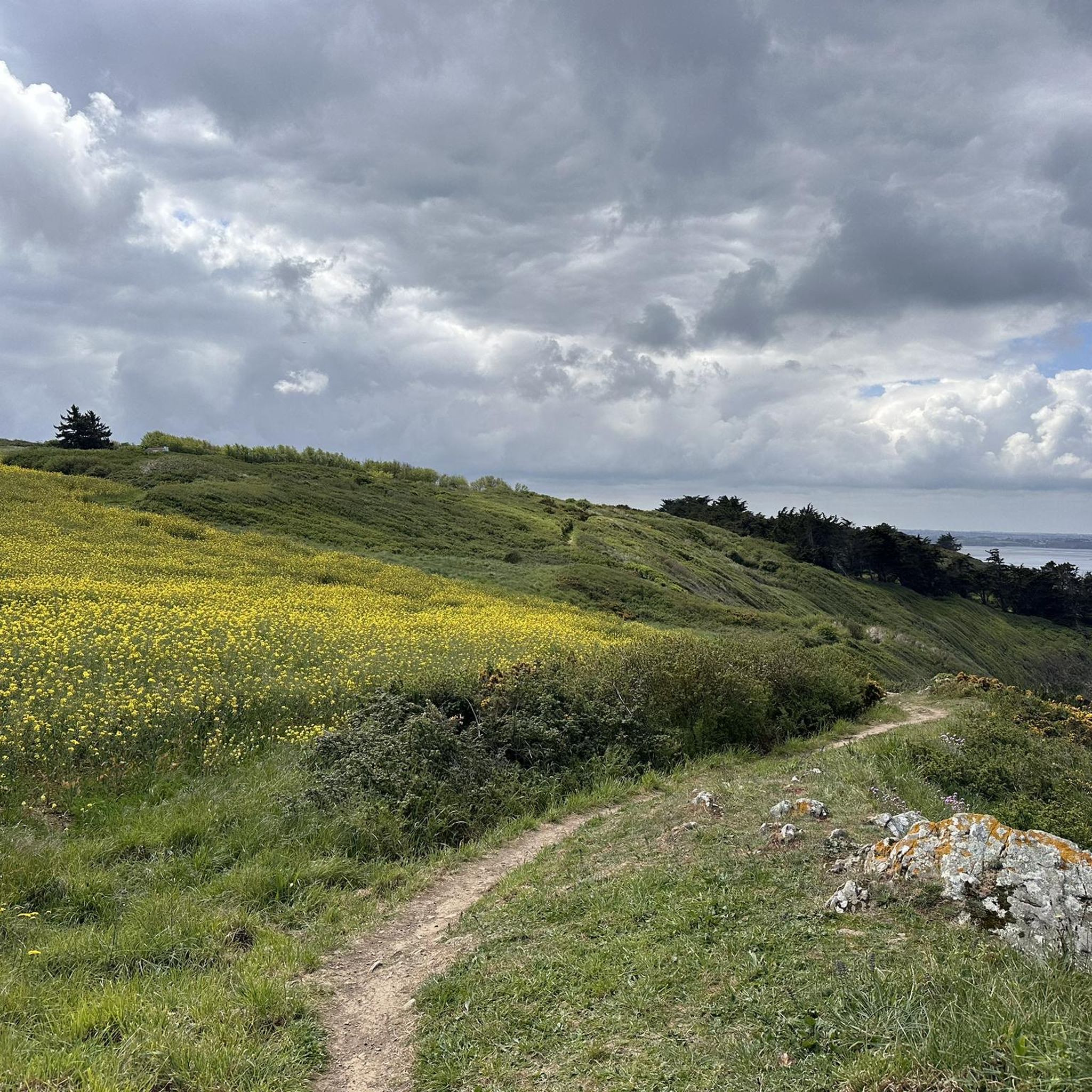
Other adventures around Planguenoual

Tips from the Community

Our starting point. The house was unfortunately closed.
0
0

small passage with a nice view, and on a car-free road
0
0

great for a short break
1
0

impressive what an incredibly tall building.
0
0

Here, the cliffs have changed dramatically. For over a century, pink sandstone was extracted here to pave the streets of major cities. Today, the old quarries have given way to these blue lakes.
0
0

Difficulty finding the start of the hike, so we chose the bay house.
0
0

The Viaduct des Ponts-Neufs is an impressive historical structure in Hillion. The viaduct was built between 1913 and 1914 by Louis Auguste Harel de La Noë for the Chemins de Fer des Côtes-du-Nord. It is an arch bridge that spans the Gouessant Valley and offers a magnificent view of the waterfalls below. The viaduct is 27 metres high and 237 metres long, including a pedestrian walkway.
1
0
Frequently Asked Questions
What natural features can I explore around Planguenoual?
Planguenoual's coastline is known for its impressive cliffs and coastal heathland, offering exceptional viewpoints over the Bay of Saint-Brieuc. The intertidal zone is part of the Saint-Brieuc Bay Natural Reserve, a significant habitat for migratory birds. You can learn more about this at the Saint-Brieuc Bay Visitor Centre. Don't miss the panoramic views from Three Stones Point, where you can also observe unique layered rock formations.
Are there historical sites to visit in the area?
Yes, the region is rich in history. You can visit the Ponts-Neufs Viaduct, an impressive arch bridge from 1913, now accessible for walking and cycling. Another historical bridge is the Caroual Viaduct, built between 1913 and 1916. The Dahouët Harbour is a 19th-century tidal port with an oratory and historic shipowners' houses. Further inland, you can find the 16th-century Pigeonnier du Vaujoyeux, a classified Historic Monument, and the 15th-century Domain du Val castle.
What kind of outdoor activities can I do near Planguenoual's attractions?
The area around Planguenoual is excellent for outdoor activities. For hiking, you can explore routes like 'Planguenoual: a stroll along the seafront' or the 'Cotentin Beach – Muette Lighthouse loop'. Cyclists can enjoy routes such as the 'Ponts-Neufs Viaduct – Douvenant Viaduct loop' or the 'Dahouët Harbour – Plage du Val-André loop'. Find more details and routes on the Hiking around Planguenoual and Cycling around Planguenoual guide pages.
Are there family-friendly attractions or activities?
Many attractions in the area are suitable for families. The Ponts-Neufs Viaduct and Caroual Viaduct are great for walks and cycling with children. The Saint-Brieuc Bay Visitor Centre offers interactive exhibits about local nature, which can be engaging for all ages. The nearby seaside resort of Le Val-André (7 km away) is also known for being family-friendly.
What is the best time of year to visit Planguenoual?
The best time to visit Planguenoual is generally during the warmer months, from spring to early autumn (April to October), when the weather is pleasant for exploring the coastal paths, historical sites, and enjoying outdoor activities. The Bay of Saint-Brieuc is particularly notable in winter for its large numbers of migratory birds, making it a unique time for birdwatching enthusiasts.
Where can I find scenic viewpoints in Planguenoual?
For breathtaking views, head to Three Stones Point, which offers a stunning panoramic vista of the ocean and unique rock formations. The coastal cliffs from Pointe de Longue Roche to the Ermeleux rocks also provide exceptional viewpoints over the Bay of Saint-Brieuc. The Saint-Brieuc Bay Visitor Centre also has a beautiful viewpoint overlooking the bay.
What are some unique historical landmarks beyond the main attractions?
Beyond the viaducts and harbor, you can discover the 16th-century Pigeonnier du Vaujoyeux, a dovecote classified as a Historic Monument. The Église Saint-Pierre-et-Saint-Paul, built in 1903, houses restored 18th-century statues. The Chapelle Saint-Marc and Chapelle Sainte-Barbe also contain significant historical religious art. You can also find WWII defensive walls at Port Morvan beach and the Cross of Val-Bouan, erected in 1892.
Are there any specific places for birdwatching or nature observation?
Absolutely. The intertidal zone of the Planguenoual coastline is part of the Saint-Brieuc Bay Natural Reserve, which is a crucial habitat for diverse fauna and flora, including up to 40,000 migratory birds in winter. The Saint-Brieuc Bay Visitor Centre is the ideal place to learn about this rich natural heritage and participate in nature outings.
What nearby towns are worth visiting from Planguenoual?
Several charming towns are easily accessible. Le Val-André (7 km) is a family-friendly seaside resort, while Erquy (14 km) is known for its sandy beaches and Cap d'Erquy viewpoint. Saint-Brieuc (14 km) offers a cathedral and a historic center. For a medieval experience, visit Moncontour (20 km) with its half-timbered houses. Binic (20 km) is another seaside resort with an attractive harbor.
What do visitors enjoy most about the attractions around Planguenoual?
Visitors frequently praise the stunning panoramic views, especially from coastal points like Three Stones Point. The historical significance and architectural beauty of structures like the Ponts-Neufs Viaduct and Dahouët Harbour are also highly appreciated. Many enjoy the opportunity to walk and cycle across the old viaducts and explore the natural reserves, often highlighting the diverse birdlife and the dramatic tidal range of the Bay of Saint-Brieuc.
Can I find easy walking routes near Planguenoual?
Yes, there are several easy walking options. The Ponts-Neufs Viaduct is accessible for walking and cycling, offering pleasant views. Many coastal paths provide relatively flat sections suitable for leisurely strolls. For specific routes, you can check the Hiking around Planguenoual guide, which includes moderate options like 'Planguenoual: a stroll along the seafront'.
Are there any specific places to learn about local heritage or culture?
The Dahouët Harbour features exhibitions on the history of deep-sea fishing, particularly related to Newfoundland and Iceland. The Saint-Brieuc Bay Visitor Centre offers insights into the region's natural heritage. Additionally, the Haras National de Lamballe (National Stud Farm) is a significant point of interest for those curious about the Breton draft horse and local equestrian traditions.
Most popular routes around Planguenoual
Most popular attractions around Planguenoual

Get inspired with the komoot mobile app


Explore more
Still not found the Highlight you’re looking for? See guides of the top attractions in other regions:
