Attractions and Places To See around Souvigny-En-Sologne - Top 7
Attractions and places to see around Souvigny-En-Sologne include historical sites and natural landscapes within the Loir-et-Cher department of France. This village is situated in the Sologne region, known for its forests, ponds, and walking trails. Visitors can explore a blend of cultural heritage and natural beauty, with opportunities for hiking and cycling. The area offers varied Sologne scenery, including forests, prairies, and the Canal de la Sauldre.
Best attractions and places to see around Souvigny-En-Sologne
- The most popular attractions is…
Last updated: July 13, 2026
Saint Martin's Church
Highlight • Other
Translated by Google •
Tip by

Paved bike path alongside the Sauldre Canal
Highlight (Segment) • Other
Translated by Google •
Tip by

Sign up now to discover places like this
Get recommendations on the best single tracks, peaks, & plenty of other exciting outdoor places.
Sign up for free
Saint Jean Baptiste Church
Highlight • Other
Translated by Google •
Tip by
Église Saint Martin
Highlight • Other
Translated by Google •
Tip by
Saint Martin's Church
Highlight • Other
The statue of Sainte-Montaine, patron saint of Sologne, is kept there.
Translated by Google •
Tip by

Sign up for free to discover even more attractions around Souvigny-En-Sologne.
Sign up for free
Already have an account?
Start today with a free account
Your next adventure awaits.
Login or Signup


Tips from the Community

The original church certainly predates the year 1000, not in its current form, but already in its design as a fortified church. The chancel was built in 1667. The church includes a large, square, keep-like tower, indicating a 12th-century origin. In 1881 and 1887, two chapels forming a transept were added at the end of the nave and in front of the chancel. The north chapel, dedicated to the Virgin Mary, was built in 1884/1885. The south chapel, dedicated to the Sacred Heart of Jesus, was financed in 1887/1888. Modern stained-glass windows, the one in the apse from the Dideron workshop and the others from the Lobin workshop in Tours, adorn several of the windows. All of these stained-glass windows were donated by prominent families of Nouan. Upon entering the nave, the first stained-glass windows are the work of Auguste Labouret, a renowned Parisian glassmaker and mosaicist. In the tower, above the entrance portal, is a 1930 stained-glass window depicting Our Lady of Mount Carmel (this is a listed work, included in the supplementary inventory of works of art). Then come the first two stained-glass windows, one on each side of the nave, one representing St. Anthony of Padua preaching to the fish, the other St. Thérèse of the Child Jesus entering the Garden of Carmel.
0
0
Nestled in the heart of the peaceful Sologne countryside, the church of Souvigny-en-Sologne, a testament to the region's millennia-old history, is an architectural gem dating back to the 12th century. Built under the aegis of Guillaume de Bussy, Bishop of Orléans, it has survived the ages, preserving its charm and mystery over the centuries. Shrouded in legend and imbued with spirituality, this church contains artistic and religious treasures that captivate the imagination of visitors. Perched in the heart of Souvigny, an architectural treasure awaits visitors eager for historical and artistic discoveries: the church of Souvigny. Its aura of beauty has earned it official recognition as a Historic Monument since 1979, adding a touch of prestige to its timeless charm. This medieval gem gradually reveals itself to those who venture outside. Upon entering its gate, visitors are greeted by the majesty of its 12th-century nave, adorned with a semicircular arch that seems to invite further exploration. Its red and black brick walls form diamond patterns, adding a touch of elegance to its architecture. But it is the 16th-century choir that truly captures the attention, with its three-sided apse, testifying to the artistic refinement of the period. The molded pointed windows let light filter through, creating an atmosphere of mystery and serenity inside. Outside, the 16th-century timber-framed porch stands elegantly, enveloping the west and south facades of the nave in a remarkable architectural embrace. Also known as the promenade or the caquetoire, this porch offers a welcome pause to contemplate the surrounding beauty. The joists that compose it bear witness to the expertise of the craftsmen of yesteryear, captivating the admiration of visitors. The roof, crowning this architectural marvel, is a spectacle in itself, covered with tiles and supported by low posts and a balustrade with crossed timbers in an X shape, adding a touch of character to the ensemble. Finally, the gaze rises to the slate spire overlooking the church, a work of art in its own right. While access to this marvel was once reserved for the bravest, today its charm remains accessible to all those who wish to delve into the fascinating history of Souvigny.
0
0
"A very old church; two buttresses would allow us to date it to the 11th century," we learn. "Rebuilt in the 13th century, damaged during the Hundred Years' War, it was rebuilt again in the 16th century before being burned down during the Wars of Religion and then looted during the Revolution. Its last restoration dates back to 2014."
0
0

Stone church from the 15th-16th century, typically Solognote and built with a "caquetoire" where the faithful used to discuss. The statue of Sainte-Montaine, patron saint of Sologne, is kept there.
0
0

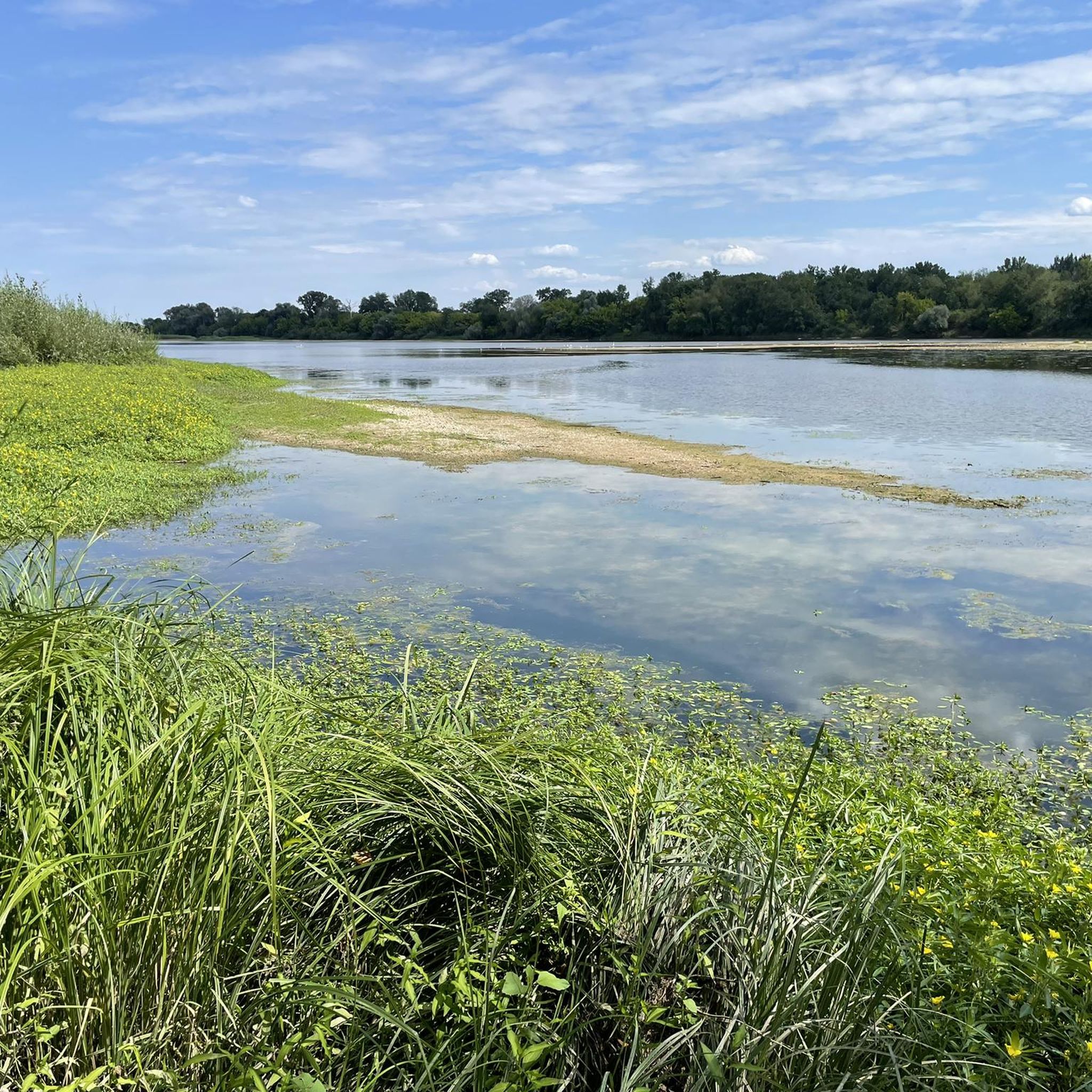
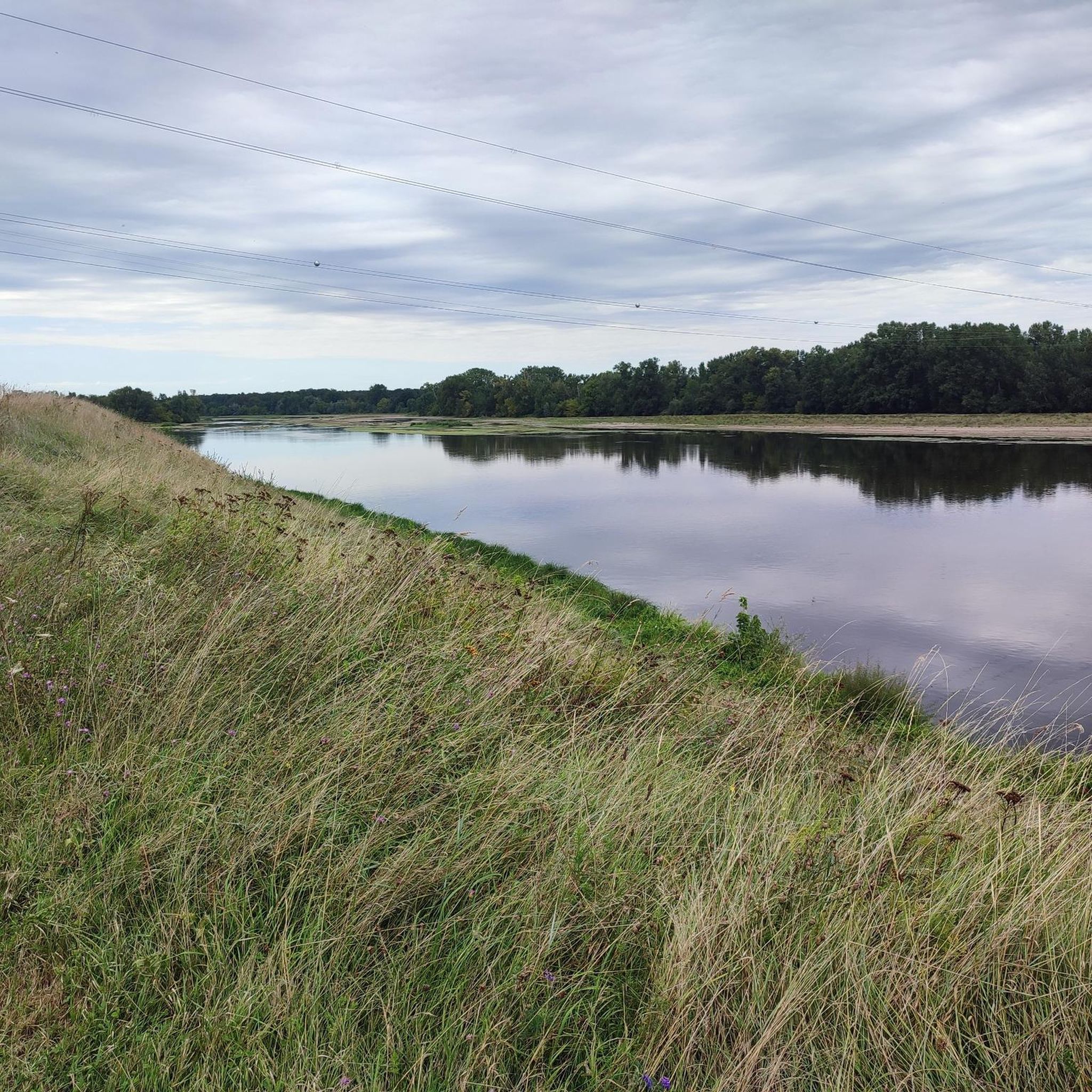
The water in individual lock sections is probably not always there. But the path is super paved and wide enough for 2 cyclists 👍🏻
1
0
Frequently Asked Questions
What historical sites can I visit in Souvigny-en-Sologne?
Souvigny-en-Sologne is rich in historical architecture, particularly its churches. The most notable is Saint Martin's Church, an architectural gem dating back to the 12th century, recognized as a Historic Monument. It features a unique 'caquetoire' porch and 16th-century choir. Another significant site is Saint Jean Baptiste Church, which has origins potentially dating back to the 11th century and has undergone several reconstructions.
Are there any unique architectural features to look out for in the local churches?
Yes, Saint Martin's Church is particularly known for its distinctive 'caquetoire' (a large, sheltered porch) and its 12th-century nave with striking red and black brick walls forming diamond patterns. The 16th-century choir with a three-sided apse is also a notable feature.
What natural attractions are there around Souvigny-en-Sologne?
The region is nestled within the Sologne, an area renowned for its natural and wild landscapes. You can explore the Paved bike path alongside the Sauldre Canal, offering scenic views. The Forêt Domaniale de Lamotte-Beuvron is ideal for walks and picnics, and the area is characterized by numerous ponds and lakes, providing tranquil spots for relaxation.
What outdoor activities can I do near Souvigny-en-Sologne?
The natural landscapes around Souvigny-en-Sologne offer numerous opportunities for outdoor activities. You can find many routes for hiking, cycling, and mountain biking. For example, there are moderate hiking trails like the 'Loop 5: Sologne Detour' and various MTB trails, including loops around Saint Martin's Church.
Are there cycling paths suitable for exploring the area?
Absolutely. The region is well-suited for cycling, with routes that showcase varied Sologne scenery. A notable option is the Paved bike path alongside the Sauldre Canal, which is wide and well-maintained. You can also find several MTB trails and general cycling paths through forests, plains, and around ponds.
What kind of hiking trails are available around Souvigny-en-Sologne?
You'll find a variety of hiking trails, ranging from easy to moderate difficulty. Many routes take you through forests, prairies, and around the region's characteristic ponds. Examples include the 'Loop 5: Sologne Detour' and trails around Étang des Bâtes and Étang des Gâts. You can explore more options on the hiking guide for Souvigny-en-Sologne.
What is the 'caquetoire' associated with Saint Martin's Church?
The 'caquetoire' is a large, sheltered porch found at Saint Martin's Church. It's a unique architectural feature where, historically, the faithful would gather and converse. This timber-framed porch elegantly envelops the west and south facades of the nave, showcasing the craftsmanship of yesteryear.
Are there any annual events or fairs in Souvigny-en-Sologne?
Yes, Souvigny-en-Sologne hosts the famous Foire aux Oies (Goose Fair) annually on the first Sunday of May. This fair features around 150 exhibitors and various animations, offering a lively cultural experience.
Can I find local products or producers in the area?
The region encourages visitors to discover local producers in and around Souvigny-en-Sologne. While specific examples are not listed, exploring the village and surrounding areas will likely reveal opportunities to experience local flavors and crafts.
What is the Sologne region known for?
The Sologne region, where Souvigny-en-Sologne is located, is renowned for its natural and wild landscapes. It is characterized by extensive forests, numerous ponds, and a network of walking and cycling paths. It's also part of the Natura 2000 network, highlighting its ecological significance.
Are there any other historical buildings besides churches in Souvigny-en-Sologne?
Beyond the churches, you can also see the Former Presbytery, an elegant building featuring an 18th-century half-timbered facade. The area also has historic castles like Château de Launoy and Château de Villette, which serves as a popular venue for events.
What do visitors appreciate most about the attractions around Souvigny-en-Sologne?
Visitors particularly appreciate the blend of historical charm and natural beauty. The peaceful Sologne countryside, the architectural details of sites like Saint Martin's Church, and the well-maintained paths like the Paved bike path alongside the Sauldre Canal are frequently enjoyed. The area offers a quiet escape with opportunities for both cultural exploration and outdoor activity.
Most popular routes around Souvigny-En-Sologne

Get inspired with the komoot mobile app


Explore more
Still not found the Highlight you’re looking for? See guides of the top attractions in other regions:
