Attractions and Places To See around Gabrias - Top 20
Best attractions and places to see around Gabrias are characterized by natural features and historical elements within the Lozère department of the Occitanie region in France. The area includes prominent geological formations like the Truc de Grèzes, a 1,008-meter-high limestone hill. It also features a Natura 2000 site protecting the Falaises de Barjac and causse des Blanquets, indicating its ecological importance. The region's history is reflected in its medieval towns and historical structures.
Best attractions and places to see around…
Last updated: October 11, 2026
Village Mort de La Chaumette
Highlight • Monument
At this …
Translated by Google •
Tip by

Mende Old Town and Cathedral Notre-Dame-et-Saint-Privat
Highlight • Historical Site
Translated by Google •
Tip by

Sign up now to discover places like this
Get recommendations on the best single tracks, peaks, & plenty of other exciting outdoor places.
Mende
Highlight • Settlement
Showing Translation
Tip by

Choizal fortified farm 😍
Highlight • Other
“This medieval building seems totally isolated, even forgotten by time and men.
But it was on purpose that at …
Translated by Google •
Tip by

Côte de la Croix Neuve
Highlight (Segment) • Other
Translated by Google •
Tip by

Sign up for free to discover even more attractions around Gabrias.
Already have an account?
Start today with a free account
Your next adventure awaits.
Tips from the Community

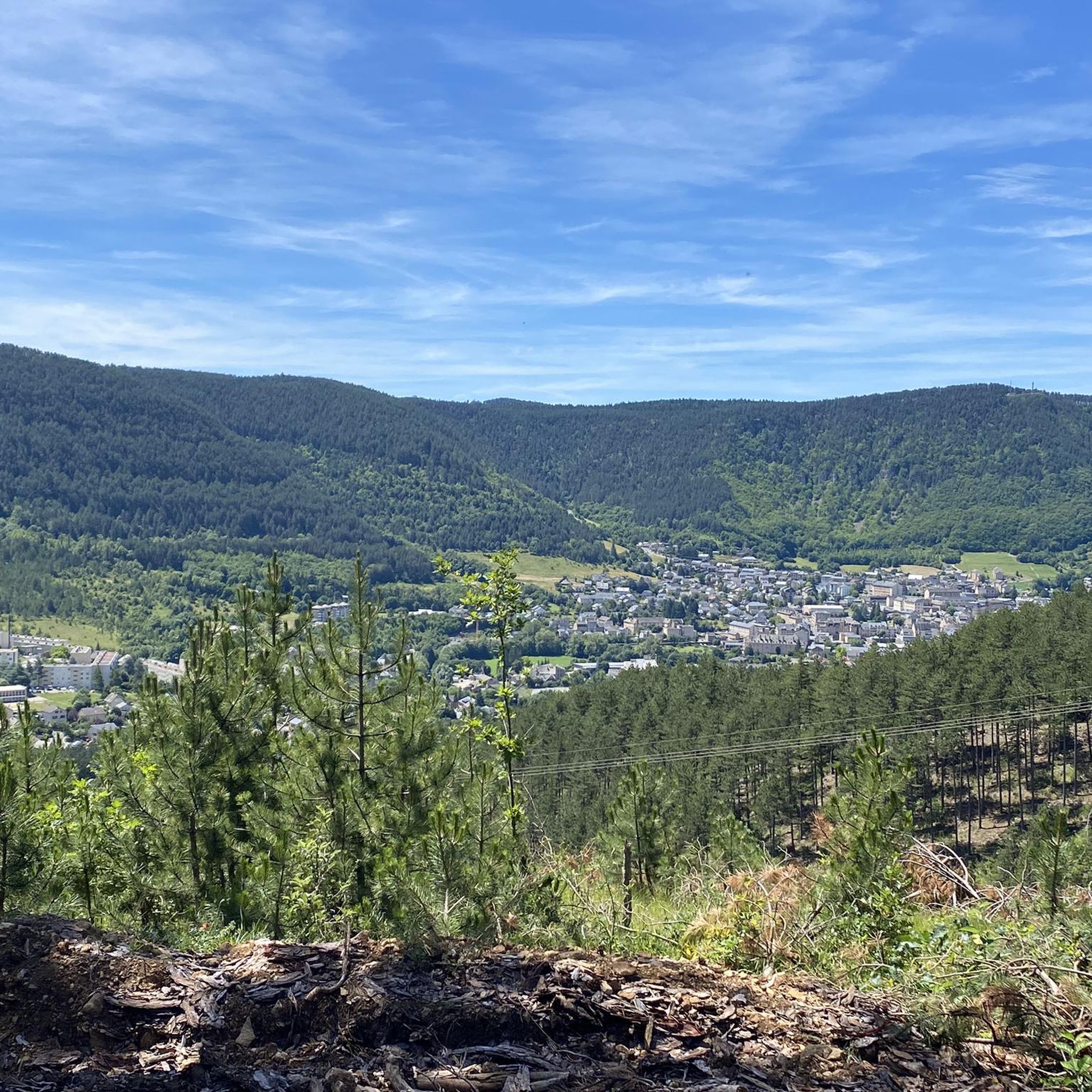
The charming town lies in the heart of the department and is considered the gateway to the . The old town delights with narrow alleys, the imposing cathedral, and cozy squares. Hikers particularly appreciate the surrounding mountains, gorges, and the tranquil atmosphere of Southern France with its vast landscapes.
0
0

In Gravel with a single chainring and panniers it’s very complicated… you have to be very strong
0
0

To warm up your thighs: 3 km at an average gradient of 10.8%!
0
0

A very nice surprise in the heart of the Sauveterre plateau. “This medieval building seems totally isolated, even forgotten by time and men. But it was on purpose that at the time this farm was positioned in this location. Indeed, its mission was to monitor the crossing of roads coming from Chanac, Ispagnac, Sainte-Énimie and Mende. In the 13th century the castle became the property of the Bishop of Mende. Partly ruined, the building was rebuilt in the 17th century. In the 19th century, agricultural buildings were built around the Château du Choizal. In the 20th century a fire damaged part of the building, certain parts were rebuilt. The fortified farm of Choizal was included in the inventory of historic monuments in 2004. The interior is private, however you can see this imposing residence from the road. (Source OT of Mende)
1
0

The Jalabert climb in Mende is a beautiful wall that requires gear and a warm-up before attacking it. We measure the difficulty faced by the riders of the tour for whom I have the greatest respect.
1
1

The climb to the Mende Brenoux Aerodrome from Mende is 3.3 km long, with an elevation gain of 338 m. The average gradient of the climb is 10.24% and has maximum gradients of 13.5%. He has appeared several times in the Tour de France.
1
0

Mende is the most important town in the Lozère department. It is a truly ancient city, as its foundation dates back to 200 years BC. Its many medieval buildings are its reputation. You can discover, among other things, its superb cathedral which has the strange peculiarity of having unequal bell towers. The town owes its wealth in part to its production of draperies, and thus becomes an important commercial crossroads between the Languedoc and Auvergne regions. I particularly like its fountain with its massive stone ball rolling on itself in the water.
4
0

Beautiful old town with a very good shopping street to stroll around and a beautiful large church
2
0
Frequently Asked Questions
What natural attractions can I explore around Gabrias?
The region around Gabrias is rich in natural features. You can discover the prominent Truc de Grèzes, a 1,008-meter-high limestone hill that is a significant local landmark. Additionally, a Natura 2000 site protects the ecologically important Falaises de Barjac and causse des Blanquets, offering unique landscapes for exploration.
Are there historical sites to visit near Gabrias?
Yes, the area boasts a rich history. You can visit Chanac, a town known for its many Neolithic megaliths, mainly dolmens, and a magnificent 13th-century keep. The nearby town of Mende also offers numerous medieval buildings, including its superb cathedral with uneven bell towers.
What kind of outdoor activities can I do around Gabrias?
Gabrias and its surroundings are ideal for outdoor enthusiasts. You can find excellent options for hiking, with trails like the moderate 'Truc de Grèzes from Veyrac via the Chemin Urbain V' or easier loops around Grèzes. There are also opportunities for cycling and gravel biking, with routes exploring the local landscapes.
Are there any unique cultural or historical monuments in the area?
Absolutely. Don't miss the Village Mort de La Chaumette, a fascinating man-made monument consisting of the ruins of limestone dwellings that showcase the traditional Caussenard habitat, complete with sheepfolds and barns. It offers a glimpse into the region's agricultural past.
What is there to see in Mende, the most important town nearby?
Mende, the capital of Lozère, is a must-visit. Its medieval city center features the impressive Gothic Cathedral Notre-Dame-et-Saint-Privat, known for its uneven bell towers. You can also explore its charming shopping streets and a unique fountain with a massive stone ball.
What do visitors enjoy most about the attractions around Gabrias?
Visitors particularly appreciate the blend of historical richness and natural beauty. The medieval charm of towns like Chanac and Mende, along with the unique insights into traditional life offered by sites like Village Mort de La Chaumette, are frequently highlighted. The scenic landscapes and opportunities for outdoor activities also receive high praise.
Are there any challenging cycling routes or climbs in the Gabrias region?
Yes, for keen cyclists, the Côte de la Croix Neuve near Mende is a notable challenge. This climb, which has featured in the Tour de France, is 3.3 km long with an average gradient of 10.24% and maximum gradients of 13.5%, offering a demanding ascent.
Can I find family-friendly activities or trails around Gabrias?
While specific 'family-friendly' categories are not extensively listed for all highlights, the general nature of the region, with its easy hiking trails and historical sites, can be suitable for families. Exploring the medieval towns or the unique ruins of Village Mort de La Chaumette can be engaging for children. Look for easy-rated hiking routes in the hiking guide for suitable options.
What is the best time of year to visit Gabrias for outdoor activities?
The Lozère department, where Gabrias is located, experiences warm summers and cold, snowy winters. For hiking and cycling, the spring and autumn months generally offer pleasant temperatures and beautiful scenery. Summer can also be enjoyable, though it can get quite warm. Winter activities like snowshoeing or cross-country skiing might be possible in higher elevations, but specific data for Gabrias is limited.
Are there any specific geological formations or viewpoints worth seeing?
Beyond the prominent Truc de Grèzes, the region's geology is characterized by limestone plateaus (causses) and cliffs. The Natura 2000 site encompassing the Falaises de Barjac and causse des Blanquets offers impressive geological features and likely provides scenic viewpoints over the landscape.
Where can I find information about traditional life and heritage in the Gabrias area?
To learn about local heritage and traditional life, you can explore the neighboring commune of Grèzes. It features a 'sentier d'interprétation' (interpretive trail), 'Ferradous' (communal blacksmith forge), and a 'four banal' (communal bread oven), offering insights into the region's past. The ruins of Village Mort de La Chaumette also provide a tangible connection to historical Caussenard habitat.
Most popular routes around Gabrias

Get inspired with the komoot mobile app


Explore more
Still not found the Highlight you’re looking for? See guides of the top attractions in other regions:
