The best road cycling routes around Saint-Viâtre
4.6
(18)
245
riders
36
rides
Road cycling routes around Saint-Viâtre traverse the flat, water-rich landscapes of the Sologne region in France. The area is characterized by an extensive network of ponds, covering a significant portion of the commune, alongside forests and quiet country roads. This terrain offers minimal elevation gain, making it suitable for accessible and family-friendly cycling. The region's natural features provide a serene backdrop for exploring by bike.
Best road cycling routes around Saint-Viâtre
- The most popular road cycling route is In the…
Last updated: July 13, 2026
4.5
(2)
8
riders
62.3km
02:22
130m
130m
Moderate road ride. Good fitness required. Mostly well-paved surfaces and easy to ride.
4.5
(4)
19
riders
Easy road ride. Great for any fitness level. Mostly well-paved surfaces and easy to ride.

Sign up for free
4.0
(2)
17
riders
Moderate road ride. Great for any fitness level. Some segments of this route may be unpaved and difficult to ride.
15
riders
30.3km
01:10
70m
70m
Easy road ride. Great for any fitness level. Mostly well-paved surfaces and easy to ride.
15
riders
42.2km
01:36
90m
90m
Easy road ride. Great for any fitness level. Mostly well-paved surfaces and easy to ride.
Get access to more routes and recommendations from other explorers.
Sign up for free
Already have an account?
Our route recommendations are based on thousands of hikes, rides, and runs completed by other people on komoot.
Start today with a free account
Your next adventure awaits.
Login or Signup

Tips from the Community

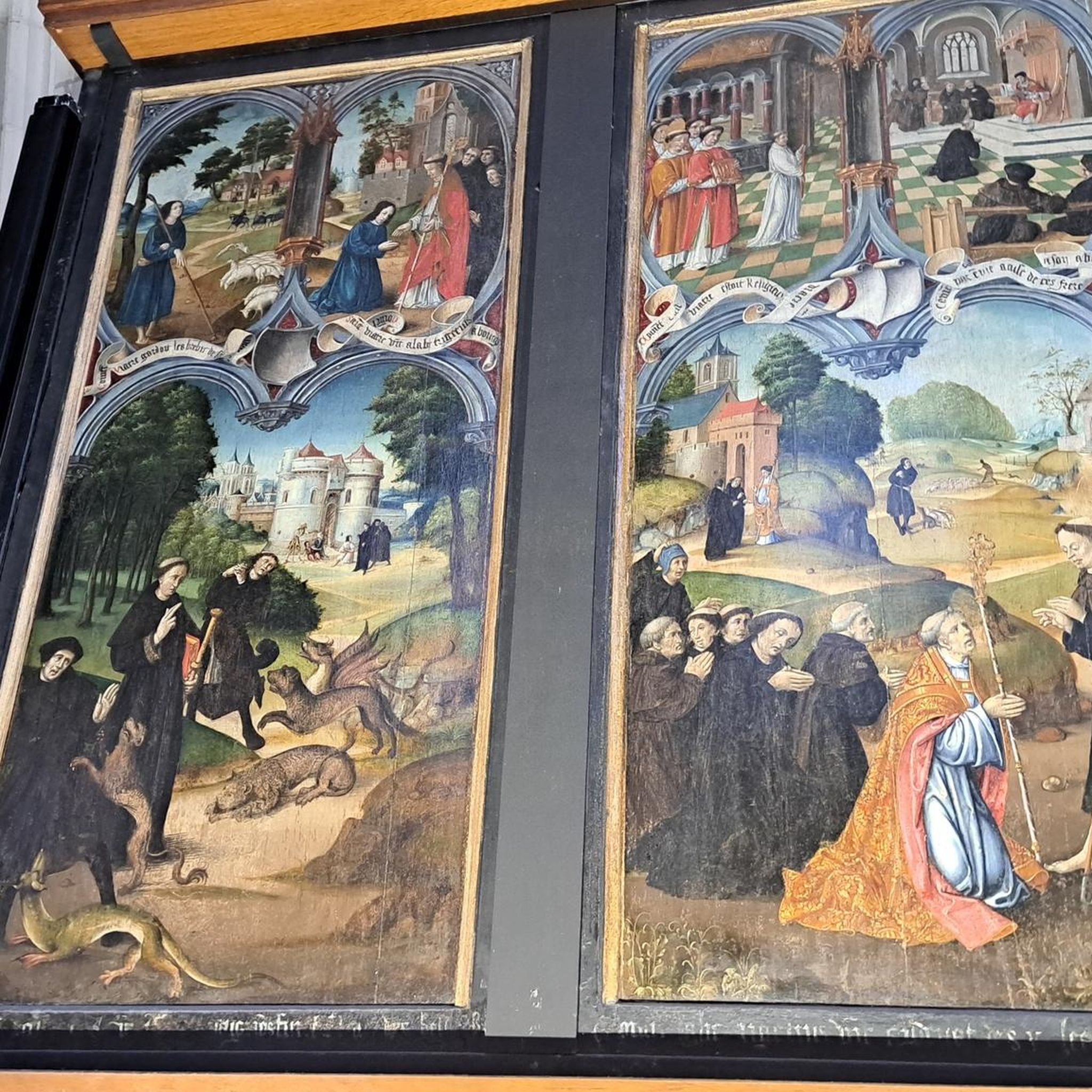
The two periods of construction of the chapel are clearly distinguishable: the timber-framed walls date from 1600, while the brick façade and walls date from 1863. The Chapel of Our Lady of Sorrows, which had been falling into ruin for many years, holds a special place in the heritage of Pierrefitte. Historians have pondered this legend, which is also found in other villages. Louis de la Saussaye (a 19th-century historian) offers a rational explanation for the chapel's location: Everyone knows that Pierrefitte owes its name to "Pierre fichée," meaning a planted stone. This stone marked the boundary between two Gallic tribes and also served as a religious monument. The Catholic religion was emerging and developing, but this stone remained an object of veneration until quite late in the Middle Ages (1100-1200). The presence of the legendary oxen licking the stone is explained by the fact that the local people secretly worshipped the last remaining monument of the ancient cult and, as tradition dictated, sprinkled milk and honey upon it. The chapel would therefore have been built on the site of this Gallic stone. All of this, of course, is only legend or hypothesis, but written documents dating back to 1600 (during the reign of Henry IV) allow us to glimpse the history of our chapel. In the 16th and 17th centuries, travelers taking the Orléans-Bourges road, whether on horseback or on foot, such as the stonemasons from La Marche who were returning in search of work, were accustomed to spending the night in one of the five inns or "hostelleries" in our village. The quality of these inns was indeed highly regarded at the time, and in the evening, people didn't hesitate to travel a few extra kilometers to stop at "La Croix Blanche," "Le Lion d'Or," "Le Sermon," "Le Trois Rois," or "Le Sauvage" (according to Henri Deletang). This was an opportunity to stop at the Chapel of the Leper Colony, and to care for their souls, Lord or peasant, merchant or beggar, didn't hesitate to throw a few offerings into it. There was a collection box placed within easy reach, but people preferred to toss coins through the bars onto the chapel floor.
0
0

Opposite Lamotte-Beuvron train station, La Maison Tatin welcomes you to a 19th-century house, the birthplace of the famous tarte Tatin. This charming hotel offers 16 comfortable rooms, a restaurant, a bar, a tea room, and a spa. Here, you'll discover traditional and refined cuisine, local and seasonal, served in a warm and authentic atmosphere. Ideally located in Sologne, La Maison Tatin is the perfect starting point for exploring the Loire Valley châteaux, the surrounding forests, and Beauval Zoo. A place where heritage, relaxation, and gourmet delights combine for an unforgettable stay.
0
0
Souesmes must have had some importance towards the end of the 8th century since during the division of the archbishopric of Bourges into archdeaconries themselves divided into archpriests, the priest of Souesmes received the title and function of archpriest. This archpriesthood included 32 parishes, all located to the east of Souesmes (except Salbris). It extended as far as the Loire to the northeast and to Boisbelle (Henrichemont) to the southeast as recalled by the table drawn up by Canon Augustin Petit, priest of Souesmes from 1892 to 1948, according to documents found in the archbishopric of Bourges. This table is still in place at the entrance to the church. The left side of the choir of the church of Souesmes is placed under the protection of Saint Julien, beheaded in Brioude around the year 304. The original building was no longer sufficient for the development of worship, which is why a larger Romanesque-style church was built on the same site during the Carolingian era. The walls of the nave bear witness to this period, the six windows being very small at the time. Carolingian terracotta modillions found in the walls during work in the 19th century allow us to date the period of construction of the walls. One of the modillions is in the Museum of Religious Art in Blois and two others, owned by SAHAS, are in the Marcel de Marchéville Archaeological Museum in Romorantin-Lanthenay (article by Joëlle Fallot - Jean-Marie Lorain published in the booklet "Souesmes heritage in your commune" produced by the departmental committee for heritage and archaeology in Loir-et-Cher and the municipality of Souesmes with the assistance of the general council of Loir-et-Cher).
0
0
The parish church of Saint-Étienne was at the disposal of the Abbot of Jargeau. Of Romanesque origin, the building has a single nave on which are grafted a chapel to the north and south, a straight bay under the bell tower, supported by a sacristy to the north and a polygonal choir. The latter belongs to the 16th century. It includes a three-sided apse preceded by a straight bay. The whole, vaulted with ribs, is lit by five bays with flamboyant tracery similar to the two windows of the bay of the bell tower, contemporary with the choir. This has a square plan. Four pillars projecting strongly from the interior of the nave, receiving the four arches which carry all the masonry of the bell tower, accentuate the tripartite division of the interior volume of the building. The open door, in the north gutter wall, on the sacristy rebuilt in the 20th century, is surmounted by two pinnacles resting on sculpted bases framing an accolade. The lintel was once decorated with a coat of arms. The nave, Romanesque in its external volumes, was necessarily reworked from the 16th to the 19th century. It was probably originally a simple framed vessel whose gutter walls were supported on the outside by flat buttresses with slight projections. In the 16th century, the paneled barrel vault, still preserved in the attic, was hidden by ribbed vaults; the engaged columns which receive the ribs, as well as the corner buttresses visible on the facade belong to this campaign of works. Subsequently, a rectangular chapel was attached to the north wall; the south chapel, built in brick and cut stone, dates from the 19th century, as do the six windows with trefoil lintels illuminating the nave, the rose window pierced in the facade and the gallery installed at its back. A brick vault replaced the 16th century vault on the nave. The semicircular portal, extensively reworked, was formerly protected by a timber-framed porch. The three parts of the building are clearly differentiated in the exterior elevation of the building. The nave, not very high, as well as the choir, with its more slender roof, are dominated by the silhouette of the bell tower. Square in plan, it has four levels punctuated by dripstones; the upper level is pierced with two twin bays per face. The bell tower is crowned by a timber spire. The Sauvegarde de l’Art Français granted aid of 50,000 F in 1993 for the repair of the exterior masonry.
0
0

Behind this impressive gate is one of the most beautiful estates in Salbris, with at the end of this avenue the private castle of Rivaulde, all brick and half-timbered. It was built in 1524 and then belonged to the lords of Ferté-Imbault. It belonged to the painter Toulouse-Lautrec in the 19th century, who sold it to the Schneider brothers, who had the castle rebuilt by the architect Coulon, then nicknamed "little Vaux-le-Vicomte". Henri Schneider did not see the end of the work in 1902 and it was his wife who made it her main residence.
0
0
Let yourself be charmed by this magnificent castle with a history as rich as its architecture. Built in 980 on an old leveled mound, it is the largest brick castle in Sologne and one of the oldest. It was partly destroyed and rebuilt over the centuries, notably during the Renaissance, and saw illustrious people pass through, including Joan of Arc. Jacques d'Estampes, the first Marquis de la Ferté-Imbaud was ambassador to England and Marshal of France. With his wife Catherine-Blanche de Choiseul, they particularly marked the history of this castle. It is now possible to visit it and privatize it for events.
0
0

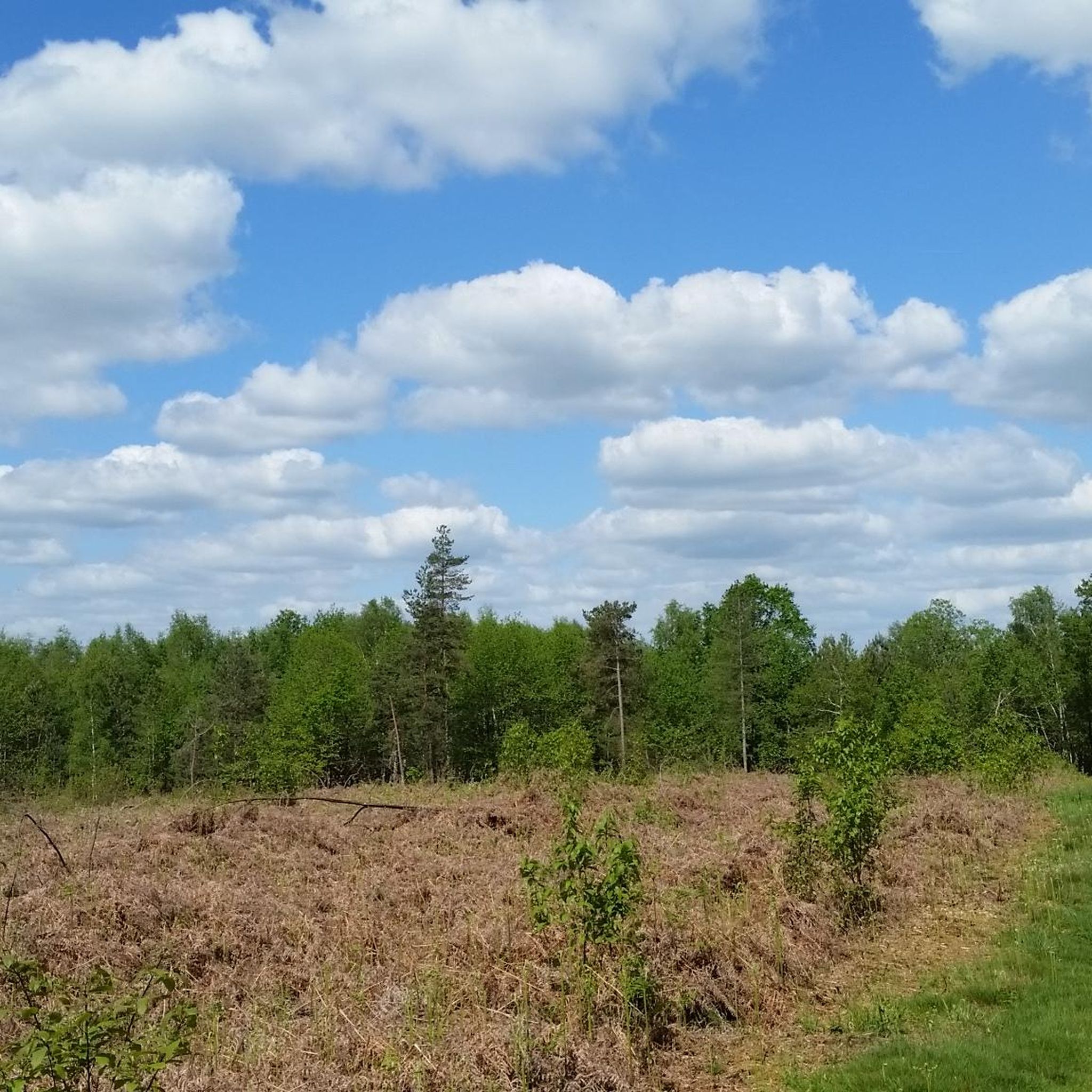
Indeed a nice cool route, a little sheltered from the wind.
0
0
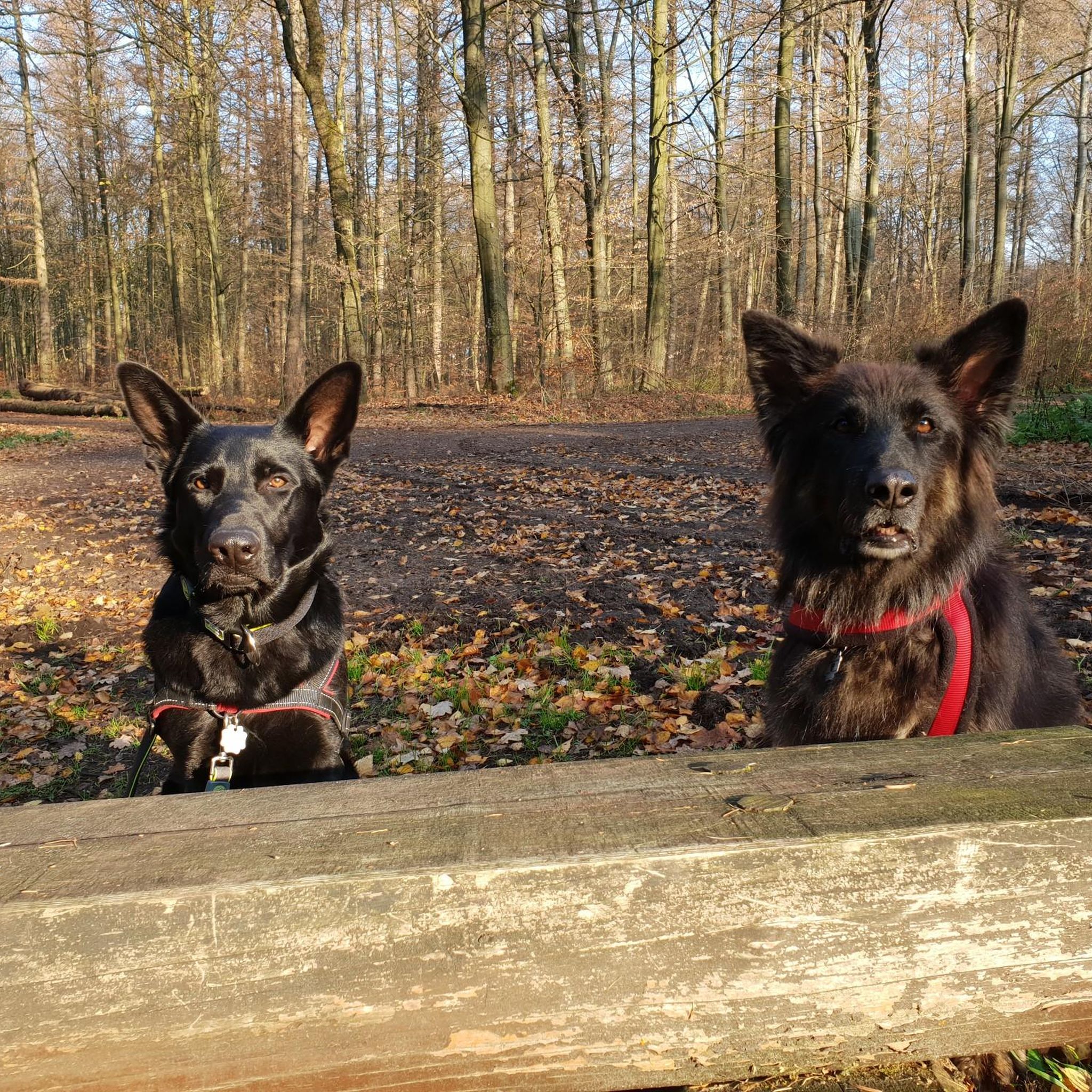
The place is huge with many equestrian events.
0
0
Frequently Asked Questions
How many road cycling routes are available around Saint-Viâtre?
There are over 35 road cycling routes around Saint-Viâtre, offering a variety of options for different skill levels. These routes traverse the unique Sologne countryside, characterized by its numerous ponds and tranquil forests.
Are there easy road cycling routes suitable for beginners or families in Saint-Viâtre?
Yes, Saint-Viâtre is well-suited for beginners and families due to its generally flat terrain and minimal elevation gain. There are 11 easy routes available. For example, the Federal Equestrian Park – Federal Equestrian Park loop from Lamotte-Beuvron is an easy 21.9-mile (35.3 km) path that explores the area with gentle gradients.
What kind of terrain can I expect on road cycling routes in Saint-Viâtre?
The road cycling routes in Saint-Viâtre primarily feature flat, water-rich landscapes characteristic of the Sologne region. You'll encounter quiet country roads, extensive networks of ponds, and serene forests, offering a peaceful and scenic backdrop with minimal elevation changes.
Are there any challenging road cycling routes for experienced riders?
While the region is generally flat, there are 2 routes classified as difficult for those seeking a greater challenge. Additionally, longer moderate routes like In the country of Raboliot — Loop from Salbris, at 38.7 miles (62.3 km), can provide a good endurance test through the Sologne countryside.
What is the best time of year for road cycling in Saint-Viâtre?
The Sologne region is particularly pleasant for road cycling during spring and autumn when the weather is mild and the natural scenery is vibrant. Summer also offers good conditions, though it can be warmer. The quiet country roads and forested sections provide a comfortable experience throughout these seasons.
Are there circular road cycling routes available around Saint-Viâtre?
Yes, many of the road cycling routes around Saint-Viâtre are designed as loops, allowing you to start and end at the same point. Examples include the Federal Equestrian Park – Federal Equestrian Park loop from Lamotte-Beuvron and the Federal Equestrian Park – Federal Equestrian Park loop from Le Bistrot des Hauts de Bruyères, which are popular circular options.
What can I see along the road cycling routes in Saint-Viâtre?
Beyond the natural beauty of ponds and forests, you can discover various points of interest. Notable attractions include the historic Saint-Étienne Church of Chaumont-sur-Tharonne with its unique architecture, and the serene Sologne Bird Observatory. The region also features charming castles like Villebourgeon Castle and Château de la Ferté-Imbault.
Are there any specific cycling networks or long-distance routes connected to Saint-Viâtre?
Yes, Saint-Viâtre is part of the local "La Sologne à vélo" initiative, offering specific circuits. It also connects to broader regional networks, including the "Pays de Châteaux" route and the renowned Loire à Vélo. The Loire à Vélo is an extensive 900 km cycle route, much of which is a UNESCO World Heritage Site, offering scenic rides along the Loire River.
What do other road cyclists enjoy most about road cycling in Saint-Viâtre?
The area is highly rated by the komoot community, with an average score of 4.6 stars from more than 10 reviews. Road cyclists often praise the tranquil forests, the unique aquatic landscapes with numerous ponds, and the quiet country roads that make for a peaceful and enjoyable ride away from heavy traffic.
Is there parking available for road cyclists in Saint-Viâtre?
Yes, Saint-Viâtre and its surrounding villages typically offer public parking facilities, especially near town centers or popular starting points for routes. It's advisable to check specific starting points for designated parking areas, which are generally accessible for cyclists.
Can I find cafes or places to stop for refreshments along the routes?
While the Sologne region is known for its quiet nature, many villages along the routes, including Saint-Viâtre itself, offer cafes, bakeries, or small restaurants where you can stop for refreshments. Planning your route to pass through these villages will ensure you have opportunities for breaks.
Most popular routes around Saint-Viâtre
Most popular attractions around Saint-Viâtre

Get inspired with the komoot mobile app


Explore more
Browse the best Road cycling routes in other regions.
