The best running trails around Brenoux
4.0
(52)
2,047
runners
126
runs
Jogging routes around Brenoux are set within the Lozère department of the Occitanie region, characterized by its preserved natural landscapes. The area features a mountainous climate, with elevations ranging from 729 to 1,082 meters, and is drained by the Nize river. This region offers varied terrain, including deep wooded slopes and cliffs, providing diverse running experiences. Brenoux is also close to the Cévennes National Park and Mont Lozère, offering extensive natural environments for running.
Best jogging routes around Brenoux
- The…
Last updated: October 13, 2026
4.3
(3)
63
runners
12.3km
01:22
170m
170m
Moderate run. Good fitness required. Mostly paved surfaces. Suitable for all skill levels.
17
runners
8.58km
01:02
150m
150m
Moderate run. Good fitness required. Mostly paved surfaces. Suitable for all skill levels.

8
runners
12.2km
01:27
200m
200m
Moderate run. Good fitness required. Mostly paved surfaces. Suitable for all skill levels.
10
runners
4.94km
00:34
80m
80m
Easy run. Great for any fitness level. Mostly paved surfaces. Suitable for all skill levels.
7
runners
15.3km
01:44
350m
350m
Hard run. Very good fitness required. Sure-footedness, sturdy shoes and alpine experience required.
Get access to more routes and recommendations from other explorers.
Already have an account?
Our route recommendations are based on thousands of hikes, rides, and runs completed by other people on komoot.
Start today with a free account
Your next adventure awaits.
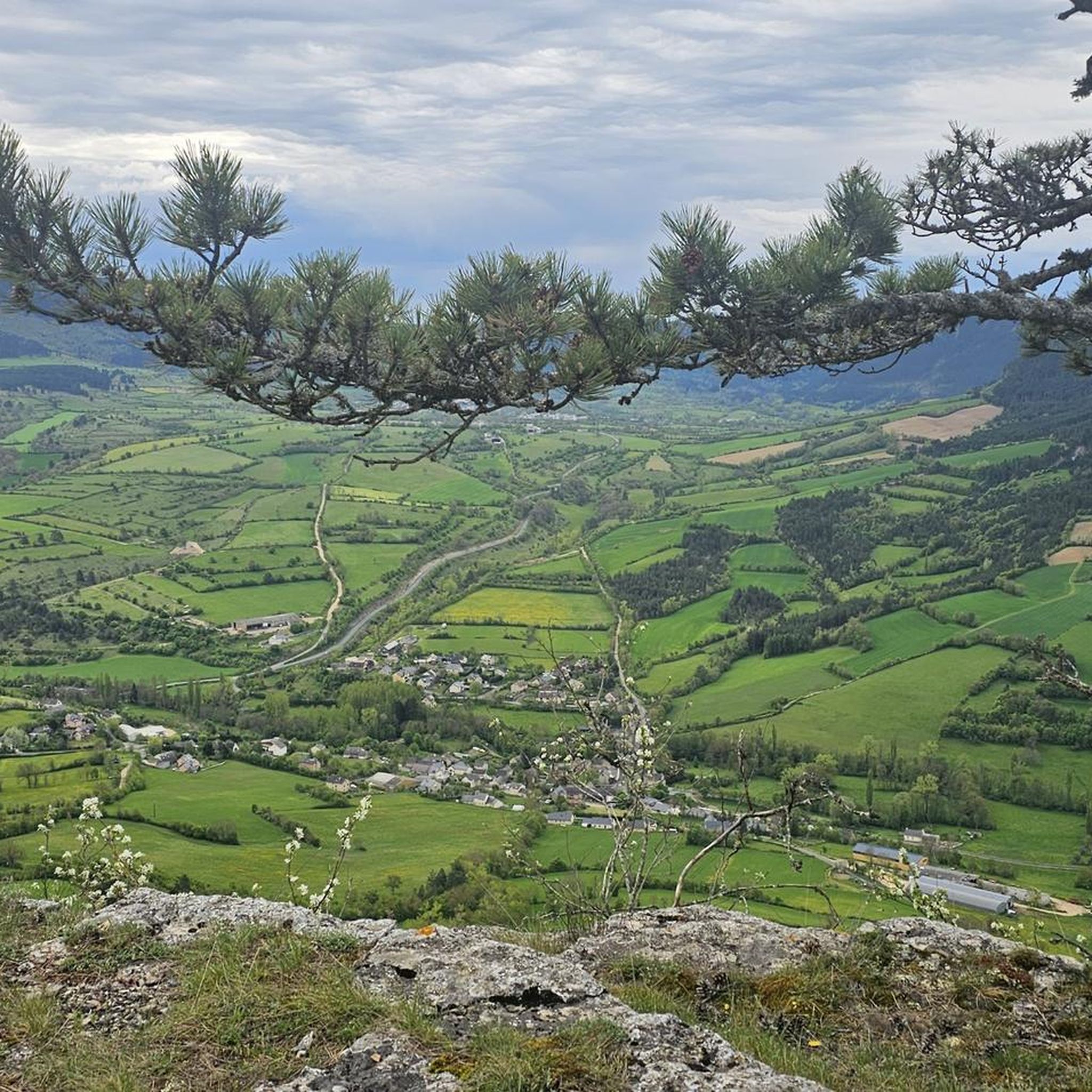
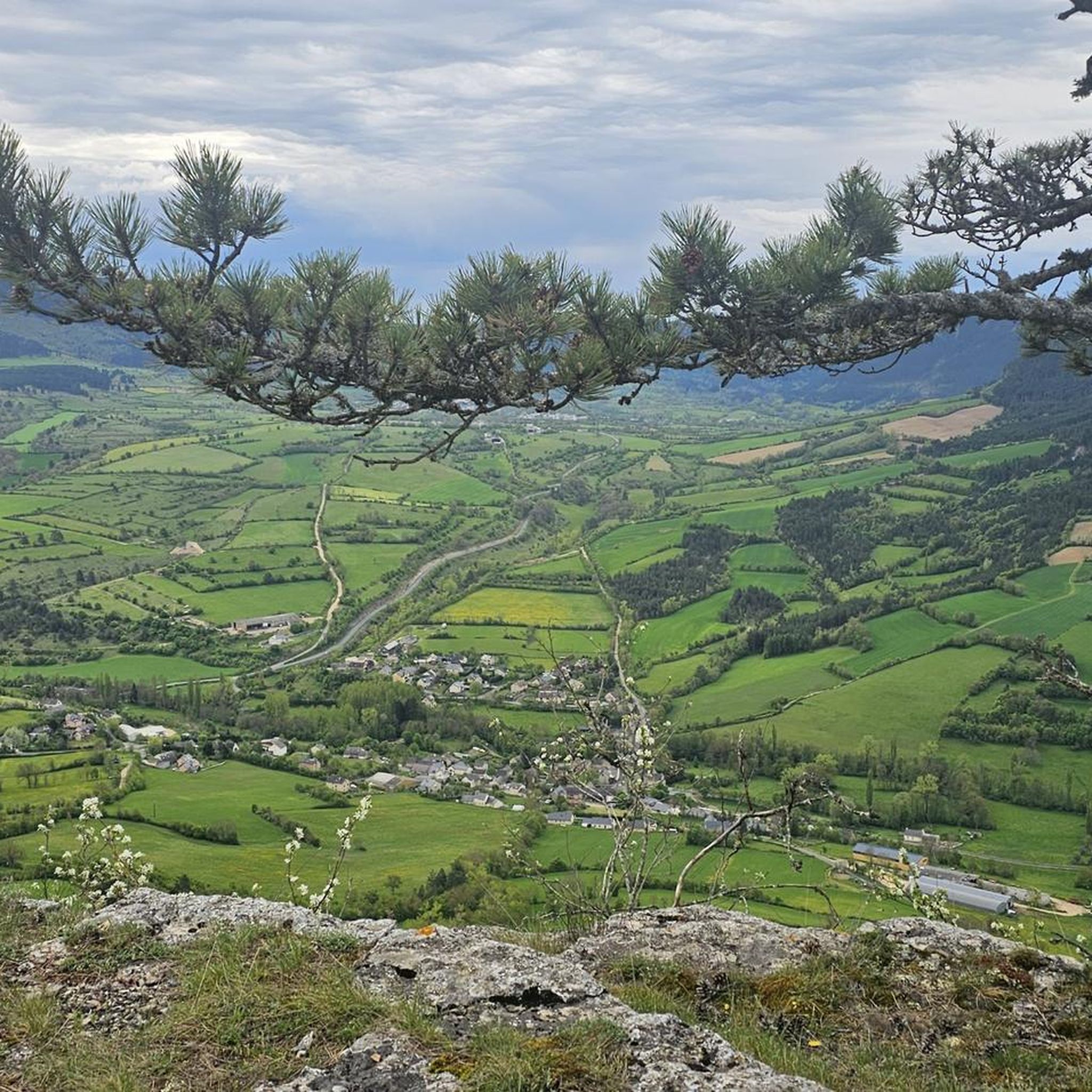
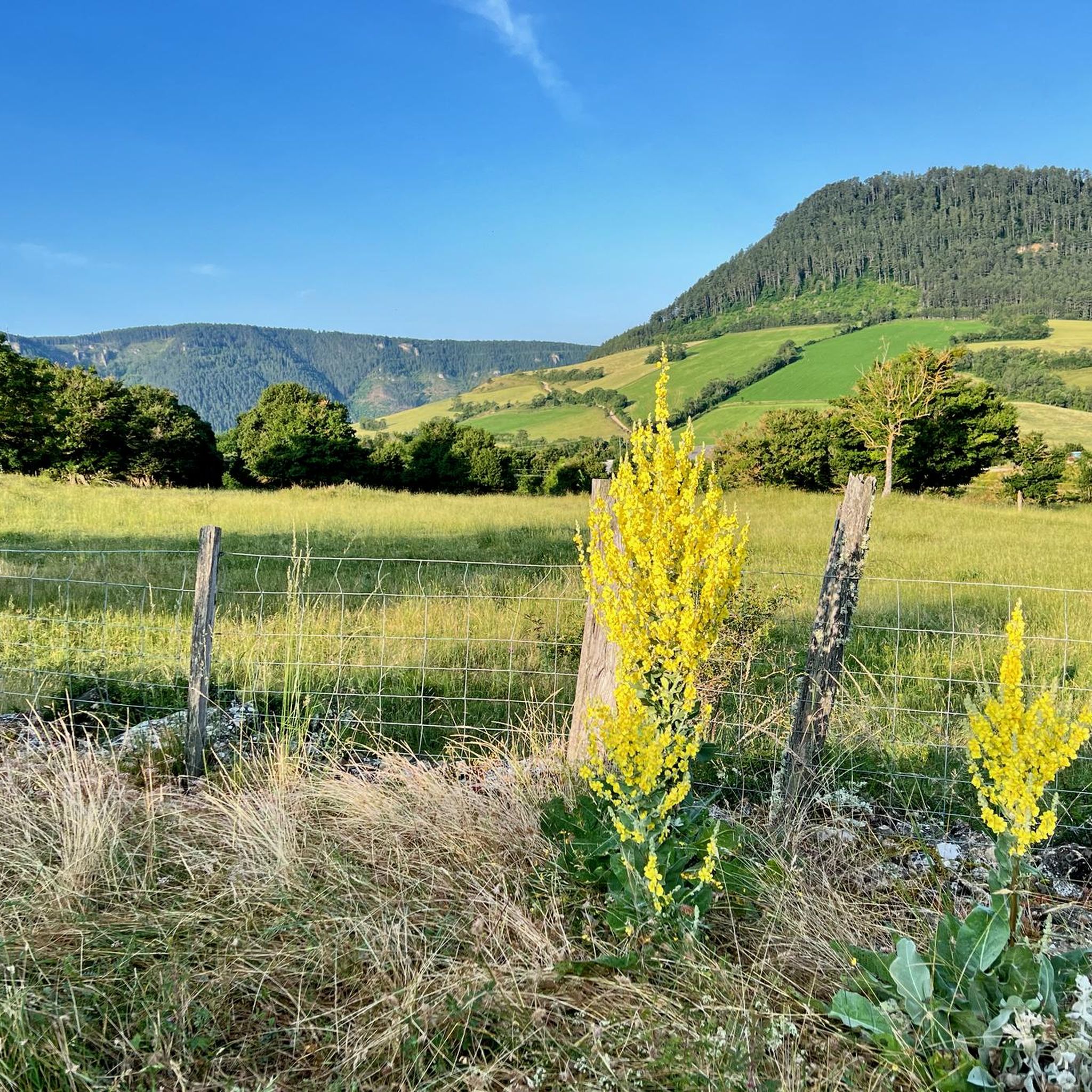
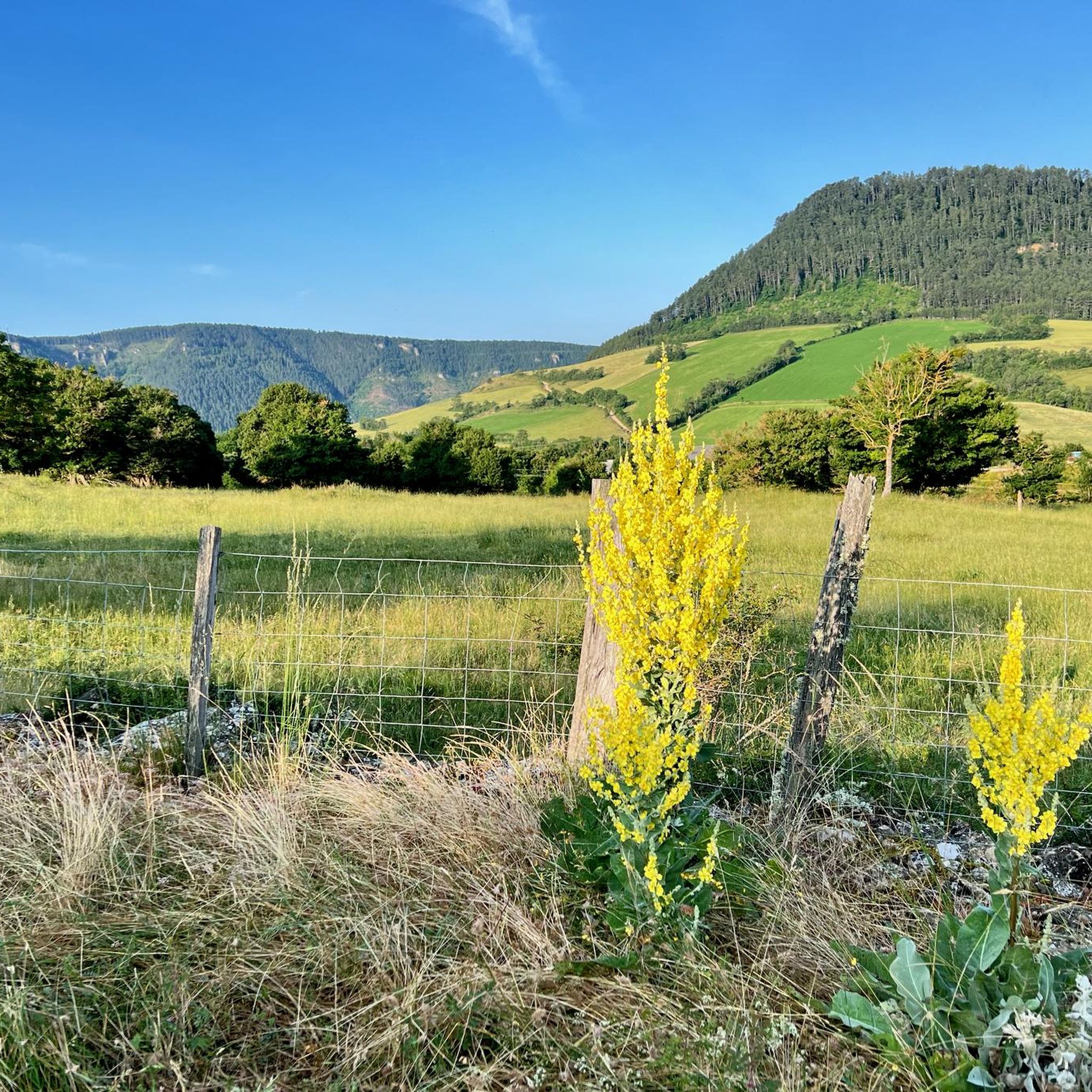
Tips from the Community

The Bramont, which has its source a few kilometers to the northeast at Roc des Laubies, has the particularity of being both a tributary of the Lot and the Tarn since part of its water is also lost in underground cavities at des Bondons to come out further south and end up in the Tarn.
0
0

On the Causse de Mende, above the town, there are two villages which were sold to the State by their last inhabitants in 1905: Gerbal and La Chaumette. At this date, there remains an inhabitant in Gerbal and a family in La Chaumette. We are far from the fifteen families who lived here at the beginning of the 19th century. These villages lived off the breeding of sheep and the cultivation of wheat. But from the 16th century, the demand for wool exploded in Europe. The herds are growing, which leads to the deforestation of more and more areas and the exhaustion of land. It is therefore depleted and leached land which is ceded to the State, which establishes the current forest there. Of these villages there remain the ruins of the dwellings, with the exception of a Chaumette complex restored by the ONF in the 1960s. These houses, entirely in limestone, are models of the Caussenard habitat. The main building has two levels, ground floor housing and the floor dedicated to storage, is accompanied by a sheepfold surmounted by its barn. All of these constructions are made of stone, there is no wood of sufficient quality and size or at too high a cost. There were only two villages because there are only two sources of water, which had to supplement several cisterns and lavognes (artificial pond to water the cattle).
2
0
On the Causse de Mende, above the town, there are two villages which were sold to the State by their last inhabitants in 1905: Gerbal and La Chaumette. At this date, there remains an inhabitant in Gerbal and a family in La Chaumette. We are far from the fifteen families who lived here at the beginning of the 19th century. These villages lived off the breeding of sheep and the cultivation of wheat. But from the 16th century, the demand for wool exploded in Europe. The herds are growing, which leads to the deforestation of more and more areas and the exhaustion of land. It is therefore depleted and leached land which is ceded to the State, which establishes the current forest there. Of these villages there remain the ruins of the dwellings, with the exception of a Chaumette complex restored by the ONF in the 1960s. These houses, entirely in limestone, are models of the Caussenard habitat. The main building has two levels, ground floor housing and the floor dedicated to storage, is accompanied by a sheepfold surmounted by its barn. All of these constructions are made of stone, there is no wood of sufficient quality and size or at too high a cost. There were only two villages because there are only two sources of water, which had to supplement several cisterns and lavognes (artificial pond to water the cattle).
0
0
Frequently Asked Questions
How many running routes are available around Brenoux?
There are over 130 running routes around Brenoux, offering a wide variety of experiences. These include paths suitable for different skill levels, from easy jogs to more challenging trail runs.
Are there easy running routes suitable for beginners in Brenoux?
Yes, Brenoux offers several easy running routes perfect for beginners. You can find around 10 routes classified as easy, providing gentle terrain to enjoy the natural surroundings. For example, many of the paths along the Nize river offer a less strenuous experience.
What are the typical lengths of running routes around Brenoux?
The running routes around Brenoux vary significantly in length. For instance, you can find moderate paths like the Village Mort de La Chaumette loop from Mende, which is about 5.3 miles (8.6 km), or longer, more challenging runs such as the Bramont Gorges loop from Saint-Étienne-du-Valdonnez, spanning over 9.5 miles (15.3 km).
What natural features or landmarks can I see while running near Brenoux?
The Brenoux area is rich in natural beauty and historical sites. You can explore the dramatic landscapes of the Cévennes National Park, the majestic Mont Lozère, or the breathtaking Gorges du Tarn. Along some routes, you might encounter historical sites like the Village Mort de La Chaumette or the Lanuéjols Roman Mausoleum. The region is also known for its diverse natural habitats, including the Natura 2000 site called 'Valdonnez'.
Can I bring my dog on running trails near Brenoux?
Many of the natural trails and paths in the Lozère department, including those around Brenoux, are generally dog-friendly. However, it's always recommended to keep your dog on a leash, especially in areas with wildlife or near agricultural land, and to check for specific local regulations, particularly within protected areas like the Cévennes National Park.
Are there circular running routes available around Brenoux?
Yes, many of the running paths around Brenoux are designed as loops, offering convenient circular routes. Examples include the popular Village Mort Le Gerbal loop from Mende and the Running loop from Aérodrome de Mende-Brenoux, allowing you to start and finish at the same point.
What do other runners enjoy the most about running in Brenoux?
The running routes around Brenoux are highly rated by the komoot community, with an average score of 3.85 stars from over 40 reviews. Runners often praise the varied terrain, from deep wooded slopes to scenic river paths along the Nize, and the proximity to expansive natural environments like the Cévennes National Park, which offers diverse and engaging running experiences.
What's the best time of year for running in Brenoux?
Brenoux, situated in a mountainous climate, offers pleasant running conditions during spring, summer, and early autumn. The diverse terrain and natural features are particularly vibrant during these seasons. While winter running is possible, be prepared for colder temperatures and potential snow at higher elevations, especially closer to Mont Lozère.
Are there challenging trail running options near Brenoux?
Absolutely. With elevations ranging from 729 to 1,082 meters and significant elevation changes, the region around Brenoux provides excellent opportunities for challenging trail running. Nearly 50 routes are classified as difficult, featuring demanding climbs and descents, particularly as you venture towards Mont Lozère or into the Cévennes National Park.
Where can I find scenic running spots near Brenoux?
For truly scenic runs, head towards the Cévennes National Park, just 12 km south, or Mont Lozère, about 18 km away. The Gorges du Tarn, 16 km southwest, also offers breathtaking scenery with dramatic cliffs and deeply wooded slopes. Even within Brenoux, paths along the Nize river provide picturesque views, and the area is part of a Natura 2000 site known for its natural heritage.
Are there running routes that pass through or near the town of Mende?
Yes, several popular running routes are accessible from or pass near Mende, which is close to Brenoux. For example, the Running loop from Mende is a 7.6-mile (12.2 km) trail that explores varied landscapes around the town. Mende itself offers historical charm with its Old Town and Cathedral Notre-Dame-et-Saint-Privat.
Most popular attractions around Brenoux

Get inspired with the komoot mobile app


Explore more
Browse the best Running Trails & Routes in other regions.
