The best walks and hikes around Röschwoog
4.5
(1517)
6,725
hikers
390
hikes
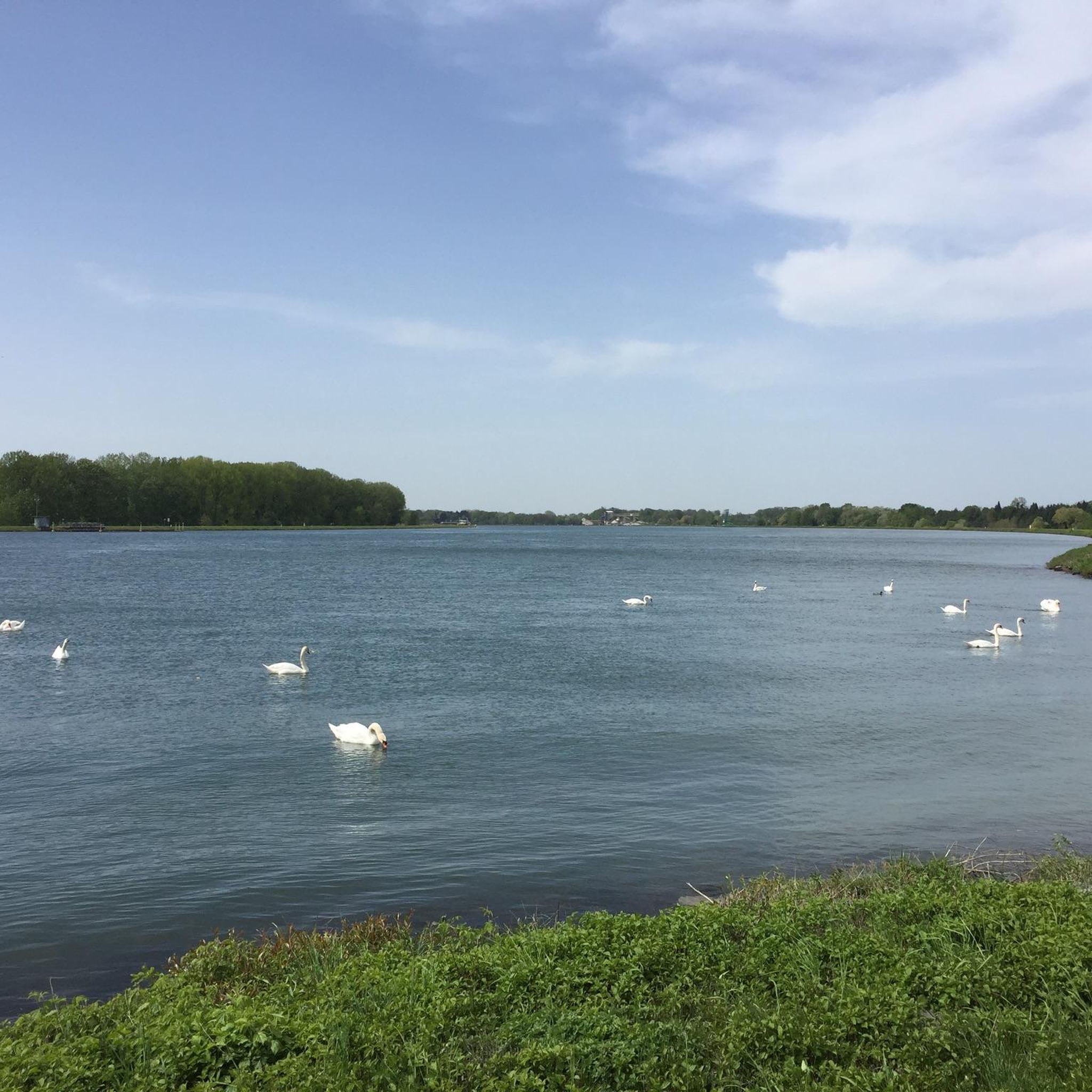
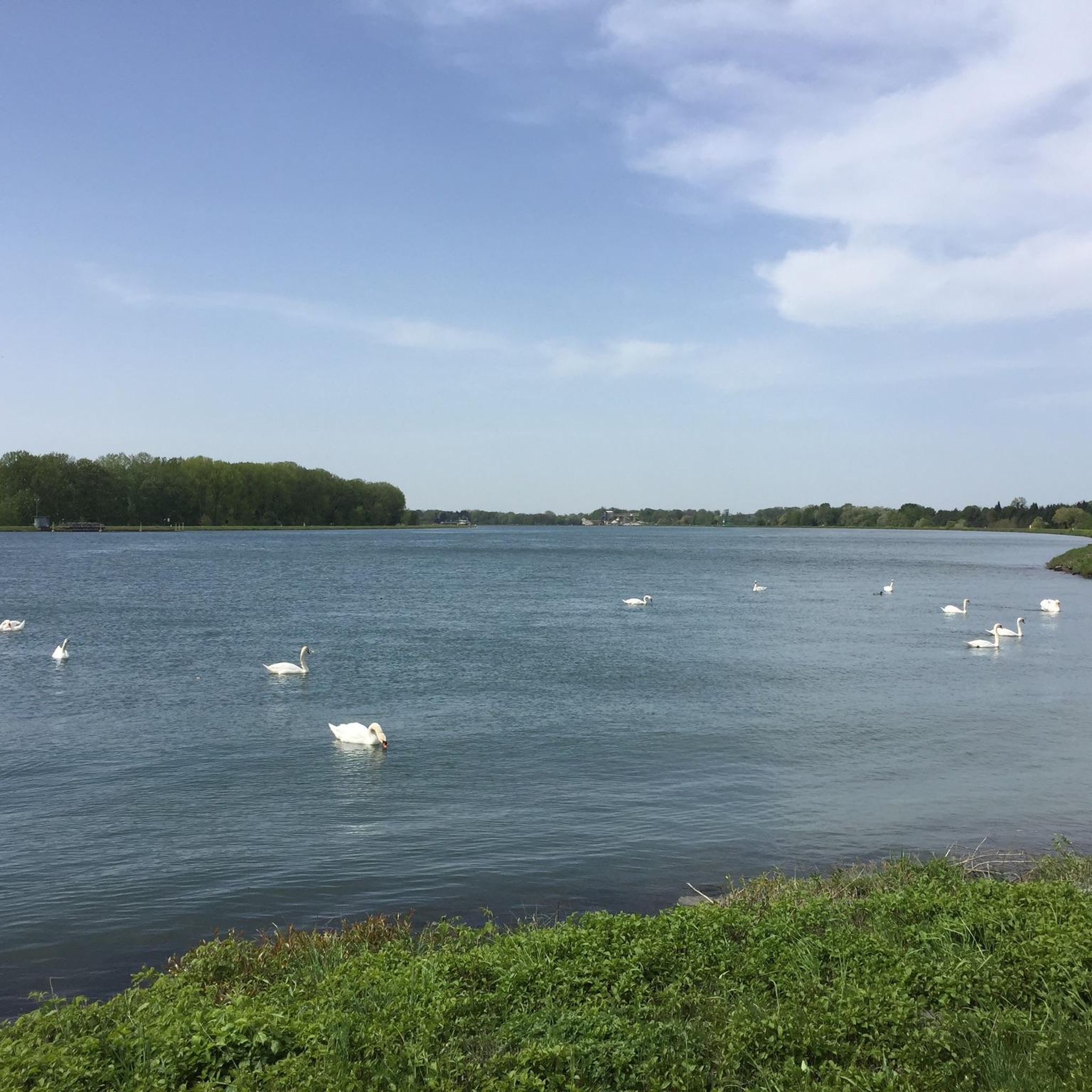
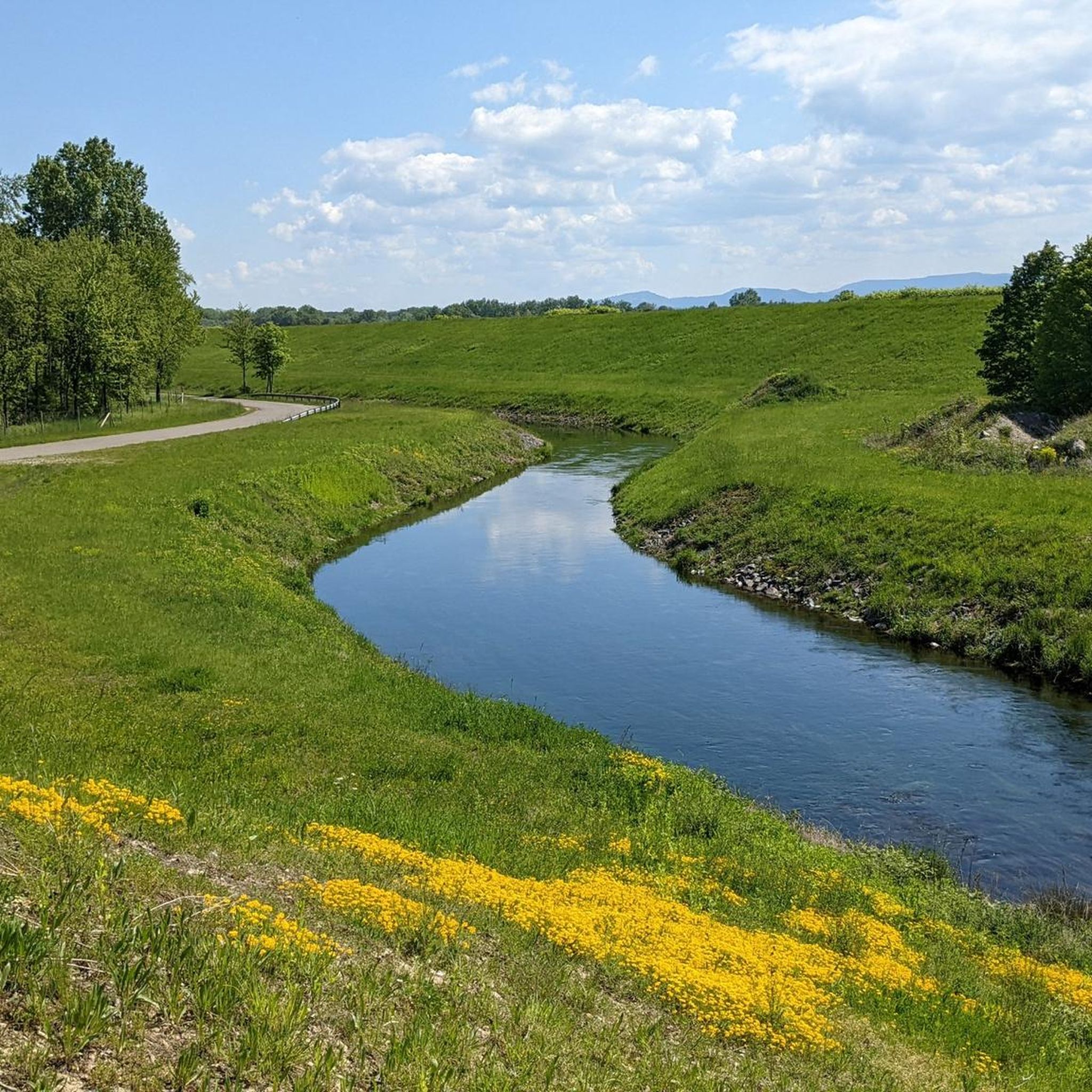
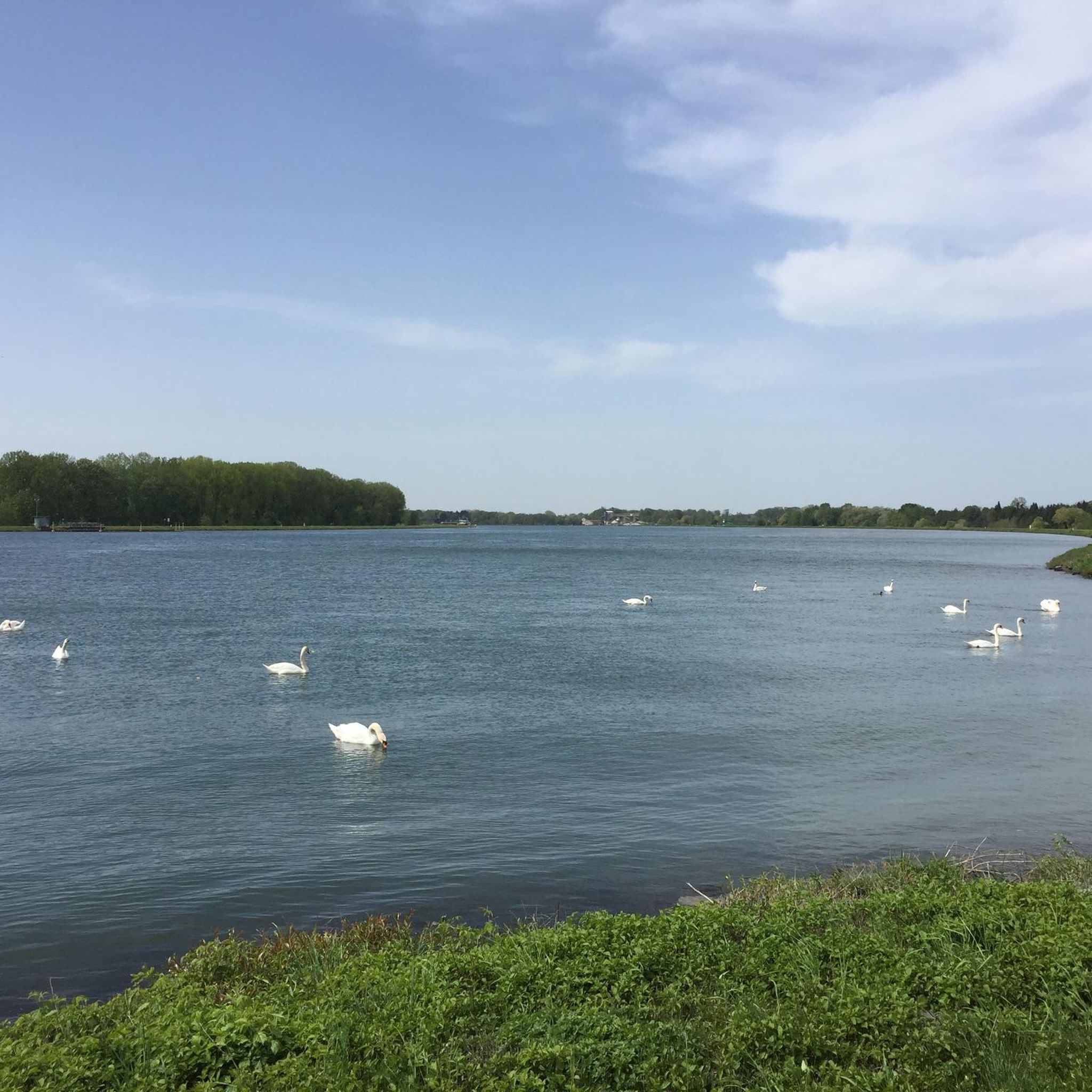
Hiking around Röschwoog, situated in the "Alsace Verte" region, features a landscape shaped by the Rhine River and its extensive floodplains. The terrain is largely flat, characterized by the Rhine Forest with its mature trees and tranquil oxbow lakes. This area provides a network of trails suitable for exploring riverine ecosystems and historical sites.
Best hiking trails around Röschwoog
- The most popular hiking route is Fort Carré of Fort-Louis – Polder Pipes at the Rhine loop from Fort-Louis, a…
Last updated: June 22, 2026
4.5
(6)
45
hikers
Moderate hike. Good fitness required. Easily-accessible paths. Suitable for all skill levels.
4.5
(11)
19
hikers
5.05km
01:17
10m
10m
Easy hike. Great for any fitness level. Easily-accessible paths. Suitable for all skill levels.

Sign up for free
4.9
(7)
19
hikers
12.4km
03:08
20m
20m
Moderate hike. Good fitness required. Easily-accessible paths. Suitable for all skill levels.
5.0
(4)
19
hikers
13.0km
03:17
20m
20m
Moderate hike. Good fitness required. Easily-accessible paths. Suitable for all skill levels.
4.0
(2)
11
hikers
7.88km
02:01
30m
30m
Moderate hike. Good fitness required. Easily-accessible paths. Suitable for all skill levels.
Get access to more routes and recommendations from other explorers.
Sign up for free
Already have an account?
Our route recommendations are based on thousands of hikes, rides, and runs completed by other people on komoot.
Start today with a free account
Your next adventure awaits.
Login or Signup
Tips from the Community

Attention: dead end with a long way back!
0
0

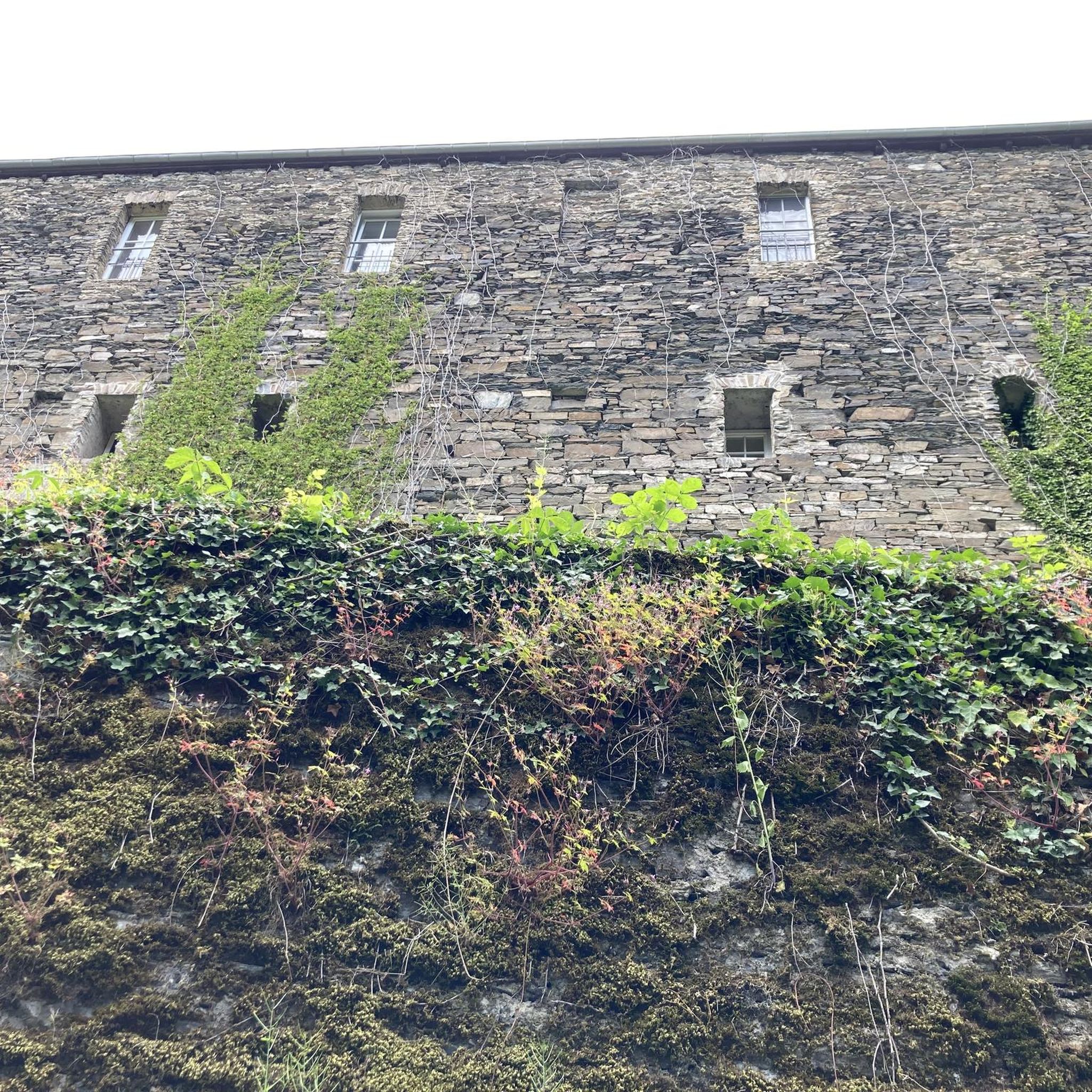
Main fort of Fort-Louis, former fortress In 1686, King Louis XIV of France ordered the construction of a fortress in Lower Alsace, directly on the border with the Margraviate of Baden. It was built over a period of ten years from 1687 on an island in the Rhine, which was not yet regulated at the time, according to plans by Sébastien Le Prestre de Vauban and the fortress engineer Jacques Tarade. The medieval palace in Haguenau, around twenty kilometers away, was razed to the ground and the usable stones were used to build the new fortress on the Rhine. Two outlying forts were built as bridgeheads on the opposite banks of the Rhine, Fort Alsace on the Alsatian side and Fort Marquisat on the Baden bank. To the south of the main fort, called Fort Carré, the regular street grid of the municipality of Fort-Louis was created on the island, and the king promoted its settlement with privileges. Fort Marquisat had to be abandoned after the Peace of Rijswijk in 1697, and finally after the Peace of Rastatt in 1714. The main fortress was stormed in 1793 in the First Coalition War and further destroyed in 1815-18. Since the Rhine was straightened in the 19th century, the fort and the municipality have been located on the left bank of the Rhine. Remains of the fortress are still there today, with information boards in front of and on the site of the former fortification.
1
0
French: Polder de la Moder Location: Lifting station on the Rhine, to flood the polder in the event of flooding via 6 lifting lines The Moder polder is a retention area to protect against flooding on the Upper Rhine at Rhine kilometer 330. It is located in the districts of the municipalities of Fort-Louis and Neuhaeusel in the Bas-Rhin department in the French region of Grand Est. The polder was created as part of the Integrated Rhine Program, which aims to restore protection against 200-year flooding on the Upper Rhine, which had been lost due to the construction of barrages on the southern Upper Rhine and the embankment of river floodplains. The polder is located above the Iffezheim barrage. The water level of the Rhine, which is surrounded by dams, is approximately six meters above the ground. The polder is named after the river Moder, which used to flow into the Rhine at the northern end of the polder. Today, the Moder runs parallel to the Rhine to the north and flows into the Moder below the barrage. The polder area, surrounded by a dyke, is predominantly wooded; over a third of the area is taken up by two quarry ponds. The polder, completed in 1992, has an area of 240 hectares, on which up to 5.6 million cubic metres of water can be retained. Up to 160 cubic metres of water per second can be channelled into the polder via six siphon pipes. The polder is operated by Voies navigables de France (VNF), the state waterways administration in France. The polder is emptied via the Rhine side ditch, which runs at the foot of the Rhine dam and flows into the Moder. There are also two weirs that connect the north of the polder directly to the Moder. When the polder is in use, the Rhine side ditch is blocked by a weir at the southern end of the polder. The outflow of the Rhine side ditch is then ensured by a ditch that runs inside the polder dyke to the Moder. The polder is used when the discharge at the Kehl-Kronenhof gauge exceeds 4200 cubic metres per second and at the Maxau gauge near Karlsruhe exceeds 4400 cubic metres per second. The polder is emptied when the discharge in Maxau has fallen below 4000 cubic metres per second. The outlet area of the Söllingen/Greffern polder is on the opposite, Baden side of the Rhine.
0
0

Wayside cross, about which time has erased what was previously written..
1
0
A bench in the shade, ideal for a short break on a hiking tour
0
0
TO OUR MORTS 1914-1918 / 1939-1945
0
0
Frequently Asked Questions
What kind of terrain can I expect on hikes around Röschwoog?
The hiking terrain around Röschwoog is generally flat, characterized by the expansive Rhine Forest, tranquil oxbow lakes, and the banks of the Rhine River. You'll find well-maintained paths suitable for exploring riverine ecosystems and historical sites like the Maginot Line.
Are there many easy hiking trails suitable for beginners in Röschwoog?
Yes, Röschwoog offers a good selection of easy trails. Out of nearly 400 routes in the area, over 260 are classified as easy. An example is the Leutenheim Botanical Trail loop from Leutenheim, an easy 5.1 km path that showcases local flora.
What natural features or landmarks can I see while hiking in the region?
The region is rich in natural beauty. You can explore the Rhine River and its floodplains, the extensive Rhine Forest with its impressive trees, and tranquil oxbow lakes. Notable natural reserves include the Delta de la Sauer and Mittelgrund, which are excellent for nature and bird lovers. You might also encounter highlights like Where the Moder meets the Rhine or Ziegersee.
Are there any historical sites to explore on the hiking trails?
Absolutely. Röschwoog is a great starting point for trails exploring sections of the Maginot Line, a series of World War II fortifications. You can find routes that delve into this history, with some trails even passing visible bunkers directly within the village. For more information, you can explore routes like the Maginot Line Trail.
Are there any circular hiking routes available around Röschwoog?
Yes, many trails in the area are circular, offering convenient loop options. For instance, the Fort Carré of Fort-Louis – Polder Pipes at the Rhine loop from Fort-Louis is a moderate 10.7 km loop exploring the Rhine and its polder pipes. Another option is the Row of Birches – Sunset View Near Moder loop from Neuhaeusel.
What do other hikers enjoy most about the trails in Röschwoog?
The trails around Röschwoog are highly rated by the komoot community, with an average score of 4.5 stars from over 1,400 reviews. Hikers often praise the diverse Rhine landscapes, the tranquility of the Rhine Forest, and the well-maintained network of paths that cater to various fitness levels.
Is Röschwoog a good destination for family-friendly hikes?
Yes, the generally flat terrain and numerous easy trails make Röschwoog suitable for families. Many routes, especially those through the Rhine Forest or along oxbow lakes, offer pleasant and accessible walks for all ages. The Leutenheim Botanical Trail loop is a great easy option for families.
Are dogs allowed on the hiking trails in Röschwoog?
Generally, dogs are welcome on trails in the Röschwoog area, especially in natural forest settings. However, it's always advisable to keep them on a leash, particularly in nature reserves like the Delta de la Sauer, to protect local wildlife and ensure a pleasant experience for all hikers.
What is the best time of year to go hiking in Röschwoog?
The region offers pleasant hiking experiences throughout much of the year. Spring brings blooming flora, while autumn transforms the Rhine Forest with vibrant colors. The flat terrain makes it accessible even in milder winter conditions, though summer can be warm. Always check local weather forecasts before heading out.
Are there options for public transport or parking near the trailheads?
While specific public transport details for every trailhead are not available, Röschwoog is generally accessible. For parking, many trailheads, especially those starting from villages or popular attractions, typically have designated parking areas. It's recommended to check specific route details on komoot for parking information relevant to your chosen trail.
Can I cross the Rhine River near Röschwoog as part of a hike?
Yes, near Röschwoog, you can experience the unique Seltz-Plittersdorf Cable Ferry. This ferry crosses the Rhine powered solely by the river's current, offering an engaging and eco-friendly way for pedestrians and cyclists to cross, potentially integrating into longer hiking routes that span both sides of the river.
Are there any specific nature reserves worth visiting for their unique ecosystems?
The region is home to significant nature reserves. The Delta de la Sauer, where the Rhine naturally floods, is a protected site particularly appealing to nature and bird lovers due to its diverse flora and fauna. The Mittelgrund nature reserve also offers idyllic landscapes and scenic views of the Rhine. You can find more information about the Delta de la Sauer nature reserve.
Most popular routes around Röschwoog
Most popular attractions around Röschwoog

Get inspired with the komoot mobile app


Explore more
Browse the best Hikes in other regions.
