Attractions and Places To See around Le Ponthou - Top 9
Best attractions and places to see around Le Ponthou, a former commune now part of Plouigneau, are situated in the Douron Valley at the confluence of the Douron River and Squiriou stream. This area offers a glimpse into Breton history, with its origins near a Roman road crossing. The region features a mix of historical sites, religious buildings, and natural landscapes.
Best attractions and places to see around Le Ponthou
- The most popular attractions is Étang du Guic, a…
Last updated: July 7, 2026
Guerlesquin
Highlight • Other
Like many neighboring villages, the art of Breton dancing is practiced there during Fez Noz, or night party or …
Translated by Google •
Tip by

Parish Close Plougonven
Highlight • Religious Site
Tip by

Sign up now to discover places like this
Get recommendations on the best single tracks, peaks, & plenty of other exciting outdoor places.
Sign up for free
Étang du Guic
Highlight • Lake
Translated by Google •
Tip by
Guerlesquin — a small town of character
Highlight • Other
Translated by Google •
Tip by

Plouigneau
Highlight • Settlement
Translated by Google •
Tip by
Sign up for free to discover even more attractions around Le Ponthou.
Sign up for free
Already have an account?
Start today with a free account
Your next adventure awaits.
Login or Signup



Tips from the Community

The pond of Guic or pond of Guerlesquin located in the regional natural park of Armorique is famous with local fishermen. You can go around the pond by walking for 16 kilometers through woods, groves and rivers.
0
0
At Guerlesquin, you have the feeling of being in central Brittany. Like many neighboring villages, the art of Breton dancing is practiced there during Fez Noz, or night party or during Fez Deiz or day party. The village, in addition to its magnificent church dedicated to Saint Ténénan, is home to another granite monument that is found less frequently. The Présidial - such is its name - is a former seigniorial prison. This building was built around 1640 by Vincent du Parc de Kerret, lord of the time. It's a curiosity now.
0
0
Located halfway between the towns of Brest and Saint-Brieuc, the town of Plouigneau is a town with a church visible from afar. You will find in the town, at a place called Quillien, a milestone. It is not a menhir but a kilometer marker installed there a long time ago during the Roman Empire. It indicates an old Roman road. There are no hotels in the city center, but you will easily find lodgings to accommodate you.
1
0

Do not miss the town center and its presidial, its granite facades organized around a huge square and a small park
0
0

L’église paroissiale Saint-Yves, construite entre 1511 (date du devis) et 1523, par Philippe Beaumanoir et de style gothique flamboyant, fut placée en 1532 sous le double vocable de la Trinité et de saint Yves et non plus sous le vocable de saint Conven comme pour l'église antérieure. Un incendie en 1930 l'endommagea gravement, elle fut restaurée en 1933. Elle est coiffée d'un élégant clocher à balcon avec tourelle d'escalier caractéristique du style Beaumanoir. De nombreuses gargouilles grimaçantes l'entourent. Ses autels en kersanton sont l'œuvre du sculpteur local Yann Larc'hantec. Les deux portes géminées du porche latéral sont surmontées des armes et de la devise de Pierre de Gaspern, sieur du Cosquer, panetier de la reine Claude de France (1513). Le porche porte une chambre des archives à l'étage. Le calvaire : œuvre de Bastien et Henry Prigent (qui ont construit aussi le calvaire de Pleyben), il a été érigé en 1554, repose sur un socle octogonal massif et mesure quatre mètres de haut. Sa statuaire abondante placée sur un double rang de corniches illustre les scènes de la vie (de l'Annonciation à la Résurrection) et de la Passion du Christ sans oublier, Trégor oblige, saint Yves entre le riche et le pauvre. Les vêtements portés par les personnages sont ceux des paysans et bourgeois du xvie siècle, sauf pour le Christ et la Vierge Marie. Le calvaire fut renversé en 1794 et relevé en 1810. Sur le socle est gravé l'inscription : "Cette croix fut faite en MVLIIII à l'honneur de Dieu et Notre-Dame-de-Pitié et Monseigneur Saint Yves. Priez pour les trépassés". On retrouvait encore des traces de peinture et de dorure (les calvaires étaient peints). Le reliquaire ou ossuaire date du xvie siècle : c'est une construction à pignons hérissés de crossettes, à la façade trouée d'une série d'arcatures gothiques trèflées à redents trilobés ; de part et d'autre de la porte se trouvent deux bénitiers. Ce fut aussi un oratoire funéraire dédié à saint Eutrope. Les ossements que l'ossuaire contenait ont été placés dans une fosse commune en 1884. L'ossuaire est recouvert d'ardoises de Commana, dites localement "ardoises de la Montagne". https://fr.wikipedia.org/wiki/Enclos_paroissial_de_Plougonven
1
0
Frequently Asked Questions
What historical sites can I explore in Le Ponthou?
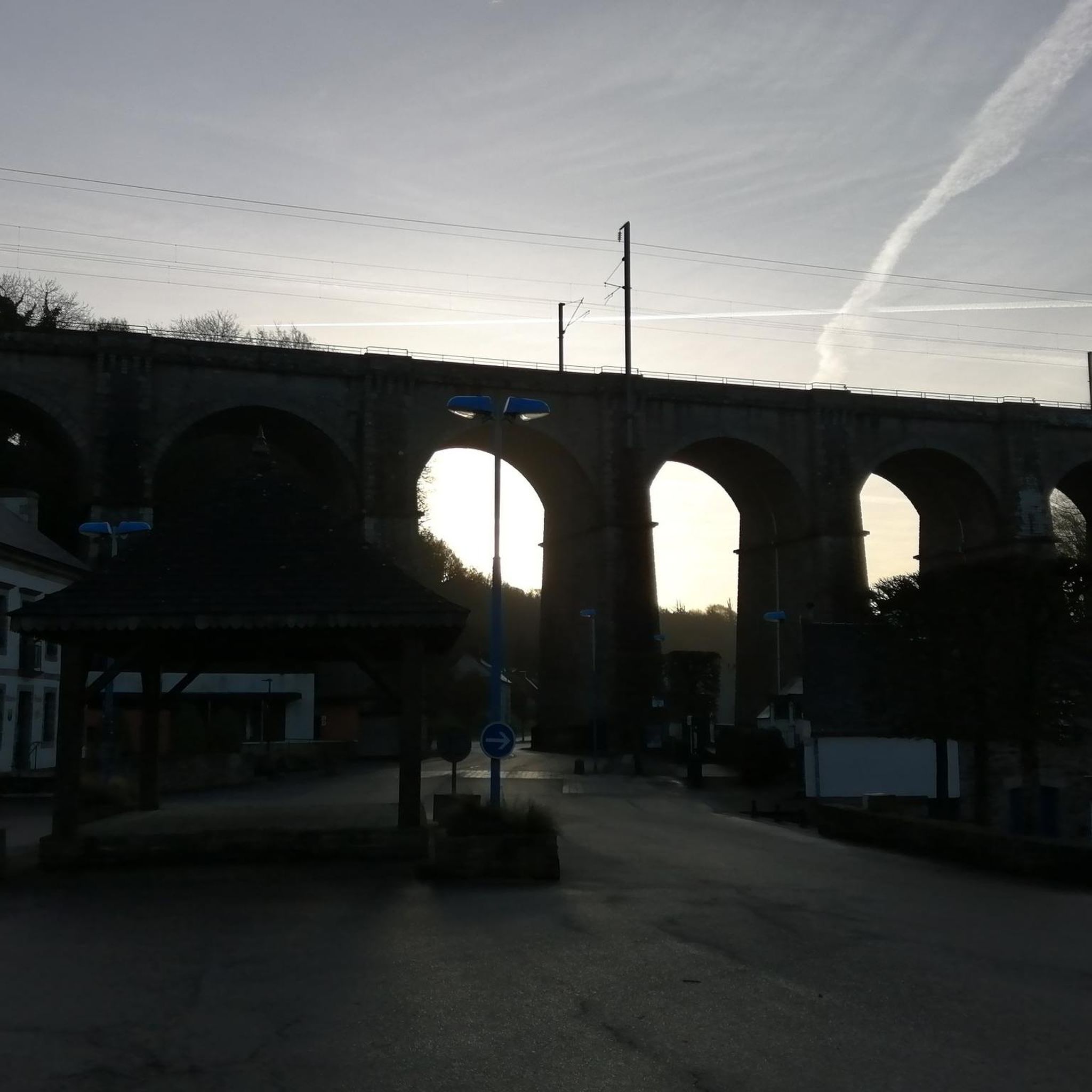
Le Ponthou offers a rich history to discover. You can visit the neo-classical Church of Saint-Barthélemy, rebuilt in 1845, which houses 17th-century statues. The impressive Railway Viaduct, constructed in 1861, is another significant architectural landmark. Don't miss the 13th-century Saint-Barthélemy Fountain, the Presbytery (1858), and the ancient Cemetery Cross. You can also find the tower of a 13th-century priory and vestiges of a former castle site.
Are there any natural attractions or features to see around Le Ponthou?
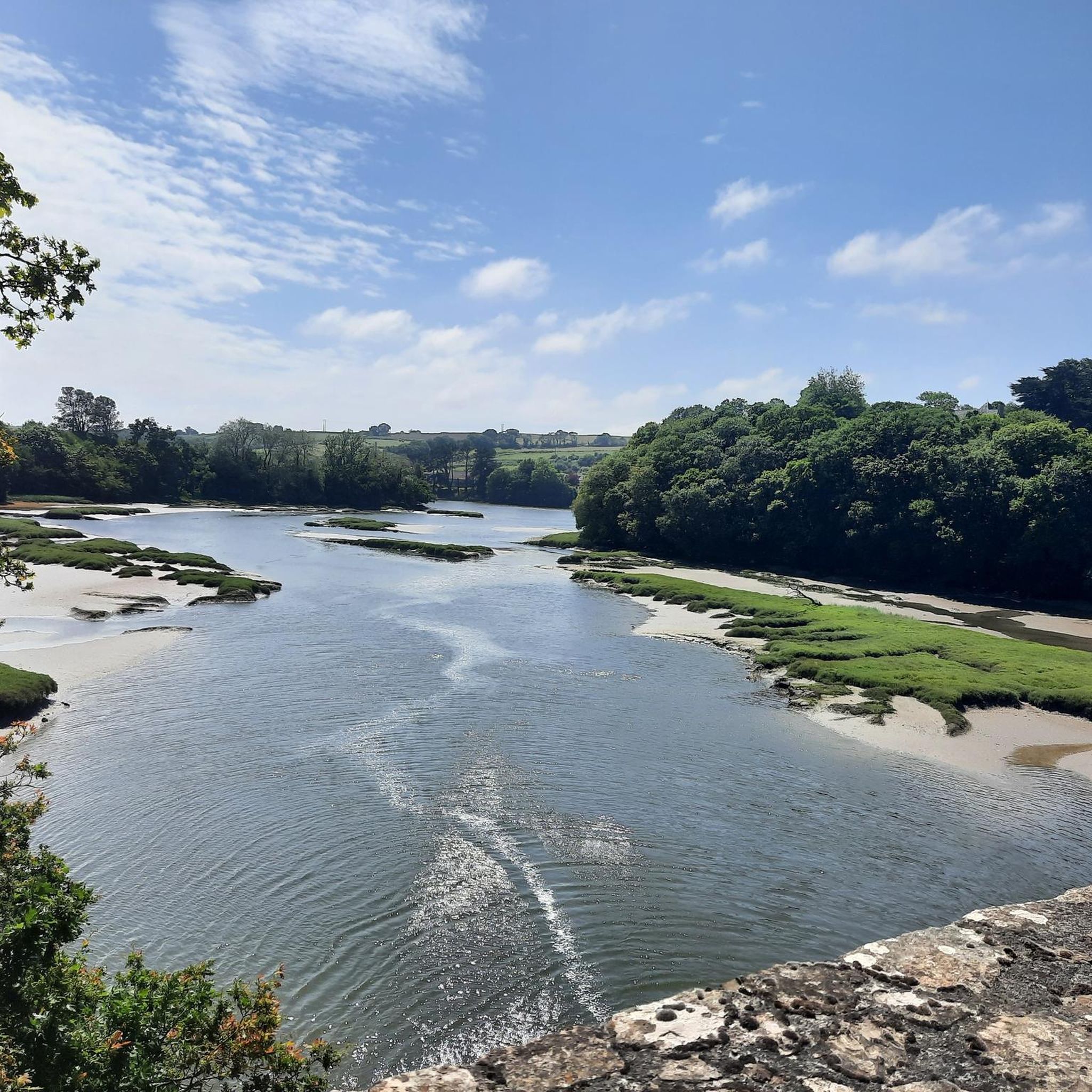
Le Ponthou is nestled in a picturesque natural setting. It is defined by its location at the confluence of the Douron River and its tributary, the Squiriou stream. The village is situated within the beautiful Douron Valley, offering scenic landscapes characteristic of the Petit Trégor region in northeastern Finistère.
What are some popular outdoor activities near Le Ponthou?
The area around Le Ponthou is excellent for outdoor enthusiasts. You can enjoy hiking, gravel biking, and running. For hiking, consider routes like the Étang du Guic – Guerlesquin loop or the Plouigneau – Menhir of Crec'h Edern loop. Gravel biking options include the Ponthou viaduct – Seigneurial Prison of Le Faou loop. For runners, there's the Plouigneau loop or the Tromorgant Valley loop.
Where can I find a good place for walking or hiking around Le Ponthou?
A popular spot for walking is around Étang du Guic, a lake where you can walk for 16 kilometers through woods and along rivers. For more structured hikes, explore the hiking trails around Le Ponthou, which include moderate options like the Botsorhel loop.
Are there any family-friendly attractions or activities in the area?
Yes, the area offers several family-friendly options. Étang du Guic is a great place for a family walk around the lake. The settlement of Plouigneau, with its visible church and historical milestone, can also be an interesting stop. Additionally, the Parish Close Plougonven is listed as family-friendly and offers historical and religious insights.
What is there to see in Guerlesquin?
Guerlesquin is a charming settlement known for its magnificent church dedicated to Saint Ténénan. It also features the Présidial, a former seigniorial prison built around 1640, which is a unique historical curiosity. The village offers a glimpse into traditional Breton culture, with local dancing often practiced during festivals.
What is the best time to visit Le Ponthou for outdoor activities?
While specific seasonal considerations are not detailed, the Douron Valley's natural beauty suggests that spring and summer would be ideal for enjoying outdoor activities like hiking, gravel biking, and exploring the natural features. The weather would generally be milder and more conducive for extended periods outdoors.
Are there any castles or grand estates nearby?
Yes, you can visit Château de Rosanbo, a beautiful medieval castle. It offers guided tours, though it's advisable to check their specific opening hours, especially during the low season, as access might be limited to certain times of day.
What kind of historical significance does Plouigneau hold?
Plouigneau is a town with historical roots, notably featuring a milestone at Quillien. This milestone is not a menhir but a kilometer marker installed during the Roman Empire, indicating an old Roman road. The town's church is also a prominent landmark visible from a distance.
Can I find places to eat or stay in Le Ponthou or nearby?
While Le Ponthou itself is a smaller commune, the surrounding area, including nearby towns like Plouigneau, offers options for accommodation and dining. You will easily find lodgings in the broader area to suit your needs, and local cafes and pubs are available in the region.
What is the Parish Close Plougonven?
The Parish Close Plougonven is a significant religious and historical site. It features the Saint-Yves parish church, built in flamboyant Gothic style, a calvary erected in 1554 depicting scenes from the life and Passion of Christ, and a 16th-century reliquary or ossuary. It's a remarkable example of Breton religious architecture and art.
Most popular routes around Le Ponthou

Get inspired with the komoot mobile app


Explore more
Still not found the Highlight you’re looking for? See guides of the top attractions in other regions:
