Attractions and Places To See around Chitry - Top 20
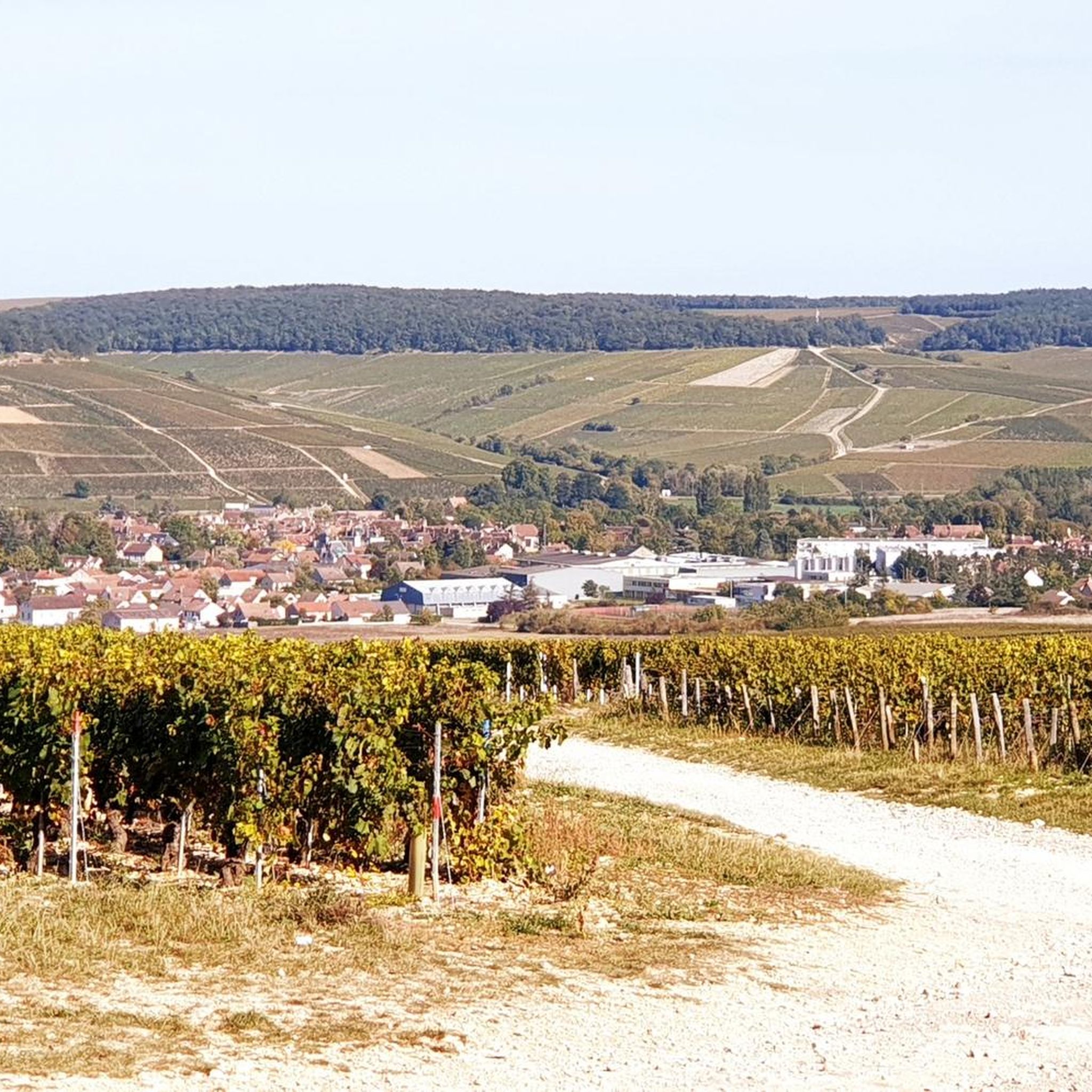
Best attractions and places to see around Chitry include a blend of historical heritage, natural beauty, and viticultural experiences in the Yonne department of Bourgogne-Franche-Comté. The area features vineyards, rolling landscapes, and historical landmarks. Chitry itself is known for its wine production, while nearby Auxerre offers significant architectural sites. This region provides opportunities for exploring historical sites and natural environments.
Best attractions and places to see around Chitry
- The most popular attractions is Place Surugue and Cadet Roussel Fountain, a man-made monument featuring old half-timbered houses and a fountain. This square is known for its historical significance and is a popular spot for visitors.
- Another must-see spot is Saint-Étienne Cathedral of Auxerre, a religious building that dominates the cityscape of Auxerre. Its high Gothic vaults offer an impressive architectural experience.
- Visitors also love Paul Bert Bridge, a bridge offering views of Auxerre. From this location, views of the old town of Auxerre are available.
- Chitry is known for its historical sites, religious buildings, and scenic viewpoints. The region offers a variety of attractions to see and explore, from fortified churches to vineyards.
- The attractions around Chitry are appreciated by the komoot community, with more than 200 upvotes and 26 photos shared by visitors.
Last updated: June 23, 2026
Place Surugue and Cadet Roussel Fountain
Highlight • Monument
There is a fountain in the square that is reminiscent of the famous French folk song "Cadet Roussel".
The role model for the main character and namesake was allegedly the bailiff Guillaume Roussel from Auxerre. (1743 - 1807)
More on Wikipedia:
de.m.wikipedia.org/wiki/Cadet_Rousselle
Translated by Google •
Tip by

Saint-Étienne Cathedral of Auxerre
Highlight • Religious Site
You can visit the cathedral for free, which you should definitely do. The sight of these incredibly high Gothic vaults is a lasting experience.
If you want to visit the crypt, you have to pay an entrance fee of 3.50 euros.
The crypt was built between 1023 and 1035 and dates from the Romanesque cathedral, which was destroyed in 1215.
The current cathedral was built on the site of the old Romanesque cathedral. The different construction phases stretched from the 13th century to the 16th century.
Translated by Google •
Tip by
Sign up now to discover places like this
Get recommendations on the best single tracks, peaks, & plenty of other exciting outdoor places.
Sign up for free
Abbaye Saint-Germain
Highlight • Other
An interesting church, with excavations in the basement and temporary exhibitions inside the church.
Translated by Google •
Tip by

Saint Nicholas Square
Highlight • Other
Translated by Google •
Tip by
Saint-Martin Collegiate Church
Highlight • Religious Site
Built in 1160, rebuilt from 1220. Apart from the tower, all the walls date from the Middle Ages. The paintings from the 13th century and the horseshoes on the side gate identify the building as a stage on the St. James pilgrimage to Santiago de Compostela. The various restorations have not changed the building, with the exception of the tower, which was added in 1852.
moulindelacoudre.fr/de/2017/02/11/die-stiftskirche-saint-martin
Translated by Google •
Tip by

Sign up for free to discover even more attractions around Chitry.
Sign up for free
Already have an account?
Start today with a free account
Your next adventure awaits.
Login or Signup

Tips from the Community

Beautiful church in Chablis currently being renovated
1
0

I walked past without seeing it 😂😂
0
0

The site is open from 10 a.m. and can be visited free of charge. There are deckchairs in the cloister for a shady and quiet break. The museums are worth a visit. You learn a lot about the history of the city, which dates back to at least the 5th century. You can see from the church that it has been rebuilt several times. The archaeological crypt, which is located under the forecourt of today's church, is very impressive. You should plan enough time for a visit. It took me almost two hours to get an initial overview. "The former abbey of Saint-Germain d'Auxerre is located north of the city center of Auxerre. Bishop Germanus of Auxerre founded it and provided his family's land outside the former city walls as well as land to ensure its existence. The first building of the monastery was a simple chapel. At the beginning of the 6th century, the Merovingian Queen Chrodechild, the wife of King Clovis I, had the chapel expanded into a basilica. Fires in the 11th and 12th centuries required extensive renovation work on the nave in the second half of the 12th century; Of the Romanesque double tower facade that was built, only the southern tower has been preserved. The monastery was partially destroyed by Huguenots in 1567, secularized in 1810 and partially demolished the following year. The nave was reduced to its Gothic parts, which were given a neo-Gothic façade in 1817: As a result of this measure, the remaining south tower now has no connection to the basilica. Today the Musée-Abbaye Saint-Germain is located on the site of the abbey. Musée d'Art et d'Histoire d'Auxerre." More about the history here: https://de.wikipedia.org/wiki/Saint-Germain_d%E2%80%99Auxerre
0
0
The Saint-Martin collegiate church from the 12th and 13th centuries is very well preserved. The church is definitely worth a visit. A special feature is the south portal, whose door wings are decorated with various horseshoes. Built in 1160, rebuilt from 1220. Apart from the tower, all the walls date from the Middle Ages. The paintings from the 13th century and the horseshoes on the side gate identify the building as a stage on the St. James pilgrimage to Santiago de Compostela. The various restorations have not changed the building, with the exception of the tower, which was added in 1852. https://www.moulindelacoudre.fr/de/2017/02/11/die-stiftskirche-saint-martin/
3
0
The site is open from 10 a.m. and can be visited free of charge. Deckchairs are available in the cloister for a shady and quiet break. The museums are worth a visit. You learn a lot about the history of the city, which dates back to at least the 5th century. The church shows that it has been rebuilt several times. The archaeological crypt located under the forecourt of today's church is very impressive. You should plan enough time for a visit. It took me almost two hours to get a first overview. "The former Abbey of Saint-Germain d'Auxerre is located north of the city center of Auxerre. Bishop Germanus of Auxerre founded it and provided his family with land outside the then city walls and lands to ensure its existence. The first building of the monastery was a simple chapel. At the beginning of the 6th century, the Merovingian Queen Chrodechild, the wife of King Clovis I, had the chapel converted into a basilica. Fires in the 11th and 12th centuries necessitated extensive renovations to the nave in the second half of the 12th century; Only the southern tower of the Romanesque double-tower facade that was erected at the time has survived. The monastery was partially destroyed by Huguenots in 1567, secularized in 1810 and partially demolished the following year. The nave was reduced to its Gothic parts, which were given a neo-Gothic facade in 1817: the preserved south tower is now not connected to the basilica as a result of this measure. The Musée-Abbaye Saint-Germain is now on the site of the abbey. Musée d'Art et d'Histoire d'Auxerre." More about the story here: https://de.wikipedia.org/wiki/Saint-Germain_d%E2%80%99Auxerre
1
0
The cathedral is open for tours during the day and this is not to be missed! It is a major work of French Gothic architecture and impresses with its high, light-flooded vaults and colorful windows. "The cathedral is located in the center of the old town on a hill above the Yonne. Saint-Étienne was begun in 1215. Today's Gothic cathedral is the fifth building on this site. In 1567 the Huguenots sacked the city and the cathedral, which necessitated repairs, particularly to the choir glazing. The French Revolution caused countless damage to the building and its furnishings. The goldsmith's work was melted down, the church was transformed into a temple of reason, and the important statue of the suffering Stephen on the high altar only escaped destruction because it was turned into a suffering Marat in the bath. In 1840 Prosper Mérimée placed the cathedral under monument protection. Extensive restoration work took place throughout the 19th century." Much more about the history here: https://de.wikipedia.org/wiki/Kathedrale_von_Auxerre
2
0
The Saint-Martin collegiate church from the 12th and 13th centuries is very well preserved. The church is definitely worth a visit. A special feature is the south portal, whose door wings are decorated with various horseshoes. Like many church buildings from the early Middle Ages, the Saint-Martin collegiate church (built in 1160, rebuilt from 1220) was inspired by the cathedral of Sens. Apart from the tower, all the walls date from the Middle Ages. The paintings from the 13th century and the horseshoes on the side gate identify the building as a stage on the St. James pilgrimage to Santiago de Compostela. The various restorations have not changed the building, except for the tower, added in 1852, whose top is 50 meters high. https://www.moulindelacoudre.fr/de/2017/02/11/die-stiftskirche-saint-martin/
1
0
Rue du Temple also begins here heading south. The Templars had a headquarters on this street. There are a lot of small shops there and of course many beautiful houses. What you can't see at first glance is the entrance to a relatively large supermarket. The Monoprix food department is hidden behind the clothing department, which can be seen from the square.
2
0
Frequently Asked Questions
What historical and cultural sites can I visit in and around Chitry?
Chitry-le-Fort is home to the unique 13th-century Église Saint-Valérien, a fortified church with a rich military history. Nearby, you can explore the historic city of Auxerre, which features the impressive Saint-Étienne Cathedral of Auxerre and the significant Abbaye Saint-Germain. Other notable sites in the region include Pontigny Abbey, the medieval village of Noyers-sur-Serein, and the UNESCO World Heritage site of Vézelay Basilica.
Where can I find scenic views around Chitry?
For breathtaking views, visit the Paul Bert Bridge in Auxerre, which offers panoramic vistas of the old town. The entire Chitry area, with its rolling landscapes, vineyards, and cherry orchards, provides numerous scenic spots ideal for photography and leisurely strolls.
What natural features are prominent in the Chitry area?
The region is characterized by its extensive vineyards, which are a defining natural and agricultural feature. These vineyards, particularly those producing Bourgogne Chitry appellation wines, are set amidst picturesque rolling hills. The nearby Yonne river also contributes to the scenic beauty of the area, especially around Auxerre.
What outdoor activities are available around Chitry?
The scenic landscapes around Chitry are perfect for outdoor enthusiasts. You can enjoy hiking, cycling, and exploring the vineyards. The area is also renowned for wine tasting experiences. For specific routes, you can find many options for hiking, cycling, and gravel biking.
Are there hiking trails suitable for different skill levels near Chitry?
Yes, there are hiking trails for various skill levels. For an easy walk, consider the 'Beines lake – Bench with View of Vineyard loop from Beine' (4.8 km). Moderate options include 'Panorama – Douzein Orientation Table loop from Saint-Bris-le-Vineux' (12 km) or 'Paul Bert Bridge – Statue of Paul Bert loop from Augy' (14.3 km). More challenging routes like 'Douzein Orientation Table – Panorama loop from Saint-Bris-le-Vineux' (22.2 km) are also available. You can explore more options on the hiking guide for Chitry.
Can I go cycling around Chitry?
Absolutely! The region offers a variety of cycling routes through its vineyards and charming villages. You can find routes like 'Chablis Cycles – Saint-Martin Collegiate Church loop from Préhy' (17 km, moderate) or 'Belombre Castle – Pont sur Yonne loop from Saint-Bris-le-Vineux' (20.8 km, moderate). For more challenging rides, consider 'Viewpoint from Chablis – Saint-Martin Collegiate Church loop from Chitry' (47.1 km, difficult). Discover more routes on the cycling guide for Chitry.
Are there family-friendly attractions in the Chitry area?
Many attractions in the area are suitable for families. The Paul Bert Bridge offers pleasant views, and the Saint-Étienne Cathedral of Auxerre is an impressive architectural site that can be visited for free. Exploring the historic village of Chitry-le-Fort itself and its fortified church can also be an engaging activity for families.
What opportunities are there for wine tasting in Chitry?
Chitry is a significant wine-producing village, particularly known for its Bourgogne Chitry appellation wines (white, red, and rosé). Visitors can enjoy wine tastings directly from local producers, especially of the crisp white Chardonnays and fruity Pinot Noir reds. The nearby town of Chablis, famous worldwide for its white wines, is also a must-visit for wine enthusiasts.
What do visitors particularly enjoy about the attractions around Chitry?
Visitors frequently praise the historical significance and beauty of sites like Place Surugue and Cadet Roussel Fountain, with its charming half-timbered houses. The architectural grandeur of the Saint-Étienne Cathedral of Auxerre and the peaceful atmosphere of the Abbaye Saint-Germain are also highly appreciated. Many enjoy the scenic views from the Paul Bert Bridge and the overall charm of the region's historical sites and natural beauty.
Are there any unique architectural landmarks near Chitry?
Beyond Chitry's own fortified church, the region boasts several unique architectural landmarks. The Saint-Étienne Cathedral of Auxerre is a prime example of high Gothic architecture. Further afield, the Vézelay Basilica is a monumental Romanesque masterpiece and a UNESCO World Heritage site. The ongoing construction of Guedelon, a medieval castle built using only 13th-century techniques, offers a truly unique architectural experience.
What is the best time to visit Chitry for outdoor activities?
The scenic, rolling landscapes of Chitry, with its vineyards and cherry orchards, make it an ideal natural playground for hikers and cyclists. Spring and autumn generally offer pleasant weather for outdoor activities, with milder temperatures and beautiful seasonal colors. Summer is also popular, though it can be warmer, while winter offers a different, quieter charm.

Get inspired with the komoot mobile app


Explore more
Still not found the Highlight you’re looking for? See guides of the top attractions in other regions:
