Attractions and Places To See around Chablis - Top 20
Attractions and places to see around Chablis include a variety of historical sites, religious buildings, and natural features. The region, known for its vineyards, also presents opportunities to explore local heritage and unique geological formations. Visitors can discover ancient structures and natural springs that offer insights into the area's history and environment. These points of interest provide diverse options for those exploring the Chablis region.
Best attractions and places to see around Chablis
- The most popular attractions is Fosse Dionne and the town of Tonnerre, a historical site and natural monument. This karst spring, known as the Vaucluse source, is located in the city center of Tonnerre and features an elaborate 18th-century washhouse built around it.
- Another must-see spot is Notre-Dame Church, a religious building that became the main church of Tonnerre. This monument took on its current appearance in the 16th and 17th centuries, featuring a high tower.
- Visitors also love Saint Peter's Church, a church with multiple architectural facets. Built around the 11th century, it was largely rebuilt after a fire in 1556, mixing Italian Renaissance and classical styles.
- Chablis is known for its historical sites and religious buildings. The region offers a variety of attractions to see and explore, from medieval hospitals to ancient churches.
- The attractions around Chablis are appreciated by the komoot community, with 64 upvotes and 24 photos shared by visitors.
Last updated: October 5, 2026
Fosse Dionne
Highlight • Natural Monument
His presence is at the origin of the creation of the city of Tonnerre. An elaborate washhouse was built around the spring in the 18th century.
Wikipedia
Translated by Google •
Tip by

Saint-Martin Collegiate Church
Highlight • Religious Site
Built in 1160, rebuilt from 1220. Apart from the tower, all the walls date from the Middle Ages. The paintings from the 13th century and the horseshoes on the side gate identify the building as a stage on the St. James pilgrimage to Santiago de Compostela. The various restorations have not changed the building, with the exception of the tower, which was added in 1852.
moulindelacoudre.fr/de/2017/02/11/die-stiftskirche-saint-martin
Translated by Google •
Tip by

Sign up now to discover places like this
Get recommendations on the best single tracks, peaks, & plenty of other exciting outdoor places.
Hôtel-Dieu de Tonnerre
Highlight • Historical Site
The Hôtel-Dieu was donated by Margaret of Burgundy and built from 1293 to 1295. The facility, known as the Hôpital Notre-Dame des Fontenilles, had space for 40 patients, although significantly more people were later accommodated. Marguerite de Bourgogne had a residential wing built next to it, called Le château (the castle), where she herself lived as a widow. Her body was buried in the chapel of the Hôtel-Dieu in 1308.
de.m.wikipedia.org/wiki/H%C3%B4tel-Dieu_(Tonnerre)
Translated by Google •
Tip by
Notre-Dame Church
Highlight • Religious Site
Translated by Google •
Tip by
Saint Peter's Church
Highlight • Other
Translated by Google •
Tip by
Sign up for free to discover even more attractions around Chablis.
Already have an account?
Start today with a free account
Your next adventure awaits.
Tips from the Community

Beautiful church in Chablis currently being renovated
1
0

I walked past without seeing it 😂😂
0
0

The church in Tonnerre was dedicated to Saint Peter / “Saint-PIERRE”. Simon, nicknamed Peter (the word means "rock"), was a fisherman on the Sea of Galilee when he - together with his brother Andrew - was called by Jesus Christ to be "fishers of men". According to Catholic understanding, he is the supreme apostle, and the two millennia-long line of popes - currently Francis - are his successor. On statues and paintings, Peter is almost always depicted with two keys in his hand; this attribute refers to the biblical saying in Matthew: “I will give you the keys of the kingdom of heaven; Whatever you bind on earth will be bound in heaven, and whatever you loose on earth will be loosed in heaven” (Chapter 16, verse 19). Saint-Pierre is - together with Saint-Paul - also known as the “Princes of the Apostles”, their common feast day in the saints' calendar is on June 29th.
0
0

The Saint-Martin collegiate church from the 12th and 13th centuries is very well preserved. The church is definitely worth a visit. A special feature is the south portal, whose door wings are decorated with various horseshoes. Built in 1160, rebuilt from 1220. Apart from the tower, all the walls date from the Middle Ages. The paintings from the 13th century and the horseshoes on the side gate identify the building as a stage on the St. James pilgrimage to Santiago de Compostela. The various restorations have not changed the building, with the exception of the tower, which was added in 1852. https://www.moulindelacoudre.fr/de/2017/02/11/die-stiftskirche-saint-martin/
3
0

The Hotel Dieu is the work of Marguerite de Bourgogne. it is the longest medieval hospital in Europe. It was built in the XIII century.
0
1
We enjoyed a remarkable guided tour.
0
0
The Saint-Martin collegiate church from the 12th and 13th centuries is very well preserved. The church is definitely worth a visit. A special feature is the south portal, whose door wings are decorated with various horseshoes. Like many church buildings from the early Middle Ages, the Saint-Martin collegiate church (built in 1160, rebuilt from 1220) was inspired by the cathedral of Sens. Apart from the tower, all the walls date from the Middle Ages. The paintings from the 13th century and the horseshoes on the side gate identify the building as a stage on the St. James pilgrimage to Santiago de Compostela. The various restorations have not changed the building, except for the tower, added in 1852, whose top is 50 meters high. https://www.moulindelacoudre.fr/de/2017/02/11/die-stiftskirche-saint-martin/
1
0
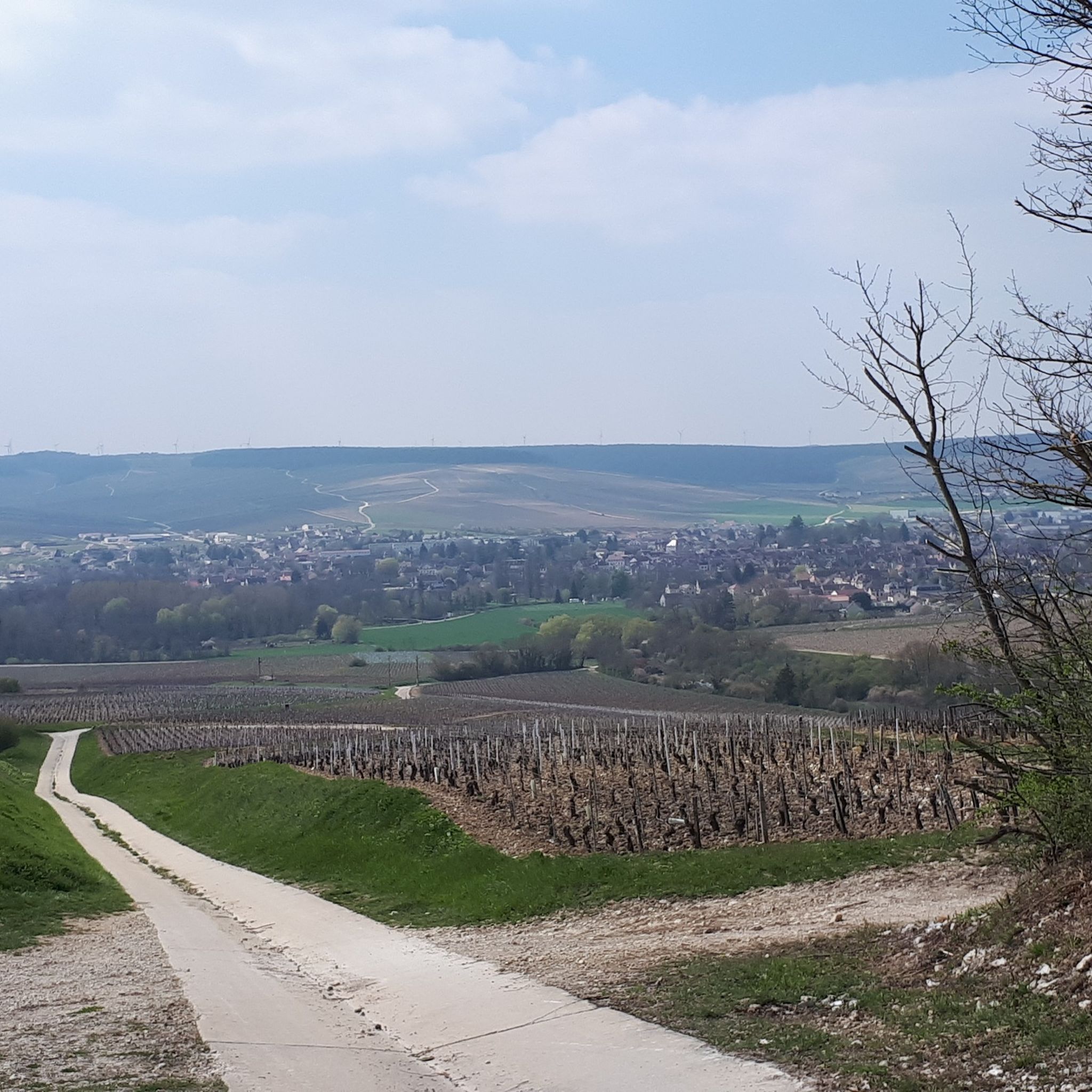
We were there in the morning and the church was still closed. The building from the outside and the beautiful view of the city from there made up for it.
3
0
Frequently Asked Questions
What kind of historical sites can I visit around Chablis?
The region is rich in history. You can explore the medieval hospital, Hôtel-Dieu de Tonnerre, founded in 1293 by Margaret of Burgundy. Another significant site is the Fosse Dionne and the town of Tonnerre, which features an elaborate 18th-century washhouse built around a natural karst spring, central to the town's origins.
Are there any notable religious buildings to see near Chablis?
Yes, several impressive religious buildings are worth visiting. The Notre-Dame Church in Tonnerre, which became the main church of the town, showcases 16th and 17th-century architecture with a distinctive high tower. Also, consider Saint Peter's Church, rebuilt after a 1556 fire, blending Italian Renaissance and classical styles, and the well-preserved 12th-century Saint-Martin Collegiate Church, known for its horseshoes on the south portal, indicating its past as a St. James pilgrimage stage.
What natural features can I explore in the Chablis area?
The most prominent natural feature is the Fosse Dionne, a powerful karst spring in Tonnerre. This natural monument is a resurgence with an average flow rate of 300 liters per second, and its underground network extends over 40 kilometers.
Are there family-friendly attractions around Chablis?
Many attractions in the region are suitable for families. Historical sites like the Fosse Dionne and the town of Tonnerre, the Hôtel-Dieu de Tonnerre, and churches such as Notre-Dame Church and Saint-Martin Collegiate Church are all categorized as family-friendly, offering educational and engaging experiences for all ages.
What outdoor activities can I do near the attractions in Chablis?
The Chablis region offers various outdoor activities, especially cycling and running, often through its famous vineyards. You can find numerous routes, such as the 'Chablis Village and Vineyards loop' for running or the 'Route touristique des vignobles de l’Yonne' for cycling. For more details on routes, explore the Running Trails around Chablis, Cycling around Chablis, and Road Cycling Routes around Chablis guides.
Are there easy hiking or walking trails around Chablis?
While many routes in the Chablis area are moderate to difficult, you can find easier options, particularly for road cycling, such as the 'Abbaye de Pontigny — loop from Chablis' which is rated easy. For walking, many vineyard paths offer gentle strolls, though specific 'easy hiking' trails are not explicitly detailed in the provided routes. The region's charm lies in its rolling vineyards, which are generally accessible for leisurely walks.
What is the best time to visit Chablis for outdoor activities?
The best time for outdoor activities in Chablis is typically from spring to early autumn (April to October). During these months, the weather is generally pleasant for exploring vineyards, cycling, and visiting historical sites. The vineyards are particularly beautiful in late spring and early autumn during harvest season.
What do visitors enjoy most about the attractions in Chablis?
Visitors frequently praise the unique historical and natural sites. The Fosse Dionne is often highlighted as a 'real must-see' for its unique round washhouse and turquoise spring. The Hôtel-Dieu de Tonnerre is highly recommended for its well-preserved medieval architecture and immersive historical experience, allowing visitors to 'escape to another time'.
Can I find circular walks through the Chablis vineyards?
Yes, the Chablis region is ideal for circular walks through its famous vineyards. Many cycling and running routes, such as the 'Chablis Village and Vineyards loop', can be adapted for walking, offering scenic paths through the wine country. These routes provide excellent opportunities to experience the landscape and see the vineyards up close.
Are there any hidden gem outdoor activities in Chablis?
While specific 'hidden gem' outdoor activities are not detailed, the extensive network of vineyard trails offers countless opportunities for exploration away from the main roads. Discovering lesser-known paths through the rolling hills and charming villages can provide a unique and personal outdoor experience in the Chablis region.
Is public transport available to reach attractions around Chablis?
Information on specific public transport routes to individual attractions is not readily available. However, Chablis itself is a small town, and many key attractions in nearby towns like Tonnerre are often accessible by local transport or are within walking distance from town centers. For detailed public transport options, it is advisable to check local tourism information upon arrival.
Are there any specific tips for visiting the Hôtel-Dieu de Tonnerre?
Yes, visitors highly recommend a visit to the Hôtel-Dieu de Tonnerre. It is very well preserved and offers excellent explanations of its history as a medieval hospital. You can check opening times and admission fees on its official website: hoteldieu-tonnerre.com. It's advised to allocate sufficient time to fully appreciate this historical monument.

Get inspired with the komoot mobile app


Explore more
Still not found the Highlight you’re looking for? See guides of the top attractions in other regions:
