Attractions and Places To See around L'Île-D'Olonne - Top 20
Best attractions and places to see around L'Île-D'Olonne, a village in Vendée, France, offers a blend of natural beauty and historical landmarks. The area is characterized by its rich salt-making heritage and expansive marshes, providing a unique ecosystem. Located near Les Sables-d'Olonne, it serves as a destination for those interested in nature, history, and local culture.
Best attractions and places to see around L'Île-D'Olonne
- The most popular attractions is Cycle route through the Marais d'Olonne, a cycle way that…
Last updated: October 9, 2026
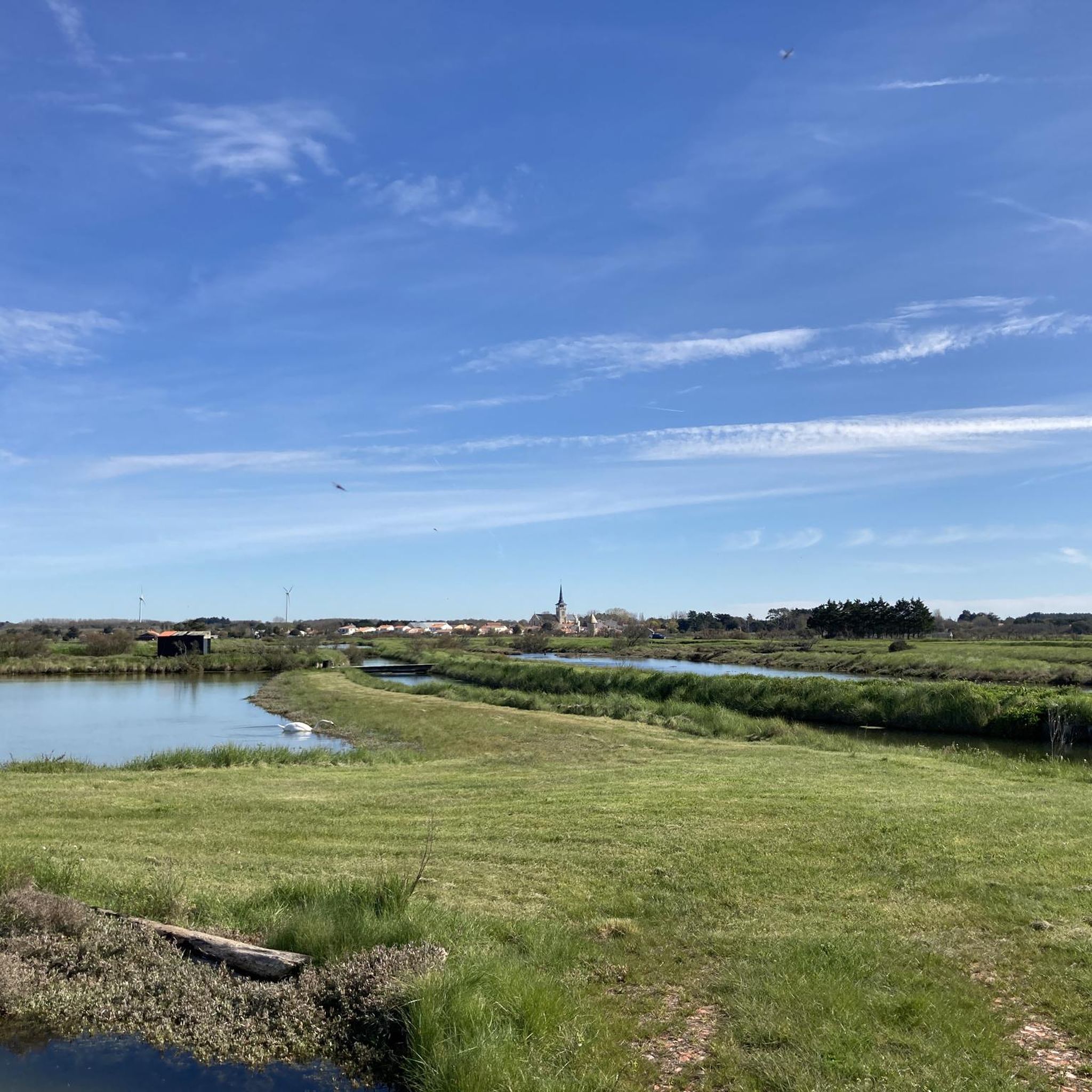
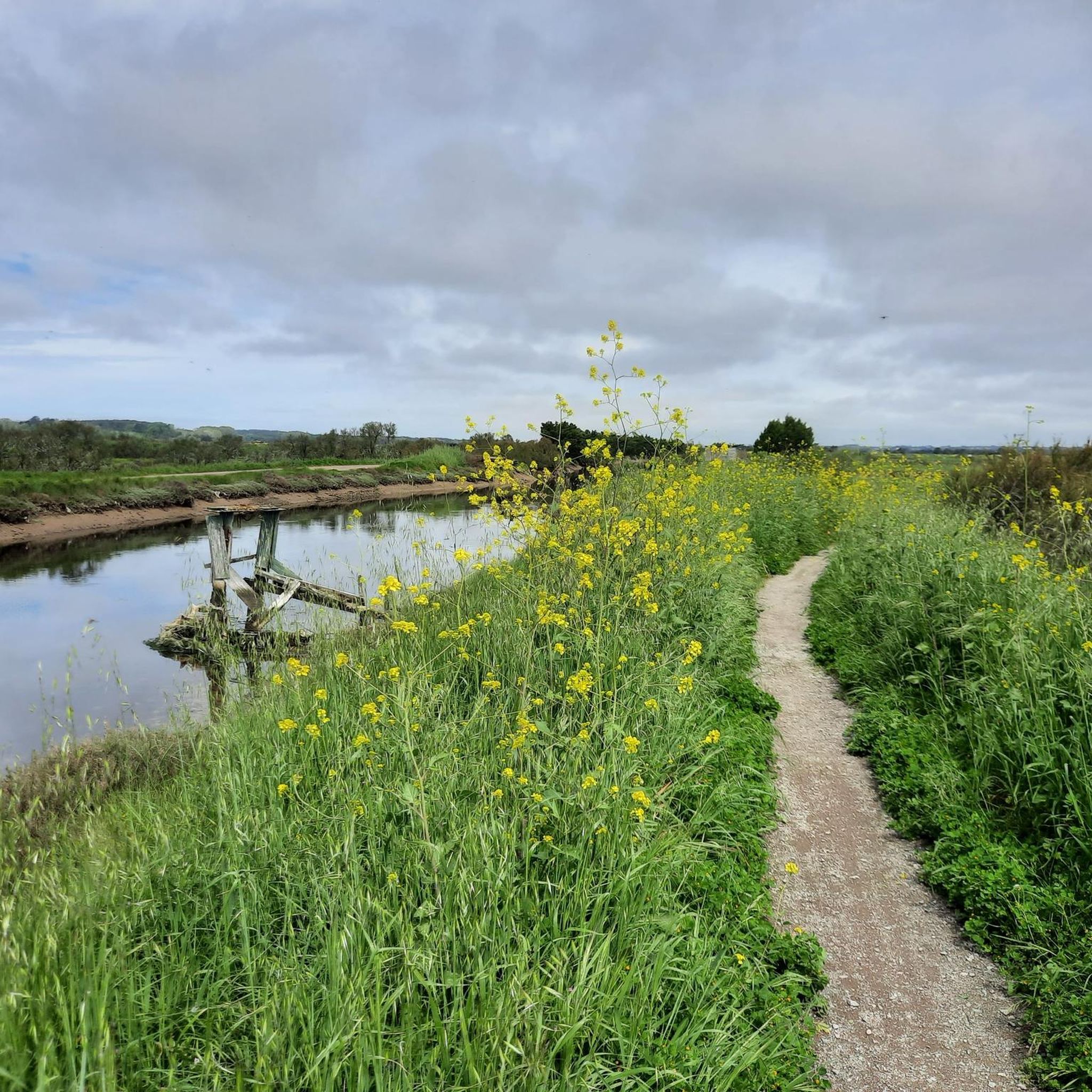
Cycle route through the Marais d'Olonne
Highlight (Segment) • Cycleway
Translated by Google •
Tip by

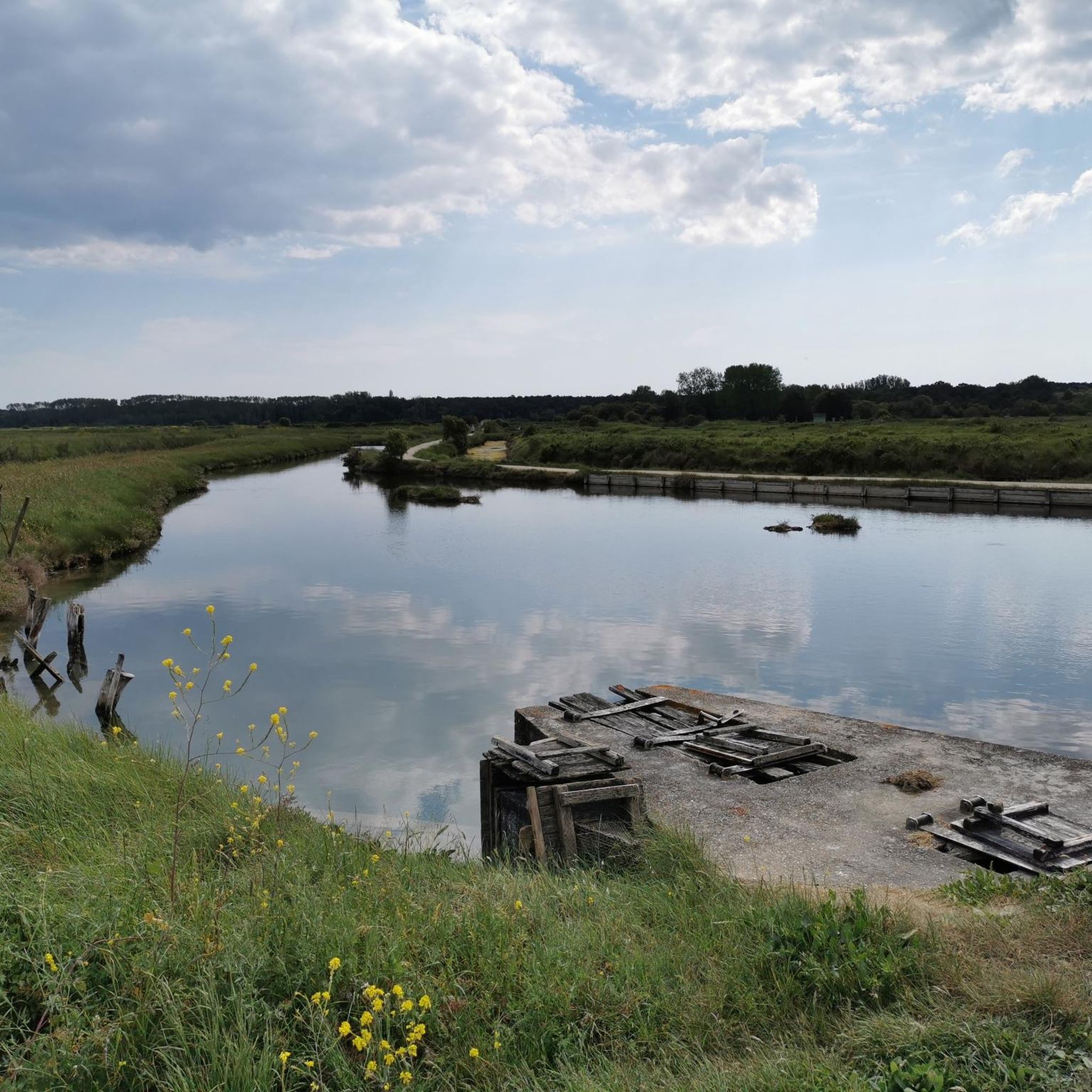
Marais d'Olonne
Highlight • Viewpoint
A variety of nature observations are possible. Please avoid unnecessary noise and do not drive on closed paths! Please do not leave the track!
Respect the nature!
Translated by Google •
Tip by

Sign up now to discover places like this
Get recommendations on the best single tracks, peaks, & plenty of other exciting outdoor places.
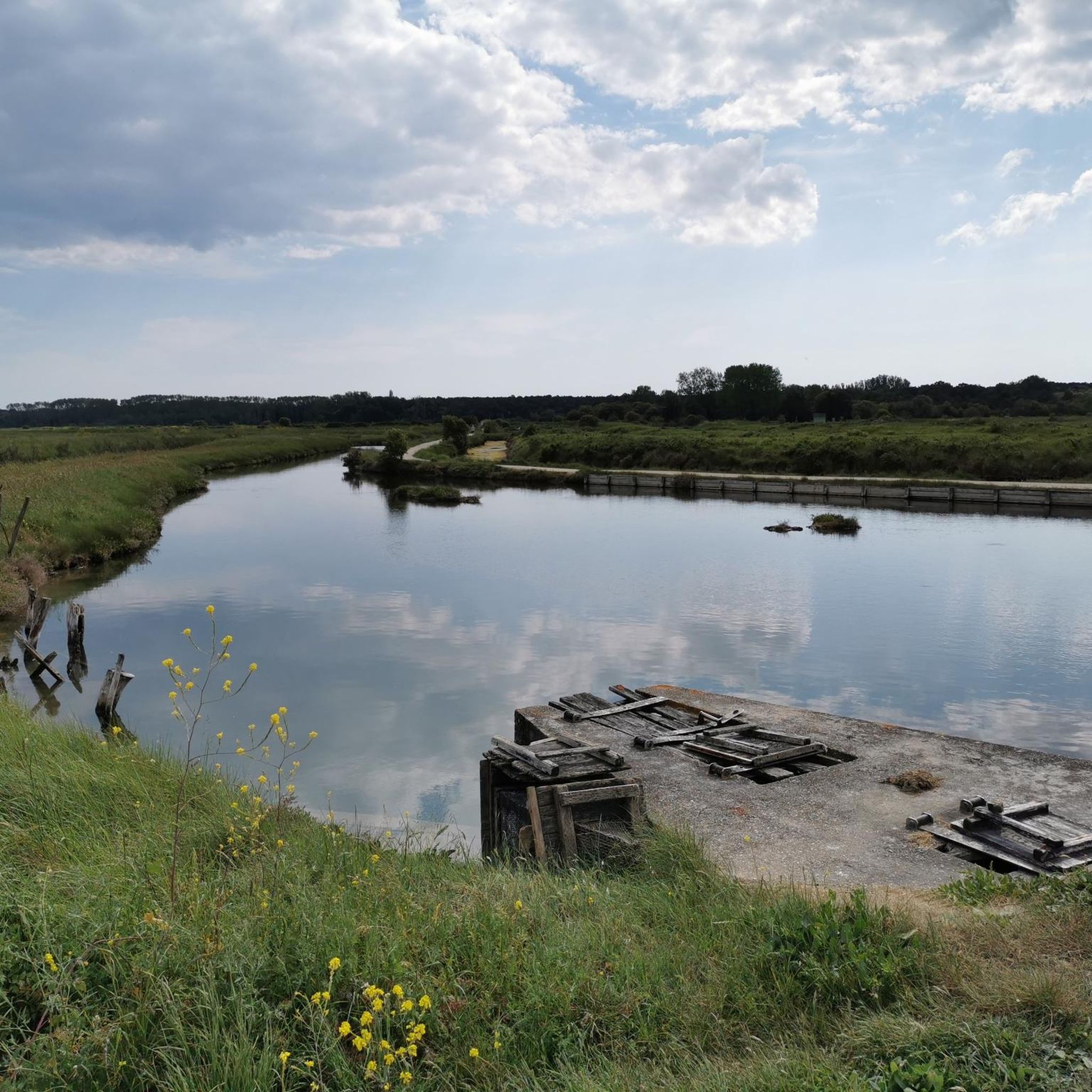
Brétignolles-sur-Mer Coastal Road
Highlight (Segment) • Beach
Translated by Google •
Tip by

Lake Jaunay
Highlight • Lake
Translated by Google •
Tip by

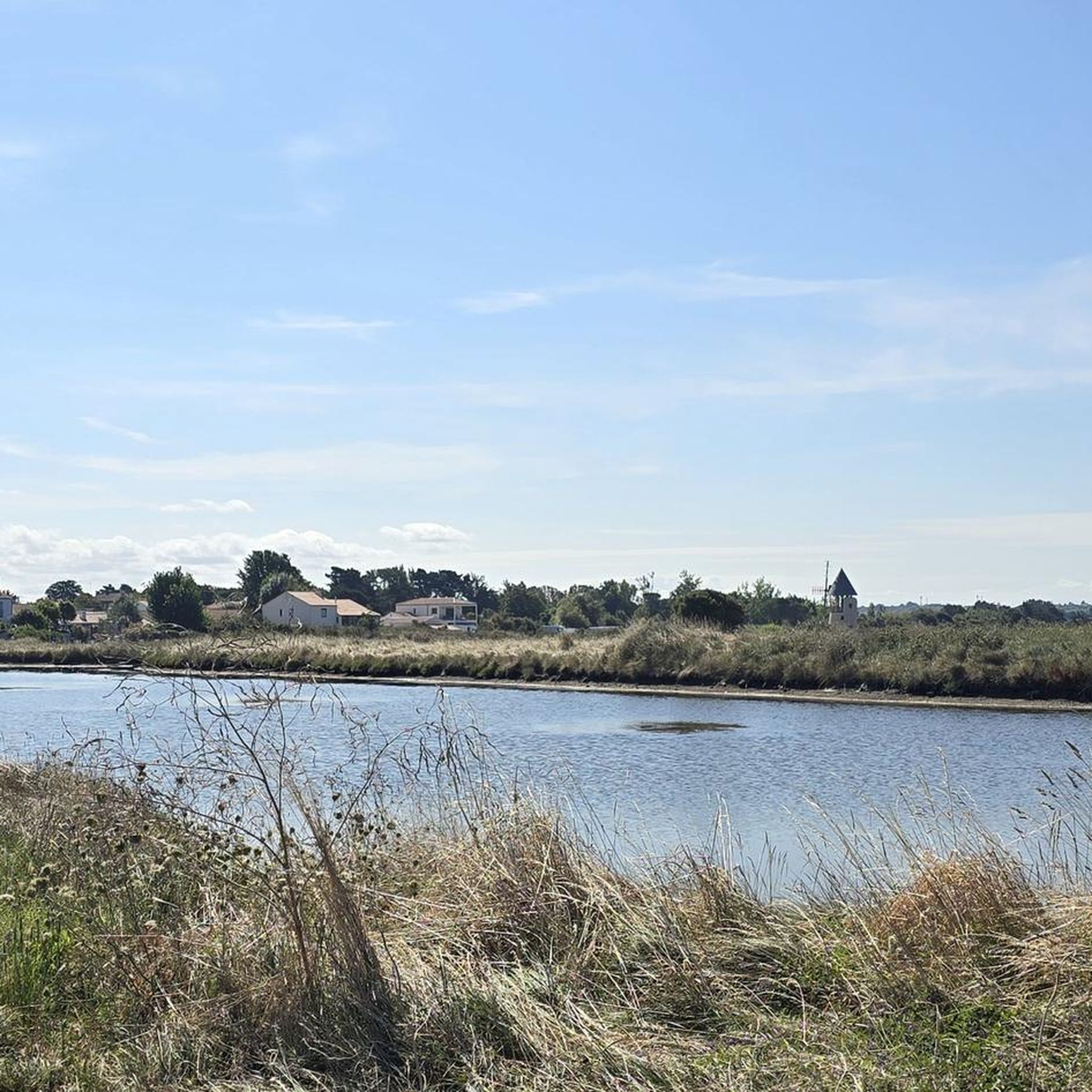
Gueffard Mill
Highlight • Other
Translated by Google •
Tip by

Sign up for free to discover even more attractions around L'Île-D'Olonne.
Already have an account?
Start today with a free account
Your next adventure awaits.

Tips from the Community

Beautiful mix of sea, sand and rocks, there's something for everyone !!
0
0

The Paracou–Goélia route is particularly captivating due to the extraordinary diversity of its landscapes. Within a few kilometers, it alternates between the lively waters of the canal, shaded forest paths, the wild coastline of Paracou, the maritime atmosphere of La Chaume and Port Olona, then the vast horizons of the marshes and the charm of L’Île-d’Olonne. Numerous bridges and changes of scenery continually punctuate the walk: between the sea, ports, bodies of water, light gravel paths, and small country roads, the eye is constantly drawn to something new.
1
0
The Paracou–Goélia route is particularly captivating due to the extraordinary diversity of its landscapes. In just a few kilometers, it alternates between the lively waters of the canal, shaded forest passages, the wild coastline of Paracou, the maritime atmosphere of La Chaume and Port Olona, then the vast horizons of the marshes and the charm of L’Île-d’Olonne. Numerous bridges and changes of scenery continually punctuate the walk: between the sea, ports, bodies of water, light gravel paths, and small country roads, the eye is constantly drawn to something new.
0
0

Very pleasant trail, very rolling, shaded by a forest of different types of wood
0
0

Rather than going around the marshes, why not take a walk right in the middle.
1
0

There is absolutely nothing at this location...
0
0

The Gueffard Mill on Île d'Olonne is an old windmill dating back to at least the 17th century, mentioned in 1656 under the name "moulin du Bourg". It was a common mill belonging to the lord of the Court of Île d'Olonne, who earned an income from its operation. This mill operated until 1932, with a diameter of 5.4 meters and a height of over 7 meters, equipped with a system allowing its sails to be oriented according to the wind. After years of abandonment, it was purchased by the municipality in 2002, and an association began its restoration in 2016, including the consolidation of the foundations and the creation of a belvedere. The mill is an important historical symbol of the local heritage of Île d'Olonne.
0
0

very well maintained, safe and relaxing.
1
0
Frequently Asked Questions
What natural features can I explore around L'Île-D'Olonne?
L'Île-D'Olonne is renowned for its natural beauty, particularly the vast Marais d'Olonne. This unique wetland ecosystem is perfect for hiking, cycling, and birdwatching, offering opportunities to spot diverse flora and fauna, including flamingos, and enjoy beautiful sunsets. The area also features the Lake Jaunay, a man-made natural setting popular for its serene beauty and challenging trails, and the expansive Olonne Forest, ideal for further exploration and wildlife spotting.
Are there historical landmarks to visit in L'Île-D'Olonne?
Yes, L'Île-D'Olonne boasts several historical sites. The Church of Saint-Martin de Vertou, a 12th-century Romanesque church, offers an imposing architectural presence and a bell tower with a breathtaking 360-degree panoramic view of the marshes and Olonne forest. You can also visit the Salaire bridge, a historic wooden bridge built in 1758 that spans the Vertonne River in the heart of the marsh, preserving its original appearance through reconstructions.
What kind of outdoor activities can I do near L'Île-D'Olonne's attractions?
The region around L'Île-D'Olonne offers numerous outdoor activities, especially cycling and hiking. You can enjoy a Cycle route through the Marais d'Olonne, which provides a pleasant circuit through marshes, forest, and to the beach. For more options, explore the various cycling routes and hiking trails available, ranging from easy to moderate difficulties, perfect for discovering the diverse landscapes.
Are there any family-friendly attractions or activities?
Absolutely. The Marais d'Olonne is considered family-friendly, offering easy trails for walking and birdwatching. Additionally, the Brétignolles-sur-Mer Coastal Road provides a fantastic bike path along the coast with pretty seaside views, suitable for families looking for a relaxed cycling experience.
What is the best time of year to visit L'Île-D'Olonne?
The best time to visit L'Île-D'Olonne is generally during the spring (May-June) and early autumn (September-October) when the weather is pleasant for outdoor activities like hiking and cycling, and the natural landscapes are vibrant. Summer months are also popular, especially for enjoying the coastal areas and marshes, though it can be busier.
Where can I learn about the local culture and history of L'Île-D'Olonne?
To delve into the local culture and history, particularly L'Île-D'Olonne's rich salt-making heritage, you can visit the Musée de la Petite Gare, an ecomuseum offering insights into the lives of inhabitants throughout centuries. The old salt warehouse, La Salorge, also provides a glimpse into the region's salt production history. You can also observe salt workers and learn about salt harvesting in the salt marshes.
Are there opportunities for birdwatching in the area?
Yes, the Marais d'Olonne is a prime location for birdwatching, home to diverse birdlife, including flamingos. For dedicated bird admirers, the D'Olonne Bird Observatory is available from May to July, managed by the ADEV (Association for the Defense of the Environment in Vendée).
What makes the salt marshes of L'Île-D'Olonne unique?
The salt marshes of L'Île-D'Olonne are unique due to their centuries-old history of salt exploitation, which has shaped both the landscape and economy. Monks played a significant role in developing the complex network of canals and basins still visible today. Visitors can observe traditional salt workers, learn about salt harvesting, and even purchase salt directly from producers. The marshes also feature picturesque marsh cabins, direct descendants of Neolithic habitations, maintained by salt workers.
Can I find challenging trails for hiking or cycling?
While many trails are easy to moderate, some routes offer more challenge. For instance, some passages around Lake Jaunay have extremely positive elevations and technical sections, making them suitable for more experienced hikers or mountain bikers. You can find more detailed information on difficulty levels within the hiking and cycling guides for the area.
What do visitors enjoy most about the attractions around L'Île-D'Olonne?
Visitors particularly enjoy the varied scenery and peaceful atmosphere. The Cycle route through the Marais d'Olonne is praised for its pleasant circuit through marshes, forest, and to the beach. The Marais d'Olonne itself is appreciated for its unique ecosystem, opportunities for nature observation, and beautiful sunsets. The historic Salaire bridge is also a popular spot for its historical significance and picturesque location within the marsh.
Are there any unique local crafts or products to discover?
Yes, the region's strong connection to its salt-making heritage means you can discover and purchase locally harvested salt directly from producers in the salt marshes. This offers a unique opportunity to take home an authentic product of L'Île-D'Olonne.
Most popular routes around L'Île-D'Olonne
Most popular attractions around L'Île-D'Olonne

Get inspired with the komoot mobile app


Explore more
Still not found the Highlight you’re looking for? See guides of the top attractions in other regions:
