Attractions and Places To See around Plerneuf - Top 20
Best attractions and places to see around Plerneuf include a blend of local historical sites and access to natural and cultural attractions in the surrounding region. Located in the Côtes-d'Armor department of Brittany, France, Plerneuf serves as a base for exploring the Breton coastline and nearby towns. The area features ancient structures, significant religious buildings, and diverse natural landscapes.
Best attractions and places to see around Plerneuf
- The most popular attractions is Port of Binic, a port and seaside…
Last updated: June 23, 2026
Parfond du Gouët Viaduct
Highlight • Bridge
Translated by Google •
Tip by

Port of Légué
Highlight • Settlement
Translated by Google •
Tip by
Sign up now to discover places like this
Get recommendations on the best single tracks, peaks, & plenty of other exciting outdoor places.
Sign up for free
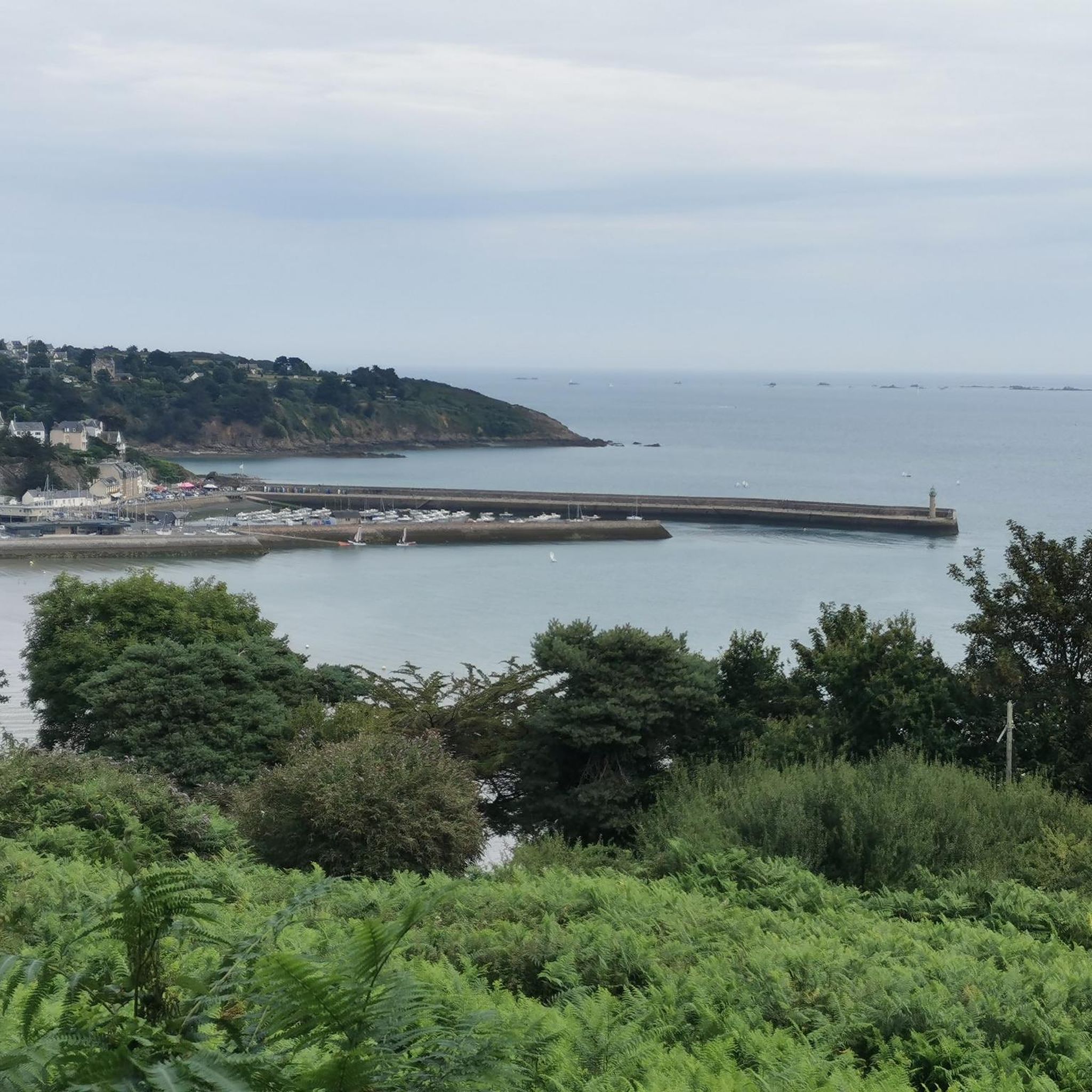
Port of Binic
Highlight • Structure
Translated by Google •
Tip by
Saint Stephen's Cathedral, Saint-Brieuc
Highlight • Religious Site
Translated by Google •
Tip by
Basilique Notre-Dame-de-Délivrance
Highlight • Religious Site
Translated by Google •
Tip by

Sign up for free to discover even more attractions around Plerneuf.
Sign up for free
Already have an account?
Start today with a free account
Your next adventure awaits.
Login or Signup



Tips from the Community

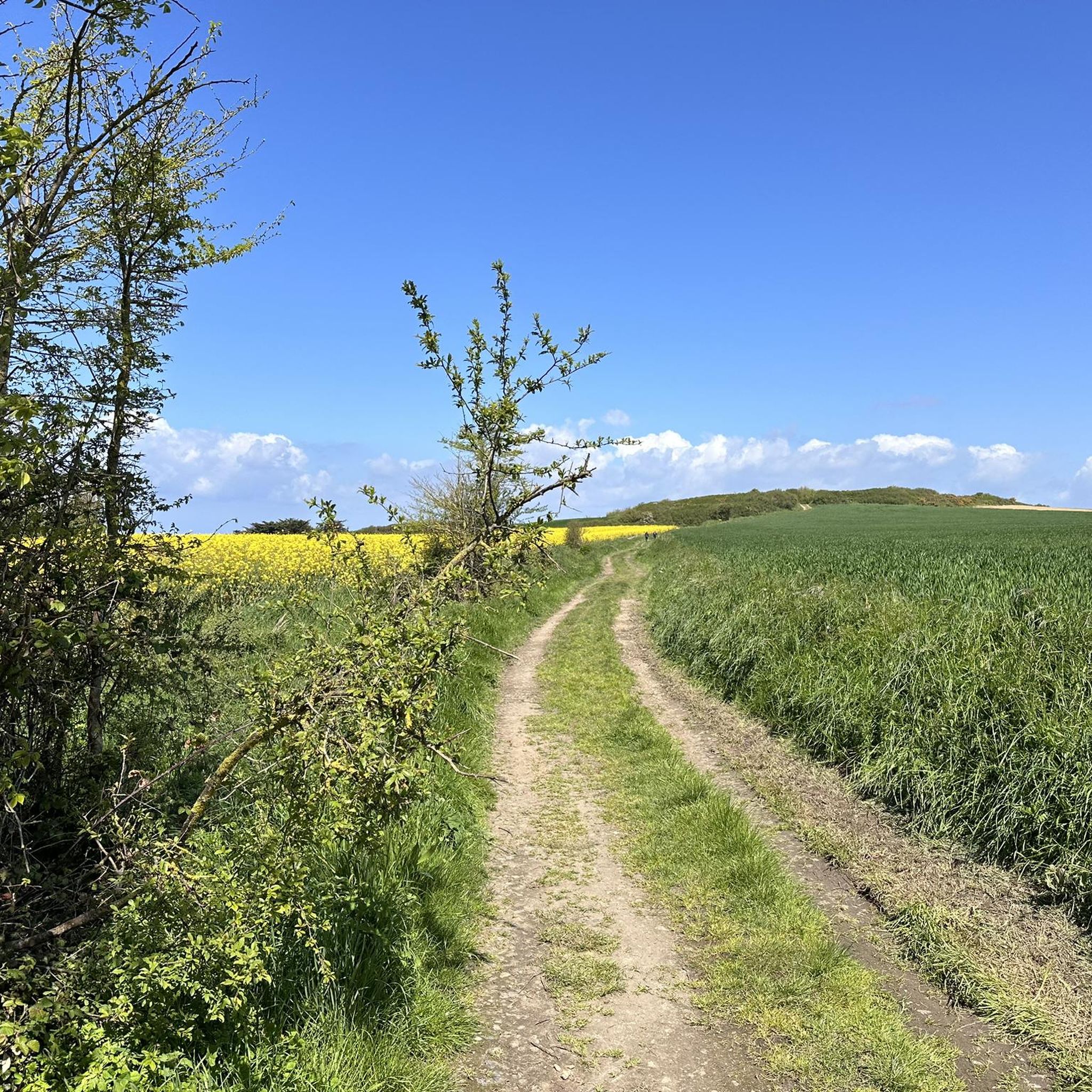
A path rather than a road that comes across a somewhat unexpected passage with a beautiful view from above.
0
0

The Greenway - and the Percée Viaduct - a fascinating story, which can be read on the information panels and is very interesting to me. Here's a translation of Vaduz: Like elegant young ladies striding over the valleys of the Lilliputian kingdom, at the beginning of the 20th century, nine viaducts, including the Parfond de Gouët Viaduct, with their beautiful brick arches, stretched along the very first railway line of the local network, St. Brieuc - Plouha. These engineering structures, built by a native of the region, Louis Harel de La Noë (1852-1931), a bridge and road engineer, allowed the small train of the Côtes-du-Nord to follow the winding and steep coastline without much effort. Lightness and elegance are the words that come to mind when describing the architecture of this 1903 building, characterized by numerous columns and arched vaults and its masonry in warm brick colors. The techniques used demonstrate boldness, ingenuity, and originality: reinforced concrete anchors (rebars) were installed to increase the compressive strength of the pillars and prevent cracks.
0
1

It is – contrary to the place name Sanint-Brieuc – Saint Stephen, under whose patronage this magnificent cathedral is dedicated. "Saint-Étienne" is one of the first seven deacons of the original Jerusalem church and, according to the biblical accounts in the "New Testament," is also the first martyr (blood witness) of early Christianity. The church commemorates his death on Boxing Day, December 26th. When Stephen recounted his vision of the open heavens, "And he, full of the Holy Spirit, looked up into heaven and saw the glory of God, and Jesus standing at the right hand of God" (Acts 7:55), the people were so outraged that they drove him out of the city and stoned him.
0
1

The photo is not extraordinary, but the place is worth the detour. Lots of small paths or singles for lots of fun.
0
0

The Basilica of Notre-Dame de Délivrance is a sacred place located in Hennebont, France. Built in the 20th century, this basilica seduces with its neo-Gothic architecture and its local religious importance.
0
1

The Parfond de Gouet viaduct is of course the highlight of this attractive segment.
1
0

The neo-Gothic bell tower, a building of the 19th century, marks the Quintin landscape. The basilica was rebuilt in 1887 on the site of the old collegiate church. But it was in the 13th century that Lord Geoffroy I Botherel, returning from a crusade with the holy relic of the Belt of the Virgin, gave new impetus to this Marian site. This subject is illustrated in sculpture on the tympanum. To discover the gallery of reclining figures and the baptismal font, designed by Jeanne Malivel, a leading artist of Breton Art Deco. The church became a minor basilica in 1934. The great Pardon Notre-Dame-de-Délivrance takes place every year in May. Open every day. Nearby on the rue Notre-Dame, stop in front of the monumental fountain Notre-Dame-d'entre-les-Portes from the 15th century.
1
0
The 13th century building was rebuilt in the 14th century, badly damaged by supporters of the H.Liga in the 16th century and restored in the 18th and 19th centuries. The cathedral offers a surprisingly massive appearance that is reminiscent of a fortress. The austere facade is flanked by two heavy towers with machicolations, propped up by robust buttresses. On the protruding cross arms there are towers with a pepper box roof.
7
0
Frequently Asked Questions
What are some notable historical landmarks in and around Plerneuf?
Plerneuf and its surroundings offer several historical sites. Within Plerneuf, you can visit the 16th-century Church of Saint-Pierre and Saint-Paul and the early 20th-century Chapel Notre-Dame des Vertus, which incorporates elements from an older 16th-century chapel. The ancient megalithic site, Allée Couverte de la Saudrais, is also located in Plerneuf. Further afield, consider visiting the impressive 13th-century Saint Stephen's Cathedral in Saint-Brieuc, or the Basilique Notre-Dame-de-Délivrance in Quintin, known for its 19th-century neo-Gothic bell tower and a 13th-century relic.
What natural attractions can I explore near Plerneuf?
The region around Plerneuf boasts diverse natural beauty. The Bay of Saint-Brieuc, particularly from Pointe du Roselier, offers impressive panoramas and is a significant bird sanctuary. You can also explore the unique Parfond du Gouët Viaduct, which spans the Gouët valley and is now part of a 40 km cycle route. The Gouët River itself is known for its 'chaos' of huge granite boulders. Further along the coast, the dramatic landscapes of Cap d'Erquy and Cap Fréhel are excellent for hiking, and the Sillon de Talbert is a unique 3.2 km long coastal spit important for ornithology.
Are there any charming towns or cultural sites worth visiting near Plerneuf?
Absolutely. Just 9 km away, Saint-Brieuc features a historic center with medieval houses, street art, and the modernized Légué Harbor with shops and restaurants. The small seaside resort of Binic, about 11 km away, offers an attractive harbor and beaches. Quintin, 13 km from Plerneuf, is a medieval town with charming half-timbered houses. Moncontour, about 25 km away, is another well-preserved medieval town. Beauport Abbey, a 13th-century site with beautiful buildings and gardens, is also worth a visit.
What do visitors particularly enjoy about the attractions around Plerneuf?
Visitors appreciate the blend of historical sites, natural beauty, and charming towns. The Port of Binic is loved for its pleasant atmosphere, seafood restaurants, and beautiful viewpoint. The Parfond du Gouët Viaduct is noted as a remarkable structure for pedestrians and cyclists. The modernized Légué Harbor in Saint-Brieuc is praised for its colorful old shipowners' houses, shops, and restaurants. The area's attractions have garnered over 220 upvotes and more than 40 photos from the komoot community.
Are there hiking opportunities near Plerneuf's attractions?
Yes, the area around Plerneuf offers various hiking opportunities. You can find easy to moderate trails, such as the 'Saint-Barthélémy Dam – Pont Noir South Section loop' or 'Le pré de l'Aulne loop'. The renovated Parfond du Gouët Viaduct is also part of a route accessible to pedestrians. For more detailed hiking routes and options, you can explore the dedicated guide: Hiking around Plerneuf.
Can I find cycling routes around Plerneuf?
Certainly! The region is well-suited for cycling. The Parfond du Gouët Viaduct is a highlight on a 40 km cycle route. You can find various road cycling routes, such as the 'Saint Peter's Church – Port of Binic loop', or more challenging MTB trails like 'The Little Haven – Parfond de Gouët Viaduct loop'. For a comprehensive list of routes, check out the guides: Road Cycling Routes around Plerneuf and MTB Trails around Plerneuf.
Where can I find scenic viewpoints or coastal walks?
For breathtaking views, head to Pointe du Roselier, which offers impressive panoramas of the Bay of Saint-Brieuc, including the nature reserve and the Hillion peninsula. The dramatic coastal landscapes of Cap d'Erquy and Cap Fréhel, though a bit further out, are renowned for excellent hiking and stunning vistas. The Port of Binic also provides a beautiful viewpoint over the harbor and sea.
Are there family-friendly attractions around Plerneuf?
Many attractions in the area are suitable for families. The Port of Binic with its beaches and harbor is a great spot. The renovated Parfond du Gouët Viaduct offers a safe and scenic path for walking or cycling with children. Exploring the historic centers of Saint-Brieuc or Quintin, or visiting the Légué Harbor with its shops and restaurants, can also be enjoyable for all ages.
Are there any dog-friendly trails or places to visit near Plerneuf?
While specific dog-friendly policies vary by individual location, many natural areas and trails around Plerneuf are generally welcoming to dogs on a leash. Coastal paths, such as those around the Bay of Saint-Brieuc or the Capes, often allow dogs. The walking and cycling paths around the Parfond du Gouët Viaduct are also good options for walks with your canine companion. Always check local signage for any restrictions.
What is the best time of year to visit the attractions around Plerneuf?
The best time to visit Plerneuf and its surrounding attractions is generally from late spring to early autumn (May to September). During these months, the weather is typically mild and pleasant, ideal for exploring coastal areas, hiking, and cycling. The summer months (July and August) offer the warmest temperatures and are perfect for enjoying the beaches and seaside resorts, though they can also be the busiest.
Where can I experience local life, such as markets, near Plerneuf?
To experience local life and find regional products, you can visit the markets in nearby towns. Châtelaudren hosts a market on Mondays (7km from Plerneuf). Plérin has markets on Sundays (9km). Saint-Brieuc offers markets on Wednesdays, Saturdays, and Sundays (9km). Binic also has a market on Thursdays (10km). These markets are great places to discover local produce and crafts.
Are there any attractions accessible for pedestrians and cyclists?
Yes, the Parfond du Gouët Viaduct is a prime example. Originally a railway bridge, it has been renovated specifically to allow pedestrians and cyclists to circulate, forming part of a 40 km cycle route. Many of the coastal paths and trails mentioned in the hiking and cycling guides are also suitable for both walking and biking, offering scenic and accessible ways to explore the region.
Most popular routes around Plerneuf

Get inspired with the komoot mobile app


Explore more
Still not found the Highlight you’re looking for? See guides of the top attractions in other regions:
