Attractions and Places To See around Saint-Médard-D'Aunis - Top 20
Best attractions and places to see around Saint-Médard-D'Aunis offers a blend of historical landmarks and natural landscapes. Situated between the Aunis plain and the marshes of the Curé Valley, the area provides diverse environments for exploration. Visitors can discover local historical sites and access nearby cultural hubs. The region is characterized by its varied natural beauty and historical significance.
Best attractions and places to see around Saint-Médard-D'Aunis
- The most popular attractions is Marans–La Rochelle Canal, a canal and cycle…
Last updated: July 6, 2026
Lake Aytré
Highlight • Lake
Translated by Google •
Tip by

Church of Our Lady of the Assumption
Highlight • Religious Site
Tip by

Sign up now to discover places like this
Get recommendations on the best single tracks, peaks, & plenty of other exciting outdoor places.
Sign up for free
Marans–La Rochelle Canal
Highlight (Segment) • Cycleway
Translated by Google •
Tip by
Notre-Dame Church in Salles-sur-Mer
Highlight • Religious Site
Tip by
Saint-Pierre Church of Angoulins
Highlight • Religious Site
Tip by
Sign up for free to discover even more attractions around Saint-Médard-D'Aunis.
Sign up for free
Already have an account?
Start today with a free account
Your next adventure awaits.
Login or Signup

Tips from the Community

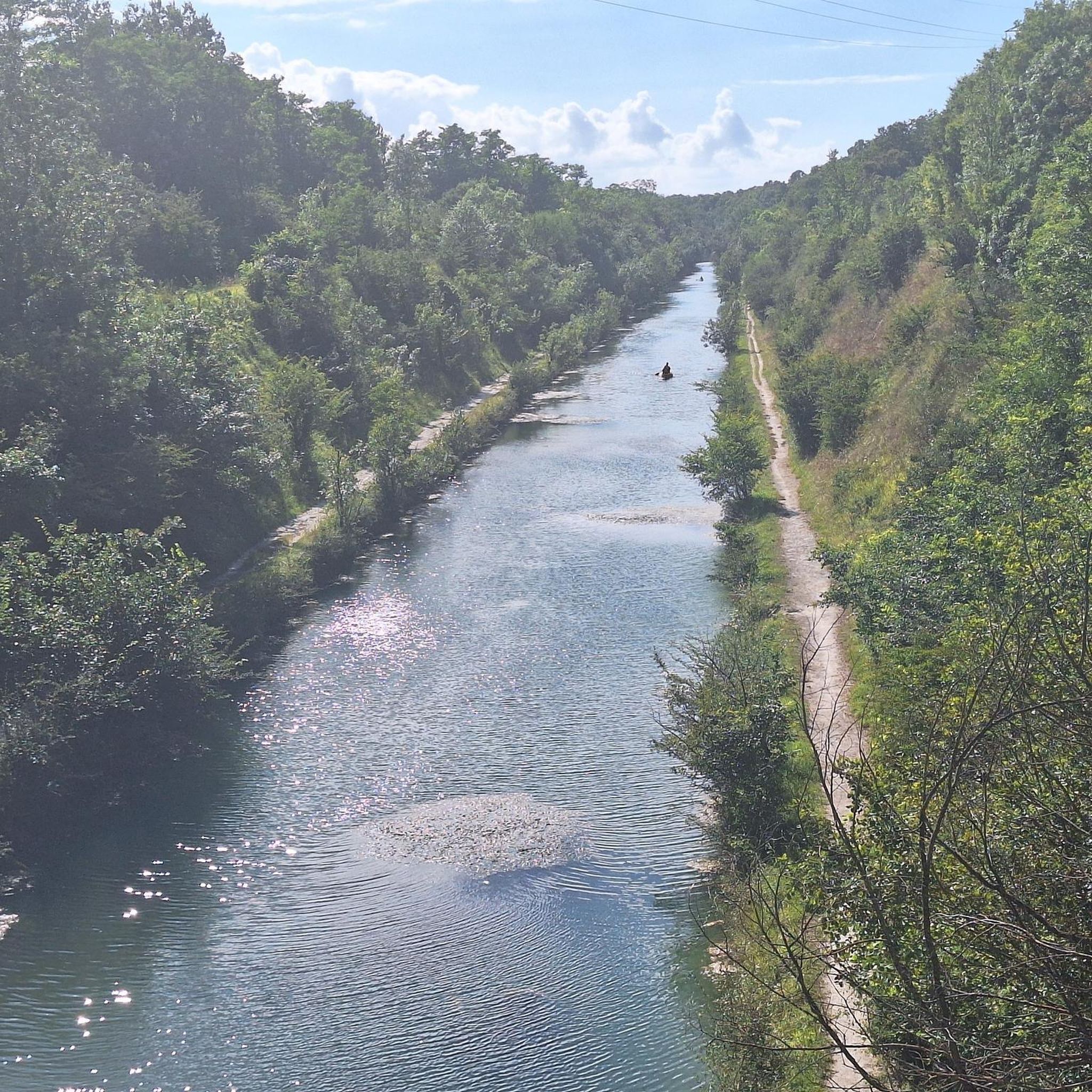
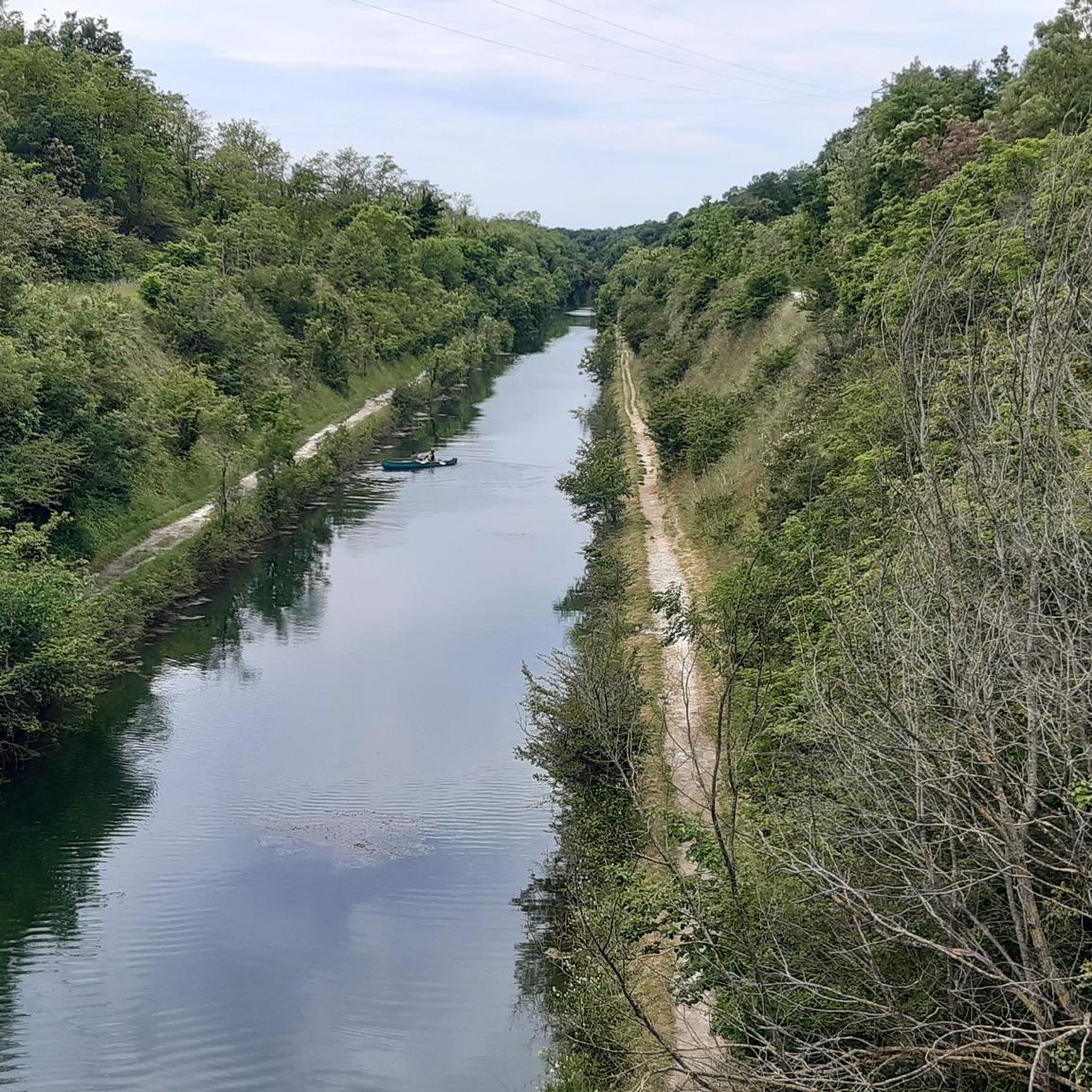
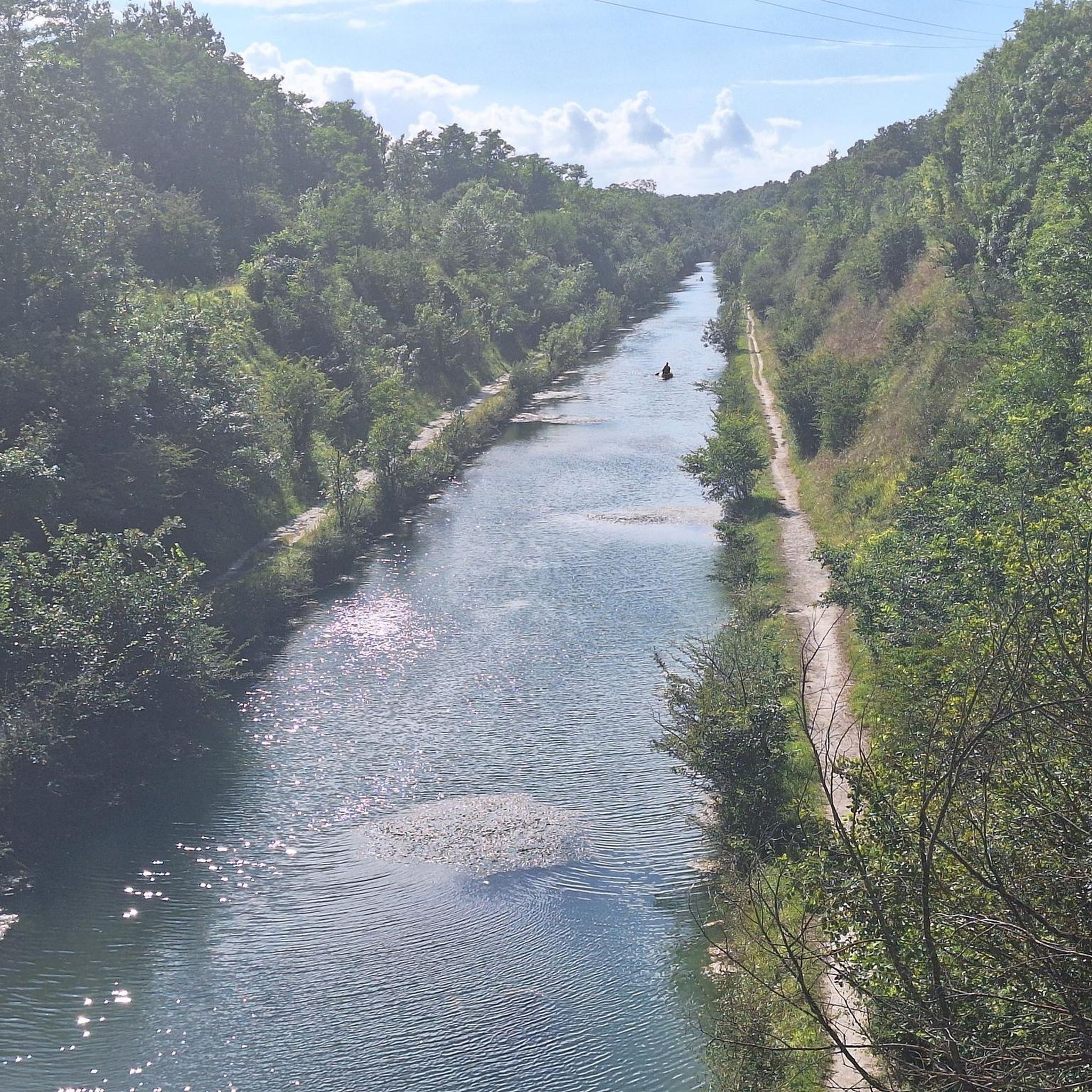
Very nice way to arrive by bike in La Rochelle…
0
0

With less than 2000 inhabitants, Thairé is one of the least populated rural towns in France. A must see, the medieval church built in the 14th and 15th centuries. It is a true masterpiece of the Middle Ages.
0
0

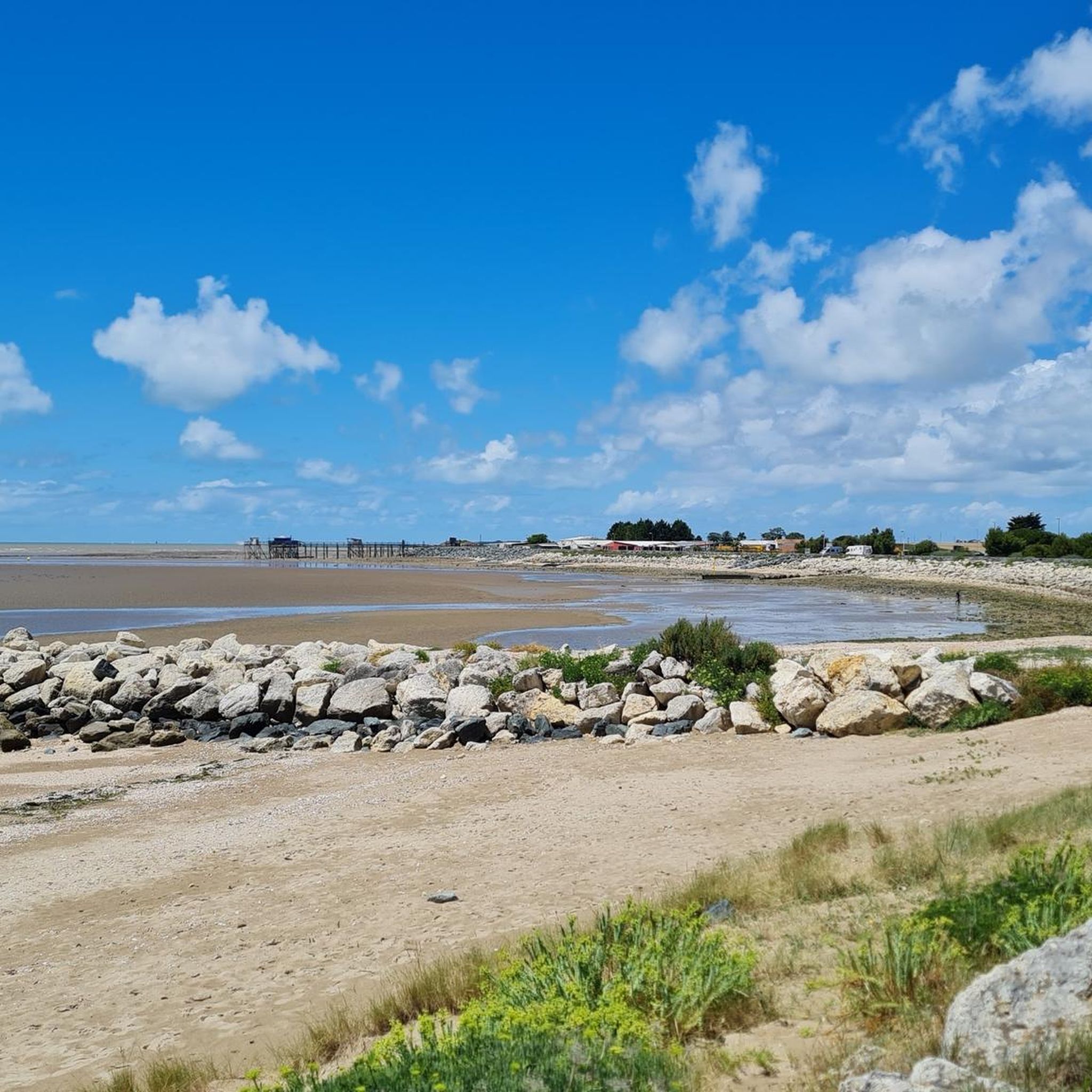
Here is a small, park-like area with a nice view of the water (or mud flats, depending on the tide). There are some kiosks and colorful beach furniture that invite you to linger.
0
0

Former priory with the fortified church. The latter consists of two parts. To the west, the oldest part includes the facade and the original entrance giving access to a single nave of which only a bay and a half of vaults remain, the second bay having been cut to establish the gable wall of the current church. It seems that at the beginning, the single nave of the entrance was to continue up to the bedside. After this first construction, a second nave would have been added to the north of the first. At the end of the 19th century, the church was divided into three naves by stone pillars supporting brick vaults. The windows of the south facade have been redone in the style of the 14th century.
0
0

The Canal de Marans in La Rochelle is bordered by a compact gravel track which is suitable for most bicycles, although it is not ideal for road bikes.
2
1
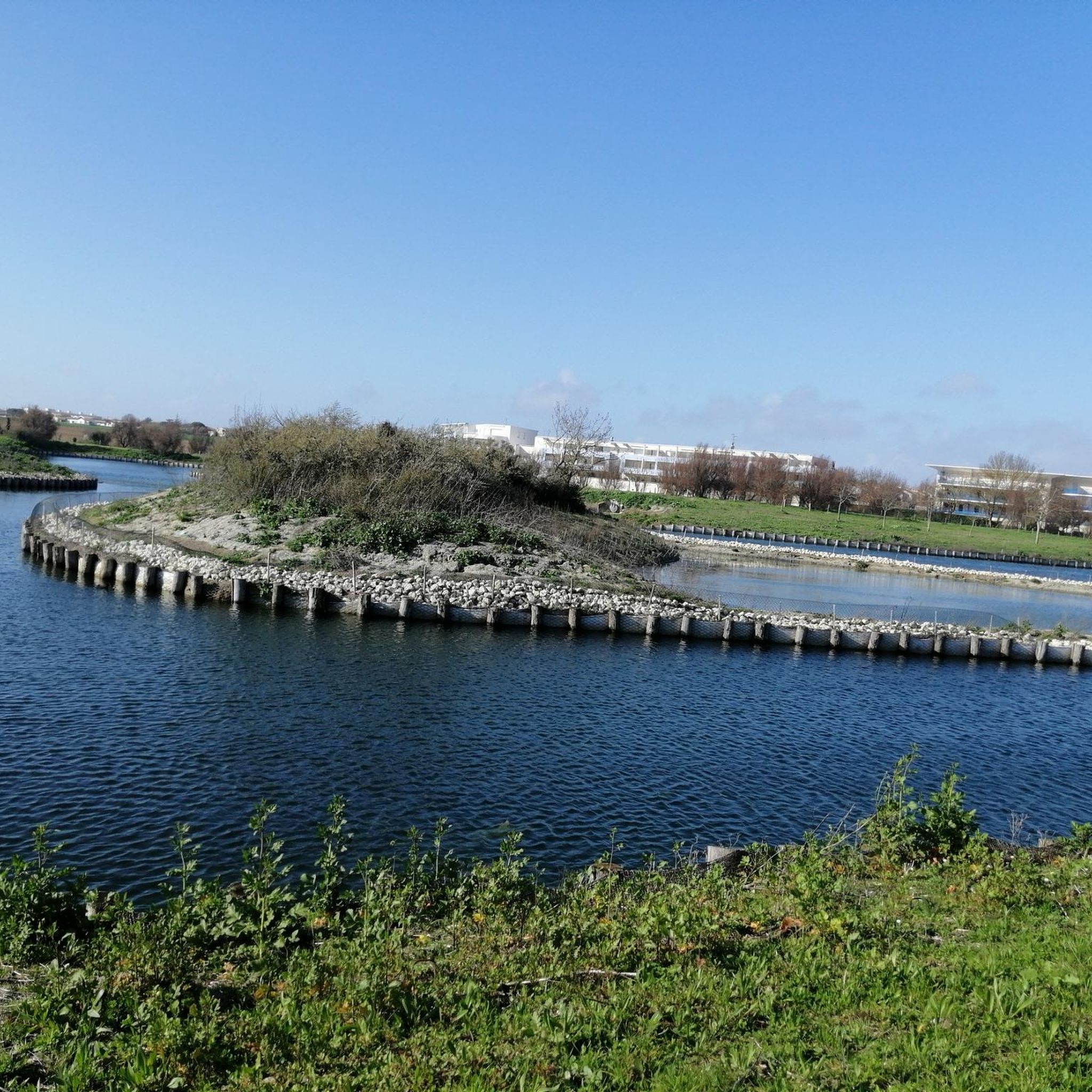
Lake Aytré was initially a clay quarry. Little known, this lake has remained quite wild and is home to a variety of flora and fauna.
3
0

La première des choses que l’on voit, lorsqu'on arrive à proximité du village, est cette espèce de donjon carré surmonté d’une construction octogonale se terminant par un toit d’ardoise. Si l’on s’approche, on s’aperçoit qu’il s’agit du clocher porche du village. Jusqu’à la révolution de 1789, plusieurs seigneuries se partagent la paroisse : la commanderie des Templiers qui possède les trois quarts de la superficie et la majeure partie du village alors que la seigneurie de Dirac est le prieuré de la Fondelay qui occupe le reste. Au début du XIVe siècle, l’église romane est pillée et détruite. Une nouvelle église est construite et un donjon est érigé pour servir de tour de guet. Au XIIIe siècle la paroisse possédait une église romane qui fût détruite pendant la guerre de 100 ans. En 1318 l’évêque de Saintes invitait le clergé et les fidèles de son diocèse a contribuer à la reconstruction de cette église et de son clocher. Ce dernier vit le jour au cours du XIVe siècle pour s’achever le siècle suivant. Le clocher se présente comme un puissant massif carré, pourvu d’énormes contreforts d’angles. Côté sud ouest il contient la vis d’escalier. L’intérieur, plutôt obscur, est partagé par 2 piliers modernes. La plate-forme a 13,5 m et contient les défenses : un double mâchicoulis sur corbeau au nord, le flanc au sud défendu par une tourelle de gay, et une échauguette accessible depuis l’octogone. Ainsi conçu pour la défense ce clocher donjon est un bel édifice d’architecture militaire du XIVe siècle. Dans cette sévère bâtisse les seuls éléments sculptés sont le portail ouest et le sommet de l’escalier où un chapiteau représente deux monstres dévorant les oreilles d’un masque humain Aux XVIe et XVIIe siècle, le village a beaucoup souffert du conflit entre catholiques et protestants. Le quartier de l’hôpital possession des hospitaliers de Saint-Jean de Jérusalem, héritier des templiers, a été entièrement détruit. L’église a été brûlée et le culte catholique a été célébré pendant de nombreuses années sous le porche du donjon. Peu de vestiges subsistent du passé : les moulins et les fours de la commanderie, Les Halles, le lavoir, la Fontaine, les ruines du château médiéval, ont disparu. Seuls restent le donjon du XIVe siècle, le baloir du XVe siècle, à Dirac l’escalier monumental du château. Les armoiries de la commune rappellent que le village a appartenu aux Chevaliers de Malté et aux Templiers jusqu’à la Révolution.
1
0
Du haut de ses 900 ans, l’église Notre Dame domine le village de Salles-sur-Mer. A son origine, elle dépendait du prieuré de l’île d’Aix. Orientée Nord/Sud, elle resplendit dans un écrin de verdure bien que son aspect extérieur soit relativement sobre. Toutefois quelques vestiges de la merveilleuse architecture gothique des Plantagenet des XII° et XIII° restent perceptibles pour un œil attentif et lui donnent quelques éclats. Édifiée entre le XI° et XII° siècle, elle fut l’objet de deux sinistres relativement importants. Tout d’abord aux prises avec un violent incendie lors du siège des Anglais en 1356 et ensuite détruite aux ¾ durant les guerres de Religion qui ont fait rage dans la région. Elle fut reconstruite sur les pierres restantes au XVII° siècle après le siège de La Rochelle L’église primitive reste présente dans l’arc triomphal sur faisceaux de colonnes à chapiteaux sculptés, les voutes du chœur et la chapelle latérale En ce début du XXI° siècles, 3 vitraux modernes dus au maitre verrier de Ruffec Philippe Riffaud ont été placés dans les 3 principales fenêtres. Un projet porté par la Commune de Salles-sur-Mer consiste à poursuivre ce programme global par un 4° vitrail du même verrier en attendant les suivants dans des phases ultérieures . Il est étendu à la restauration de 2 bustes reliquaires en bois et à celle de la statue de la Vierge Marie. Et enfin, détail pratique, doter l’église d’une installation de chauffage plus moderne. Sous l’égide de la Fondation du Patrimoine, la Commune de Salles-sur-Mer a lancé une souscription publique pour associer toute personne publique ou morale de la commune ou d’ailleurs à ce projet d’envergure de restauration. Un très concis PdF d’une vingtaine de pages avec de très beaux croquis et dessins, rappelant l’histoire de cette église, a été réalisé par Monsieur AUBRY , chef d’Escadron (ER) de la gendarmerie avec l’aide de son épouse Mme AUBRY née LENOBLE, assistante sociale Chef. Pour toutes les personnes intéressées par l'histoire plus approfondie de cette magnifique église, Il est disponible sous le lien suivant http://www.salles-sur-mer.fr/wp-content/uploads/Notre-Dame-de-Salles-Eglise.pdf
0
1
Frequently Asked Questions
What historical landmarks can I explore in Saint-Médard-D'Aunis?
You can visit the Église Notre-Dame de l'Assomption, also known as Église Saint-Médard. This church, dating back to the 13th century, features a distinctive square bell tower and has undergone several architectural transformations. Another significant site is the Monument de la Vierge, erected in gratitude after the commune was spared during WWII. The Church of Our Lady of the Assumption is a prominent historical feature.
Are there any natural attractions or outdoor spaces to visit?
Yes, the region offers diverse natural beauty. You can explore the Lake Aytré, originally a clay quarry, which remains wild and is home to varied flora and fauna. The commune itself transitions between the Aunis plain and the marshes of the Curé Valley, providing humid and wooded areas with numerous hiking trails. Further afield, the Forêt de Benon and the Baie de l'Aiguillon offer additional natural experiences.
What kind of outdoor activities can I do around Saint-Médard-D'Aunis?
Saint-Médard-D'Aunis is a great starting point for various outdoor activities. You can enjoy hiking on trails that showcase the Aunis countryside. Cycling is also popular, especially along the Marans–La Rochelle Canal, which offers canalside riding into La Rochelle on a compact gravel track. For more detailed routes, you can explore guides like Hiking around Saint-Médard-D'Aunis or Road Cycling Routes around Saint-Médard-D'Aunis.
Are there family-friendly attractions in the area?
Absolutely. Lake Aytré is considered family-friendly, offering a beautiful beach and snack bars, perfect for a relaxing day out. The Vélodyssée bike trail around the lake is also suitable for families. The general natural landscapes and hiking trails provide opportunities for family outings.
What cultural events or sites are there?
Saint-Médard-D'Aunis hosts the annual St Med'Art Rock festival in June, a vibrant event featuring music and regional artists. For historical culture, the Church of Our Lady of the Assumption provides insight into the village's past. The nearby city of La Rochelle also offers numerous cultural sites, including its famous harbor, museums, and aquarium.
What is the best time of year to visit Saint-Médard-D'Aunis?
The region's natural landscapes, particularly the marshes of the Curé Valley, showcase varied colors throughout the seasons, making it beautiful year-round for hiking. If you're interested in local events, June is ideal for the St Med'Art Rock festival. Summer is excellent for outdoor activities and enjoying the beaches at nearby Chatelaillon-Plage or Lake Aytré.
Can I find cycling routes suitable for different types of bikes?
Yes, the Marans–La Rochelle Canal features a compact gravel track suitable for most bicycles, though it's not ideal for road bikes. The Vélodyssée bike trail around Lake Aytré also offers a perfectly firm, fine gravel surface. For more options, check the Road Cycling Routes around Saint-Médard-D'Aunis guide.
What are some lesser-known historical sites in the area?
Beyond the main church, you can seek out the Moulin Cabané, also known as 'Moulin brûlé.' This 17th-century windmill, once one of four, earned its nickname from a fire and was later used as a watchtower during WWII. It offers a glimpse into the region's industrial and wartime history.
What are the options for running trails near Saint-Médard-D'Aunis?
There are several running trails available in the vicinity. You can find moderate difficulty routes such as the 'Château de Clavette loop from La Mallolière' or various 'Running loop from La Jarrie' options. For a comprehensive list of routes, refer to the Running Trails around Saint-Médard-D'Aunis guide.
What do visitors enjoy most about the attractions around Saint-Médard-D'Aunis?
Visitors particularly appreciate the scenic canalside riding offered by the Marans–La Rochelle Canal, noting it as a very nice way to arrive by bike in La Rochelle. The wild and natural beauty of Lake Aytré, with its diverse flora and fauna and beautiful beach, is also highly valued for relaxation and breaks.
How close is Saint-Médard-D'Aunis to larger cities or coastal areas?
Saint-Médard-D'Aunis is conveniently located just 15 km from the historic city of La Rochelle, offering easy access to its many attractions. The seaside resort of Chatelaillon-Plage, with its long sandy beach, is only 13 km away, providing an excellent option for a coastal excursion.
Most popular routes around Saint-Médard-D'Aunis

Get inspired with the komoot mobile app


Explore more
Still not found the Highlight you’re looking for? See guides of the top attractions in other regions:
