The best running trails around Corseul
4.4
(239)
10,246
runners
398
runs
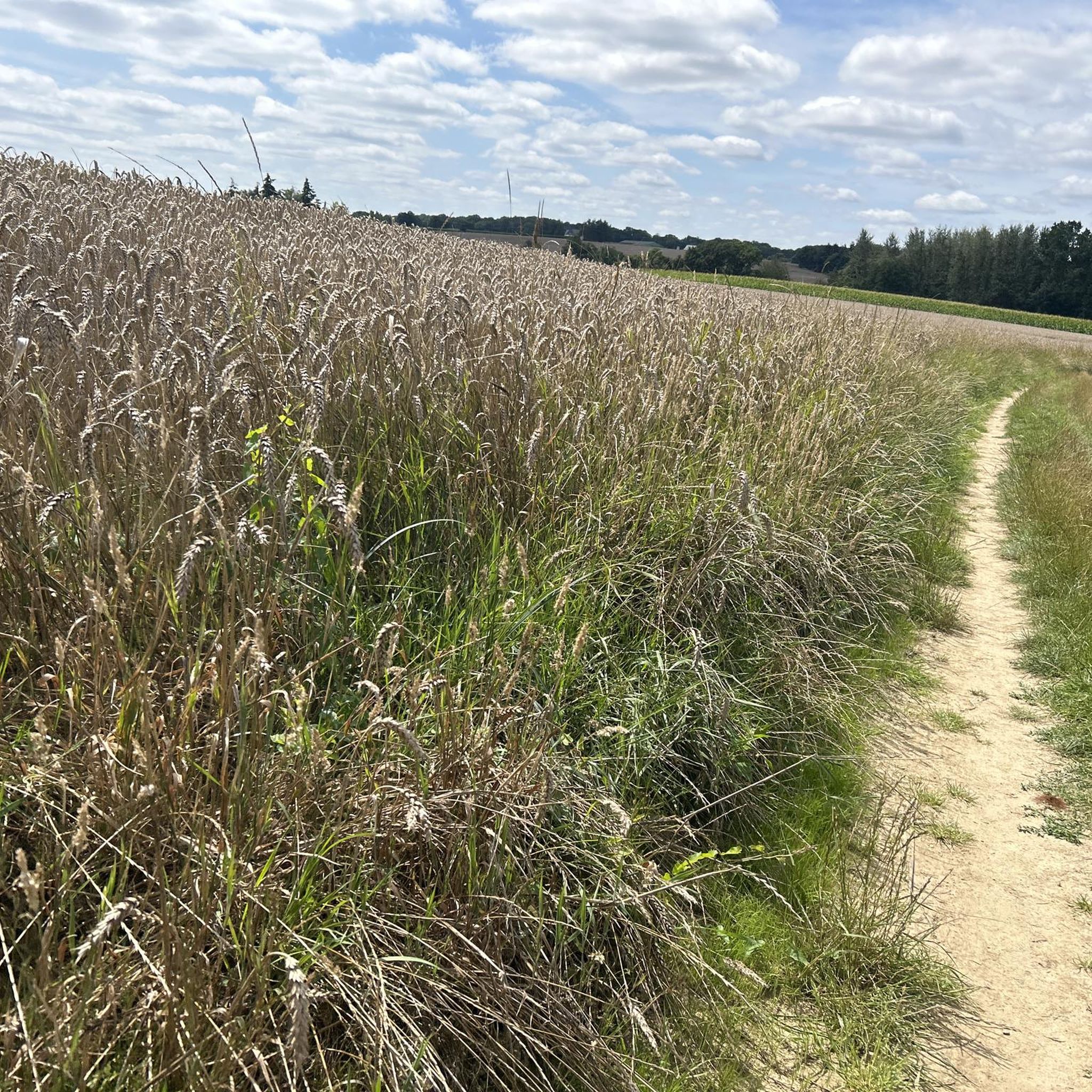
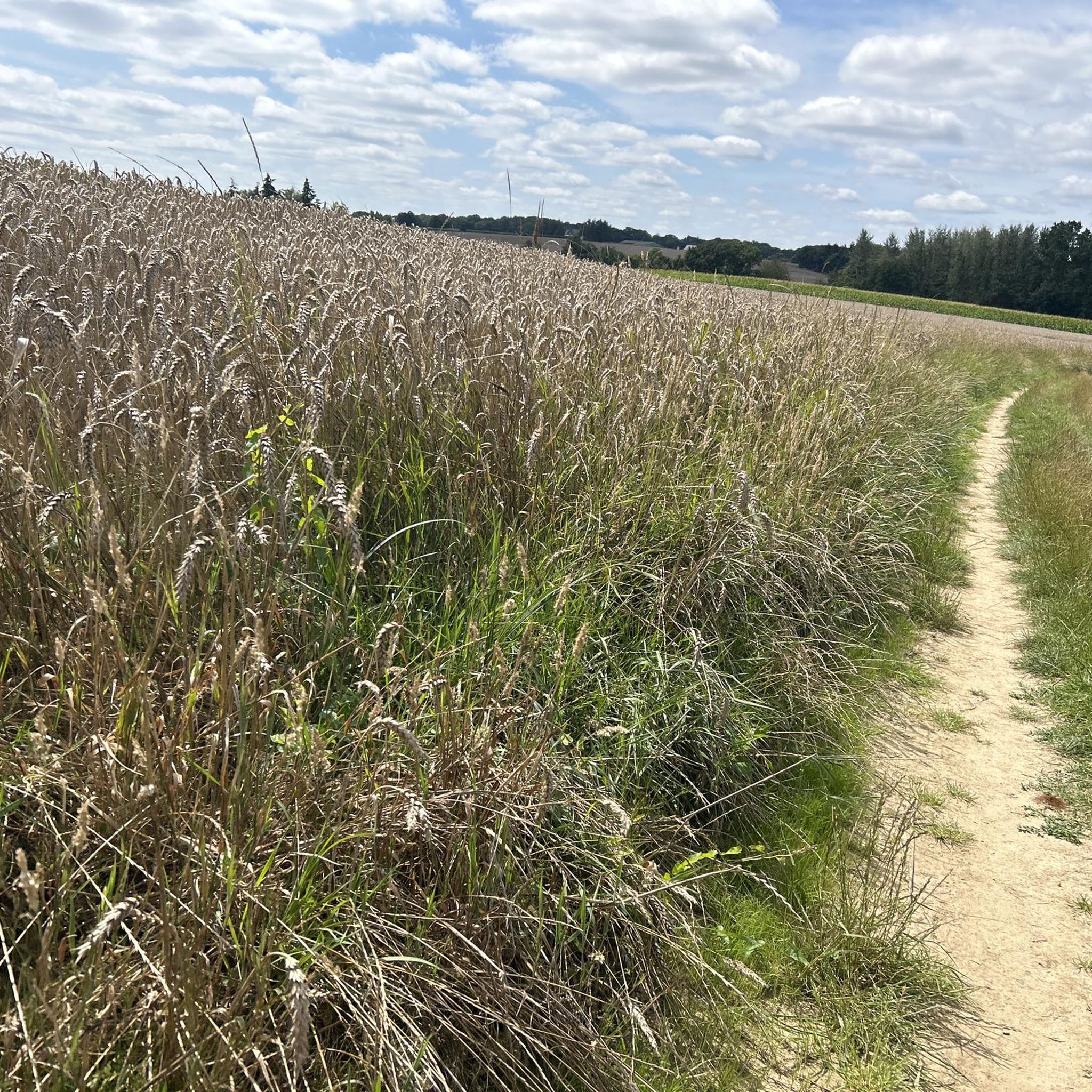
Jogging around Corseul reveals a landscape characterized by hilly and green terrain, traversed by streams and featuring a mix of arable land, meadows, and wooded plots. The area's altitude ranges from 13 to 126 meters, providing both flat sections and undulating paths suitable for various running preferences. Notable natural features include the Val de Gravel valley, offering shaded routes, and the region's proximity to coastal areas. This diverse environment is also rich in Gallo-Roman historical sites, which can be incorporated…
Last updated: October 16, 2026
20
runners
7.82km
00:53
60m
50m
Moderate run. Good fitness required. Mostly paved surfaces. Suitable for all skill levels.
5.0
(1)
10
runners
10.1km
01:07
60m
60m
Moderate run. Good fitness required. Mostly paved surfaces. Suitable for all skill levels.

9
runners
8.42km
00:52
40m
30m
Moderate run. Good fitness required. Mostly paved surfaces. Suitable for all skill levels.
7
runners
Moderate run. Good fitness required. Mostly paved surfaces. Suitable for all skill levels.
8
runners
17.0km
01:48
130m
130m
Hard run. Very good fitness required. Mostly paved surfaces. Suitable for all skill levels.
Get access to more routes and recommendations from other explorers.
Already have an account?
Our route recommendations are based on thousands of hikes, rides, and runs completed by other people on komoot.
Start today with a free account
Your next adventure awaits.

Tips from the Community

From the popular piety of earlier centuries, it was part of life in Brittany that everyone who could in any way do so undertook a great pilgrimage to the seven cathedrals of Brittany, the so-called “founding saints”. This was called “Tro Breiz” (Tour through Brittany) in Breton. Estimates suggest that in the 14th century, up to 40,000 people had to cover a distance of almost 700 kilometers for this purpose. It is said that if one did not complete the Tro Breiz during their lifetime, the pilgrimage would be continued, if necessary, in the coffin. Some years before the turn of the millennium, the “Tro Breiz” – albeit in a different form – was revived. In the modern variant, the route is spread over seven years, with one of the pilgrimage destinations visited each year. The prominent seven saints are: + Saint Maclovius: Founder of the diocese of Saint-Malo and patron saint of the city. + Saint Samson: Founder of the diocese of Dol-de-Bretagne and one of the most famous Breton saints. + Saint Briocus: Founder of the diocese of Saint-Brieuc and its monastery. + Saint Tugdual: Founder of the diocese of Tréguier and one of the most important saints in Breton history. + Saint Paul-Aurelianus: Founder of the diocese of Saint-Pol-de-Léon and an important missionary. + Saint Corentin: Founder of the diocese of Quimper and one of the most important Breton saints. + Saint Hervé: A saint of Brittany mentioned in the Vita Hervei.
3
1

The city walls are among the most impressive medieval fortifications in Brittany. Their origins date back to the Middle Ages; over the centuries, they were expanded and strengthened to protect the strategically important trading town on the Rance. The almost completely preserved complex includes several towers, gates, and a walkable rampart. With a length of around three kilometers, it still encloses large parts of the historic old town today.
11
0

Dinan is almost completely surrounded by a city wall that can be largely walked.
0
0
Very beautiful church. I especially liked the windows.
1
0

I was particularly impressed by the church windows.
1
0
Place des Cordeliers is named after the Cordeliers Monastery, founded by the Franciscans (Cordeliers) in 1243. The square served as a filming location for the 2011 film Voir la mer.
25
0
Dinan was founded in the 11th century at a strategic location on the Rance River. It developed into a fortified trading and market town during the Middle Ages. In the 14th century, Dinan played an important role in the Hundred Years' War and was repeatedly contested. The town is known for its well-preserved medieval old town with half-timbered houses, city walls, and the Saint-Sauveur Basilica.
15
0
The Basilica of Saint-Sauveur was founded around 1112 and combines Romanesque and Gothic architecture. It is famous as the burial place of the hero Bertrand du Guesclin. It has been a historic monument since 1862 and was elevated to a minor basilica in 1954. Noteworthy are the Romanesque west portal, the Gothic chapels, and the relief of the Assumption of the Virgin Mary.
17
0
Frequently Asked Questions
How many running routes are available around Corseul?
There are over 390 running routes around Corseul, offering a wide variety of options for different preferences and fitness levels. These include easy paths, moderate trails, and some more challenging runs with elevation changes.
What kind of terrain can I expect on running trails in Corseul?
The terrain around Corseul is characterized by hilly and green landscapes, traversed by streams. You'll find a mix of arable land, meadows, and wooded plots. The altitude ranges from 13 to 126 meters, providing both relatively flat sections and undulating paths. This diverse environment ensures a varied and engaging running experience.
What do other runners say about the trails in Corseul?
The running routes in Corseul are highly rated by the komoot community, with an average score of 4.4 stars from over 180 reviews. More than 9,000 runners have used komoot to explore the area, often praising the varied terrain, historical elements, and natural beauty.
Are there running routes suitable for beginners in Corseul?
Yes, Corseul offers a good selection of routes suitable for beginners. Out of the nearly 400 routes, 26 are classified as easy, providing gentler paths with less elevation gain. These are perfect for those new to running or looking for a relaxed jog.
Can I incorporate historical sites into my run around Corseul?
Absolutely! Corseul has a rich Gallo-Roman past. You can plan your run to pass by significant archaeological sites such as the Temple of Mars (Sanctuaire du Haut-Bécherel), located on a prominent hill, or explore areas like the archaeological site of Monterfil. These routes offer a unique blend of exercise and historical immersion.
Are there scenic natural areas for jogging near Corseul?
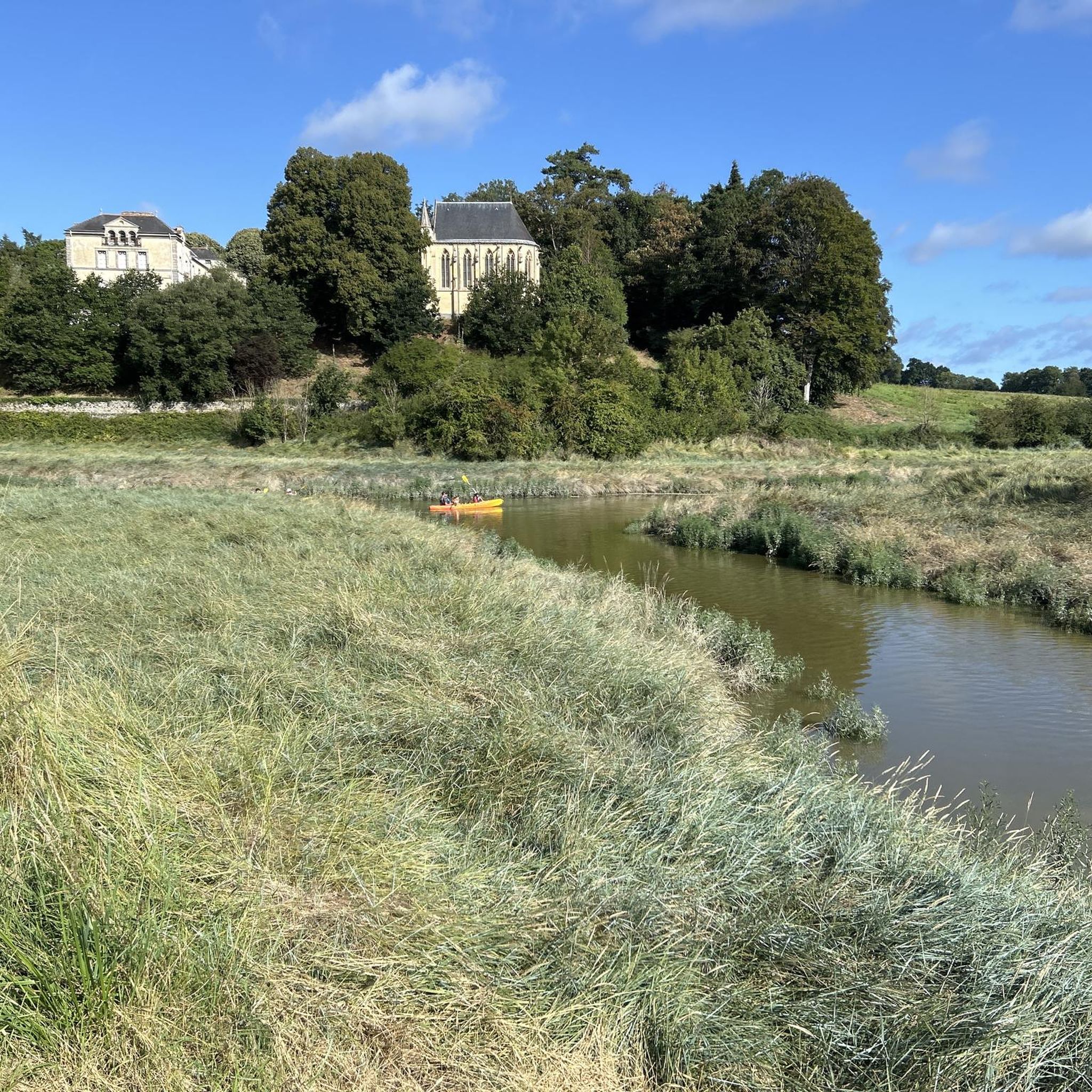
Yes, the Val de Gravel valley, southwest of the town, is a notable natural asset. It offers shaded, bucolic paths, a picnic area, and a pond, making it an ideal spot for a tranquil and scenic run. The region is also traversed by rivers like the Frémur and Montafilan, potentially offering riverside paths.
Are there any routes that offer views of lakes or water?
While Corseul itself is inland, the wider region offers routes near water. You can find highlights like the Trail along the Bois-Joli Reservoir or explore the area around Lake Jugon, which also features a picnic area. These provide refreshing water views during your run.
Are there family-friendly running routes in Corseul?
Many of the easier and moderate routes around Corseul are suitable for families, especially those looking for a leisurely jog or walk. The varied landscapes and historical sites can make for an engaging outing for all ages. Consider routes with picnic areas, like those near the Val de Gravel valley, for a complete family experience.
Are there dog-friendly running routes in Corseul?
Most natural trails and paths in the Corseul area are generally dog-friendly, provided your dog is well-behaved and kept on a leash where necessary. The numerous wooded plots and open meadows offer plenty of space for you and your canine companion to enjoy a run together. Always check local signage for any specific restrictions.
Are there circular running routes available?
Yes, many of the running routes around Corseul are circular, allowing you to start and finish at the same point without retracing your steps. For example, the Running loop from Corseul is a moderate 11.9 km option that takes you through the local landscape.
What is the best time of year for running in Corseul?
Corseul is enjoyable for running throughout much of the year. Spring and autumn offer pleasant temperatures and beautiful scenery with changing foliage. Summer can be warm, but the region's shaded routes, particularly in areas like the Val de Gravel valley, provide relief. Winter runs are also possible, though trails might be muddier after rain.
Are there any running routes that pass by castles or historical buildings?
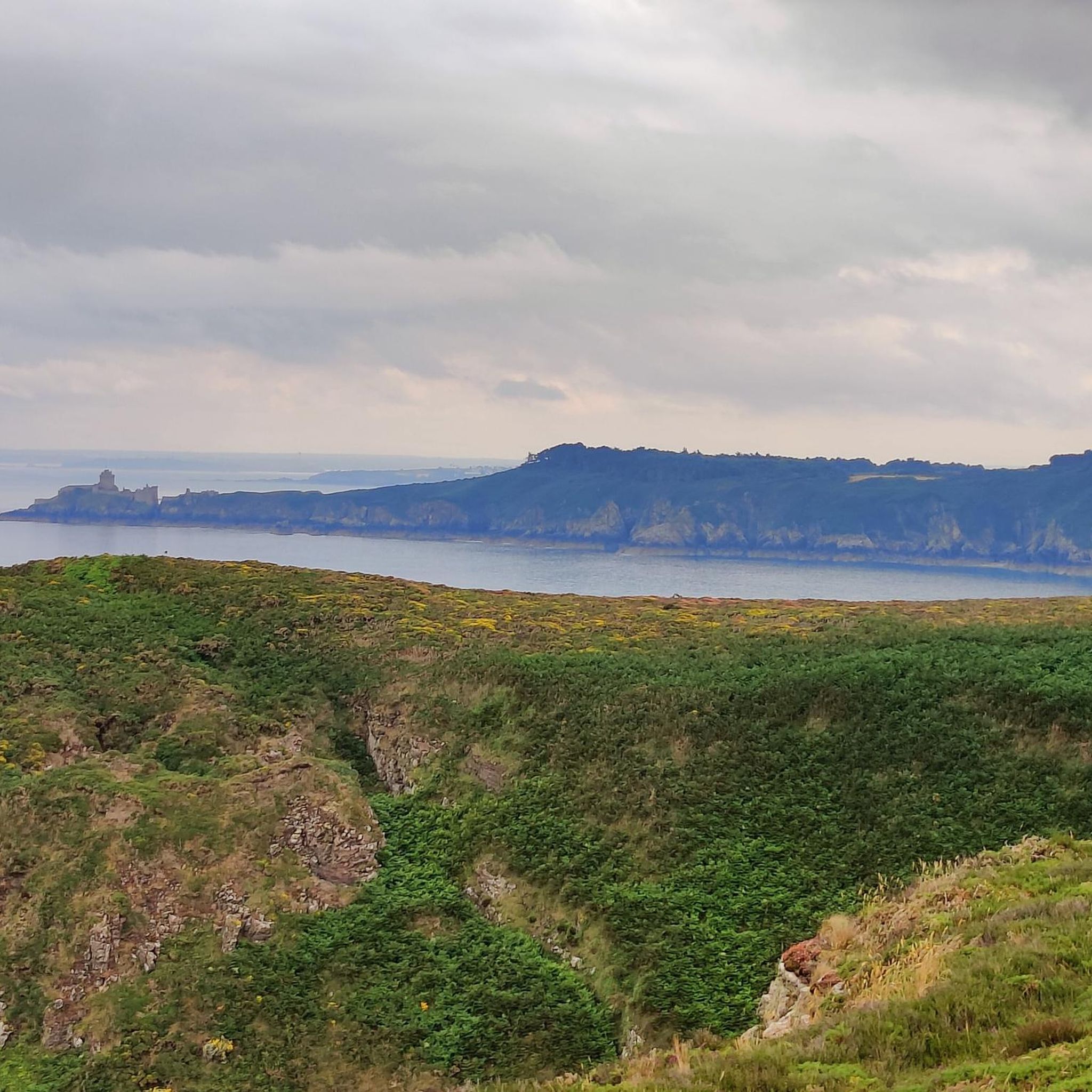
Yes, the region around Corseul is dotted with historical structures. While not directly within Corseul, you can find routes that offer views of impressive castles. For instance, you might encounter views of Guildo Castle or Château de la Hunaudaye on longer runs or nearby explorations.
Are there options for longer distance running around Corseul?
For those seeking longer distances, Corseul and its surroundings offer several options. The Castle chapel – Plancoët Mineral Water Spring loop from Le Frêne is a moderate 13 km route. Additionally, nearby historic towpaths like the Chemin de Halage along the Rance in Taden provide extended, relatively flat paths ideal for longer runs.
Most popular attractions around Corseul

Get inspired with the komoot mobile app


Explore more
Browse the best Running Trails & Routes in other regions.
