Attractions and Places To See around Saint-Brice - Top 20
Best attractions and places to see around Saint-Brice, located near Cognac in Charente, offers a rich architectural and historical heritage. The area is characterized by its proximity to the Charente river and features several historical monuments. Visitors can explore a variety of sites, from ancient abbeys to castles, alongside natural features like riverbanks and dolmens. The region provides opportunities to discover local history and enjoy the landscape.
Best attractions and places to see around Saint-Brice
- The most popular attractions is…
Last updated: July 2, 2026
Bourg-Charente Castle
Highlight • Castle
Acquired …
Translated by Google •
Tip by

Chateau des Chabannes
Highlight • Other
Translated by Google •
Tip by

Sign up now to discover places like this
Get recommendations on the best single tracks, peaks, & plenty of other exciting outdoor places.
Sign up for free
Logis de Gardépée in Saint-Brice
Highlight • Other
Translated by Google •
Tip by
Maison Hine – Cognac Distillery and Royal Warrant Holder
Highlight • Historical Site
In 1791, Thomas Hine (1775-1822), then aged 16, left his native land on the south coast of England to go to France… in the …
Translated by Google •
Tip by

a church authorized by King Louis XIV
Highlight • Other
Translated by Google •
Tip by

Sign up for free to discover even more attractions around Saint-Brice.
Sign up for free
Already have an account?
Start today with a free account
Your next adventure awaits.
Login or Signup


Tips from the Community

HISTORY OF THE HOUSE OF HINE In 1791, Thomas Hine (1775-1822), then aged 16, left his native land on the south coast of England to go to France… in the middle of the French Revolution. He went to Jarnac, Charente, where he was hired as a clerk in the Ranson et Delamain trading house, which produced his father’s favourite cognac. James Delamain (1738-1800), a Huguenot who had emigrated from Ireland, founded the trading house in 1763 with his father-in-law Jean-Isaac Ranson. On 3 October 1797 (13 Brumaire Year VI), Thomas Hine married Françoise Élisabeth Delamain, daughter of James Delamain and Marie Ranson. In 1817, the Ranson et Delamain house was liquidated, the heirs having been unable to agree on the succession. The eponymous son-in-law founded Thomas Hine & Co, and his cousins Paul Roullet and Henri Delamain (James' grandson) founded the Maison Roullet et Delamain seven years later, which would become Delamain et Cie. The links between the two Protestant Jarnac families remained close, and Thomas Hine's great-granddaughter, Adrienne Hine (1850-1922) married Philippe Delamain (1847-1902) - they had sons Jacques and Robert Delamain. Today, as in Thomas Hine's time, the Hine establishments line the banks of the Charente in Jarnac. The logo is inspired by Hine's speaking arms, hind meaning doe in Old English. He is lying down, his head turned backwards, symbolically looking towards England2. In 1962, Hine was granted the Royal Warrant of Her Majesty Queen Elizabeth II, and became the official supplier of cognac to the Court of England. In 1987, the company was bought by Moët Hennessy. In 2003, it became the property of the CL Financial group, which emerged from the Angostura group. The House was bought in 2013 by the Edv company. TYPOLOGY OF HINE EAUX DE VIE The House of HINE is located on the banks of the Charente, in the heart of the Cognac region. In the cellars, which ensure the protection of the precious vintages under seal, little has changed in more than 260 years. From the neighboring quays once began the journey of HINE cognacs around the world. This house is one of the oldest in Jarnac. Cognacs exclusively from the Grande and Petite Champagne vintages, a distillation with the lees, and an aging in fine grains with a light to moderate heating. Here, every manufacturing detail will be revealed to you. > To find out more: - https://hine.com/fr - Address: 16 quai Orangerie 16200 Jarnac - 05 45 35 59 59 - Visits, Tasting and Purchases possible - Opening periods: From 01/04 to 31/12 Monday, Tuesday, Wednesday, Thursday and Friday from 9 a.m. to 5:30 p.m. Excluding public holidays. Full price: from €20. Free for children under 18. (Subject to change)
0
0

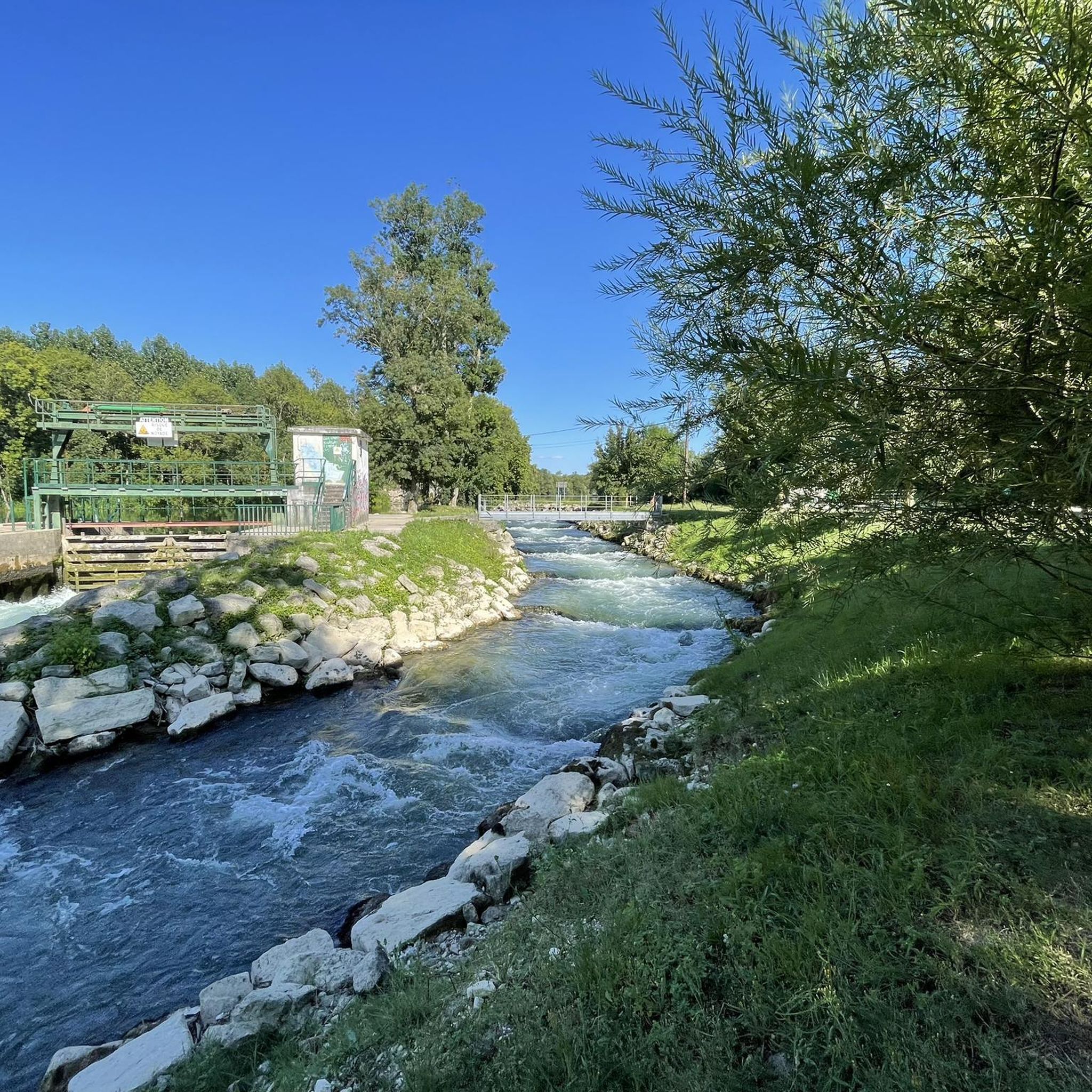
The Charente in this sector is lined with many castles, the area is rich thanks to the production of Cognac and Pineau.
0
0

Bourg-Charente castle is a 17th century mansion. Nestled on a rocky promontory, it is located a few kilometers from Cognac. It also houses the remains of a medieval fortress. Acquired in the 20th century, this château houses cellars for producing Grand Marnier. It can be visited from Monday to Friday from 8 a.m. to 5 p.m.
0
0

It is in this castle that the cognac cellars of the Marnier-Lapostolle family are located, used for the production of Grand Marnier cognac.
4
0

Castle with a fairly compact architecture, rich in details and various corbels that seem to come out of a Walt Disney story. It doesn't look very well maintained, what a pity!
0
1


Gondeville is noted in 1252, during an exchange between Jean Rot, squire, lord of Châteauneuf and Sallomon de Gondeville, knight. The lords of Gondeville have been known since the 13th century. They had the right of high, medium and low justice. In compensation for work carried out on the Charente, they had obtained the right to collect a bushel of salt on each barge of salt going up the course of the river. They came under the lordship of Bouteville. But Gondeville was not a parish and depended on that of Saint-Même. Towards the end of the 14th century, lived Foulques de Gondeville who was succeeded by his son Armand. Then came Jean Bouterouhe, whose daughter Agnès, married Guillaume de Cruc. The latter thus became lord of Gondeville and left this lordship to his heirs. His granddaughter, Magdeleine de Cruc, ceded Gondeville to Jean de La Rochebeaucourt, younger son of the house of Saint-Même and received in exchange the land of Courpignac, in Saintonge (May 10, 1590). In the early years of the 17th century, the heirs of Jean de La Rochebeaucourt sold the land of Gondeville to Samuel de Lanauve, adviser to Parliament, which was acquired in 1655 by Pierre Laisné, sieur du Chardonneaux. In 1664, he had a lawsuit with Isaac de Culant, lord of Saint Even, about the enclave of Gondreville, which he succeeded in having erected into a parish. In May 1683, he reiterated his request to King Louis XIV for a church to be built in the town. It was finally built by his son-in-law Mr de Nanclas in 1700 and thanks to a grant of 1000 pounds granted by the King. It was demolished by the storm of February 20, 1879 between 1879 and 1880 under the direction of architect Augustin Landry. New restorations took place at the beginning of the 20th century, in particular according to the plans of the architect Luis Martin.
0
0
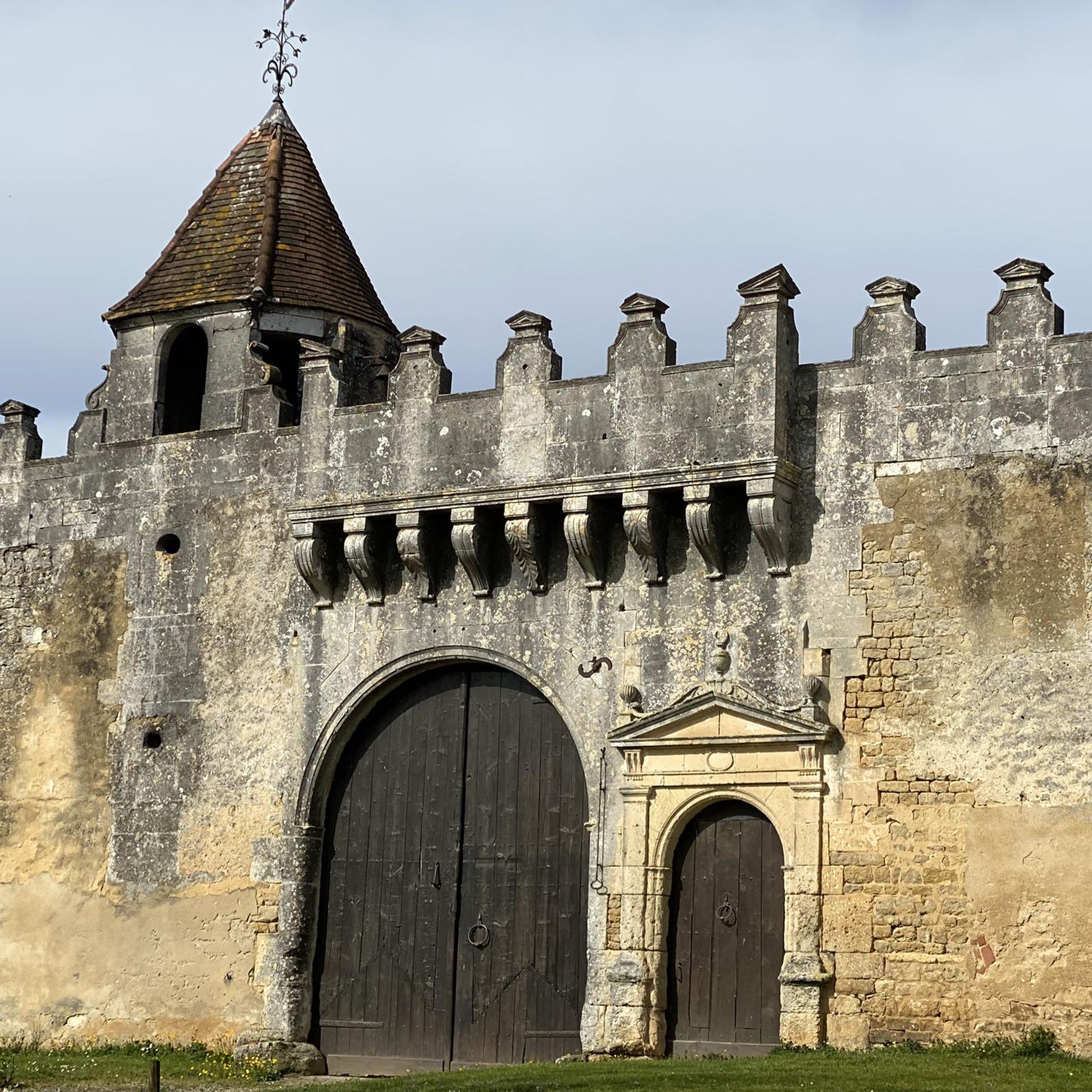
The Château de Garde-Épée in Saint-Brice is built on the edge of a plateau overlooking the Charente in the distance. In January 1553, Sieur Ancelin, a merchant, bought this fief from the Marquis de Caravaz (the Marquis de Carabas in Perrault's tale) with permission to build a crenellated house there with a gigantic flight, fish pond and warren. Around the middle of the 17th century, Jean Ancelin having died childless, his heirs sold the domain of Garde-Épée to a Mr. Richard, who was still the owner in 1698. Finally the house of Garde-Épée passed into the family of Jarnac de Garde-Épée, which still owns it today with the abbey of Châtre, through a private company, the Société de Garde-Épée, whose main shareholder is Henri de Jarnac. On the right, before the entrance, the imposing round flight has 2600 putlogs. It is covered with a pepperbox roof with three skylights and dates from 1553. The arms of the Ancelins are visible above the door. The entrance is imposing with a carriage entrance surmounted by a long curtain wall crowned with merlons. The buildings form a vast quadrilateral. The house which occupies the north side was rebuilt at the end of the 18th century with two levels under a low roof; it is extended by two single level wings. The courtyard has a curious well covered with a roof. The castle has been listed as a historical monument since October 30, 1973.
0
0
Frequently Asked Questions
What historical sites can I explore around Saint-Brice?
The region around Saint-Brice is rich in history. You can visit the 17th-century Bourg-Charente Castle, which houses remains of a medieval fortress and cognac cellars. Another significant site is the Logis de Gardépée in Saint-Brice, a 16th-century dwelling featuring a crenellated house and a unique covered well. Don't miss the Abbey of Notre-Dame-de-l'Assomption de Châtre, an 11th-century former Augustinian abbey with remarkable Romanesque remains, or the historic Château de Saint-Brice with its 12th-century tower and classified boxwood labyrinth.
Are there any natural features or viewpoints to enjoy in the Saint-Brice area?
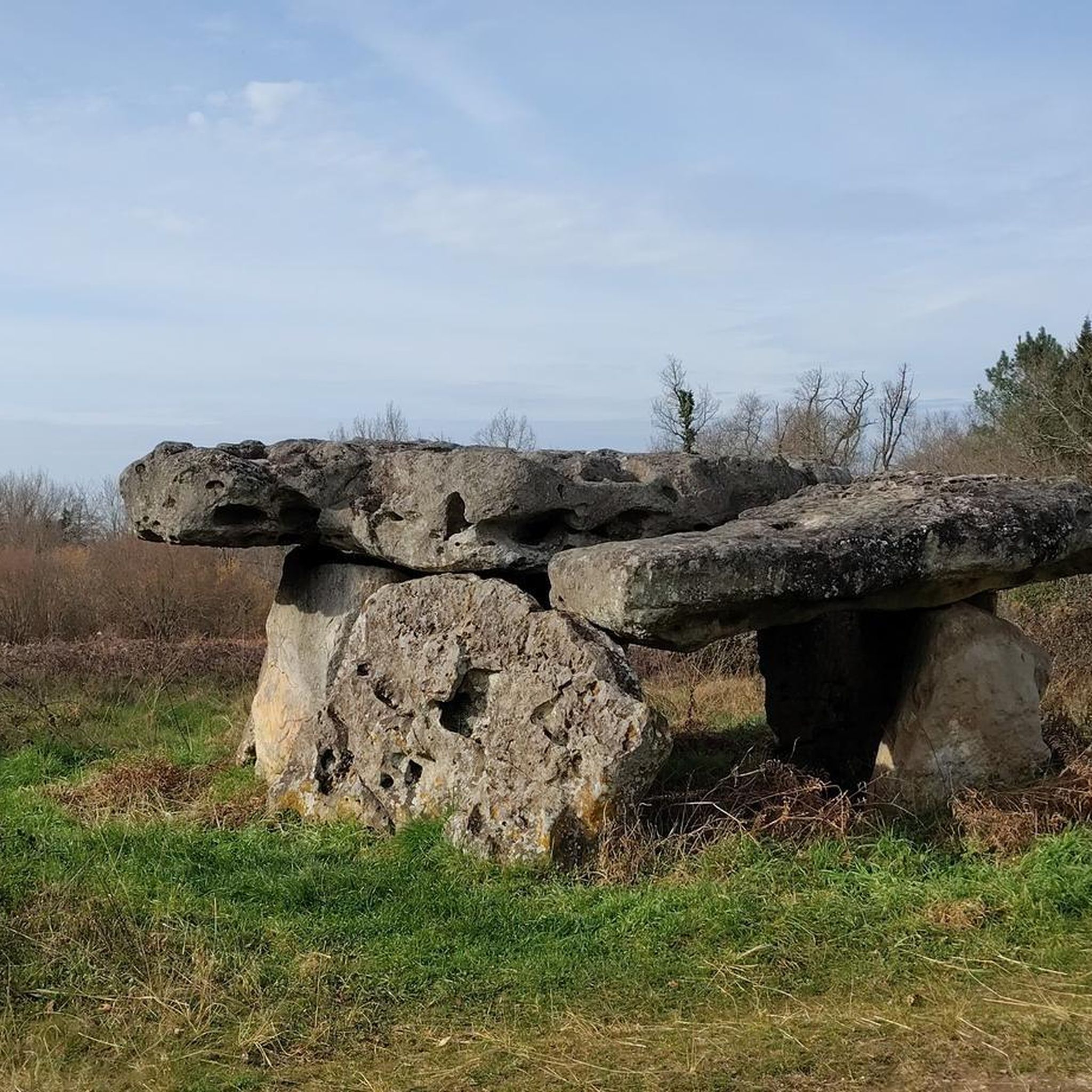
Yes, the area offers several natural points of interest. The Chateau des Chabannes is set within a park that slopes down to the Charente River, featuring a belvedere terrace. You can also explore the Neolithic Dolmen of Garde-Épée and the nearby Cow Rock (Roche à la Vache), both classified as historic monuments. The banks of the Soloire and Charente rivers provide pleasant walking opportunities to enjoy the local flora and fauna.
What outdoor activities are available near Saint-Brice?
Saint-Brice is well-suited for various outdoor activities, especially cycling. You can find numerous routes for touring bikes, road bikes, and mountain bikes. For example, explore the 'Jarnac Quays – Saint-Brice Castle loop' for touring, or the 'Chateau des Chabannes – Bourg-Charente Castle loop' for road cycling. Mountain biking enthusiasts can try the 'Saint-Brice Castle – Bourg-Charente Castle loop'. For more details on routes, check out the dedicated guides for Cycling around Saint-Brice, Road Cycling Routes around Saint-Brice, and MTB Trails around Saint-Brice.
Are there family-friendly attractions in Saint-Brice?
Absolutely! Many attractions in the Saint-Brice area are suitable for families. The Bourg-Charente Castle offers a glimpse into history with its medieval remains. The Maison Hine – Cognac Distillery in Jarnac welcomes visitors for tours and tastings, with free entry for children under 18. Additionally, the sloping park of the Château de Saint-Brice, with its boxwood labyrinth, can be an engaging experience for younger visitors.
Can I visit a cognac distillery near Saint-Brice?
Yes, the region is famous for its cognac. You can visit Maison Hine – Cognac Distillery and Royal Warrant Holder in Jarnac. This historic house, located on the banks of the Charente, offers visits, tastings, and purchases. It's open Monday to Friday from 9 a.m. to 5:30 p.m. (from April to December, excluding public holidays).
What kind of historical architecture can I see in the area?
The architecture around Saint-Brice showcases centuries of history. You'll find Romanesque structures like the 11th-century Abbey of Notre-Dame-de-l'Assomption de Châtre and the 12th-century Saint-Brice Church, known for its beautiful domed design. Castles such as the 16th-century Logis de Gardépée and the 19th-century Chateau des Chabannes also highlight different architectural periods, reflecting the region's rich past.
Are there any ancient religious buildings to visit?
Yes, the area features significant religious heritage. The Abbey of Notre-Dame-de-l'Assomption de Châtre, founded in the 11th century, is a listed Historical Monument with impressive Romanesque remains. The 12th-century Saint-Brice Church is also a notable Romanesque abbey church. Additionally, you can find the site of 'a church authorized by King Louis XIV' in Gondeville, originally built in 1700.
What do visitors enjoy most about the attractions around Saint-Brice?
Visitors particularly appreciate the rich historical and architectural heritage, with many enjoying the castles and abbeys. The scenic beauty of the Charente River and its surroundings, often featuring parks and gardens, is also highly valued. The opportunity to explore the local history and enjoy the landscape, often combined with cycling or walking, makes the area a popular destination.
Can I find hiking trails near Saint-Brice?
Yes, several marked hiking trails crisscross the area, including sections of the famous GR4 long-distance path. The banks of the Soloire and Charente rivers offer particularly pleasant walking opportunities, allowing you to discover the local fauna and flora. While specific hiking guides are not listed, the cycling guides often cover scenic routes that can also be enjoyed on foot, such as those found in Cycling around Saint-Brice.
Is there a golf course nearby?
Yes, golf enthusiasts can enjoy the Cognac Golf Course, which provides an opportunity to play in a natural and scenic setting not far from Saint-Brice.
What is the best time to visit Saint-Brice for outdoor activities?
While specific seasonal recommendations are not provided, the mild climate of the Nouvelle-Aquitaine region generally makes spring and autumn ideal for outdoor activities like cycling and walking. During these seasons, the weather is typically pleasant, and the natural landscapes are at their most vibrant, making it comfortable to explore the historical sites and riverbanks.
Most popular routes around Saint-Brice
Most popular attractions around Saint-Brice

Get inspired with the komoot mobile app


Explore more
Still not found the Highlight you’re looking for? See guides of the top attractions in other regions:
