Attractions and Places To See around Sigogne - Top 20
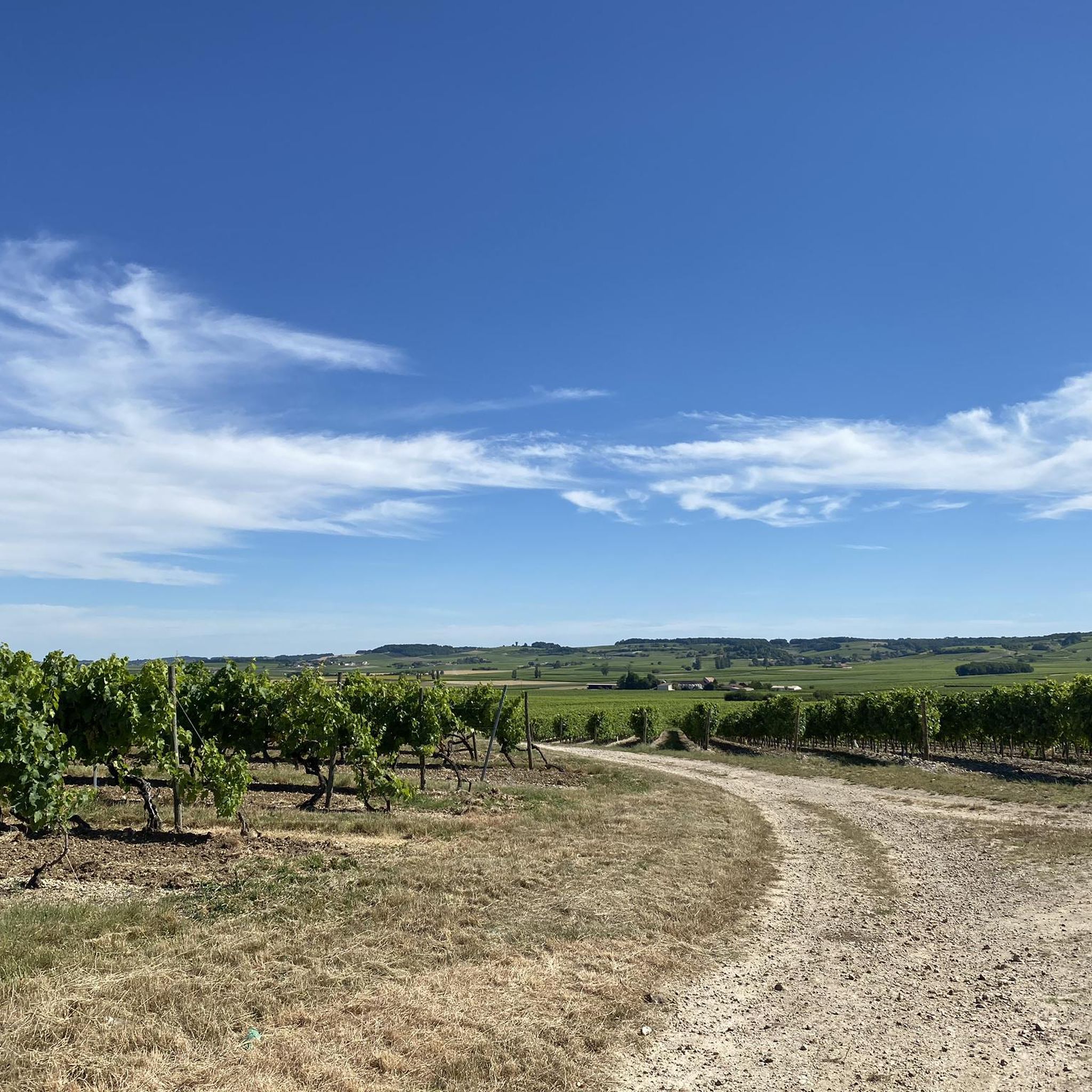
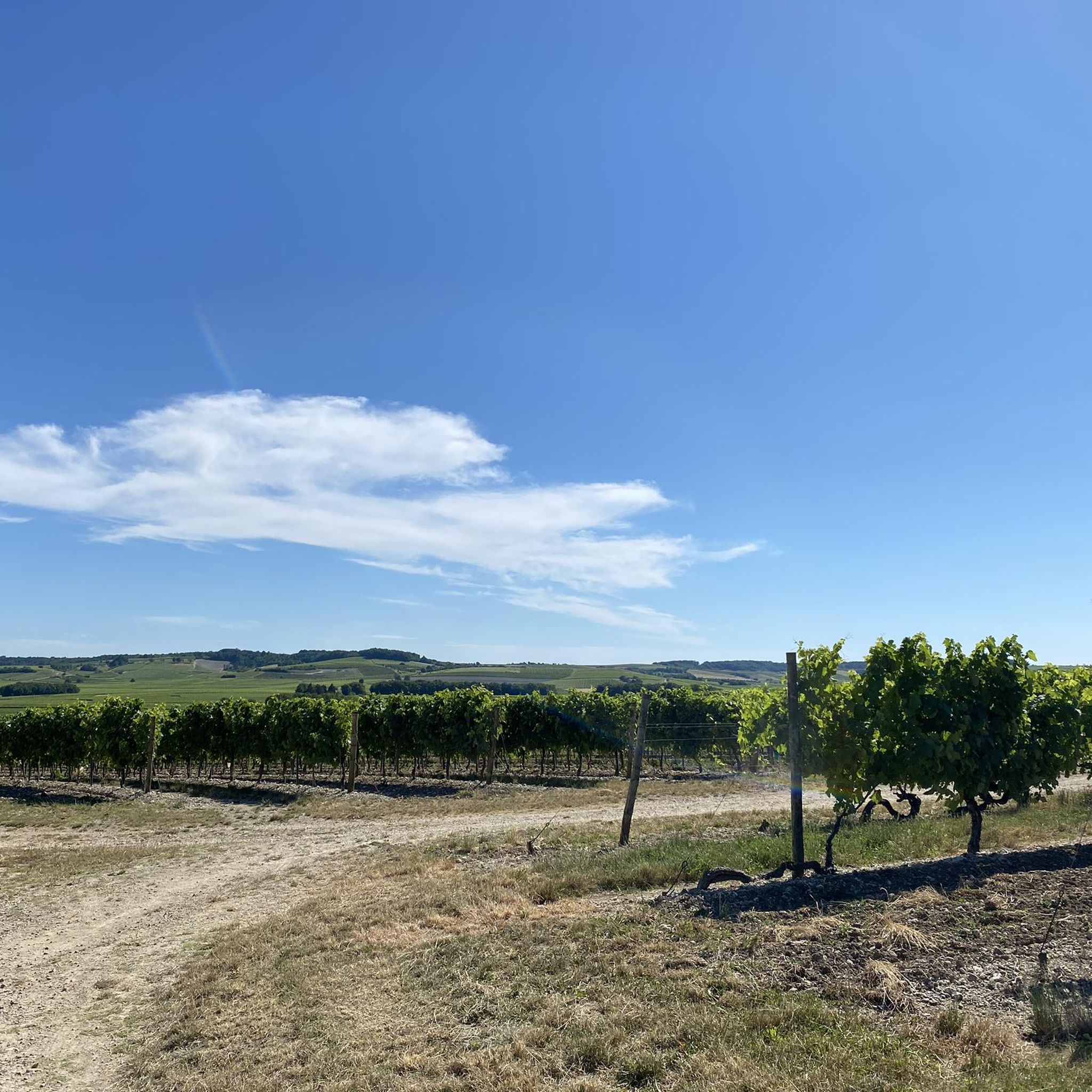
Best attractions and places to see around Sigogne offer a blend of historical sites, cultural experiences, and natural landscapes in the Charente department of southwestern France. This region is known for its connection to cognac production, with vineyards and distilleries dotting the countryside. Visitors can explore ancient abbeys, historic castles, and charming villages. The area provides opportunities for outdoor activities amidst its picturesque settings.
Best attractions and places to see around Sigogne
- The most popular attractions is Chateau des Chabannes…
Last updated: July 7, 2026
Bourg-Charente Castle
Highlight • Castle
Acquired …
Translated by Google •
Tip by

Chateau des Chabannes
Highlight • Other
Translated by Google •
Tip by

Sign up now to discover places like this
Get recommendations on the best single tracks, peaks, & plenty of other exciting outdoor places.
Sign up for free
Abbaye de Bassac
Highlight • Religious Site
Translated by Google •
Tip by

Logis de Gardépée in Saint-Brice
Highlight • Other
Translated by Google •
Tip by
Maison Hine – Cognac Distillery and Royal Warrant Holder
Highlight • Historical Site
In 1791, Thomas Hine (1775-1822), then aged 16, left his native land on the south coast of England to go to France… in the …
Translated by Google •
Tip by

Sign up for free to discover even more attractions around Sigogne.
Sign up for free
Already have an account?
Start today with a free account
Your next adventure awaits.
Login or Signup


Tips from the Community

HISTORY OF THE HOUSE OF HINE In 1791, Thomas Hine (1775-1822), then aged 16, left his native land on the south coast of England to go to France… in the middle of the French Revolution. He went to Jarnac, Charente, where he was hired as a clerk in the Ranson et Delamain trading house, which produced his father’s favourite cognac. James Delamain (1738-1800), a Huguenot who had emigrated from Ireland, founded the trading house in 1763 with his father-in-law Jean-Isaac Ranson. On 3 October 1797 (13 Brumaire Year VI), Thomas Hine married Françoise Élisabeth Delamain, daughter of James Delamain and Marie Ranson. In 1817, the Ranson et Delamain house was liquidated, the heirs having been unable to agree on the succession. The eponymous son-in-law founded Thomas Hine & Co, and his cousins Paul Roullet and Henri Delamain (James' grandson) founded the Maison Roullet et Delamain seven years later, which would become Delamain et Cie. The links between the two Protestant Jarnac families remained close, and Thomas Hine's great-granddaughter, Adrienne Hine (1850-1922) married Philippe Delamain (1847-1902) - they had sons Jacques and Robert Delamain. Today, as in Thomas Hine's time, the Hine establishments line the banks of the Charente in Jarnac. The logo is inspired by Hine's speaking arms, hind meaning doe in Old English. He is lying down, his head turned backwards, symbolically looking towards England2. In 1962, Hine was granted the Royal Warrant of Her Majesty Queen Elizabeth II, and became the official supplier of cognac to the Court of England. In 1987, the company was bought by Moët Hennessy. In 2003, it became the property of the CL Financial group, which emerged from the Angostura group. The House was bought in 2013 by the Edv company. TYPOLOGY OF HINE EAUX DE VIE The House of HINE is located on the banks of the Charente, in the heart of the Cognac region. In the cellars, which ensure the protection of the precious vintages under seal, little has changed in more than 260 years. From the neighboring quays once began the journey of HINE cognacs around the world. This house is one of the oldest in Jarnac. Cognacs exclusively from the Grande and Petite Champagne vintages, a distillation with the lees, and an aging in fine grains with a light to moderate heating. Here, every manufacturing detail will be revealed to you. > To find out more: - https://hine.com/fr - Address: 16 quai Orangerie 16200 Jarnac - 05 45 35 59 59 - Visits, Tasting and Purchases possible - Opening periods: From 01/04 to 31/12 Monday, Tuesday, Wednesday, Thursday and Friday from 9 a.m. to 5:30 p.m. Excluding public holidays. Full price: from €20. Free for children under 18. (Subject to change)
0
0

The Charente in this sector is lined with many castles, the area is rich thanks to the production of Cognac and Pineau.
0
0

Bourg-Charente castle is a 17th century mansion. Nestled on a rocky promontory, it is located a few kilometers from Cognac. It also houses the remains of a medieval fortress. Acquired in the 20th century, this château houses cellars for producing Grand Marnier. It can be visited from Monday to Friday from 8 a.m. to 5 p.m.
0
0

It is in this castle that the cognac cellars of the Marnier-Lapostolle family are located, used for the production of Grand Marnier cognac.
4
0

Castle with a fairly compact architecture, rich in details and various corbels that seem to come out of a Walt Disney story. It doesn't look very well maintained, what a pity!
0
1

Abbey of Saint-Étienne de Bassac, (Sancti Stephani de Bassaco vel Bassacensis, Bassacum): Monks of the order of Saint-Benoît, united in 1666 to the Congregation of Saint-Maur. It was founded at the beginning of the 11th century by one of the Princes of Angoulême, called Guadardus de Lorichis, in honor of St-Etienne, the first martyr, according to what is reported in the acts of the life of Grimourd (bishop of 'Angoulême), but in the history of Angoulême it is said that it was founded by Wardrard de Jarnac, and his wife Rixende. Be that as it may, the church and the regular places having been destroyed by the heretics, the Benedictines of the congregation of St Maur who were introduced there, restored everything, and had a beautiful church built. The Abbot has the collation of a few simple priories, and the appointment to a few parishes. • Foundation in the 11th century. Church rebuilt from 1247 to 1286. • Defensive works at the end of the 14th century. • Abbey burnt down by the Anglo-Saxons in 1434. • Reconstruction in the second half of the 15th century. • Abbey plundered by the Protestants between 1564 and 1569. • Maurist reform introduced in 1666 after the abbey had been abandoned for nearly a century: rehabilitation and restoration until 1746 (conventual building, guest room, etc.). • Abbey sold as national property during the Revolution. • Destruction of the Gothic cloister in 1820. • Major restoration work on the church and abbey buildings during the 19th and 20th centuries. Many times transformed over the course of congregations and historical events, it mixes Romanesque, Gothic, Baroque and Classical styles. Listed as a Historic Monument, the Saint-Étienne de Bassac abbey today unveils a rectangular abbey church consisting of 4 bays and a flat chevet. Gothic in style, it has however retained the bases of the original walls and has domed rib vaults. Romanesque, the bell tower is not lacking in charm, just like the apse and the 13th century chapel pierced by a bay and covered with a ribbed vault. The 17th century convent buildings are also still visible. Like several other religious sites around the world, the abbey of Saint-Étienne de Bassac had a “Gate of Mercy” in 2015-2016; door which, on the margins of the Holy Doors open every 25 years or according to the exceptions fixed by the pope during the course of the holy years or Jubilees, was established at the abbey of Saint-Étienne de Bassac following the desire of Pope Francis to see the Jubilee of Mercy spread all over the world. In short, this Door, like all the other doors of Mercy, supports the Holy Doors in their roles in the Jubilee of Mercy proclaimed by Pope Francis from December 8, 2015 to November 20, 2016 In addition, the Saint-Étienne abbey now hosts retreats, and also has an approval to receive green classes. Opening hours: Monday: 09:00 – 18:30 • Tuesday: 09:00 – 18:30 • Wednesday: 09:00 – 18:30 • Thursday: 09:00 – 18:30 • Friday: 09:00 – 6:30 p.m. • Saturday: 9:00 a.m. – 6:30 p.m. • Sunday: 9:00 a.m. -6:30 p.m.
0
0

The Château de Garde-Épée in Saint-Brice is built on the edge of a plateau overlooking the Charente in the distance. In January 1553, Sieur Ancelin, a merchant, bought this fief from the Marquis de Caravaz (the Marquis de Carabas in Perrault's tale) with permission to build a crenellated house there with a gigantic flight, fish pond and warren. Around the middle of the 17th century, Jean Ancelin having died childless, his heirs sold the domain of Garde-Épée to a Mr. Richard, who was still the owner in 1698. Finally the house of Garde-Épée passed into the family of Jarnac de Garde-Épée, which still owns it today with the abbey of Châtre, through a private company, the Société de Garde-Épée, whose main shareholder is Henri de Jarnac. On the right, before the entrance, the imposing round flight has 2600 putlogs. It is covered with a pepperbox roof with three skylights and dates from 1553. The arms of the Ancelins are visible above the door. The entrance is imposing with a carriage entrance surmounted by a long curtain wall crowned with merlons. The buildings form a vast quadrilateral. The house which occupies the north side was rebuilt at the end of the 18th century with two levels under a low roof; it is extended by two single level wings. The courtyard has a curious well covered with a roof. The castle has been listed as a historical monument since October 30, 1973.
0
0
Frequently Asked Questions
What kind of attractions can I expect to find around Sigogne?
Around Sigogne, you'll discover a rich blend of historical sites, cultural experiences, and picturesque natural settings. The area is particularly known for its connection to cognac production, offering ancient churches, historic castles, and expansive vineyards. You can explore sites like the thousand-year-old Abbaye de Bassac, the 17th-century Bourg-Charente Castle, and the elegant Chateau des Chabannes.
Are there any notable historical sites near Sigogne?
Yes, the region is rich in history. Besides the Abbaye de Bassac and Bourg-Charente Castle, you can visit the Romanesque Église Saint-Martin de Sigogne, dating from the 11th century, known for its striking bell tower. The historic Logis de Sigogne, though private, also has roots dating back to the 13th century.
What outdoor activities are available around Sigogne?
The area around Sigogne is ideal for outdoor enthusiasts. You can enjoy hiking or cycling through the picturesque vineyards of Fins Bois. The nearby Charente River offers opportunities for traditional boat trips. For specific routes, you can find various cycling options, including road cycling and gravel biking, such as the 'Bourg-Charente Castle – Chateau des Chabannes loop' or the 'Vinade-Bassac bridge – Pont d'Angeac loop'. You can explore more routes on the Road Cycling Routes around Sigogne, Gravel biking around Sigogne, and Cycling around Sigogne guide pages.
Can I explore the vineyards and learn about cognac production near Sigogne?
Absolutely. Sigogne is situated within the Fins Bois vineyard region, offering vast landscapes perfect for exploring. You can visit local distilleries, such as Maison Hine – Cognac Distillery in Jarnac, for free tours and tastings of Cognac and Pineau des Charentes produced using traditional methods.
Are there family-friendly attractions or activities in the Sigogne area?
Many of the historical sites, such as Bourg-Charente Castle and Abbaye de Bassac, are suitable for families. Exploring the vineyards by bike or on foot can also be a pleasant family activity. Some distilleries offer tours that can be engaging for older children, and local markets provide a cultural experience for all ages.
What is the best time of year to visit Sigogne and its attractions?
The best time to visit Sigogne is generally during the spring (April-June) and autumn (September-October) months. During these periods, the weather is pleasant for outdoor activities like hiking and cycling through the vineyards, and the cultural sites are typically open. Summer can also be lovely, though it can be warmer.
Are there any dog-friendly options for visitors around Sigogne?
While specific dog-friendly trails are not explicitly listed, many outdoor areas like the vineyards and general walking paths are suitable for dogs on a leash. It's always advisable to check with individual attractions regarding their pet policies before visiting, especially for indoor sites like abbeys or distilleries.
Where can I find local markets and regional specialties near Sigogne?
To experience local flavors, you can visit markets in nearby towns. Jarnac hosts a market daily except Monday, and Cognac has markets on Tuesdays and Fridays. Here you can find regional specialties such as Cognac, Pineau des Charentes, snails à la charentaise, and various goat cheeses.
Is public transport available to reach attractions around Sigogne?
Sigogne is a smaller commune, and while some regional transport might exist, many attractions are best accessed by car. Public transport options directly to specific historical sites or vineyard trails may be limited, making a car the most convenient way to explore the wider region.
What do visitors particularly enjoy about the attractions around Sigogne?
Visitors frequently appreciate the blend of history and natural beauty. The historical depth of sites like the Abbaye de Bassac and the architectural grandeur of castles like Bourg-Charente Castle are highly rated. The picturesque vineyards and the opportunity to learn about cognac production also stand out. The komoot community has shared over 8 photos and given more than 110 upvotes to the attractions, highlighting their appeal.
Are there any hidden gems worth discovering near Sigogne?
Beyond the main attractions, the region is dotted with charming villages and lesser-known historical sites. Exploring the smaller roads through the Fins Bois vineyards can lead to unexpected discoveries. The Logis de Gardépée in Saint-Brice, with its 16th-century architecture and historical significance, offers a glimpse into the area's past, though it's a private residence.
Most popular routes around Sigogne
Most popular attractions around Sigogne

Get inspired with the komoot mobile app


Explore more
Still not found the Highlight you’re looking for? See guides of the top attractions in other regions:
