The best road cycling routes around Étrelles-Et-La-Montbleuse
4.0
(23)
616
riders
119
rides
Road cycling routes around Étrelles-Et-La-Montbleuse are situated in the Haute-Saône department, a region known for its diverse cycling infrastructure. The area features varied terrain, from gentle riverside paths along the Saône to more challenging ascents through verdant countryside and small woods. This landscape provides options for road cyclists seeking both low-gradient rides and routes with significant elevation changes.
Best road cycling routes around Étrelles-Et-La-Montbleuse
- The most popular road cycling route is Corneux Abbey – Maison de Maître Mugnier loop from…
Last updated: October 10, 2026
4.0
(1)
25
riders
Moderate road ride. Good fitness required. Mostly well-paved surfaces and easy to ride.
8
riders
Moderate road ride. Good fitness required. Mostly well-paved surfaces and easy to ride.

5.0
(4)
7
riders
31.0km
01:17
170m
170m
Easy road ride. Great for any fitness level. Mostly well-paved surfaces and easy to ride.
6
riders
Moderate road ride. Good fitness required. Mostly well-paved surfaces and easy to ride.
4
riders
Easy road ride. Great for any fitness level. Mostly well-paved surfaces and easy to ride.
Get access to more routes and recommendations from other explorers.
Already have an account?
Our route recommendations are based on thousands of hikes, rides, and runs completed by other people on komoot.
Start today with a free account
Your next adventure awaits.



Tips from the Community

A curiosity of river navigation
2
0
The exact place to pose
1
0

The 681-metre canal tunnel was built at the end of the 19th century. It allows barges to avoid a long detour via the Saône.
3
0

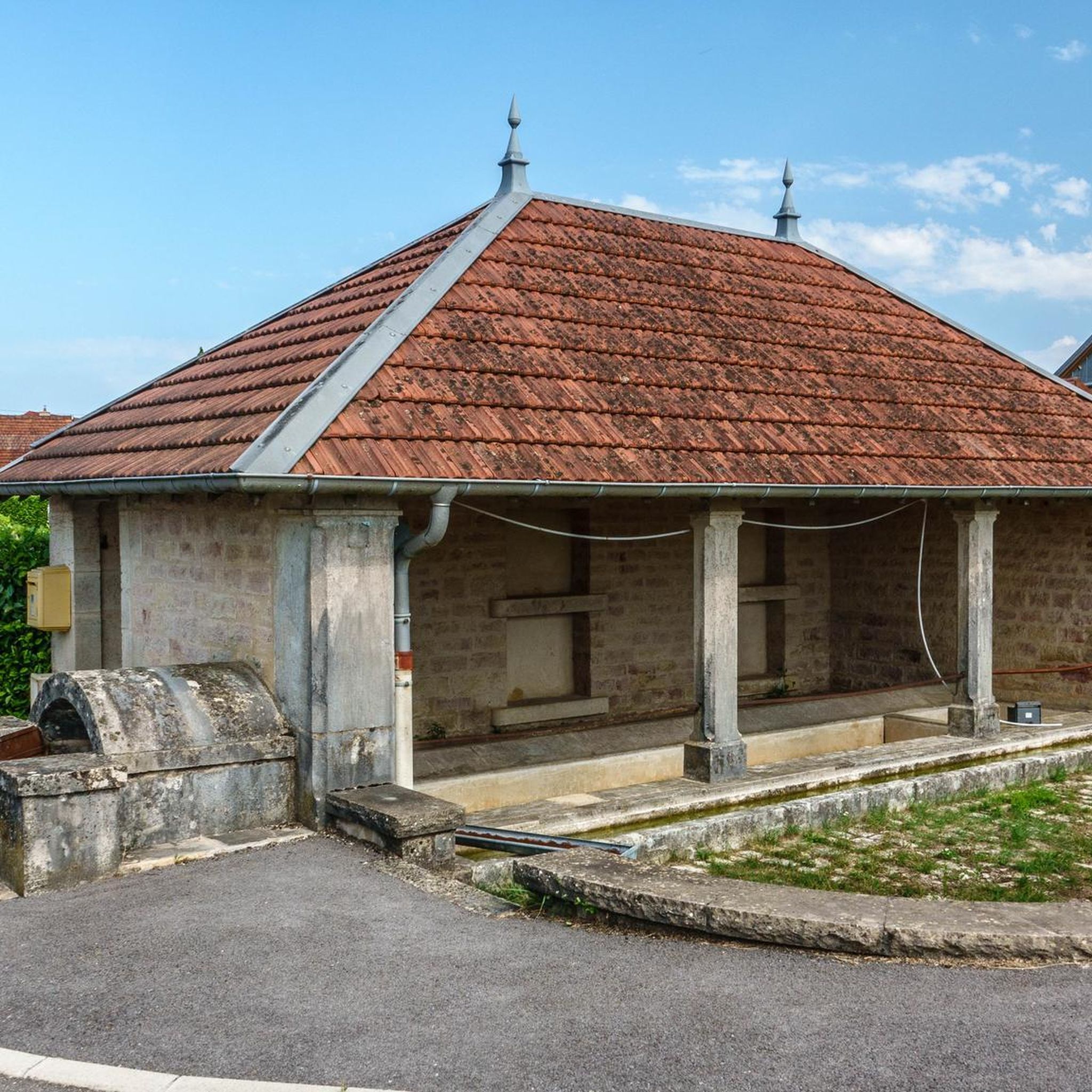
Parish church of the Nativity of Our Lady, rebuilt in 1726 and with a flat-roofed bell tower from 1834 with four faces, listed as a historic monument19, with two altarpieces and an altar, also listed. Washhouse fountain20 (with the roof renovated in recent years)[When?]. Renaissance-style house with a turret. Old rural fabric.
10
4

You don't see that every day.
2
0

A bombastic portal leads into the Saone tunnel. Worth seeing.
2
1

Characterful Comtoise town which was part of the Holy Roman Empire until the treaty of 1678. Very prosperous in the Middle Ages, due to its trade and its artisans. There has been a cloth hall there since the 14th century, after Jeanne de Bourgogne, countess of Franche-Comté and queen of King Philippe V the Long of France, brought weavers from Paris there. From June 14, 1354 and until the Revolution, the bourgeoisie of Marnay had a charter of emancipation which ensured them security and abundance - "anyone who has a house and keeps fire in the village will be bourgeois". This charter allowed residents to administer the city themselves and thus build ramparts and set up the individual gardens that can still be found there today.
0
0
Village which dates back to Gaulle (Gallic burials have been unearthed there) and of which we also find traces under the Gallo-Roman Empire. There we find the source of the Colombine and some beautiful buildings, including the cemetery chapel (listed as a Historic Monument) and the Notre-Dame de Leffond Chapel which dates from the 13th century. However, the village is best known for its vineyards. In the Middle Ages, the wines of Gy and Charcenne were already exported and we found them on the tables of nobles in the 16th century. The Guillaume family has been cultivating vines there since 1732 and has developed a highly specialized nursery business since 1895, recognized worldwide. The 43 hectares of vines therefore produce wine, awarded several times, but also serve as a support for the multiplication of vine plants. They therefore cultivate other grape varieties than those necessary for their production. And if you want to accompany your wine with a cheese, head to the Millet cheese dairy to taste a Charcennais or an Ortolan.
1
0
Frequently Asked Questions
What kind of terrain can I expect on road cycling routes around Étrelles-Et-La-Montbleuse?
The region offers a diverse range of terrain. You'll find gentle riverside paths, particularly along the Saône River, ideal for relaxed rides. However, the Haute-Saône also features unexpected reliefs and remarkable climbs through verdant countryside and small woods, providing more challenging ascents for experienced cyclists.
Are there road cycling routes suitable for beginners or those looking for an easy ride?
Yes, Étrelles-Et-La-Montbleuse and the surrounding Haute-Saône region cater to all abilities. There are easy circuits with minimal elevation changes, such as the Roadbike loop from La Vernotte, which offers a tranquil riverside experience with gentle gradients. Overall, there are over 20 easy routes available in the area.
How many road cycling routes are available in the Étrelles-Et-La-Montbleuse area?
There are over 110 road cycling routes around Étrelles-Et-La-Montbleuse, offering a wide variety of distances and difficulty levels. This includes 22 easy routes, 83 moderate routes, and 8 difficult routes, ensuring options for every cyclist.
What are some notable landmarks or attractions I can see while cycling in the region?
The routes often pass by historical and natural points of interest. You might encounter charming villages like Oiselay-et-Grachaux Village, which has a rich history. Other attractions include the Abbey of Our Lady of Charity of Neuvelle-lès-la-Charité, the Notre-Dame du Calvaire Chapel, and scenic spots like the Saône Viewpoint.
Are there any longer or more challenging road cycling routes for experienced riders?
Absolutely. For those seeking a greater challenge, the region offers routes with significant elevation gains. An example is the Corneux Abbey – Maison de Maître Mugnier loop from Villers-Chemin, which is over 60 km long with more than 440 meters of elevation gain, providing a moderate challenge. There are 8 difficult routes in total for advanced cyclists.
What is the best season for road cycling in Étrelles-Et-La-Montbleuse?
The Haute-Saône region, including Étrelles-Et-La-Montbleuse, is generally pleasant for cycling from spring through autumn. The verdant landscapes are particularly beautiful during these seasons. While specific weather patterns vary, avoiding the peak heat of summer or the colder, potentially wetter winter months is advisable for optimal enjoyment.
Are there circular road cycling routes available?
Yes, many of the routes in the area are designed as loops, allowing you to start and finish in the same location. For instance, the Little-used alley – Maison de Maître Mugnier loop from Villers-Chemin-et-Mont-lès-Étrelles is a popular circular route that takes you through picturesque landscapes.
What do other road cyclists say about the routes in Étrelles-Et-La-Montbleuse?
The road cycling routes around Étrelles-Et-La-Montbleuse are highly rated by the komoot community, with an average score of 4.1 stars from over 10 reviews. Cyclists often praise the varied terrain, from tranquil riverside paths to challenging ascents, and the picturesque landscapes. Over 350 road cyclists have used komoot to explore the area's routes.
Can I find routes that pass through historical sites or charming villages?
Yes, the region is rich in history and charm. Routes often lead through or near historical sites like the La Chapelle-Saint-Quillain and various 19th-century washhouses and drinking fountains mentioned in the regional context. The Château de Frasne-le-Château – Maison de Maître Mugnier loop from Villers-Chemin is an example of a route that includes a historical landmark.
Is the Haute-Saône region well-equipped for cyclists?
Yes, the Haute-Saône is recognized as a cycling haven, frequently hosting major events like the Tour de France. It boasts a vast network of cycle routes, including 21 signposted loops and greenways. Services with the 'Accueil Vélo' label, providing cyclist-friendly amenities, are also available in the broader area, such as in Luxeuil-les-Bains.
Are there specific long-distance cycling routes that pass through the area?
Yes, a significant feature for road cyclists in the Haute-Saône is the 'Voie Bleue' (Moselle-Saône by bike). A 140 km section of this 700 km national route traverses Haute-Saône, offering a delightful riverside experience with a gentle gradient, ideal for touring cyclists. You can find more information about the Voie Bleue on the Haute-Saône Tourism website.
Where can I find more information about cycling in the wider Haute-Saône department?
For comprehensive information about cycling infrastructure, routes, and services in the Haute-Saône department, you can visit the official Haute-Saône Tourism website. They provide details on main roads and cycle loops throughout the region.
Most popular routes around Étrelles-Et-La-Montbleuse
Most popular attractions around Étrelles-Et-La-Montbleuse

Get inspired with the komoot mobile app


Explore more
Browse the best Road cycling routes in other regions.
