Attractions and Places To See around Sauve - Top 20
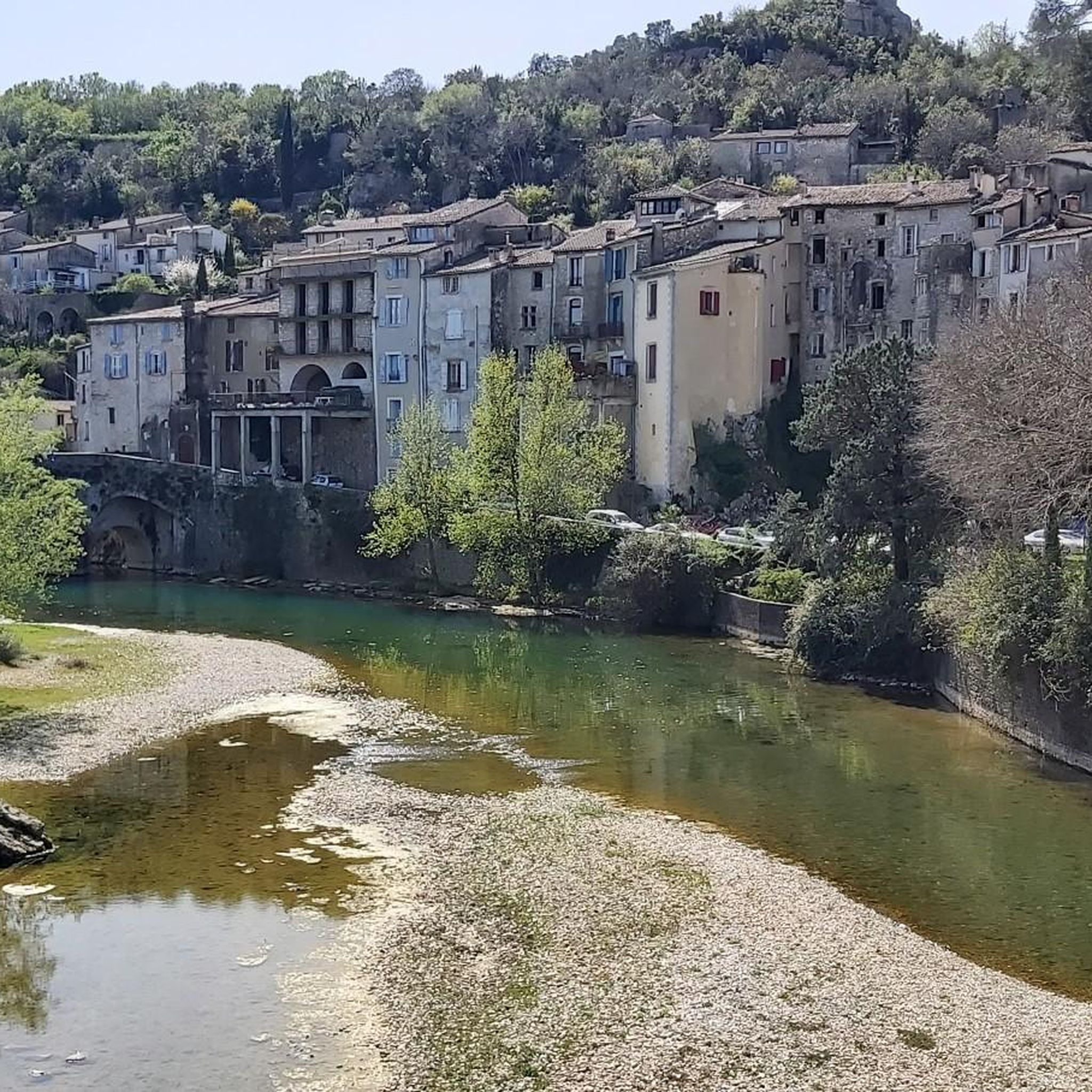
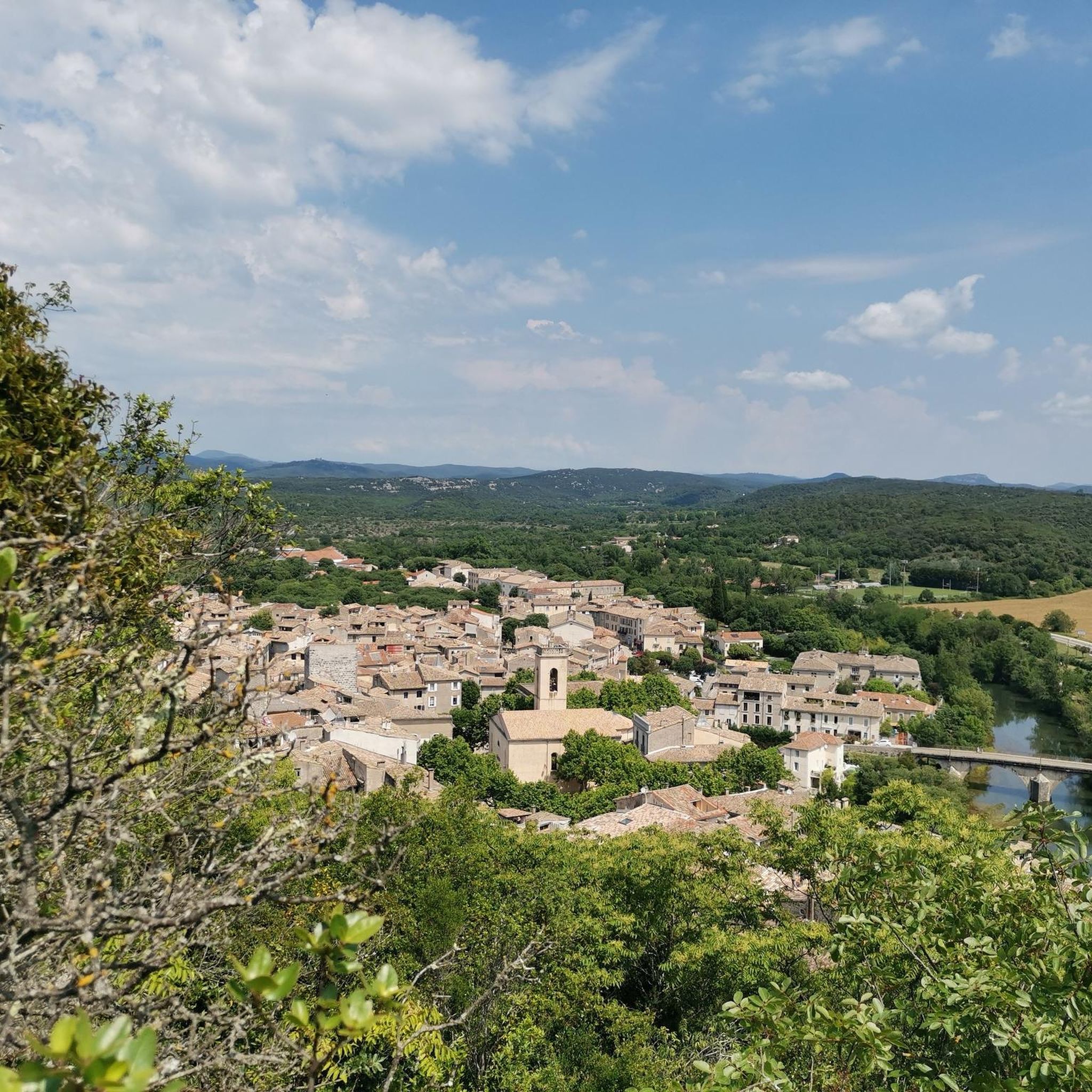
Best attractions and places to see around Sauve include a medieval village nestled in the Gard department of Languedoc-Roussillon, France. This area is characterized by its rich tapestry of historical landmarks and unique natural features. Situated in the valley of the Vidourle river, Sauve offers a blend of ancient architecture and striking landscapes like the Mer des Rochers. Visitors can explore medieval streets and various cultural sites.
Best attractions and places to see around Sauve
- The most popular attractions is Mer des Rochers, a unique natural landscape featuring large natural rocks and boulders. This area is known for its striking scenery, carved by millennia of erosion, and includes ruins of the Château de Roquevaire.
- Another must-see spot is Gardon of Anduze, a river that flows from the Cevennes. Visitors can enjoy the beautiful surroundings and views of the village and surrounding forest from its banks.
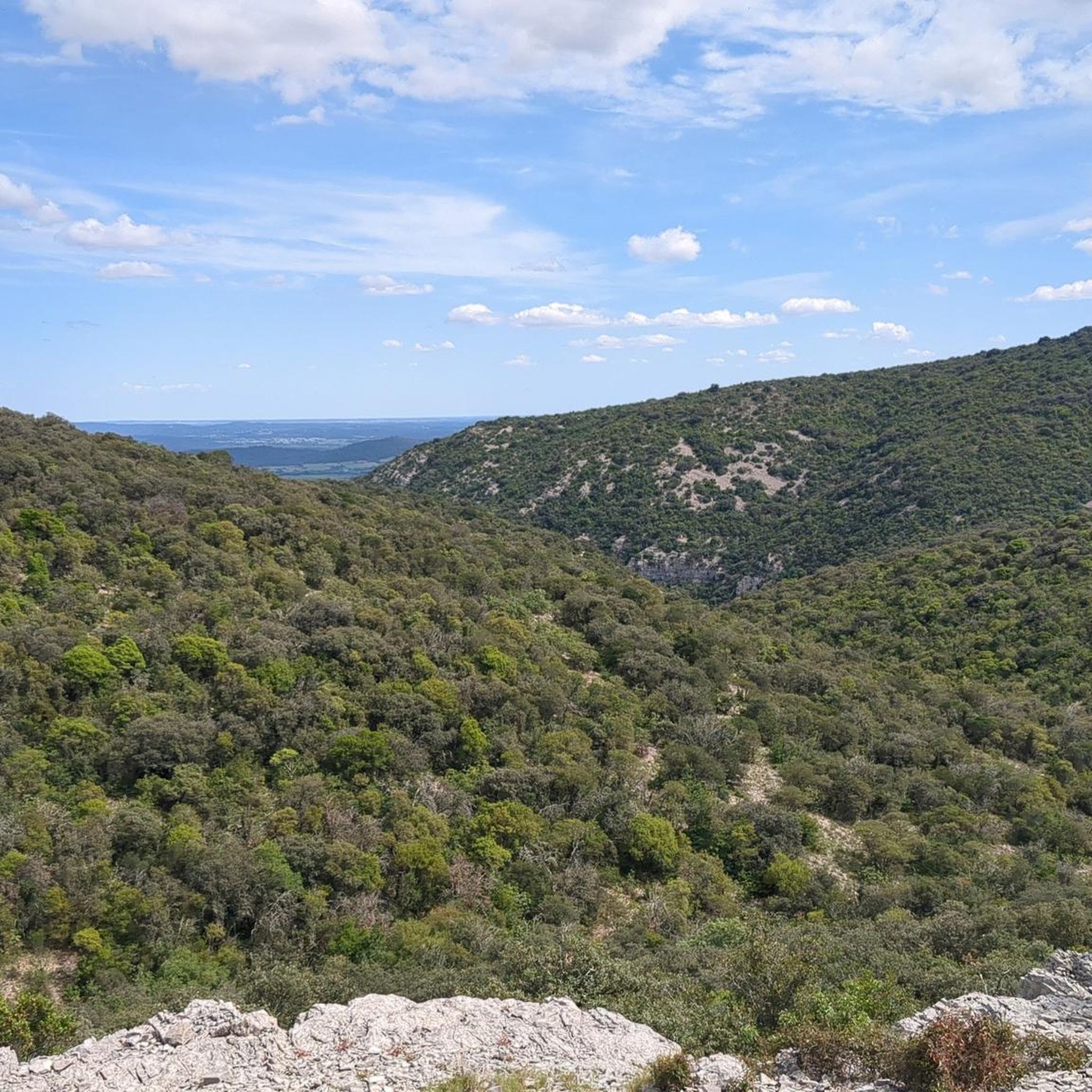
- Visitors also love Notre-Dame du Château Chapel, a religious building and historical site. This chapel is built on the ruins of an old castle and offers a viewpoint with a magnificent landscape.
- Sauve is known for its historical sites, natural features, and cultural attractions. The area offers a variety of places to see, from medieval streets and ancient gateways to unique landscapes and museums.
- The attractions around Sauve are appreciated by the komoot community, with 123 upvotes and 6 photos shared by visitors.
Last updated: October 9, 2026
Gardon of Anduze
Highlight • River
The Gardon is a generic name meaning river. This is why there are many local rivers with this name.
Here it is the Gardon d’Anduze. This name also designates a freshwater fish with silver scales and bright red fins.
Showing Translation
Tip by

Anduze
Highlight • Settlement
My recommendation is clearly a walk through the cozy alleys of the city. There's a lot to discover. For example, the small restaurant Tife Tafe on Place Notre Dame. In addition to good food in a great ambience, there are also excellent craft beers from the region, which the chef Olivier personally selects and is happy to make recommendations for. If you're lucky it's summer and Tuesday. Because then there is always a night market in the city and the streets are full of market stalls and street musicians.
If you are in the city for more than a day and would like to take a little trip, I can recommend the “Bambouseraie de Prafrance” botanical garden about three kilometers north of the city. There you can admire bamboo varieties in all their variance.
Translated by Google •
Tip by

Sign up now to discover places like this
Get recommendations on the best single tracks, peaks, & plenty of other exciting outdoor places.
Mer des Rochers
Highlight • Other
Translated by Google •
Tip by

Notre-Dame du Château Chapel
Highlight • Religious Site
The landscape is sublime, especially towards the cliff opposite.
Before, there was a rope that was used to ring the bell when we arrived, but it has disappeared since my last visit.
A clean place, and of course, a place to respect.
Translated by Google •
Tip by

Illuminated tunnel
Highlight (Segment) • Cycleway
Translated by Google •
Tip by

Sign up for free to discover even more attractions around Sauve.
Already have an account?
Start today with a free account
Your next adventure awaits.

Tips from the Community

One of the flattest rides that could be found on komoot in this region. Nice as an intermediate ride.
0
0

Many churches in France, including this chapel, are dedicated to the Virgin Mary under the widely used title "Notre-Dame" (in German: "Our Dear Lady"). A brief reflection on the Mother of God from Albino Luciani (Pope John Paul I): "Mary is truly our sister, as Saint Ambrose says. She lived a life very similar to ours. It is, of course, beautiful to venerate Mary as the Virgin and Mother of God, as the one conceived immaculately from original sin and assumed into heaven; but she is also the Madonna of plates, brooms, and cooking pots..." Visitors to this small but highly prominent Marian shrine can decide for themselves which "Notre-Dame" they wish to venerate here.
0
0
A pleasant hike in a karst landscape (for the initiated) but also imbued with a certain magic. The loop from the center of the village took us about two with a picnic among the rocks, in a place once planted with cherry trees and other fruit trees. Note the presence of an original sundial... in perfect working order! The sinkhole, at the beginning of the trail, is hardly visible because it is overgrown with vegetation. But the ruins of the castle for their part allow for beautiful photos. The trail is quite shaded regardless of the season, we did it in 28 degrees without any discomfort (but we are from the South!). However, be sure to wear proper footwear because the route is very stony!
0
0

Nice for walks, especially in summer, when you can cool off a bit by hiding from the sun!
1
0

Superb viewpoint at the summit
0
0
Avoid doing the sea of rocks the day after rain, it is dangerously slippery and spoils a lot of the fun.
1
0
The sea of rocks is located on the heights of the village of Sauve. Although short, the well-marked path offers a beautiful view. The path is uneven, sometimes with high steps, but is quite easy to do on foot, and seems to be intended for everyone, with a little care. A sundial is located at the end of the crossing (or at the beginning depending on where you are coming from). Not far from there, 10/15 minutes on foot, is the Grand Aven de Sauve, which I was able to descend a few years ago.
2
0
A beautiful little Chapel (closed), on the heights of Corconne, on the edge of a cliff. The landscape is sublime, especially towards the cliff opposite. Before, there was a rope that was used to ring the bell when we arrived, but it has disappeared since my last visit. A clean place, and of course, a place to respect.
1
0
Frequently Asked Questions
What historical sites can I explore in Sauve?
Sauve is rich in history. You can wander through its narrow, medieval streets, some with vaulted passages, and discover ancient houses. Don't miss the 12th or 13th-century Old Bridge (Pont Vieux), the ancient gateway to the old town, and the Medieval Clock Tower with its wrought iron campanile. Remnants of defensive ramparts and the 11th-century tower known as Le Castellas also offer a glimpse into the village's past. For a significant religious and historical site, visit the Notre-Dame du Château Chapel, built on the ruins of an old castle, offering magnificent views.
Are there any unique natural landscapes to visit near Sauve?
Absolutely. One of the most unique natural features is the Mer des Rochers ('Sea of Rocks'), located on the heights beyond the village. This striking landscape features large natural rocks and boulders carved into remarkable shapes by millennia of erosion. You'll also find abandoned and ruined buildings blending into this scenery. The Vidourle River, which flows through the valley, is another natural highlight, offering picturesque views.
What kind of outdoor activities can I do around Sauve?
The area around Sauve is perfect for outdoor enthusiasts. You can explore various trails for running, cycling, and gravel biking. For instance, there are several running trails, including a difficult 13 km loop from Sauve that takes you past the Mer des Rochers and the Old Bridge. Cyclists can find numerous road cycling routes and gravel biking routes that explore the scenic landscapes of the Gard department.
Are there family-friendly attractions or activities in the area?
Yes, Sauve offers several family-friendly options. Wandering through the medieval streets is an adventure in itself, and the 'Croquez Sauve' drawing trail provides an educational and fun way for all ages to discover the village's heritage through artistic activity. The nearby town of Anduze is also considered family-friendly, and just a few kilometers north, you can visit the remarkable Bambouseraie de Prafrance, a botanical garden with various bamboo species.
Where can I find scenic viewpoints around Sauve?
For breathtaking views, head to the Notre-Dame du Château Chapel. Built on the ruins of an old castle, its promontory offers a magnificent landscape, especially towards the opposite cliff. The Mer des Rochers also provides unique vistas of the eroded rock formations and the surrounding Cevennes region.
What is the best way to experience the medieval charm of Sauve?
The principal pleasure for many visitors is simply wandering through Sauve's maze of narrow streets. Explore the ancient houses, many with Gothic ornamentation, and soak in the medieval atmosphere. Don't miss the main squares like Place Jean Astruc and Place du Doyen Gachon, which offer a true feel for historic Sauve. The Old Bridge is also an essential part of this experience.
Is there a museum in Sauve?
Yes, Sauve is home to the unique Conservatoire de la Fourche. This museum offers an insightful look into the historical industry of producing wooden forks (pitchforks), which was once very important for stables and the wool industry. It showcases the elaborate process of shaping specially grown trees into these tools.
What is the Vidourle River known for in this region?
The Vidourle River is a significant natural feature in Sauve. The village is situated in its valley, and visitors can enjoy views of the village and surrounding forest from its banks. A unique aspect is that the river's emergence from its subterranean route can be seen a few kilometers west of Sauve, making it an interesting geological point of interest.
Are there any notable towns or settlements nearby worth visiting?
Yes, the charming town of Anduze is a delightful little town nestled between two huge rocks, often called the 'gateway to the Cevennes.' It offers cozy alleys to walk through, historical significance as a center of sericulture and Protestantism, and a vibrant night market in summer. It's also home to the Gardon of Anduze river.
What kind of artistic and cultural experiences does Sauve offer?
Sauve has cultivated a reputation for its vibrant artistic community. Its quaint streets attract a significant number of artists, making it a great place to discover local art. The 'Croquez Sauve' drawing trail also encourages visitors to engage with the village's heritage through artistic expression at various scenic viewpoints.
What is the 'Bridge of Chance' and how can I find it?
The Bridge of Chance (Pont du Hazard) is a natural arch located at the end of a canyon, north of Corconne. It's a remarkable natural formation created by a stream cutting through the cliff. It can be discovered during a hike, which may involve some climbing with iron steps and a cable in places, offering a truly superb experience.
Can I visit the Château de Roquevaire?
The ruins of the Château de Roquevaire are located within the Mer des Rochers landscape. While you can explore the area around the ruins, the castle itself is generally closed to the public. However, the unique scenery of the 'Sea of Rocks' and the blend of abandoned buildings within it are well worth the visit.
Most popular attractions around Sauve

Get inspired with the komoot mobile app


Explore more
Still not found the Highlight you’re looking for? See guides of the top attractions in other regions:
