Top 10 Mountain Passes around Notre-Dame-De-La-Rouvière
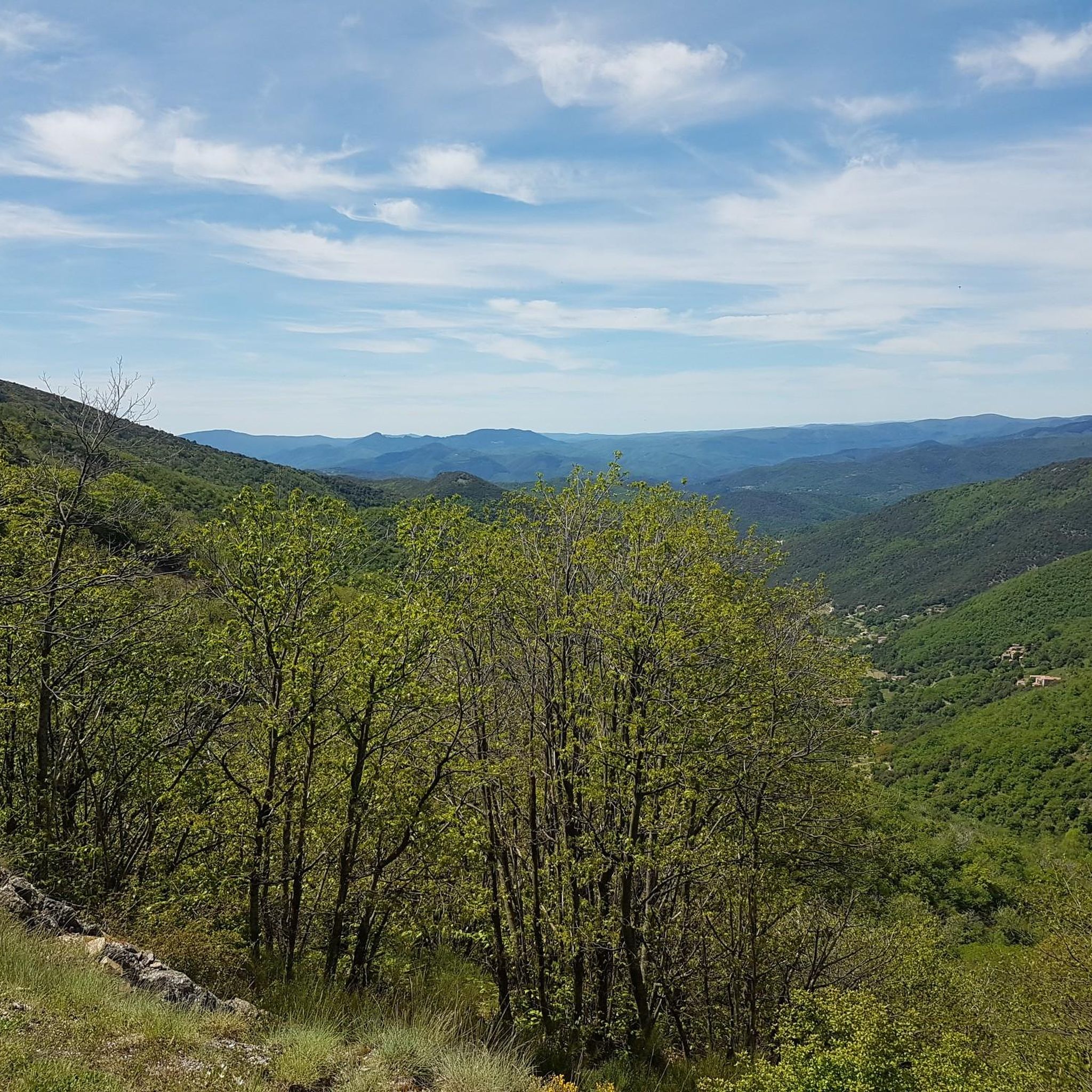
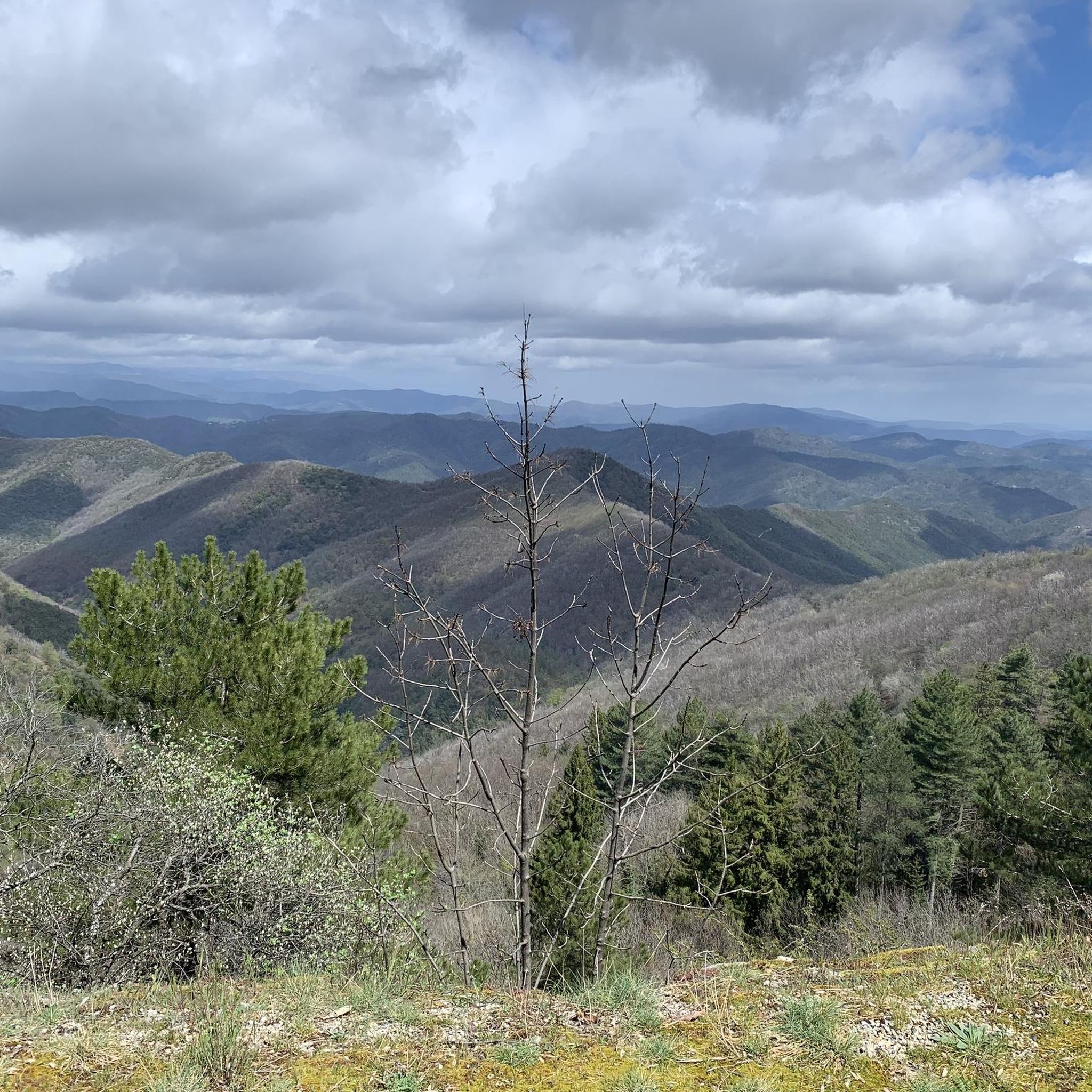
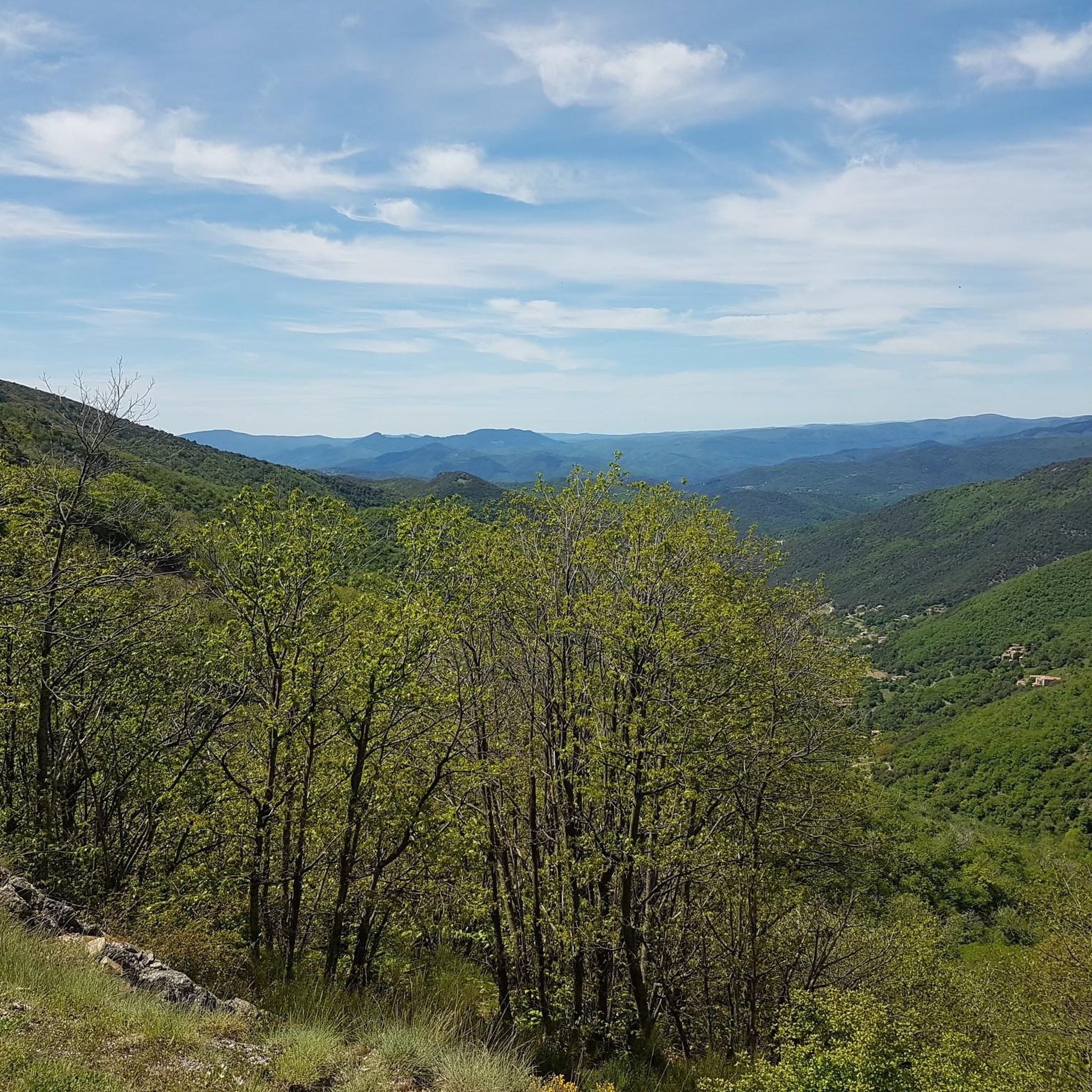
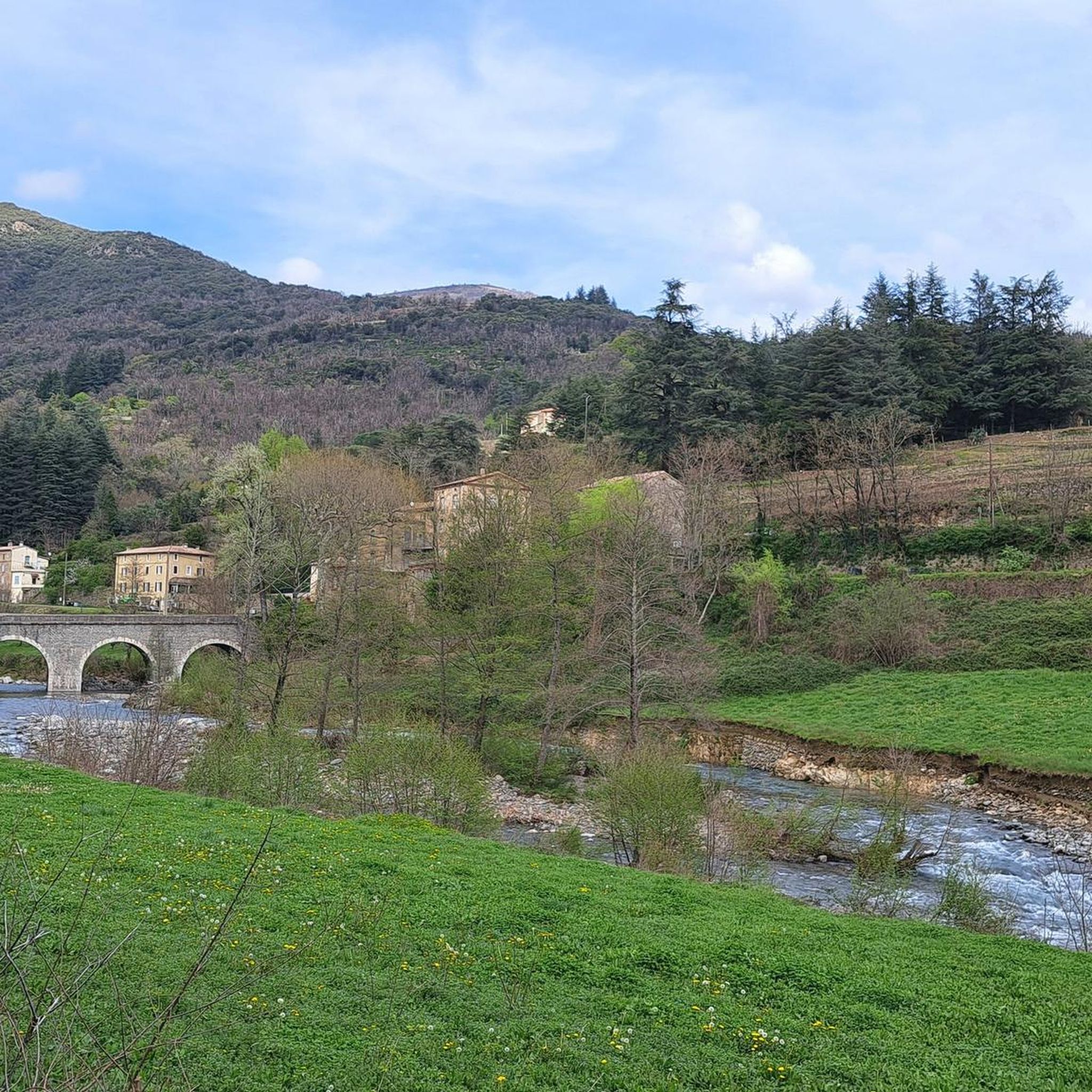
Best mountain passes around Notre-Dame-De-La-Rouvière are found in the Cévennes region of southern France. This area provides access to several mountain passes, known locally as "cols," which are utilized by hikers and cyclists. The passes offer ascents and views of the Cévennes' landscape. The region is characterized by its natural features and opportunities for outdoor activities.
Best mountain passes around Notre-Dame-De-La-Rouvière
- The most popular mountain passes is Col de Saint-Pierre, a mountain pass that culminates at 597 meters above…
Last updated: July 10, 2026
Asclier Pass
Highlight • Mountain Pass
Translated by Google •
Tip by

Col de Saint-Pierre
Highlight • Mountain Pass
Translated by Google •
Tip by
Sign up now to discover places like this
Get recommendations on the best single tracks, peaks, & plenty of other exciting outdoor places.
Sign up for free
Lusette Pass
Highlight • Mountain Pass
Translated by Google •
Tip by

Exile Pass
Highlight • Mountain Pass
Translated by Google •
Tip by

Col de la Pierre Plantée
Highlight • Mountain Pass
Translated by Google •
Tip by

Sign up for free to discover even more mountain passes around Notre-Dame-De-La-Rouvière.
Sign up for free
Already have an account?
Start today with a free account
Your next adventure awaits.
Login or Signup
Popular around Notre-Dame-De-La-Rouvière

Tips from the Community


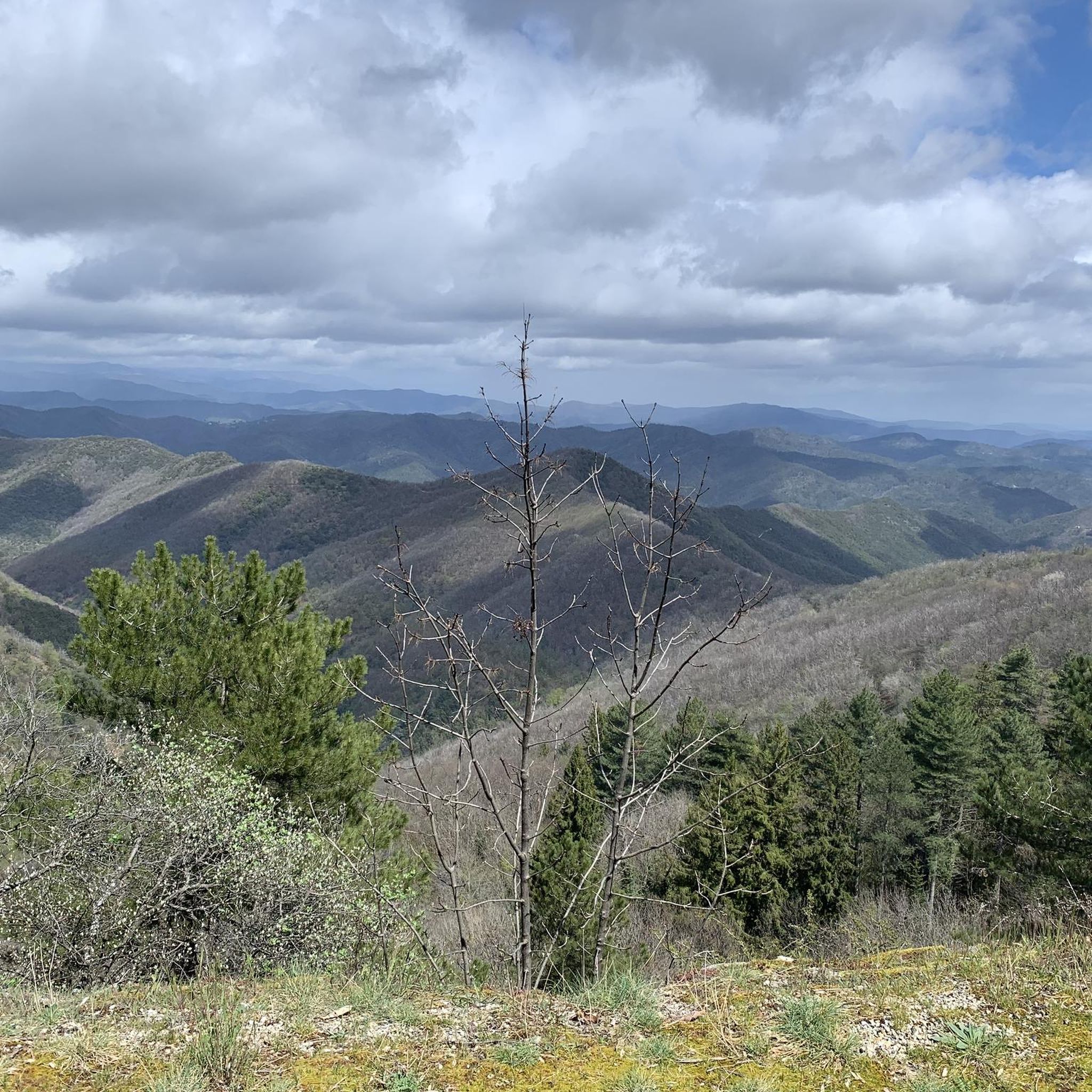
Very beautiful pass offering sumptuous viewpoints and starting points for walks.
0
0


Beautiful place but difficult to climb, the bends before the refuge are more than 11%
1
0

Located in the Massif Central, the Col de l'Asclier is a privileged place for hikers and cyclists. Nestled at an altitude of 911 meters, it offers scenic trails and breathtaking scenery. You can enjoy panoramic views of the Gard mountains.
0
0

One of the passes on the Corniche des Cévennes - unfortunately the viewpoints up here are overgrown so that the views are no longer ideal...
0
0

A nice tour but a part in the forest made impracticable by the cuts of wood which destroy any landmark donations for me course to review with the trace of the mountain bike 10
0
0

The Col de la Pierre Plantée is 5.10km long with 300m of elevation gain. The average gradient is 5.86% with a maximum gradient of 9.7%
1
0
Frequently Asked Questions
What are some of the most popular mountain passes around Notre-Dame-De-La-Rouvière?
Visitors frequently enjoy Col de Saint-Pierre, which offers a 360º view of the region at 597 meters above sea level. Another favorite is Asclier Pass, nestled at 911 meters, known for its scenic trails and panoramic views of the Gard mountains. Exile Pass is also appreciated for the panorama it offers when climbed.
Which mountain passes offer the best panoramic views in the area?
For expansive views, Col de Saint-Pierre provides an excellent 360º panorama. The Asclier Pass also boasts breathtaking scenery of the Gard mountains. Additionally, the Col de Fageas is known for its incredible circular panorama, and Bès Pass offers various magnificent viewpoints over the valley.
Are there any unique historical or natural landmarks at these passes?
Yes, the Asclier Pass is historically significant as it lies on the ancient Margeride drovers' road, featuring the unique 'Pont Moutonnier,' a bridge designed for sheep. At Bès Pass, you can find a menhir, a large standing stone, reminding visitors of the region's ancestral human presence. The Col du Devant, while forested, is notable for an ancient tree found there.
What outdoor activities can I do near the mountain passes around Notre-Dame-De-La-Rouvière?
The region offers a variety of outdoor activities. You can find numerous running trails, including challenging loops like the 'Asclier Pass – La Soubillade in the Cévennes loop'. For cyclists, there are extensive gravel biking routes, such as the 'Lusette Pass – Mont Aigoual loop', and road cycling options like the 'Mount Aigoual – Mont Aigoual loop'. You can explore more options on the Running Trails, Gravel Biking, and Road Cycling Routes guides for the area.
Are there challenging mountain passes for experienced cyclists or hikers?
Absolutely. The Lusette Pass is known for being a beautiful yet difficult climb, with sections reaching between 8% and 14% gradient over 18 kilometers from Vigan. The Col de Bantarde, from La Rouvière, also presents a moderate challenge for cyclists with a 3 km climb and an average gradient of 3.9%.
Are there specific hiking trails associated with these mountain passes?
Yes, several passes serve as excellent starting points or are integrated into hiking networks. The Asclier Pass is a genuine crossroads for various paths, including the GR 6.67, known as the Tour des Cévennes. The Bès Pass is also a starting point for numerous hikes in the surrounding area.
What is the best time of year to visit the mountain passes around Notre-Dame-De-La-Rouvière?
The Cévennes region is generally best visited in spring (April-June) and autumn (September-October) for hiking and cycling. During these seasons, the weather is typically mild and pleasant, and the landscapes are vibrant with spring blooms or autumn colors. Summer can be hot, especially in July and August, but higher altitudes offer some respite.
Are the mountain passes around Notre-Dame-De-La-Rouvière suitable for families?
Many of the passes and their surrounding areas offer options for families. While some climbs are challenging, there are also easier trails and scenic spots for picnics and shorter walks. The overall natural setting of the Cévennes provides a great environment for family outdoor activities, though specific trail difficulty should always be checked.
What do visitors enjoy most about the mountain passes in this region?
Visitors consistently praise the breathtaking panoramic views, especially from spots like Col de Saint-Pierre and the Col de Fageas. The challenging yet rewarding climbs, particularly for cyclists at Lusette Pass, are also a major draw. The historical significance and unique natural features, such as the menhir at Bès Pass, add to the appeal, offering a blend of outdoor adventure and cultural discovery.
Are there any easy mountain passes near Notre-Dame-De-La-Rouvière for beginners?
While many passes offer a challenge, the Col de Bantarde from La Rouvière is considered a moderate climb, with a 3 km ascent and an average gradient of 3.9%. This could be a good option for those looking for a less strenuous experience compared to the more demanding passes like Lusette.
Can I find accommodation or places to eat near the mountain passes?
The charming village of Notre-Dame-de-la-Rouvière itself, and other nearby hamlets in the Cévennes, offer various options for accommodation, cafes, and restaurants. While specific establishments directly at the passes might be limited, you'll find amenities within a short drive or cycle in the surrounding communities, allowing you to refuel and rest after your adventures.
Most popular routes around Notre-Dame-De-La-Rouvière
Most popular attractions around Notre-Dame-De-La-Rouvière

Get inspired with the komoot mobile app


Explore more
See even more epic mountain passes by checking out these guides around Notre-Dame-De-La-Rouvière:
