The best road cycling routes around Brax
4.2
(113)
3,882
riders
381
rides
Road cycling routes around Brax are situated in the Haute-Garonne department of the Occitanie region in southern France, offering a blend of accessible and scenic terrain. The area features rolling hills and open countryside, characteristic of the region's topography. Cyclists can explore routes that traverse agricultural landscapes and pass through natural areas such as the Forêt domaniale de Bouconne. This environment provides varied elevation suitable for different road cycling experiences.
Best road cycling routes around Brax
- The most popular road…
Last updated: July 9, 2026
4.6
(10)
46
riders
Moderate road ride. Good fitness required. Mostly well-paved surfaces and easy to ride.
5.0
(1)
31
riders
48.3km
02:06
430m
430m
Moderate road ride. Good fitness required. Mostly well-paved surfaces and easy to ride.

Sign up for free
5.0
(1)
18
riders
27.0km
01:07
80m
80m
Easy road ride. Great for any fitness level. Mostly well-paved surfaces and easy to ride.
13
riders
34.5km
01:33
330m
330m
Moderate road ride. Good fitness required. Mostly well-paved surfaces and easy to ride.
14
riders
57.4km
02:33
540m
540m
Moderate road ride. Good fitness required. Mostly well-paved surfaces and easy to ride.
Get access to more routes and recommendations from other explorers.
Sign up for free
Already have an account?
Our route recommendations are based on thousands of hikes, rides, and runs completed by other people on komoot.
Start today with a free account
Your next adventure awaits.
Login or Signup
Popular around Brax

Tips from the Community

The Château Henri IV of Nérac, former residence of the lords of Albret, bears witness to the city's rich Renaissance past. Overlooking the Baïse, it was one of the living places of the future King Henri IV and remains today a must-see to discover the history of Albret.
0
0

An amazing little stop in a gorgeous sleepy town on top of a hill. The hill on which Clermont-Dessous is built dominates the Garonne and commands the right bank near Port-Sainte-Marie . The hill must have been fortified as early as the 11th century. The castle protects the weakest part of the hill, near the neighboring hills; it is cut off from the village by a ditch. The parish church of Saint-Jean-Baptiste was also the castle chapel and participated in the defense of the castle. In 1221 the castle was besieged unsuccessfully by Amaury de Montfort. The castrum is mentioned for the first time in the Saisimentum of 1271. It depends on the "baylie" of Port-Sainte-Marie; the castle played an important role during the Hundred Years' War ; its keep must date from the 13th century or the beginning of the 14th century. In 1437, the "routiers" having seized the castle, it was necessary to raise a contribution to buy it back. The castle and the lordship belonged successively to the families: Lamothe, lords of Bruch, in the 12th century; de Pardaillan de Gondrin - old noble Gascon family which in the 16th century gave a governor of Agenais and Condomois , then in the following century the first Duke of Antin , legitimized son of Louis XIV and Madame de Montespan ; in the 14th century , Ferrand; Malvezin de Lassale in 1425, and the Benquet, Péticlo, Monorgon, Rémefa, Yzalguier in 1451 (or 1490?), of Narbonne-Lara from 1579; Chapt de Rastignac in 1705. Pierre II de Secondat (1490-1560) was lord of Clermont-Dessous and Roques, then from 1564 his son, Jean II de Secondat (1515-1599), lord of Montesquieu and Roquefort . Co-lord Jacques Yzalguier (or d'Isalguier), lord, baron of Clermont-Dessous and Clermont-le-Fort , married theOctober 20, 1526one of his daughters, Antoinette, to Blaise de Monluc , at the church of Clermont. The dwelling was remodeled in the 15th century by a co-lord, perhaps Lérôme-Patrice de Monorgon, co-lord who died in 1506, or Jacques Yzalguier. A second main building was built to the north, at the end of the 15th century or at the beginning of the 16th century ; the facades of old houses, notably in the village of Saint-Médard and the hamlet of Bessou, have retained mullioned windows which could date from this period. Maximilien de Narbonne, lord of Talairan , Combebonnet and Montlau, married in 1579 Isabeau de Cours, daughter of Jean de Cours, lady of Clermont near Port-Sainte-Marie; their son was Jean de Narbonne, lord of Clermont, Combebonnet and Montlau, himself married to Anne Bouchard d'Aubeterre , from whom Louis de Narbonne-Lara (1635-1705), known as "the count of Clermont", lord of Montfort and Combebonnet who had from his marriage with Madeleine de Souillac d'Azerac, Marie-Anne de Narbonne-Lara, lady of Clermont and Combebonnet, married in 1701 with Jacques-Gabriel Chapt, count of Rastignac, baron of Luzech, received "page of the King in his great stable" in 1693, brother of Louis-Jacques Chapt de Rastignac , archbishop of Tours . In 1705 the lordship entered the Chapt de Rastignac family; Jacques-Gabriel Chapt de Rastignac died without issue in 1755, his wife had died in 1703. By his will of 1732, Chapt de Rastignac had given the usufruct of all his property to his sister Jeanne, Marquise de Gaubert, and appointed Pierre Louis Chapt de Rastignac, Count of Puyguilhem, his universal heir. Zénaïde-Sabine de Chapt de Rastignac, Marquise de Rastignac (great-granddaughter of Pierre Louis Chapt, and only daughter of Pierre Jean Julie Chapt , Marquis de Rastignac, and Françoise Charlotte Ernestine de La Rochefoucaud - Doudeauville), married in 1817 to François XIV Marie Auguste Émilien de La Rochefoucauld, Prince of Marcillac then Duke of Liancourt. His portrait is kept at the castle of La Rochefoucauld. In 1818 the lord was the Marquis Pierre Jean Chapt de Rastignac, deputy of Lot and peer of France, who had the Château de Rastignac built, a neo-Palladian style residence which would have served as a model for the American presidential palace. The castle, which fell into ruin in the 19th century and was then partially restored, is listed as a historic monument .June 20, 1950.
0
0

Nérac Castle was founded in the 14th century, within a medieval town surrounded by walls and backing onto the Baïse River. Beginning in 1491, Alain d'Albret modernized this first tower and had three wings built. The west wing included the drawbridge and service rooms, the north wing housed Jeanne d'Albret's apartments, and the east wing constituted the main building of the castle. It was in this castle that Marguerite de Navarre, sister of Francis I and author of the Heptaméron, lived. A committed humanist, she brought Jacques Lefèvre d'Étaples, nicknamed the French Erasmus, to Nérac. Jeanne d'Albret, her daughter, was also sensitive to the ideas of her time and brought Théodore de Bèze to her court, before converting to Protestantism. It was in this context that Henry III of Navarre, the future King Henry IV, lived. He lived in this château for about ten years with Queen Marguerite de Valois, known as Queen Margot. The latter was responsible for the creation of the 3000-Step Avenue in the Parc de la Garenne, along the Baïse. This avenue, punctuated over the years with new fountains, was then surrounded by walls and accessible from the château by a bridge. The years following the assassination of Henri IV by Ravaillac in 1610 marked the decline of the château, first due to royal reprisals against Protestants and then due to the destruction caused by the French Revolution in 1793, when the château was declared national property. After the revolutionary destruction, only the north wing of the château remained, with its twisted columns so characteristic of the Renaissance style. The château was divided into lots and inhabited by several owners. Gradually, the municipality became interested in restoring the château, and a restoration project was drawn up by Eugène Viollet-le-Duc, whose sketches are on display in the museum. However, it wasn't until 1925 that the city became the owner of the entire building and began a restoration project to house the municipal museum. Since then, the royal residence and writer's home, the Château-Musée Henri IV, has offered visitors a permanent exhibition dedicated to Henri IV and the d'Albret family on the first floor, and the art of living during the Renaissance on the ground floor through various themes.
0
0

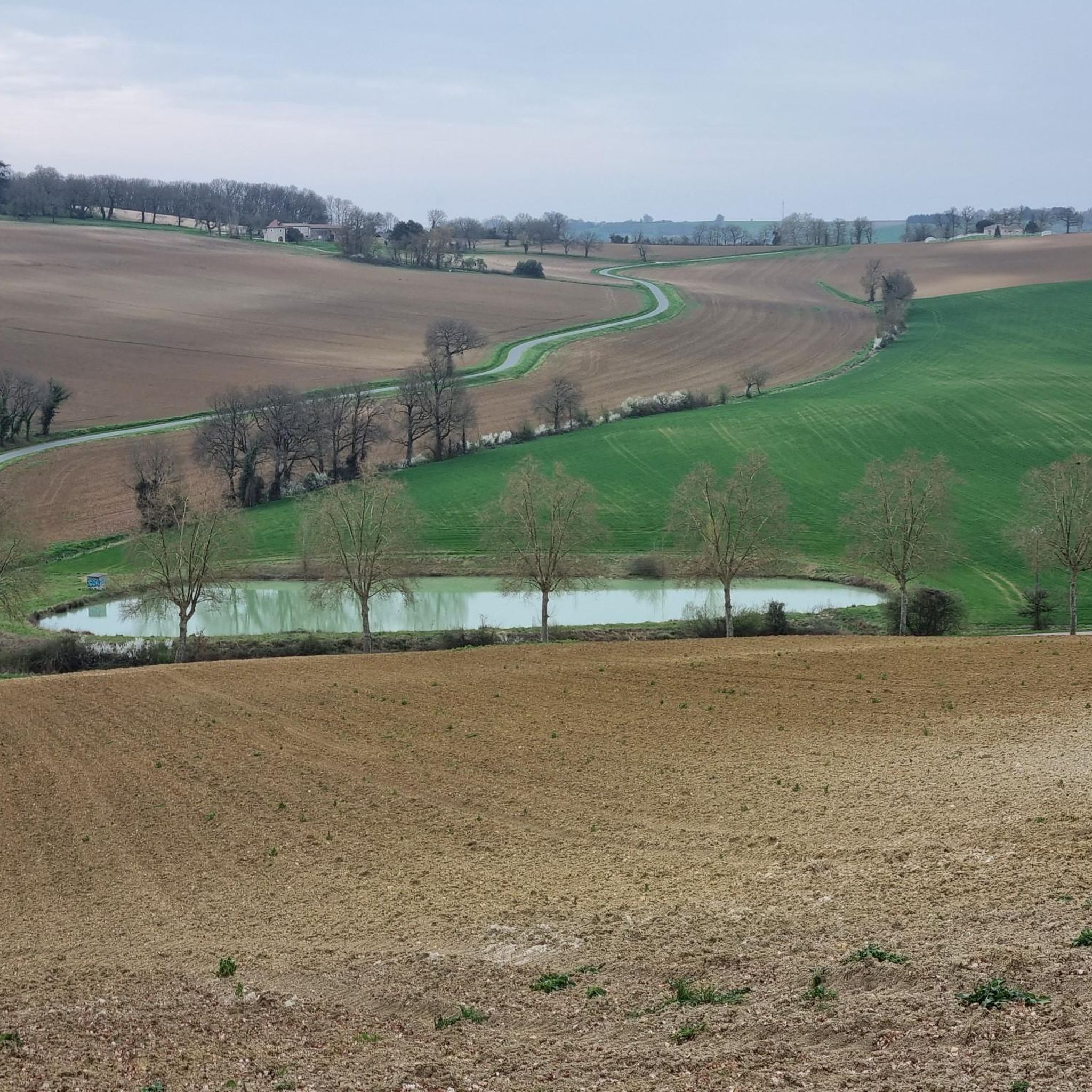
From the Route des Crêtes, you can enjoy beautiful views of the fortified village of Clermont-Dessous. Situated on a hillside, it preserves the remains of ramparts, a beautiful Romanesque church, and a typically Gascon charm.
0
0
Nestled on the banks of the Baïse River, Nérac offers a peaceful atmosphere. Formerly the residence of Henry of Navarre, the future Henry IV, the town preserves a rich heritage with its castle, cobbled streets, and half-timbered houses.
0
0

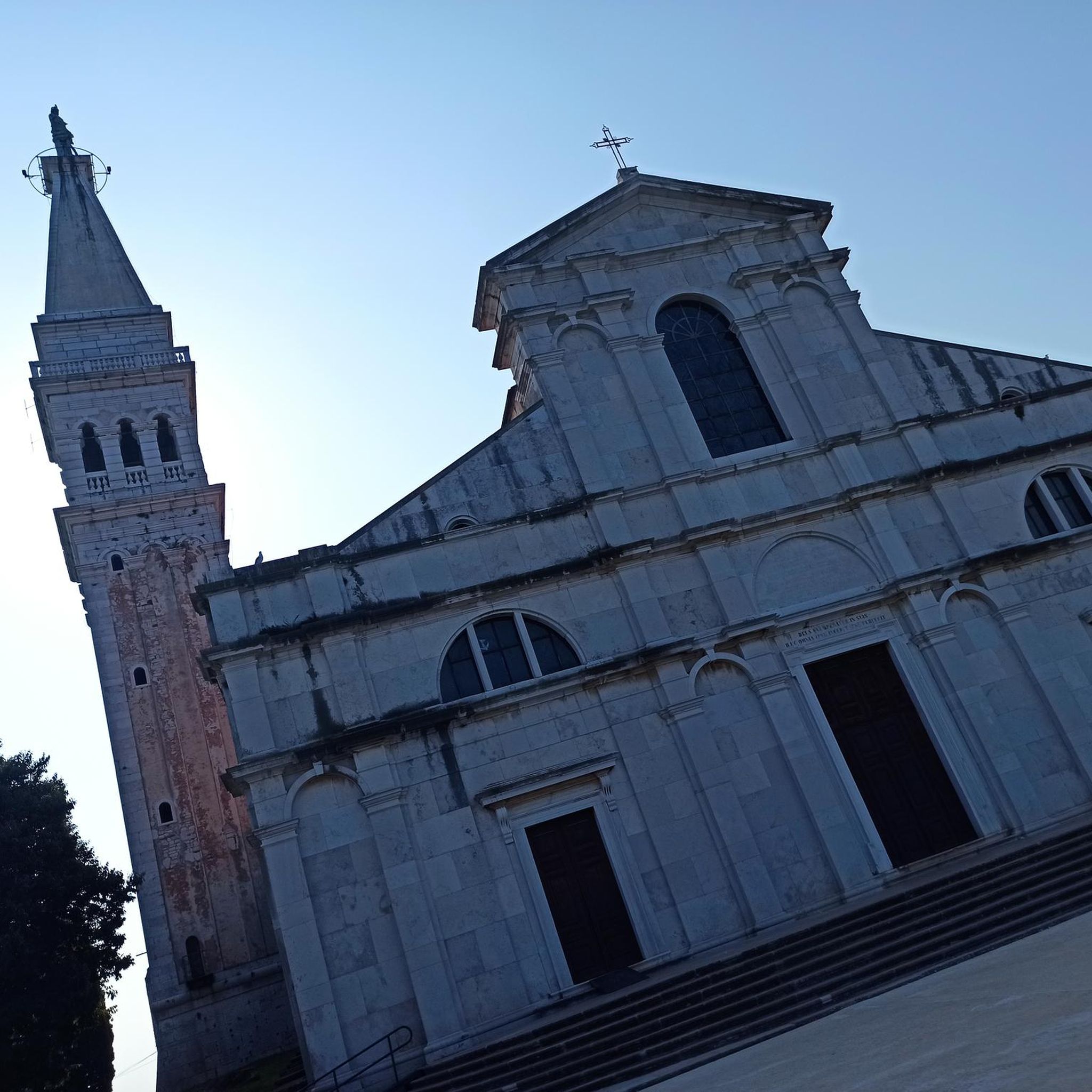
[In Advent] "we hear in the Gospel the beginning of the ministry of John the Baptist. He appears in the desert and calls people to conversion so that they may prepare for the coming of the Lord. His call reminds us that Advent is not only a time of waiting, but also of interior preparation. "Prepare the way of the Lord, make straight his paths" (Luke 3:4). John's message challenges us to examine our lives. What "rough paths" and "crooked roads" are there in our hearts? Where have we perhaps distanced ourselves from God or lost sight of our fellow human beings? John invites us to remove these obstacles and reorient our lives. But his call has not only a personal dimension, but also a social one: the way of the Lord is a way of justice, peace and reconciliation. When we pave the way of the Lord, we bring light into the darkness of the world and hope into the hearts of people." (Text: Michael Inden, Diocesan President of the KAB in the Archdiocese of Cologne)
1
0


Great restaurant at the Café de la Paix, unique menu with delicious local produce
0
0
Frequently Asked Questions
What kind of terrain can I expect on road cycling routes around Brax?
The Brax area, located in the Occitanie region, features a dynamic landscape with rolling hills and open countryside. You'll encounter varied elevation suitable for different road cycling experiences, often traversing agricultural lands and passing through natural areas like the Forêt domaniale de Bouconne.
Are there road cycling routes suitable for beginners or families in Brax?
Yes, Brax offers routes for various skill levels. While many are moderate, there are also easier options. For instance, the Nice little ride – Larchères loop from Estillac is an easy 28.5 km route, suitable for those looking for a less challenging ride.
How many road cycling routes are available in the Brax region?
There are over 400 road cycling routes documented around Brax on Komoot. This includes a wide range of options, with approximately 75 easy routes, 300 moderate routes, and 41 more challenging rides.
What are some notable landmarks or attractions I might see while cycling in Brax?
Many routes incorporate local points of interest. You might pass by the historic Brax Castle, which serves as a scenic landmark. Further afield, you could explore attractions like the Agen river port, the Agen Aqueduct, or the Agen Canal Bridge, depending on your chosen route.
Are there any circular road cycling routes in Brax?
Yes, the majority of road cycling routes in Brax are designed as loops, allowing you to start and finish at the same point. Examples include the moderate Nice little ride – Roquefort loop from Estillac, which covers nearly 60 km, or the slightly shorter Roquefort Castle – Nice little ride loop from Estillac.
What do other cyclists say about road cycling in Brax?
The road cycling routes in Brax are highly regarded by the Komoot community, holding an average rating of 4.2 stars from over 100 reviews. Cyclists often praise the varied terrain, the scenic countryside, and the well-maintained surfaces suitable for road bikes.
Is there public transport access to the cycling routes in Brax?
Brax is located approximately 16 kilometers from Toulouse, a major city with extensive public transport links. While direct public transport to specific route starting points within Brax may vary, accessing the general area via Toulouse is straightforward, allowing for easy connection to the local cycling network.
Are there any routes that go through natural forests or offer shaded sections?
Yes, some routes in the Brax area pass through or near the Forêt domaniale de Bouconne. This large forest provides a natural environment and offers shaded sections, which can be particularly pleasant during warmer months. The region's topography also includes open countryside with scattered trees.
Can I find places to stop for coffee or food along the road cycling routes?
While specific cafes on every route are not guaranteed, the proximity of Brax to towns like Léguevin, Pibrac, and Plaisance-du-Touch means you can often find local markets, bakeries, and small eateries. Planning your route to pass through these villages can provide opportunities for refreshment stops.
What is the best time of year for road cycling in Brax?
The Occitanie region generally enjoys a pleasant climate. Spring and autumn typically offer the most comfortable temperatures for road cycling, with less extreme heat than summer and milder conditions than winter. These seasons also showcase the region's natural beauty with blooming landscapes or autumnal colors.
Are there any challenging road cycling routes for experienced riders?
Yes, for experienced riders seeking a challenge, Brax offers several difficult routes. While specific examples from the provided data are moderate, the region's overall network includes 41 difficult routes with more significant elevation gains and longer distances to test your endurance.
Where can I park my car when starting a road cycling route in Brax?
Many routes in the Brax area start from or pass through villages and towns where public parking is generally available. It's advisable to check the specific starting point of your chosen route on Komoot, as community members often provide details on parking availability in their tour descriptions or comments.
Most popular attractions around Brax

Get inspired with the komoot mobile app


Explore more
Browse the best Road cycling routes in other regions.
